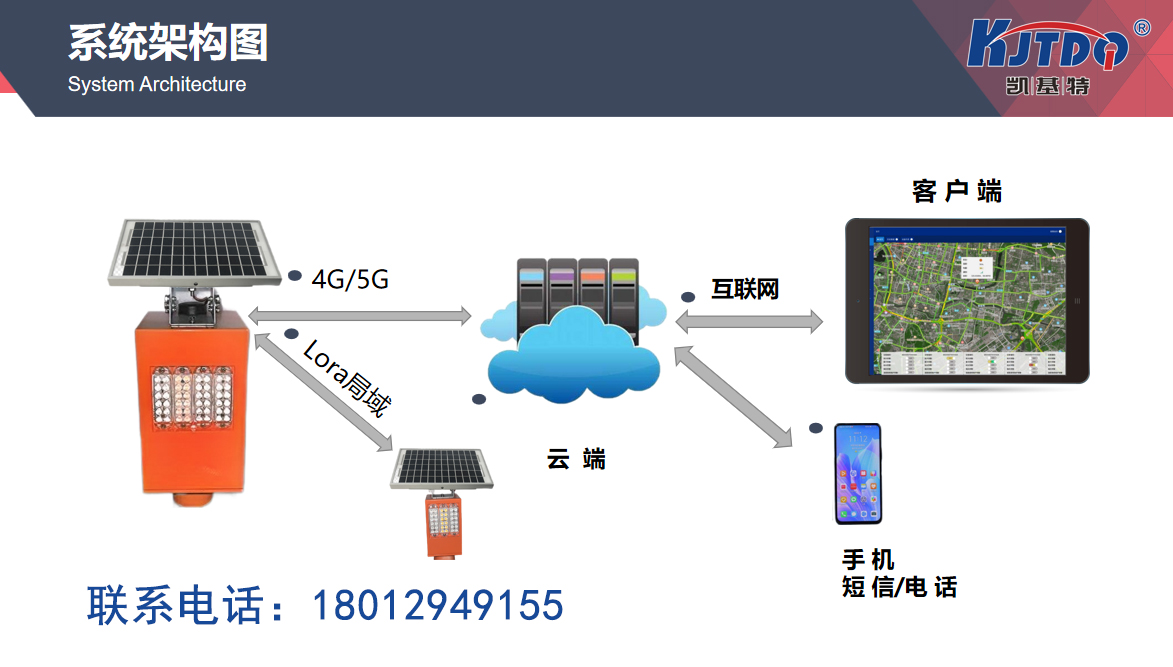
With the increasing complexity of the global transportation network and the rapid increase in the number of vehicles, the technology of intelligent highway monitoring system equipment has become a key factor in ensuring road safety and improving traffic efficiency. Nowadays, these intelligent monitoring systems are not limited to traditional camera monitoring, but also integrate various advanced technologies such as artificial intelligence, Internet of Things, big data analysis, etc., providing comprehensive monitoring and management solutions for traffic management departments.
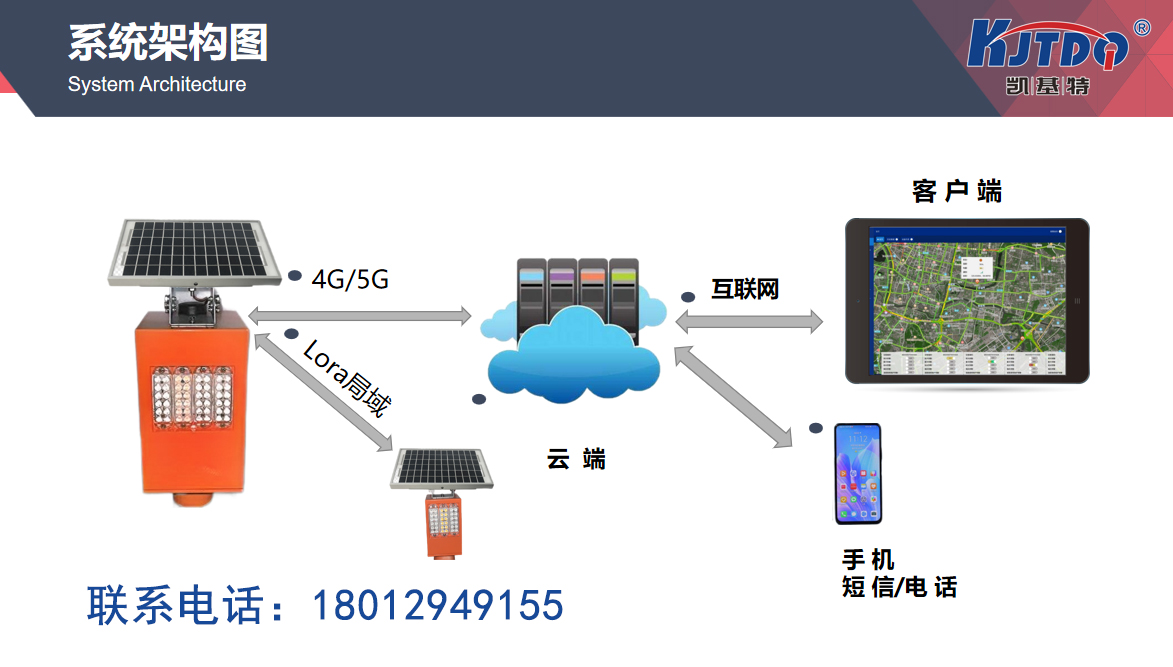
The core of the highway intelligent monitoring system lies in real-time data collection and analysis. The system can collect real-time data on road traffic, vehicle speed, weather conditions, etc. through sensors, cameras, radars, and other devices scattered throughout the highway. These data are transmitted to data centers through IoT technology for big data analysis, helping traffic management departments to grasp traffic conditions in real time and issue warnings or adjustments when necessary. For example, when vehicles pass through a dense stretch of road, the system can automatically adjust the signal light cycle or use electronic road signs to remind drivers to avoid congested sections.
The widespread application of these device technologies not only improves the efficiency of traffic management, but also significantly reduces the incidence of traffic accidents. For example, intelligent monitoring systems can identify and record illegal behaviors such as speeding, reversing, and occupying emergency lanes, and automatically generate fines to be sent to the relevant vehicle owners. This not only saves the cost of manual law enforcement, but also greatly improves the efficiency and accuracy of law enforcement.
In addition to traditional monitoring functions, highway intelligent monitoring systems also have warning and emergency response capabilities. When the system detects danger on the road ahead, such as road icing, landslides, accidents, etc., it can issue warnings to drivers through the in car system or smartphone app to help them react in advance and avoid accidents. In addition, the system can quickly activate emergency plans after accidents occur, notify relevant departments for handling, and adjust the traffic flow of road sections through intelligent traffic control systems to reduce the possibility of secondary accidents.
However, despite significant progress in many aspects of highway intelligent monitoring system equipment technology, it still faces some challenges. For example, with the increasing number of sensors and monitoring devices, how to efficiently process and store massive amounts of data has become a major challenge. In addition, the stability and security of the system are also important considerations. Security risks such as hacker attacks and data breaches may have a serious impact on the entire transportation system. Therefore, while developing intelligent monitoring systems for highways, it is equally important to strengthen network security and data protection.
In the future, with the popularization of 5G technology, the technology of intelligent monitoring system equipment for highways will usher in new development opportunities. The 5G network has the characteristics of ultra-high speed and ultra-low latency, which will greatly improve data transmission speed and system response efficiency. Through 5G networks, intelligent highway monitoring systems can achieve more real-time traffic data collection and analysis, further improving the accuracy and efficiency of traffic management.
In addition, with the continuous development of automatic driving technology, the equipment technology of highway intelligent monitoring system will also be deeply integrated with the auto drive system. By monitoring road conditions in real-time and exchanging data with autonomous vehicles, the system can help autonomous vehicles better perceive their surroundings, improving the safety and reliability of autonomous driving. The combination of this technology will lay a solid foundation for future smart transportation systems.
In summary, the application and development of intelligent monitoring system equipment technology for highways are bringing revolutionary changes to modern traffic management. Although challenges still exist, with the continuous advancement and improvement of technology, we have reason to believe that future road transportation will be safer, more efficient, and intelligent. For traffic management departments, how to fully utilize these new technologies and develop reasonable management strategies will be an important issue in future traffic management work.
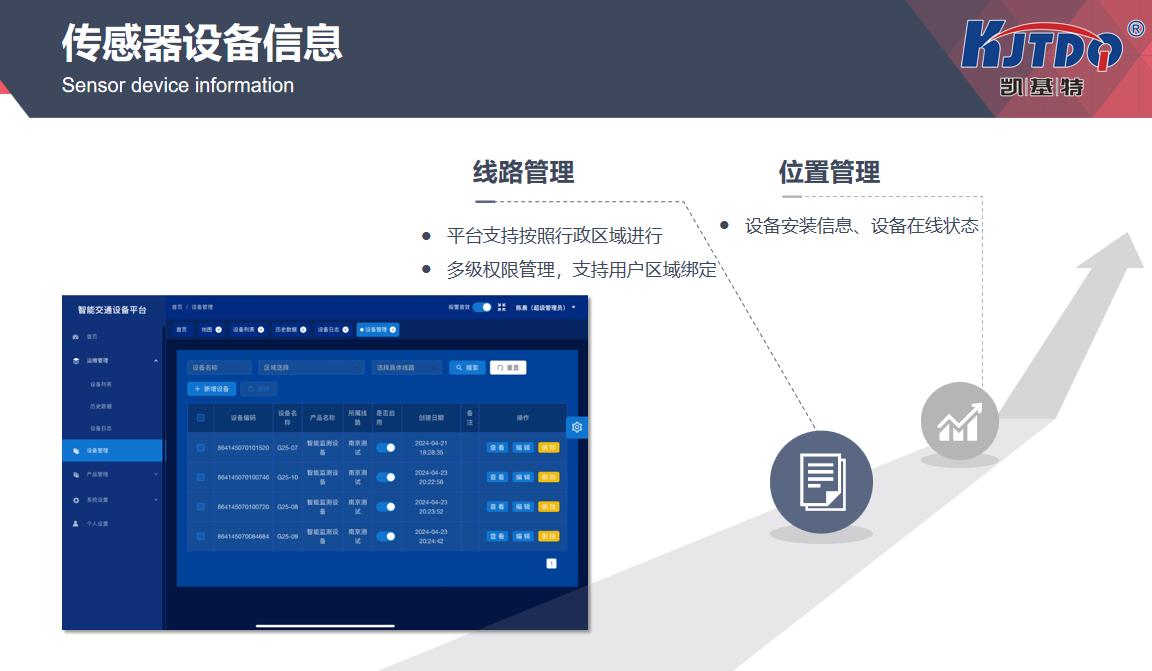
From the current development trend, the technology of highway intelligent monitoring system equipment will become an indispensable part of smart city construction. We should actively promote the popularization and application of these technologies, while strengthening research and development of related technologies to cope with various challenges that may arise in the future. The close cooperation between traffic management departments and technology developers will be the key to driving the continuous development of this field. Through continuous innovation and optimization, we are expected to build a more intelligent transportation network, providing every driver with a safer and more convenient driving experience.
1. How can intelligent highway monitoring systems improve road safety?
The highway intelligent monitoring system significantly improves road safety through multi-level technological means. Firstly, the system can monitor key data such as vehicle speed, distance between vehicles, and road conditions in real-time, promptly identifying and warning potential safety hazards such as speeding and fatigue driving. Secondly, the intelligent monitoring system can identify unexpected situations such as car accidents or obstacles, and quickly notify nearby vehicles and traffic management departments to help drivers adjust their driving strategies in a timely manner. In addition, the system can optimize traffic flow, reduce traffic congestion, and lower accident rates through data analysis. By integrating these functions, the highway intelligent monitoring system greatly enhances the overall safety of the road.
2. Will the installation of the system affect traffic?
The installation of highway intelligent monitoring systems is usually carried out in stages and arranged as much as possible during periods of low traffic volume to reduce the impact on traffic. For example, the installation of many devices will be carried out at night or during non peak hours to ensure that the interference of construction on normal traffic flow is minimized. At the same time, temporary traffic signs and guidance will be set up during the construction period to ensure the safety of passing vehicles. For systems that have already been put into operation, maintenance and upgrade work will also consider traffic conditions, adopting remote updates and local maintenance methods to avoid large-scale road closures or long-term traffic interruptions. Overall, although the installation process may cause short-term inconvenience, in the long run, the application of the system will greatly improve the safety and efficiency of transportation.
3. How can intelligent monitoring systems cope with the challenges of severe weather?
In the design of highway intelligent monitoring system, a variety of adverse weather conditions are considered, such as rainstorm, snow, fog, etc. The system is equipped with weather resistant sensors and devices that can work stably under extreme weather conditions. At the same time, the system also has environmental perception capabilities, which can identify and respond to road risks caused by adverse weather conditions. For example, in foggy weather, the system can remind the driver to slow down through the car display screen or road signs; In snowy weather, the system can monitor road icing and issue warnings to help drivers adjust their driving style. Through these measures, the intelligent monitoring system can still effectively ensure road safety in adverse weather conditions.
4. How to integrate highway intelligent monitoring system with future transportation development trends?
The intelligent monitoring system for highways is gradually integrating into the trend of future transportation development, especially playing an important role in the construction of autonomous driving and smart cities. With the maturity of autonomous driving technology, intelligent monitoring systems will closely collaborate with autonomous vehicles to provide real-time road information, helping vehicles better perceive the environment and make decisions. In addition, within the framework of smart cities, the highway intelligent monitoring system will also be interconnected with other infrastructure such as smart signal lights, smart parking systems, etc., forming a unified urban traffic management network. This deep integration will greatly improve the efficiency and safety of the transportation system, making future urban transportation more intelligent and humane.