With the increasing improvement of transportation networks, highways have become important channels connecting cities. However, complex road conditions and sudden traffic incidents often affect the driving experience and safety of drivers. The highway condition monitoring system, as an important component of intelligent traffic management, utilizes advanced technological means to provide real-time and accurate road condition information for driving. This article will explore in detail the functions, advantages, and key role of the highway condition monitoring system in ensuring driving safety.
1、 Highway condition monitoring system: real-time protection of your driving path
The highway condition monitoring system is an intelligent system based on sensors, cameras, satellite positioning, and data analysis technology, aimed at providing drivers with real-time road condition information and warning services. By monitoring and analyzing factors such as road conditions, traffic flow, and weather changes, the system can help drivers timely understand the road conditions ahead and make corresponding driving decisions.
2、 The core functions of the highway condition monitoring system
Real time traffic monitoring
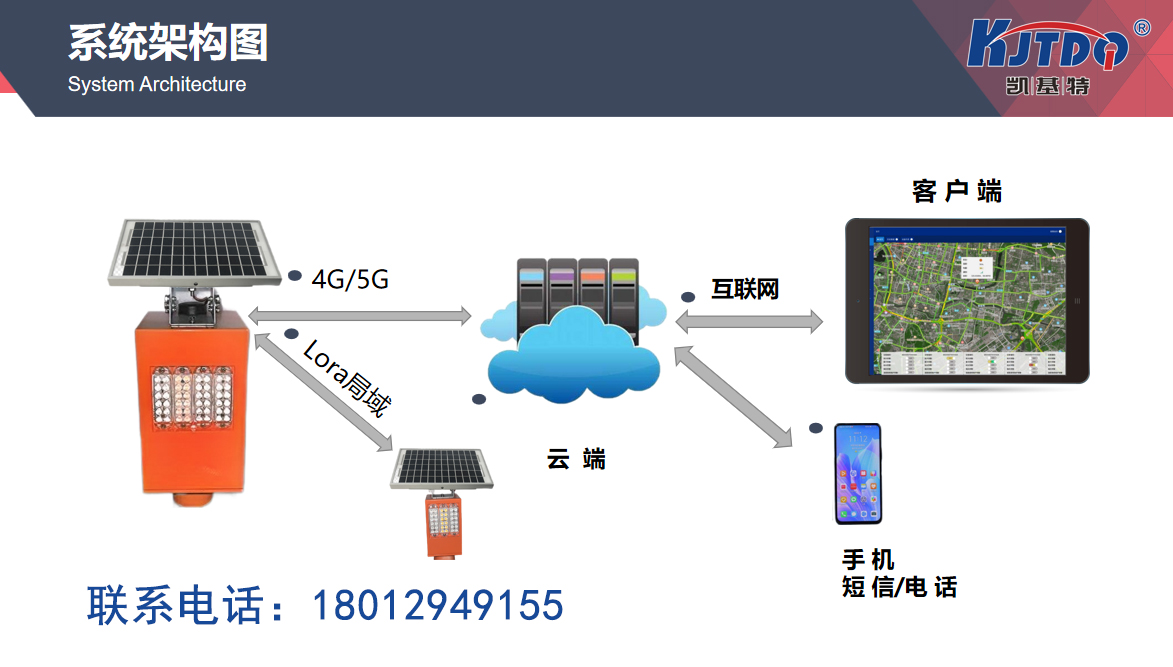
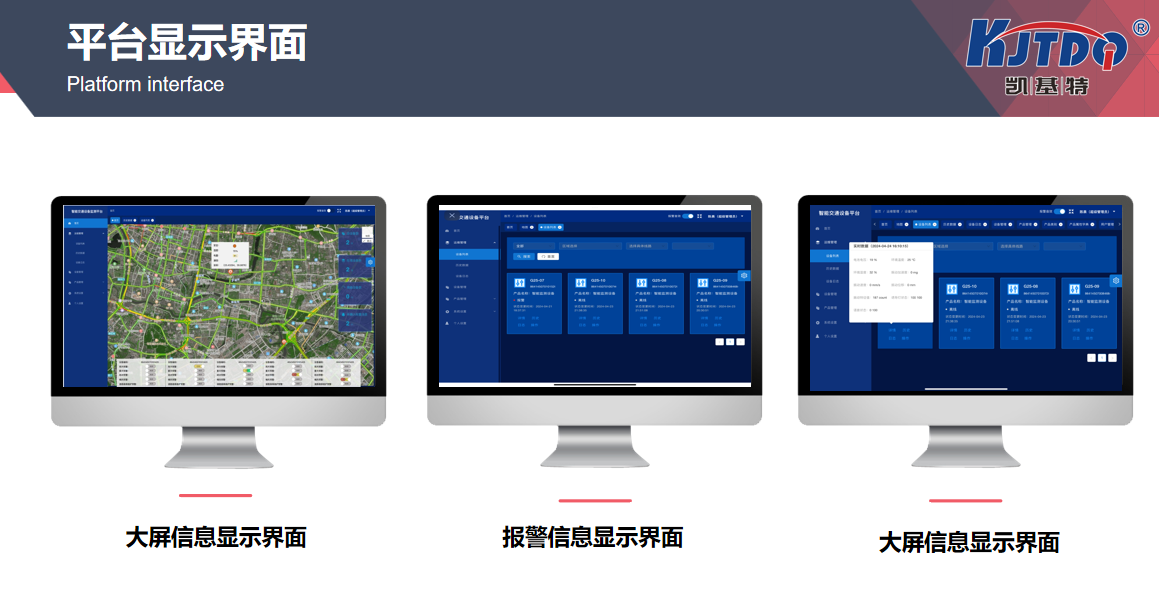
The system monitors real-time traffic flow, speed, and congestion on the road through cameras and sensors installed along the highway. The data is transmitted to the central processing system through wireless networks, and after analysis and processing, it is provided to drivers and traffic management departments.
Traffic accident warning
When the system detects a traffic accident ahead, it will immediately issue an alert to the driver through the in car terminal or mobile application. In this way, drivers can slow down, change lanes, or choose other routes in advance to avoid traffic congestion or secondary accidents caused by accidents.
Weather condition monitoring
The highway condition monitoring system is equipped with meteorological sensors that can monitor real-time weather changes along the road, such as rain, snow, fog, etc. When the system detects adverse weather conditions, it will promptly issue warnings to drivers and recommend corresponding safety measures.
3、 Technical advantages of highway condition monitoring system
Multi sensor fusion technology
The system integrates multiple sensor data (such as cameras, radars, weather sensors, etc.) to achieve all-round and all-weather monitoring of highways. Multi sensor fusion technology not only improves the accuracy of monitoring, but also provides stable road condition information in complex environments.
Big data analysis and artificial intelligence
The highway condition monitoring system utilizes big data analysis and artificial intelligence technology to conduct real-time analysis and prediction of collected road condition data. Through learning and pattern recognition of historical data, the system can predict potential traffic congestion or accidents in advance and provide corresponding warnings and solutions.
Real time information push
The system pushes real-time traffic information to drivers through various channels such as in car terminals, mobile applications, and broadcasts. Information push is timely and accurate, helping drivers to keep track of road conditions and make optimal driving decisions at any time.
4、 Application scenarios of highway condition monitoring system
Long distance travel
For long-distance travelers, the highway condition monitoring system can provide real-time traffic information along the way, helping to plan the best driving route, avoid congestion and dangerous sections, and improve travel efficiency and safety.
Logistics transportation
The logistics and transportation industry has strict requirements for time and safety. The highway condition monitoring system can provide real-time traffic and weather information for logistics vehicles, helping drivers to arrange transportation time and routes reasonably, ensuring the safe and timely delivery of goods.
Emergency rescue
In the event of an emergency or natural disaster, the highway condition monitoring system can provide real-time road conditions and accident information for emergency rescue vehicles, helping rescue personnel quickly arrive at the scene and carry out rescue work.
5、 Development prospects of highway condition monitoring system
With the continuous advancement of intelligent transportation technology and the expansion of application scenarios, the development prospects of highway condition monitoring systems are very broad in the future. In the future, with the popularization of 5G networks and the development of vehicle networking technology, high-speed road condition monitoring systems will become more intelligent and real-time, providing drivers with more comprehensive and accurate road condition services.
6、 Personal opinion: Intelligent monitoring technology leads the new era of high-speed travel
I firmly believe that the widespread application of highway condition monitoring systems will greatly enhance our travel experience and driving safety. This is not only a manifestation of technological progress, but also the result of our relentless pursuit of intelligent travel. In the future, I hope to see more applications of intelligent monitoring technology to provide more guarantees for our travel safety and convenience.
In summary, the highway condition monitoring system provides drivers with real-time and accurate road condition information and warning services through advanced technological means, effectively reducing the incidence of traffic accidents and improving travel efficiency. In the future, with the continuous development of technology and the expansion of application scenarios, highway condition monitoring systems will inevitably become an important component of intelligent transportation. I hope every driver can fully recognize the importance of this system and actively adopt it, contributing to our travel safety.
1. Can the system be personalized based on the driver's driving habits?
Yes, the system has built-in artificial intelligence algorithms that can learn the driving habits of drivers and provide personalized road condition information and warning services according to the needs of different drivers.
2. Does the system require regular maintenance? What are the maintenance contents?
The system requires regular maintenance, including cleaning of sensors and cameras, software updates, and equipment checks. The maintenance cycle is generally six months to one year, depending on the usage environment and frequency.
3. How does the system ensure monitoring accuracy in low visibility conditions such as heavy fog or sandstorms?
The system utilizes radar and infrared sensors to effectively monitor in low visibility conditions, ensuring accurate road condition information is provided to drivers.