Bridges, as an important component of modern transportation networks, carry the safe passage of countless vehicles and personnel. However, with the passage of time and the influence of the natural environment, the structure of the bridge may gradually age or be damaged, ultimately leading to the risk of collapse. In order to prevent this catastrophic consequence, bridge collapse monitoring technology has emerged as an important means to ensure bridge safety and extend its service life. This article will delve into the core role of bridge collapse monitoring technology and its importance in ensuring public safety.
Bridge collapse monitoring technology, as the name suggests, is the real-time monitoring of the structural status of bridges through various advanced technological means, and the timely detection and warning of possible collapse risks. This monitoring technology can not only identify small changes in bridge structures, but also predict potential structural failures in the future, providing scientific decision-making basis for relevant departments. This is like installing a pair of "smart eyes" on the bridge, constantly monitoring its health status to ensure its stable operation even in extreme weather, overload, and other situations.
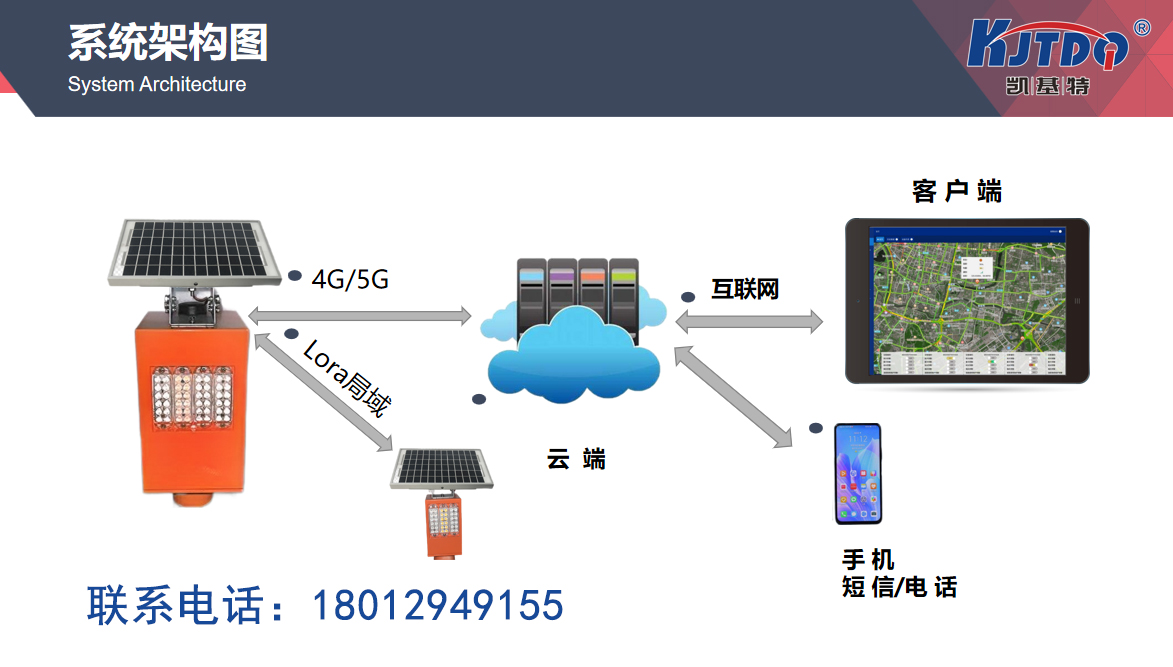
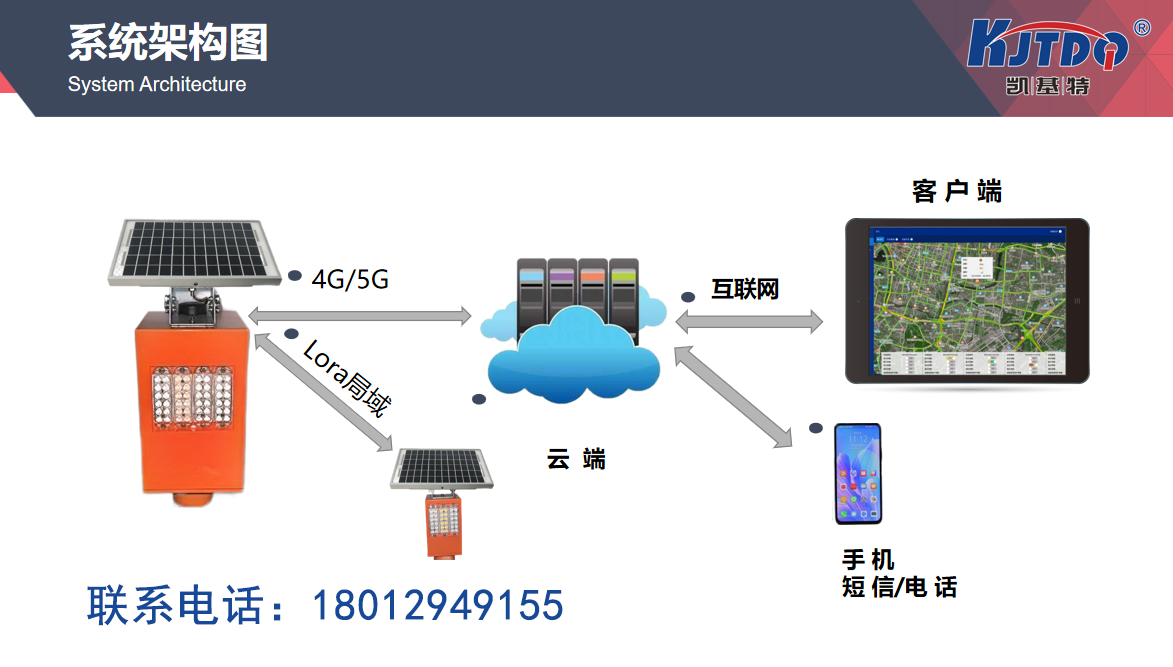
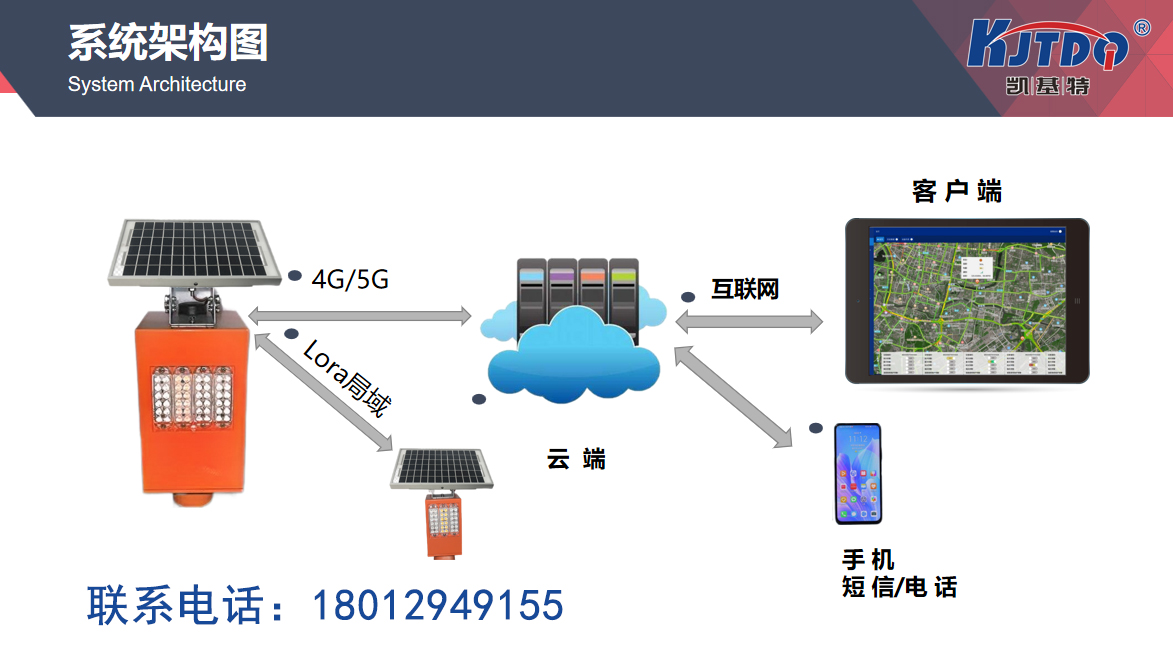
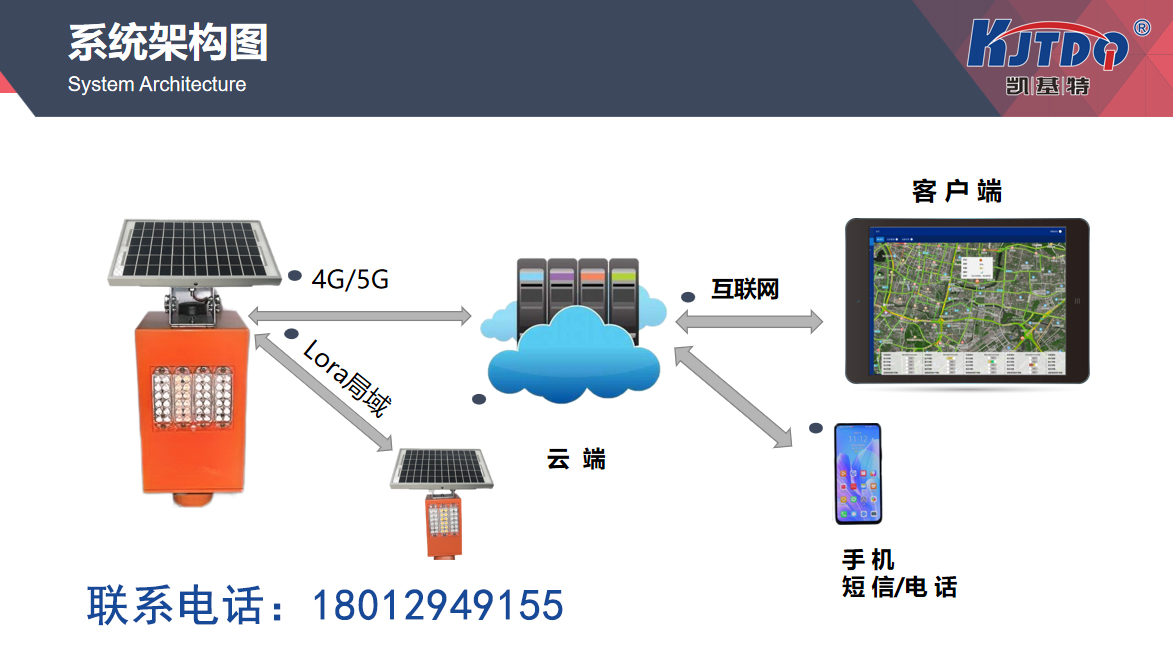
It is worth mentioning that modern bridge collapse monitoring technology has become highly intelligent. Through sensors and monitoring devices installed on the bridge, the system can collect various data in real-time, such as stress, displacement, vibration, temperature, etc. Then, these data will be transmitted to the central processing system, which can evaluate the current status of the bridge and predict potential risks in the future through complex algorithm analysis. This technology based on big data analysis and artificial intelligence not only improves the accuracy of monitoring, but also enhances the timeliness of early warning.
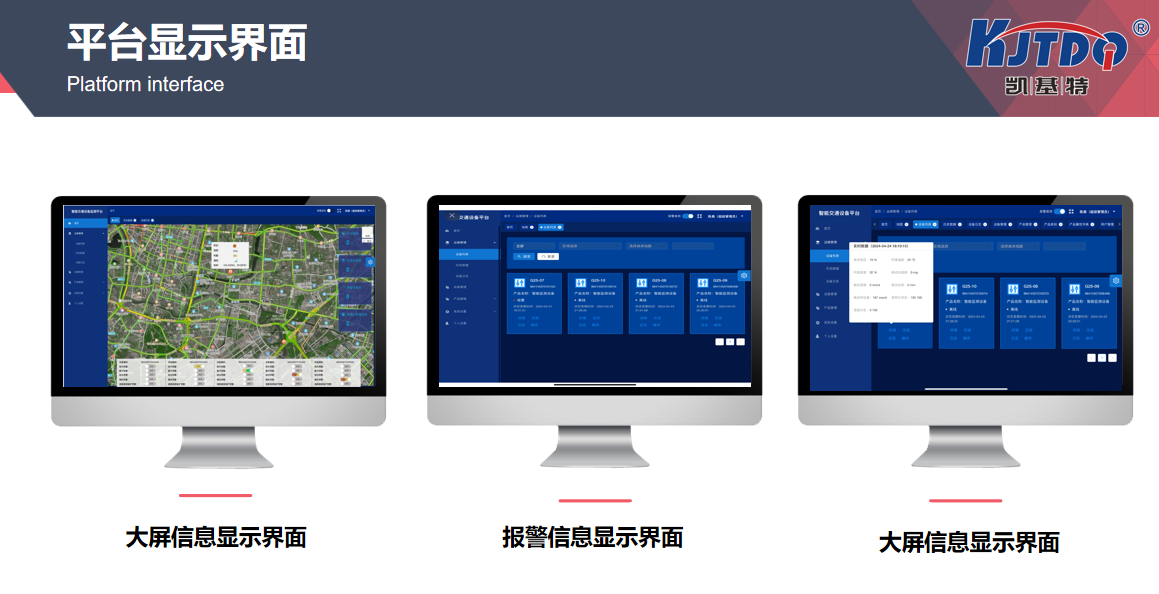
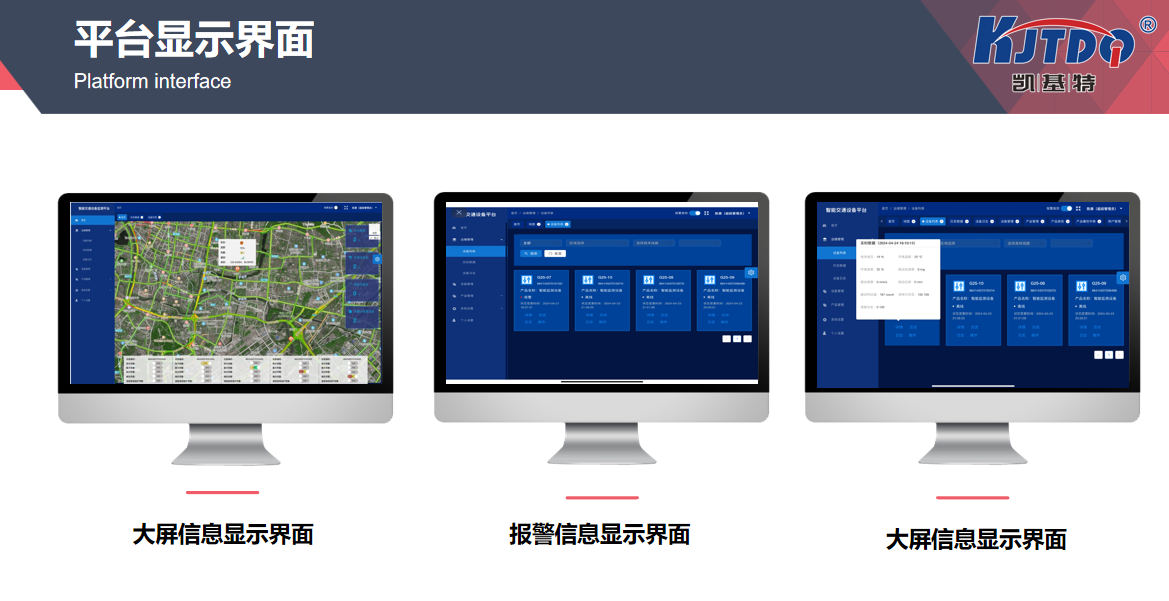
Furthermore, these monitoring technologies can provide early warning through various means. Once the system detects any abnormalities in the bridge structure that may pose a risk of collapse, it will notify relevant personnel to take emergency measures through SMS, email, or display warning messages directly in the monitoring center. This real-time monitoring and timely warning mechanism greatly reduces the safety hazards caused by bridge collapse and ensures the safe and smooth operation of public transportation.
Meanwhile, bridge collapse monitoring technology is not limited to monitoring newly built bridges, and its application is particularly critical for some old bridges that have been in use for many years. Old bridges are often prone to hidden structural problems due to long-term exposure to wind, sun, and traffic impact. Through regular and real-time monitoring, these potential issues can be identified early on, allowing for repair measures to be taken before the problem worsens, thus avoiding the tragedy of bridge collapse.
However, the application of bridge collapse monitoring technology is not without challenges. Firstly, there is the issue of technical cost. High precision monitoring equipment and complex algorithm processing systems require significant financial investment, especially for large-scale bridge networks. The comprehensive deployment of such monitoring systems may bring considerable financial pressure. Secondly, there is the difficulty of data processing and analysis. The amount of data involved in bridge monitoring is extremely large and often complex, which places high demands on data processing capabilities and analysis algorithms. How to ensure the stability and accuracy of the system is an important issue in technological development.
In addition, the effectiveness of bridge collapse monitoring technology also depends on the operation and maintenance of personnel. Although technology itself is highly automated and intelligent, there is still a need for professional technicians to maintain equipment and interpret data analysis results correctly. If the technical level of relevant personnel is not high enough or their response to monitoring results is not timely enough, it will affect the efficiency of the entire system and may even miss key warning signals.
However, the popularization and development of bridge collapse monitoring technology are still the trend. With the continuous advancement of technology, future monitoring systems will become more intelligent and automated, and may even achieve more extensive and accurate monitoring through emerging technologies such as drones and the Internet of Things. This not only helps to improve the safety of bridges, but also provides a more scientific basis for traffic management and infrastructure maintenance.
Overall, the application of bridge collapse monitoring technology has greatly improved the safety management level of bridges, providing solid technical support for ensuring public safety and reducing disaster risks. It not only reflects the application value of technology in the field of public safety, but also reflects the degree to which society attaches importance to the safety of life and property. In the future, with the further development of technology, bridge collapse monitoring technology will be applied in more fields, providing a more robust "skeleton" for the cities we live in.
From my perspective, the promotion and application of bridge collapse monitoring technology may face challenges in terms of technical cost and maintenance difficulty in the short term, but in the long run, the safety benefits it brings are immeasurable. The advancement of technology enables us to identify potential dangers in advance, which is undoubtedly the greatest guarantee for life safety. Therefore, I believe that both government departments and private enterprises should actively invest in the research and application of bridge monitoring technology, contributing to the construction of a safer transportation network.
1. What are the core technical means of bridge collapse monitoring technology?
The core means of bridge collapse monitoring technology include sensor technology, data acquisition systems, wireless communication networks, as well as big data analysis and artificial intelligence algorithms. Sensor technology is the foundation of monitoring systems, which enables real-time acquisition of structural status data of bridges by installing strain sensors, acceleration sensors, temperature sensors, and other devices at critical locations of the bridge. The data collection system consolidates the data from these sensors and transmits it to the central monitoring system through a wireless communication network. Big data analysis and artificial intelligence algorithms deeply process the collected data, predict potential collapse risks, and provide timely warnings. These technological means work together to ensure the safety of the bridge.
2. Can bridge collapse monitoring technology be effective under extreme weather conditions?
In extreme weather conditions, such as rainstorm, strong wind, earthquake, etc., the bridge structure may bear greater pressure, leading to an increase in potential collapse risk. The role of bridge collapse monitoring technology is particularly important under these conditions. By monitoring key parameters such as stress, displacement, and vibration of the bridge in real-time, the system can promptly identify whether the bridge is experiencing abnormal conditions in extreme weather and issue warnings quickly. For example, when rainstorm causes flood, the monitoring system can detect whether the foundation of the bridge is eroded or scoured, so as to take countermeasures in advance to avoid catastrophic accidents. Therefore, this technology can not only play a role in extreme weather conditions, but also significantly improve the risk resistance of bridges.
3. How to integrate bridge collapse monitoring technology with daily maintenance?
The combination of bridge collapse monitoring technology and daily maintenance is an important way to ensure the long-term safety and stability of bridges. The monitoring system can provide real-time and accurate data support for daily maintenance, helping maintenance personnel discover potential problems of the bridge in a timely manner. For example, if the system detects abnormal stress values in a certain part of the bridge, it may indicate structural damage or material aging at that location. In this case, the maintenance team can conduct targeted inspections and repairs. Through long-term accumulation and analysis of monitoring data, the overall health status of the bridge can also be evaluated, providing a basis for developing scientific maintenance plans. This combination not only improves the efficiency of maintenance work, but also extends the service life of the bridge and reduces the risk of sudden collapse.
4. What are the differences in the application of bridge collapse monitoring technology between new and old bridges?
The application of bridge collapse monitoring technology in new and old bridges has its own emphasis. For newly-built bridges, monitoring technology is mainly used to ensure that the bridge can meet the design standards in the initial stage after construction and adapt to various load conditions in actual operation. At this stage, the monitoring system can help engineers verify the structural performance of the bridge, ensuring that it has sufficient safety. For old bridges, the application of monitoring technology pays more attention to structural health issues during long-term use. These bridges may already have some hidden dangers due to long-term disrepair or frequent overloading. Monitoring technology can continuously track these hidden dangers, issue timely alerts, and avoid collapse accidents caused by aging or damage. Therefore, although the application scenarios of the two are different, monitoring technology plays an irreplaceable role in ensuring bridge safety.