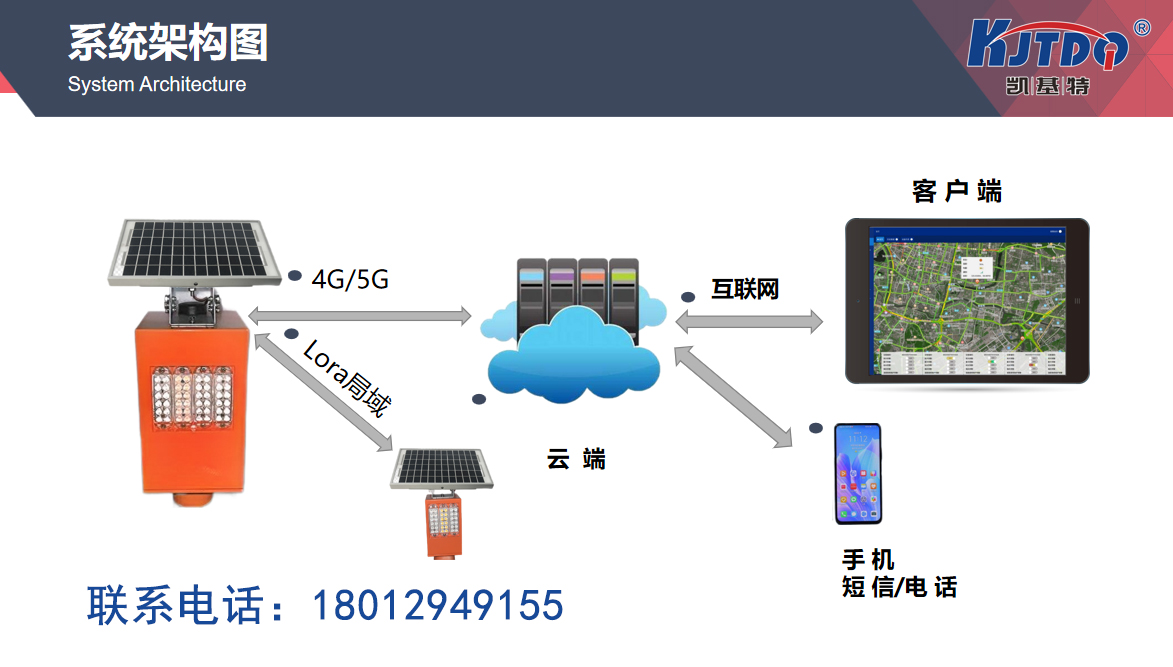
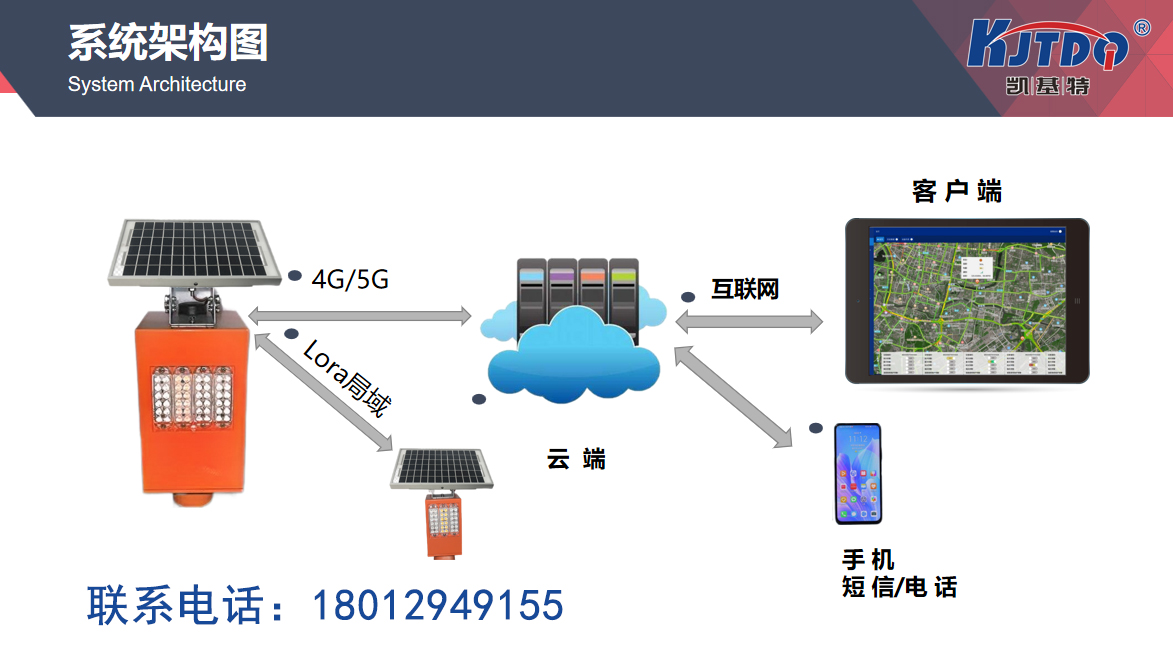
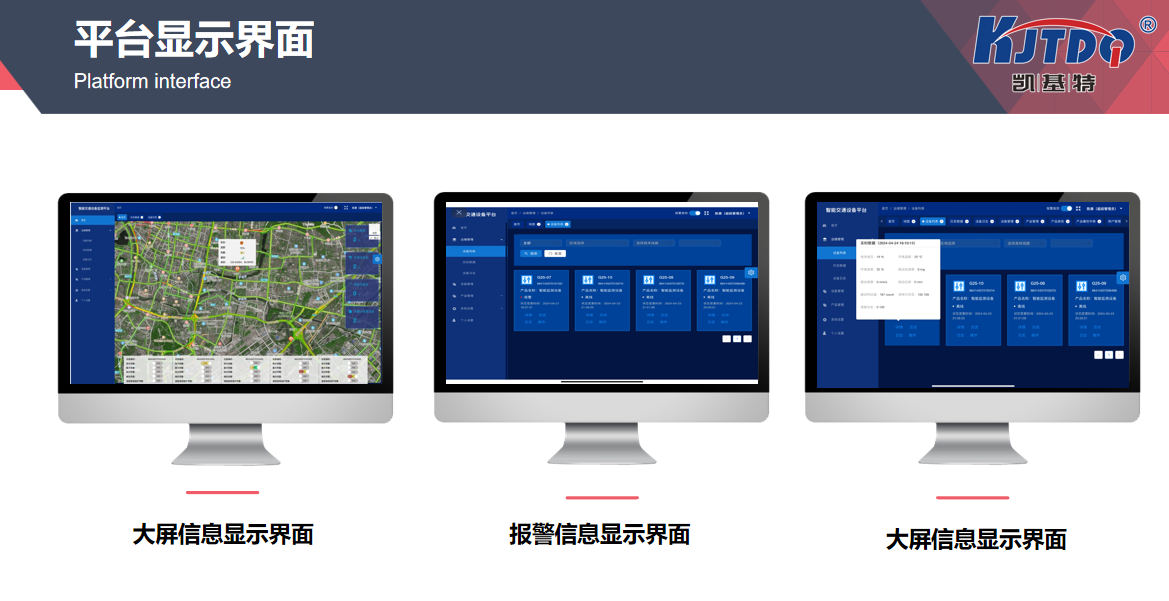
The real-time monitoring system for bridge structures, as a cutting-edge technology for ensuring the safety of modern transportation infrastructure, is playing an increasingly important role. Bridges are not only key components of transportation networks, but also the backbone of urban infrastructure. However, with the passage of time and the increase in traffic load, the health status of bridges has gradually become a focus of attention. The application of real-time monitoring technology makes it possible to continuously and comprehensively evaluate the safety of bridge structures, effectively preventing potential structural problems and ensuring the long-term stability and safety of bridges.
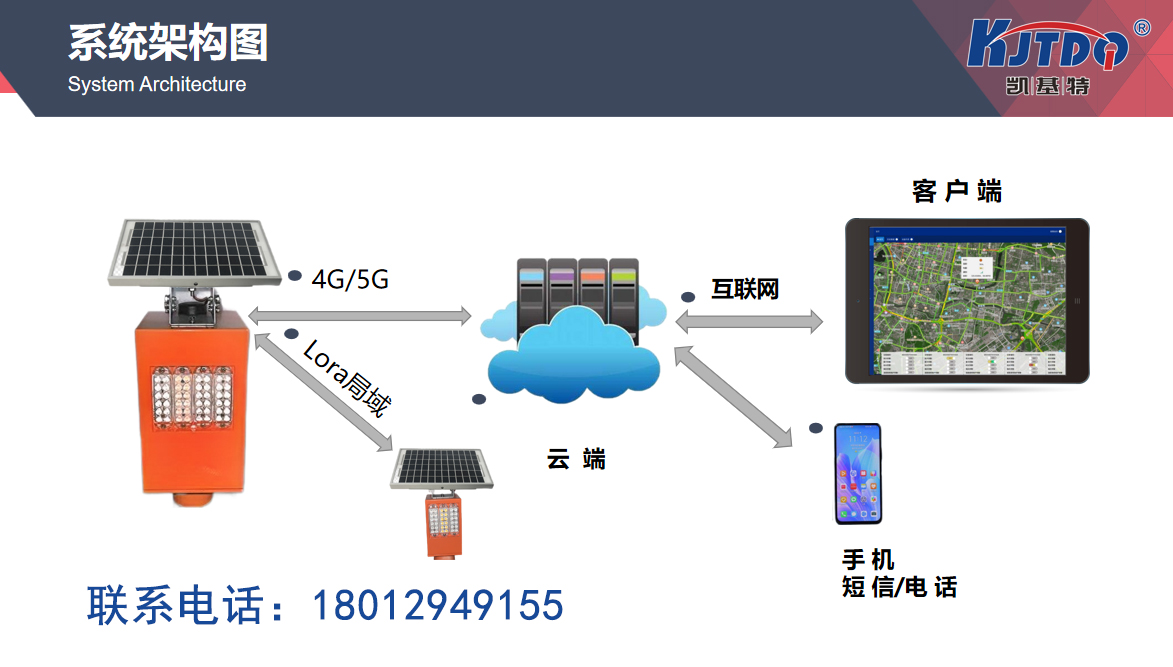
The core of real-time monitoring of bridge structures lies in the real-time tracking and analysis of various parameters of the bridge. The system typically includes various sensors such as strain gauges, accelerometers, displacement sensors, and temperature sensors, which are installed at critical locations on the bridge. These sensors can collect real-time data on stress, displacement, vibration, and temperature of bridges. These data are transmitted to the central monitoring system through wireless networks, and after data processing and analysis, they form real-time health status reports of the bridge.
Strain gauges are an important component of real-time monitoring systems for bridges. It can monitor the strain of bridges under traffic loads and help evaluate their load-bearing capacity. Accelerators are used to detect the vibration modes of bridges, which is crucial for analyzing the dynamic response and stability of bridges. Displacement sensors can measure the displacement of various parts of bridges and promptly detect structural changes caused by settlement or other reasons. Temperature sensors are used to monitor the impact of temperature changes on bridge materials, as temperature changes may cause expansion or contraction of materials, thereby affecting structural safety.
The advantage of a real-time monitoring system is its ability to continuously track the health status of bridges, rather than relying solely on regular inspections. Traditional bridge inspection methods are usually based on visual inspection and regular testing, which may not be able to detect minor structural issues in a timely manner. The real-time monitoring system can issue alerts at the early stage of a problem through continuous data collection and analysis, providing timely information for bridge maintenance and repair. This timely warning mechanism can effectively reduce potential safety hazards and avoid serious bridge failures and accidents.
In addition, real-time monitoring systems can provide data support to help engineers and management departments make scientific decisions. For example, when the monitoring system detects abnormalities in the bridge, relevant personnel can conduct detailed analysis based on the data provided by the system to determine whether emergency maintenance or repair is needed. The data from the system can also be used for long-term management and optimization of bridges, such as adjusting traffic loads, improving maintenance plans, etc. These decisions are based on real-time and accurate data to ensure the safety and efficiency of the bridge.
From a personal perspective, the application of real-time monitoring systems for bridge structures is undoubtedly an important upgrade to ensure bridge safety. As users and maintainers of bridges, we should recognize that ensuring bridge safety is not only the responsibility of engineers, but also the common task of every member of society. With the development of technology and the popularization of applications, future bridges will become more intelligent and safe. We have reason to believe that this will bring more reliable guarantees for our transportation.
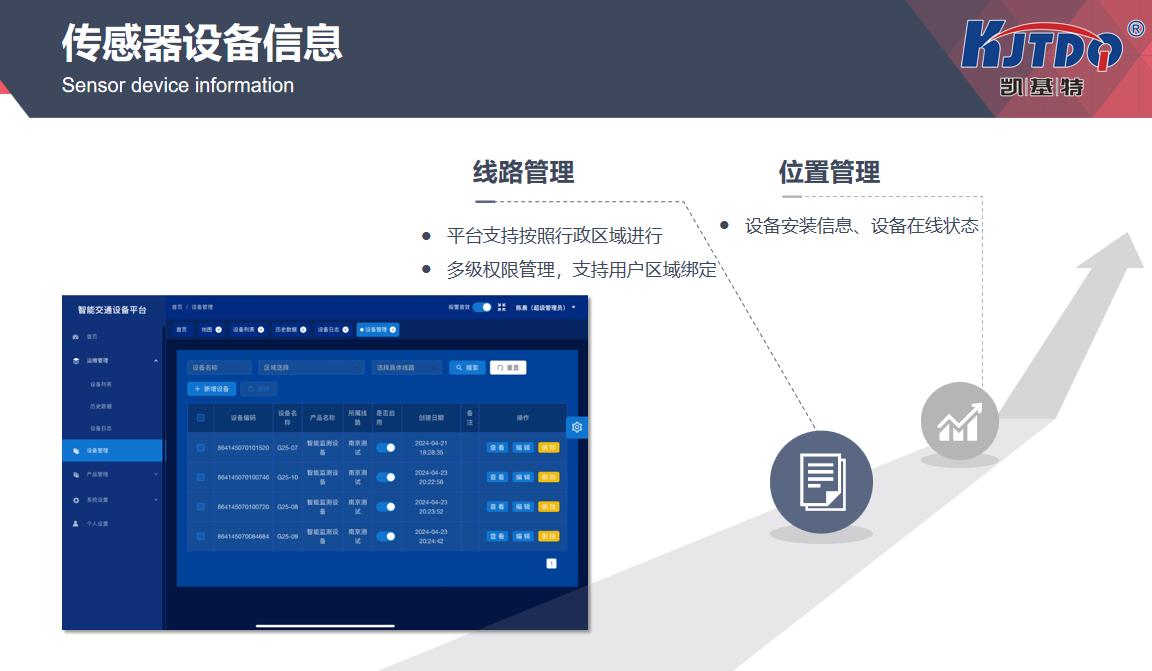
Overall, the real-time monitoring system for bridge structures achieves comprehensive and real-time monitoring of bridges through advanced technological means. It not only improves the safety management level of bridges, but also provides strong support for the stable operation of the transportation system. With the continuous advancement of technology and the expansion of its application scope, real-time monitoring systems will play an increasingly important role in safeguarding our travel safety.
1. How does the real-time monitoring system for bridge structures perform under different climatic conditions?
The performance of the real-time monitoring system for bridge structures is closely related to climatic conditions. Different climatic conditions have varying impacts on sensors and data collection
High temperature environment: High temperature may cause the material of the sensor to expand, affecting measurement accuracy. To address this challenge, modern sensor designs typically consider high-temperature compensation technology to ensure stable operation even under high temperature conditions. In addition, the system may also include temperature compensation algorithms to correct measurement errors caused by temperature changes.
Low temperature environment: In low temperature environments, material shrinkage and freezing may have a negative impact on sensors. For this reason, sensors usually have low-temperature adaptability and are installed at key locations inside bridges to reduce the impact of low temperatures on data acquisition.
• Wet environment: Rain and moisture may cause sensor corrosion or electrical failure. Therefore, the housing of the sensor is usually designed to be waterproof and moisture-proof, and regularly maintained and inspected to ensure its normal operation.
Extreme weather conditions such as blizzards or strong winds may cause physical damage to sensors and data acquisition systems. The design of the system must consider these extreme conditions, use weather resistant materials, and reinforce the installation structure to prevent damage.
Taking into account all factors, the design of modern bridge monitoring systems will be optimized for various climatic conditions to ensure stable and accurate operation in different environments.
2. How to ensure the data security of the real-time monitoring system for bridge structures?
Data security is a key issue in real-time monitoring systems for bridge structures, especially when sensitive infrastructure data is involved. Measures to ensure data security include:
Data encryption: Advanced encryption techniques are used during data transmission and storage to ensure that data is not accessed by unauthorized personnel. Encryption algorithms such as AES (Advanced Encryption Standard) are widely used to protect data privacy.
Identity authentication: Only authenticated users can access data from the monitoring system. Systems are typically equipped with Multi Factor Authentication (MFA) to enhance security and prevent unauthorized access.
Network security: The system should prevent network attacks through technologies such as firewalls, intrusion detection systems (IDS), and intrusion prevention systems (IPS). These measures can prevent malicious software and hacker intrusion, and protect the integrity of data.
Regular Audit: Conduct regular system security audits to check the effectiveness of data protection measures. The audit process includes vulnerability scanning, risk assessment, and system updates to ensure that the system remains in a secure state at all times.
Backup and Recovery: Establish a data backup and recovery mechanism to prevent data loss or damage. Regularly backup data and test the recovery process to ensure that it can quickly restore normal operation in case of system failure.
Through these measures, the data security of the real-time monitoring system for bridge structures can be effectively ensured, preventing data leakage and loss.
3. How does the real-time monitoring system for bridge structures respond to the aging and maintenance needs of bridges?
Over time, bridge materials and structures will undergo a natural aging process. Real time monitoring systems play an important role in addressing bridge aging and maintenance needs:
Long term monitoring: The real-time monitoring system can provide long-term data on the health of bridges, and help identify potential problems in the aging process by analyzing long-term data trends. For example, by monitoring changes in strain and displacement, the fatigue condition of materials can be evaluated.
Predictive maintenance: The data analysis function of the system can predict the maintenance needs of bridges. For example, by monitoring changes in vibration patterns, the system can predict potential fatigue issues on bridges, allowing for early scheduling of repairs and avoiding sudden failures.
Optimize maintenance plan: Real time data from the system can help develop a scientific maintenance plan, prioritizing the handling of parts with severe aging or high risk. This data-driven maintenance strategy can effectively improve maintenance efficiency and save resources.
• Repair effect evaluation: After completing the repair work, the system continues to monitor the repair effect and evaluate the effectiveness of the repair measures. This helps ensure that the repair work achieves the expected results and necessary adjustments are made.
Through these methods, the real-time monitoring system for bridge structures can effectively support the management and maintenance needs of bridge aging, extending the service life of bridges.
4. How to evaluate the cost and benefits of a real-time monitoring system for bridge structures?
To evaluate the cost and benefits of a real-time monitoring system for bridge structures, the following aspects need to be considered:
Initial investment cost: including the cost of purchasing and installing sensor equipment, as well as the cost of system integration. The initial investment is usually high, but it is the foundation for ensuring long-term safety and stable operation.
• Operation and maintenance costs: The daily operation and maintenance of the system require investment of manpower and financial resources, including data processing, system maintenance, and sensor calibration. Regular maintenance and system upgrades are necessary expenses to ensure the long-term effective operation of the system.
Benefit evaluation: including improving bridge safety, reducing the occurrence of sudden failures and accidents, optimizing maintenance resources, and improving maintenance efficiency. Through timely warning and scientific data analysis, the system can avoid high maintenance costs and losses caused by traffic accidents.
• Life cycle cost: comprehensively consider the total cost and long-term benefits of the system. Although the initial investment is relatively large, the system can achieve a cost-benefit balance throughout its entire lifecycle by reducing the risk of sudden accidents and improving the service life of bridges.
By comprehensively evaluating the initial investment, operation and maintenance costs, and long-term benefits, we can better understand the economic value of real-time monitoring systems for bridge structures and provide a basis for decision-making.