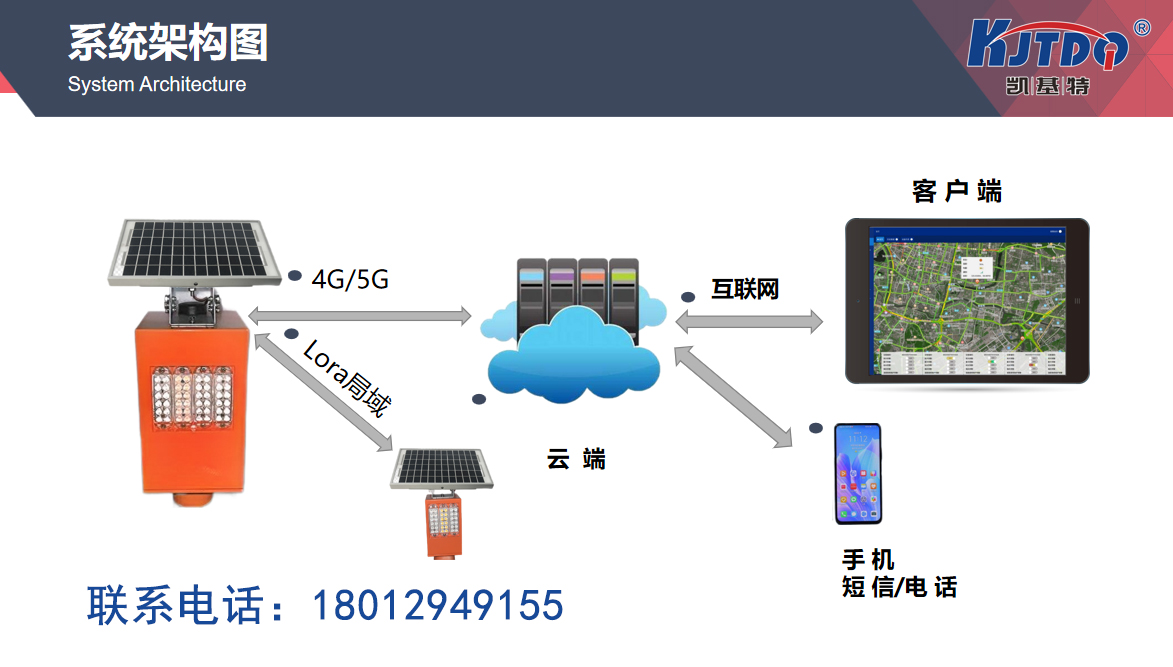
In modern transportation, safety has always been one of the most important topics. With the continuous advancement of technology, traditional road safety measures have gradually fallen behind the increasingly complex traffic demands. At this time, road safety sensor systems emerged as an important force in safeguarding road safety. It provides comprehensive protection for our daily travel through advanced technological means, like a pair of invisible "eyes" that always pay attention to everything around us, ensuring that every trip is safe and worry free.
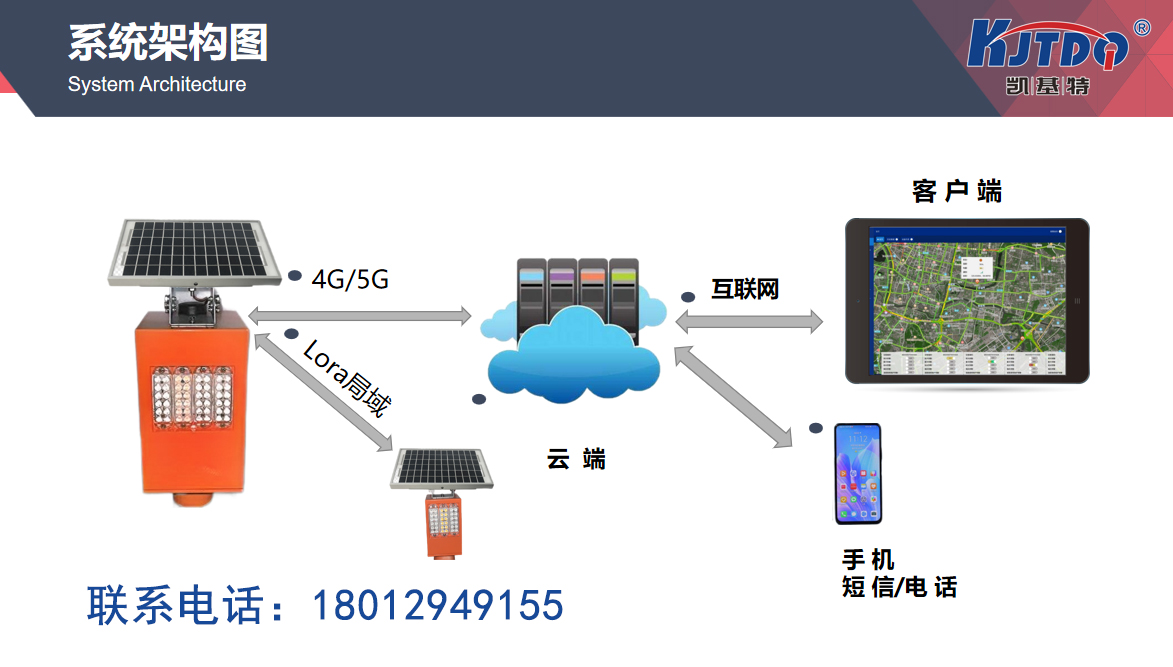
The road safety sensor system is an intelligent system that integrates multiple sensing technologies, capable of real-time monitoring of various traffic safety related information such as road conditions, traffic flow, weather conditions, etc. These sensors are widely used in roads, tunnels, bridges, and other traffic arteries, helping management departments to timely understand and respond to various problems that may arise on the road through real-time data collection. These data include vehicle speed, distance between vehicles, road smoothness, visibility, and so on. By analyzing this information, road safety sensor systems can quickly respond, such as automatically adjusting traffic signals in case of emergency or issuing warnings to drivers through electronic signs.
With the development of technology, the functions of road safety sensor systems have become increasingly powerful. Modern sensors can not only monitor basic traffic information, but also perceive more complex environmental changes, such as sudden weather changes, road icing, and other extreme situations. All of this provides the traffic management department with a more comprehensive basis for judgment, enabling them to take measures in a timely manner to avoid accidents. The road safety sensor system is not only a "good helper" for traffic managers, but also a "guardian" for drivers. Through an intangible network, it always pays attention to every detail on the road, ensuring everyone's travel safety.
In practical applications, road safety sensor systems have demonstrated tremendous value. For example, in some road sections with high traffic flow and frequent accidents, these sensors can help management departments better guide traffic and reduce congestion. At the same time, in areas prone to natural disasters, such as mountainous and coastal areas, sensor systems can monitor potential disaster risks, such as landslides and floods, and issue timely warnings to protect the safety of passing vehicles. Not only that, the sensor system can also optimize the configuration of traffic signals through data analysis, improve traffic efficiency, and reduce traffic accidents caused by long waiting times.
However, road safety sensor systems are not perfect. Firstly, the deployment and maintenance costs of the system are relatively high, especially in some remote areas where it is still difficult to achieve comprehensive coverage. In addition, although sensor systems can collect large amounts of data, how to effectively analyze and utilize this data remains a challenge. As the number of sensors increases, the amount of data will also multiply. Without a powerful data processing and analysis system, it may lead to data overload, which in turn affects the efficiency and accuracy of the system.
However, the role of road safety sensor systems in ensuring road safety cannot be ignored. It greatly reduces the incidence of traffic accidents and improves the overall safety level of roads through real-time monitoring and intelligent analysis. In the future, with the further development of technology, we have reason to believe that road safety sensor systems will become more intelligent and automated, capable of self-learning and adapting to different road environments, providing us with more reliable safety guarantees for our travels.
In the future road traffic system, road safety sensor systems will play an increasingly important role. It is not only a technological means, but also a manifestation of social responsibility. Through continuous optimization and upgrading, the road safety sensor system will continue to safeguard our travel, reduce the possibility of accidents, and improve travel efficiency and safety.
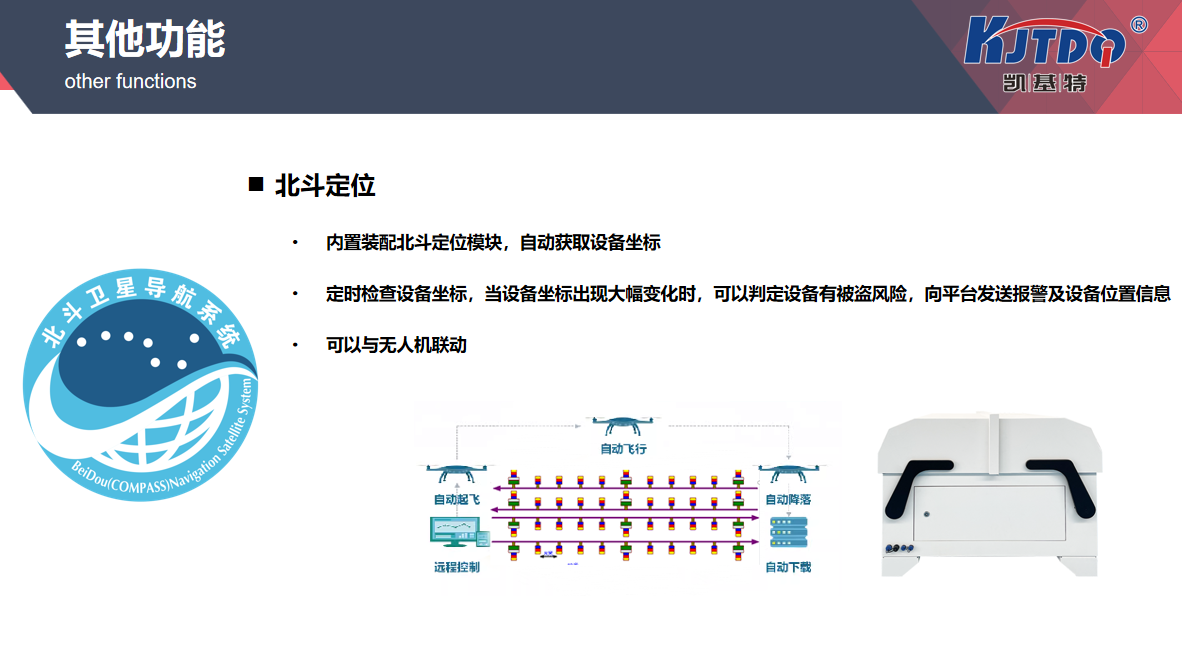
Overall, road safety sensor systems are an indispensable part of modern traffic management. It provides a new solution for road safety, ensuring that every traveler can safely reach their destination. In the future, with the continuous advancement of technology, this system will further develop and bring more convenience and security to our lives. The road safety sensor system is gradually becoming an indispensable part of our daily lives, safeguarding the safety of every traveler.
1. How does the road safety sensor system protect the safety of drivers in daily driving?
The road safety sensor system plays a critical protective role in daily driving by monitoring changes in the road and traffic environment in real-time through various sensors. These sensors can detect potential hazards on the road, such as vehicles traveling too fast, approaching too close, slippery or obstructed surfaces. When the system detects these potential risks, it can issue timely warnings to remind the driver to take corresponding measures, such as slowing down, changing lanes, or braking.
In addition, the system can also be used in conjunction with intelligent traffic signals to automatically adjust the time interval of signal lights based on real-time road condition data, reducing traffic conflicts at intersections and lowering the likelihood of accidents. In extreme weather conditions, such as fog, rainstorm or snow cover, the sensor system can monitor the visibility and road conditions in real time, and provide warning information to drivers through electronic notice boards, so that they can drive more carefully in dangerous conditions.
Overall, safety sensor systems provide timely alerts and recommendations by continuously "observing" the road environment, safeguarding the safety of drivers and reducing the likelihood of accidents.
2. What are the main challenges in installing road safety sensor systems?
Although road safety sensor systems have significant advantages, they also face some challenges in practical installation and promotion. Firstly, there is the issue of cost. The cost of high-quality sensors, data acquisition equipment, and analysis systems is relatively high, especially in large cities or extensive highway networks, where comprehensive deployment of these systems requires significant investment. In addition, the maintenance and updates of the system also require continuous investment to ensure that it is always in optimal working condition.
Secondly, technological complexity is also a challenge. The road safety sensor system involves the integration of various complex technologies, including sensor technology, data communication, cloud computing, and artificial intelligence. The coordinated operation of these technologies requires professional technical personnel for installation, debugging, and maintenance, and in some resource scarce areas, the shortage of professional personnel may limit the popularization of the system.
In addition, data privacy and security issues cannot be ignored. The large amount of data collected by sensor systems may contain sensitive information such as vehicle location and driving path. Ensuring that this data is not abused or leaked is also an important challenge.
3. How can road safety sensor systems help reduce traffic congestion?
The road safety sensor system has played a positive role in reducing traffic congestion. Firstly, sensors can monitor traffic flow, vehicle speed, and road occupancy in real-time, which can be used to optimize the configuration of traffic signals. For example, during peak hours, the system can automatically extend the green light time in certain directions to reduce congestion on lanes with high traffic flow.
Secondly, the sensor system can identify accidents or road closures and quickly respond by automatically adjusting traffic signals on surrounding roads, directing vehicles to detour, and thereby reducing the pressure on the main road. For emergencies such as traffic accidents or sudden weather changes, sensor systems can monitor in real-time and send warnings and suggested routes to drivers through electronic road signs or mobile applications.
In addition, the system can identify the patterns and trends of traffic flow through long-term data accumulation and analysis, thereby helping urban planners better design and adjust road layouts, and further alleviate traffic congestion problems.
4. What is the role of road safety sensor systems in intelligent transportation?
The road safety sensor system is a core component of the Intelligent Transportation System (ITS), which provides powerful support for traffic management through real-time data collection and analysis. Sensor systems can monitor traffic flow, vehicle behavior, and road conditions in real-time, providing a reliable foundation for intelligent transportation systems.
In intelligent transportation systems, the role of sensor systems is not limited to safety monitoring, but also includes functions such as optimizing traffic signal control, dynamic traffic management, and intelligent navigation. For example, through real-time monitoring of traffic flow, sensor systems can help intelligent transportation systems automatically adjust the timing of traffic lights, reduce unnecessary waiting time, and improve traffic flow.
In addition, sensor systems can be combined with vehicle networking technology to provide communication support for vehicle to vehicle and vehicle to infrastructure, enabling vehicles to obtain real-time information on the road ahead and potential risks, thereby improving driving safety and efficiency. With the development of autonomous driving technology, sensor systems will further play a role in providing more accurate environmental perception information for autonomous vehicles, ensuring the safety and reliability of autonomous driving.