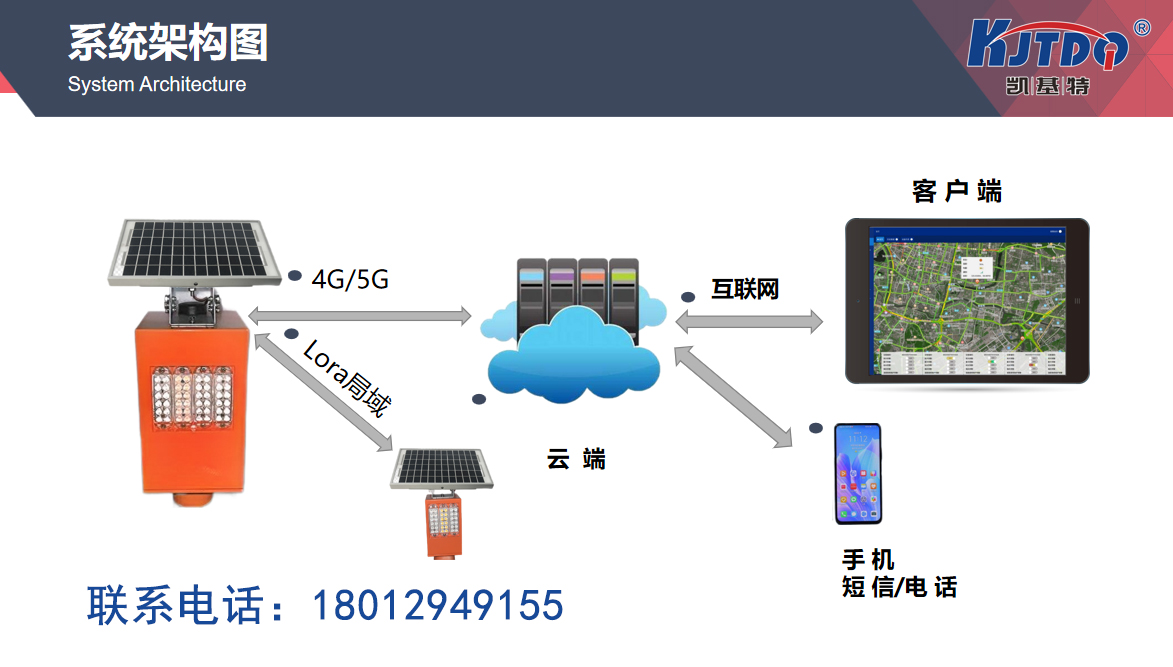
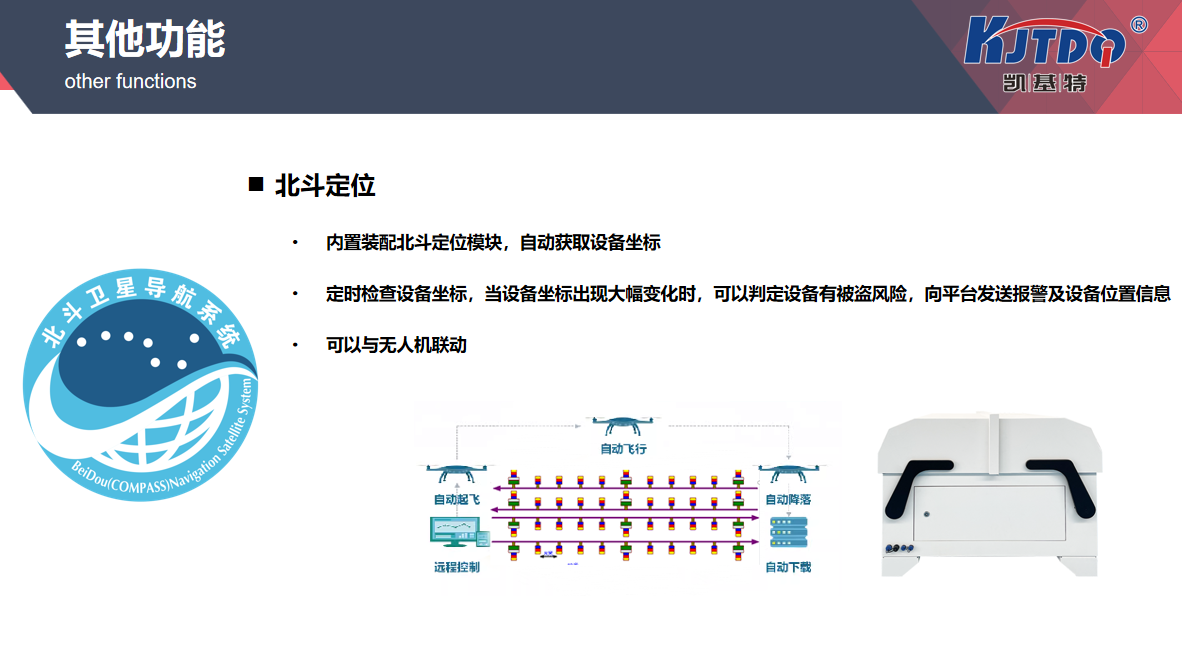
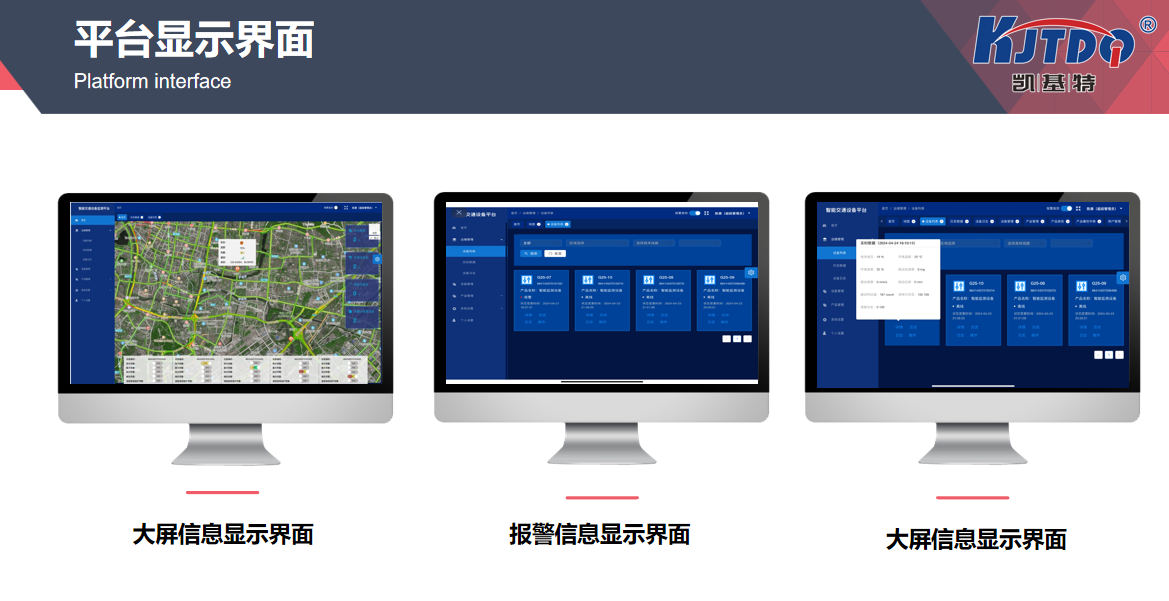
With the acceleration of urbanization and the continuous increase of traffic flow, traditional traffic management methods are no longer able to meet the needs of modern transportation. The intelligent traffic warning solution, as an emerging technological means, is rapidly becoming the key to solving traffic problems. These solutions significantly improve the efficiency of traffic management and road safety by integrating advanced technological means, providing real-time monitoring, data analysis, and warning services.
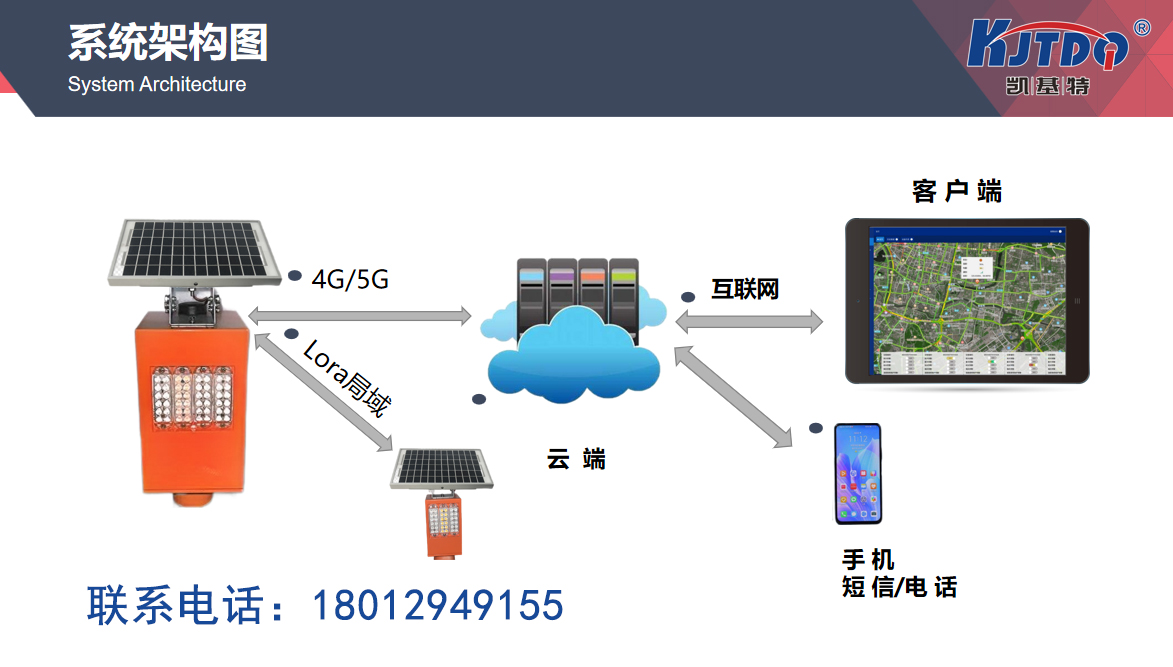
The core of intelligent traffic warning solutions lies in integrating various intelligent devices and systems to achieve real-time monitoring and dynamic management of traffic conditions. Its main functions include:
Real time data collection and monitoringThe intelligent traffic warning system collects real-time data on traffic flow, speed, distance, weather, etc. by installing sensors, cameras, and other monitoring devices on the road. These data provide the system with a comprehensive understanding of traffic conditions, enabling it to identify potential safety hazards and traffic problems in a timely manner.
Dynamic warning and notificationWhen the system detects traffic abnormalities, accidents, or weather changes, it will immediately issue a warning. These warning messages can be conveyed to drivers through various means such as electronic signs, traffic announcements, mobile applications, etc., reminding them to pay attention to road conditions, slow down or detour, and avoid possible dangers.
Intelligent decision-making and schedulingThe intelligent traffic warning system can automatically make decisions by analyzing real-time data, such as adjusting traffic signal timing, optimizing lane settings, or scheduling emergency services. This intelligent decision-making can effectively reduce traffic congestion, improve road traffic efficiency, and respond quickly to emergencies.
Data Analysis and ReportingThe system analyzes a large amount of collected traffic data, generates detailed reports, and helps traffic management departments understand the trends and problems of traffic conditions. These analysis results can be used to optimize traffic management strategies and decisions, and enhance the long-term benefits of the system.
The technical characteristics of intelligent transportation warning solutions are mainly reflected in the following aspects:
Advanced data collection technologyThe intelligent traffic warning system adopts high-precision sensors and cameras, which can collect and transmit traffic data in real time. The advancement of sensor technology has made data collection more accurate, reducing errors and delays.
Powerful data processing capabilitiesThe system is equipped with high-performance data processing units that utilize artificial intelligence and machine learning techniques to analyze real-time data. These technologies can identify complex traffic patterns, predict potential issues, and automatically generate warnings.
Real time warning and response mechanismThe system has a fast warning and response mechanism, which can immediately issue warnings and automatically adjust traffic control strategies when abnormal situations are detected. This real-time response capability ensures that the system can quickly take action in case of emergencies, reducing traffic accidents and congestion.
User friendly interfaceThe intelligent traffic warning system provides an intuitive user interface that is convenient for traffic management personnel and drivers to use. The system provides clear traffic information and warning prompts to users through mobile applications and in vehicle devices, enhancing the user experience.
The intelligent transportation warning solution has been widely applied worldwide, and the following are several typical application examples:
Urban traffic managementIn cities, intelligent traffic warning systems optimize traffic signal timing and reduce traffic congestion by monitoring traffic flow and road conditions in real-time. For example, in Shanghai, the intelligent transportation system effectively alleviates traffic pressure during peak hours by dynamically adjusting signal lights and lane settings.
Highway monitoringOn highways, intelligent traffic warning systems monitor vehicle speed, traffic flow, and weather conditions, providing real-time traffic information and warnings. For example, on highways in the United States, intelligent systems can report road conditions and weather changes in real-time, helping drivers make safe driving decisions.
Traffic safety around the schoolAround the school, an intelligent traffic warning system monitors traffic flow and speed to ensure the safety of students. The system uses electronic signs and traffic announcements to remind drivers to slow down and reduce the risk of traffic accidents near schools. For example, in London, intelligent transportation systems effectively protect the safety of students crossing the road.
Intelligent traffic warning solutions play an important role in modern traffic management, significantly improving road safety and traffic efficiency through real-time monitoring, data analysis, and intelligent decision-making. Although these solutions have achieved significant results in practical applications, they still need to be continuously improved and optimized, combined with more advanced technologies, to cope with the constantly changing transportation demands and challenges.
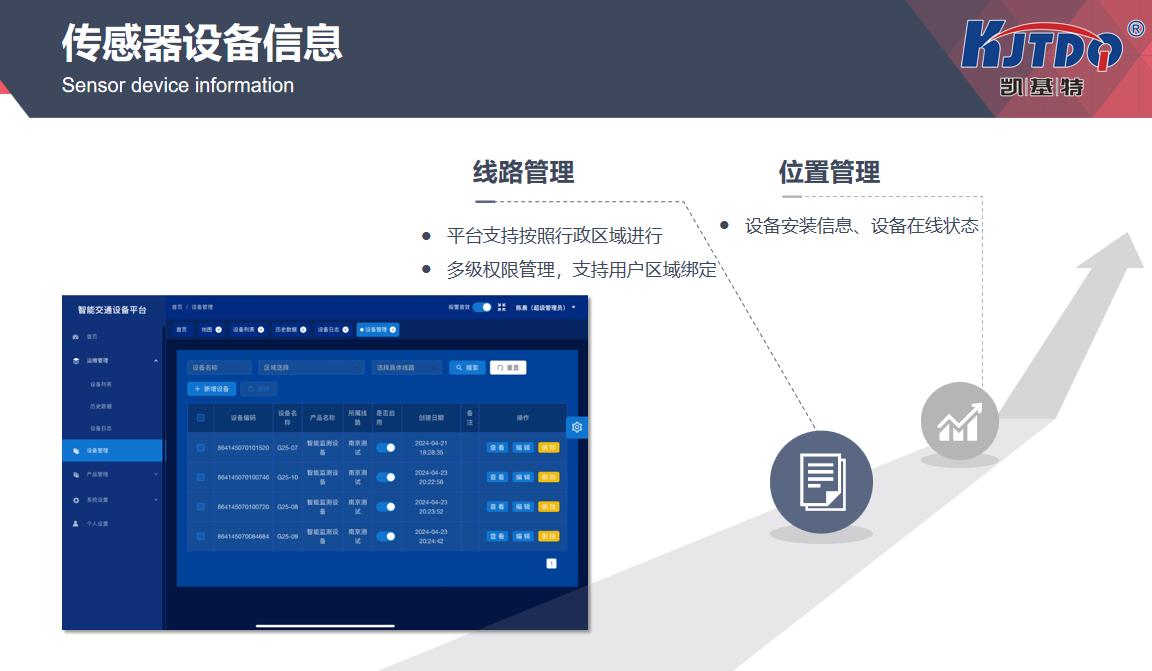
In the future, with the continuous advancement of technology, intelligent transportation warning solutions will become more intelligent and refined. We look forward to these systems continuing to bring more innovation to urban traffic management, providing a safer and more convenient transportation experience. The development of intelligent traffic warning technology will build a safer and more efficient new mode of traffic management for us.
1. How to ensure data privacy and security of intelligent transportation warning solutions?
The data privacy and security of intelligent transportation warning solutions are mainly guaranteed through the following measures:
1. Data encryption: Encrypt the transmitted and stored data to prevent it from being illegally obtained or tampered with during transmission.
2. Access control: Set strict permission management and access control to ensure that only authorized personnel can access sensitive data.
3. Security Audit: Regularly conduct system security audits and vulnerability scans to promptly identify and fix security risks.
4. Compliance: Comply with relevant data protection regulations and standards, such as GDPR, to ensure that the design and operation of the system comply with data privacy protection requirements.
2. What is the implementation time and steps of the intelligent transportation warning solution?
The implementation time and steps of intelligent transportation warning solutions usually include the following stages:
1. Requirement analysis: Determine the functional requirements and technical specifications of the system, communicate with the traffic management department and relevant parties, and develop a detailed implementation plan.
2. System design: Conduct system design and equipment selection, including hardware and software configuration, to ensure that the system can meet actual needs.
3. Equipment installation: Install sensors, cameras, and other devices on roads and traffic nodes, and perform system integration and debugging.
4. System testing: Conduct comprehensive system testing to verify the reliability and stability of system functions, and adjust and optimize system settings.
5. Training and Launch: Train operators to ensure they are proficient in using the system and officially launch it after passing testing.
6. Maintenance and optimization: After the system is launched, regular maintenance and optimization should be carried out to address operational issues and ensure long-term stable operation of the system.