In modern society, bridges are not only an important component of transportation networks, but also an important link connecting cities and rural areas. With the increase of traffic flow and the extension of bridge service life, the safety of bridges has become a focus of social attention. The bridge safety monitoring system has emerged as an important tool to ensure the safety of bridge structures. Whether it is busy urban bridges or remote rural bridges, bridge safety monitoring systems are silently playing their role, ensuring the stability and safety of every bridge.
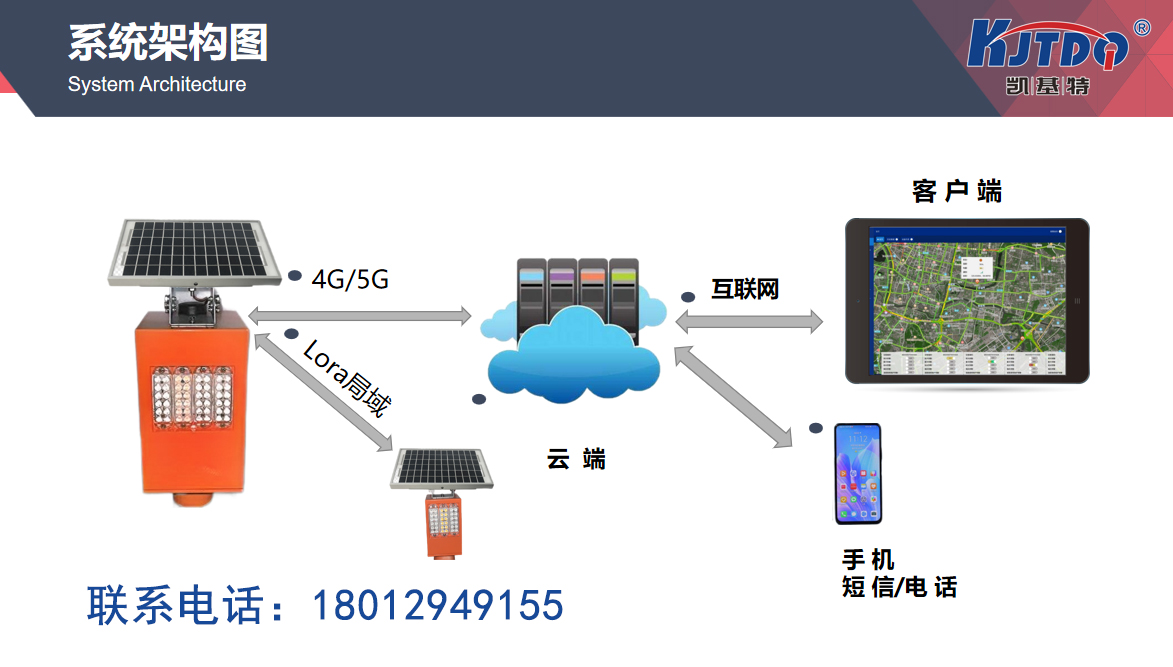
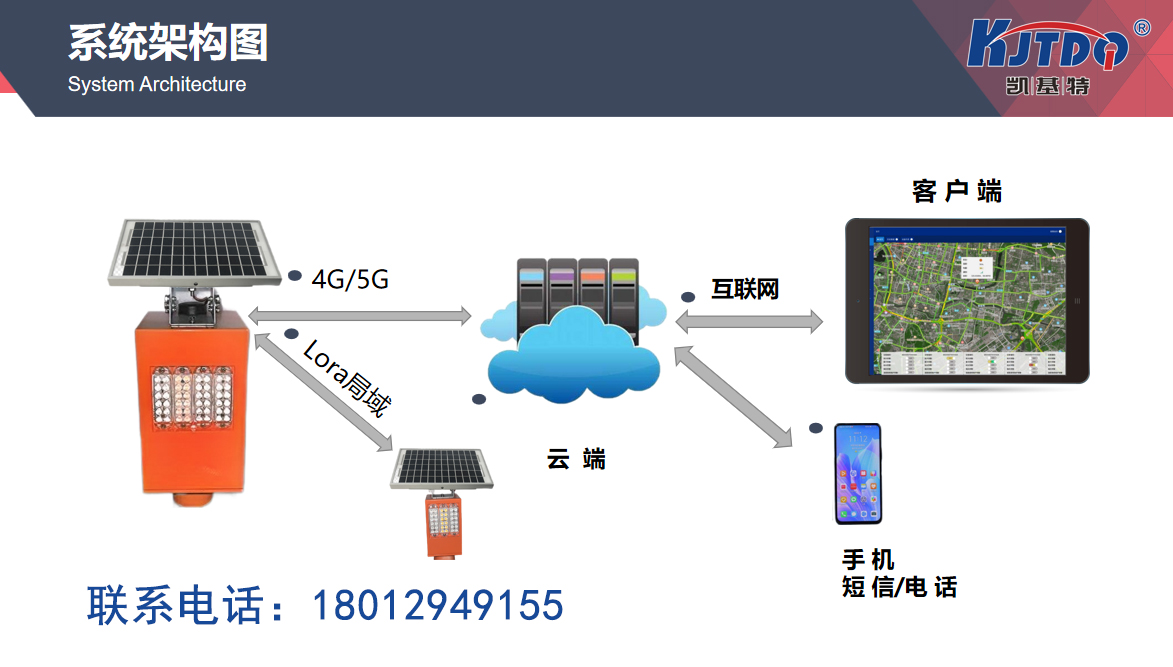
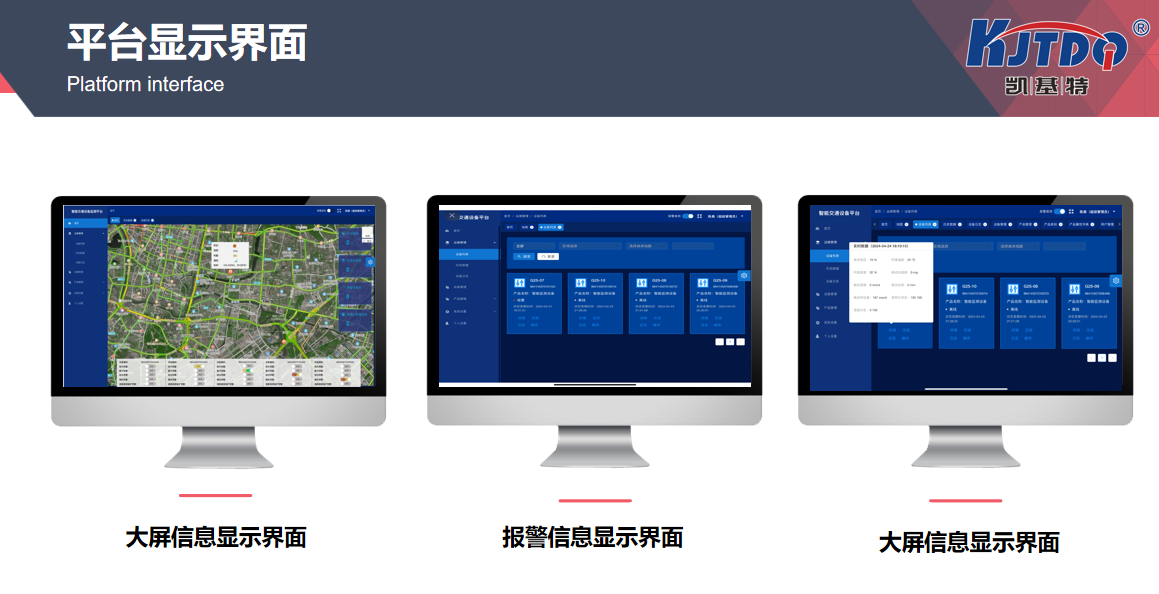
The term 'bridge safety monitoring system' may sound complex, but its function is very intuitive. Imagine the bridge you cross every day, actually guarded by an 'invisible guardian'. The bridge safety monitoring system monitors the health status of the bridge in real-time through various advanced sensors, monitoring equipment, and data analysis tools. It can timely detect structural problems of bridges, such as cracks, deformations, abnormal vibrations, etc., and feedback the information to the management department through the data transmission system, so as to take necessary maintenance measures. The emergence of this system not only improves the safety of bridges, but also reduces the possibility of sudden bridge accidents.
Firstly, the bridge safety monitoring system monitors various indicators of the bridge through sensors installed on the bridge. These sensors can collect real-time data on stress, strain, displacement, temperature, and other parameters of the bridge. The collection of these data is crucial for understanding the current status of the bridge. If abnormal data is detected from a certain sensor, the system will immediately issue an alarm to remind management personnel to conduct further checks. This real-time monitoring function can intervene in the early stages of bridge problems, thereby preventing small problems from escalating into major hazards.
Let's take a look at the role of data analysis again. The bridge safety monitoring system is not just about collecting data, it also needs to analyze this data. By analyzing long-term accumulated data, the system can discover patterns in bridge usage and predict potential issues. For example, if the stress data of a bridge continues to increase during a certain period of time, the system may predict that the bridge has been under significant pressure during this period, prompting the management department to conduct inspections and maintenance. This predictive maintenance function can effectively reduce the maintenance cost of bridges and extend their service life.
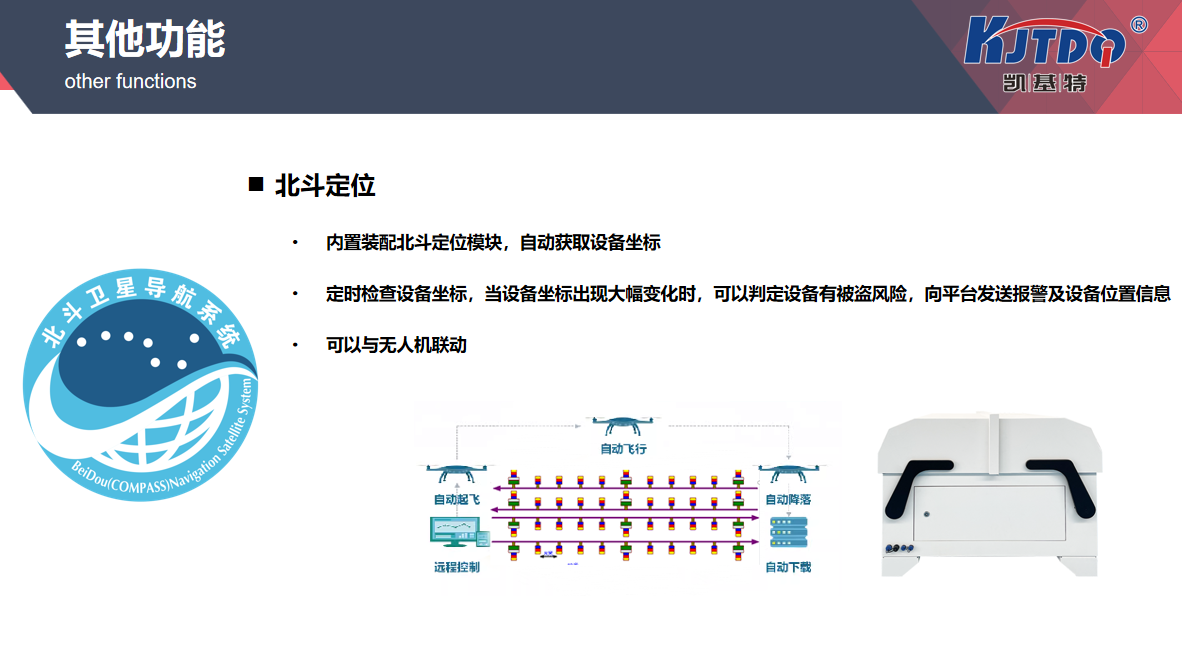
In addition to traditional sensors and data analysis, modern bridge safety monitoring systems have also introduced more advanced technologies. For example, some systems have started using drones for external inspection of bridges, obtaining panoramic images of the bridge through high-altitude photography to help identify external damage to the bridge. Some systems utilize intelligent algorithms and artificial intelligence technology to automatically analyze the health status of bridges and provide maintenance recommendations. With the continuous development of technology, bridge safety monitoring systems will become more intelligent and able to provide more accurate and comprehensive safety guarantees.
However, despite the many benefits brought by the bridge safety monitoring system, we must also recognize some of the challenges it faces. Firstly, there are limitations in technology. Although existing monitoring technologies are already very advanced, in some cases, sensors may not be able to fully capture all issues of bridges, such as hidden dangers in deep structures. Next is the processing and analysis of data. Although modern technology can collect large amounts of data, extracting valuable information from this data and taking timely action remains a technical challenge. In addition, the installation and maintenance costs of bridge safety monitoring systems also need to be considered, especially in areas with limited resources, which may become a limiting factor.
From my perspective, bridge safety monitoring systems have indeed played an important role in improving bridge safety, but we cannot rely solely on these systems to ensure the safety of bridges. Although the system can provide real-time data and warnings, the final bridge maintenance and management still rely on professional engineers and maintenance personnel. As members of society, we should also pay more attention to bridge safety, regularly inspect the use of bridges, and report any problems found in a timely manner, so as to truly achieve the safety and stability of bridges.
Overall, the bridge safety monitoring system is a major advancement of modern technology in the field of transportation infrastructure. It not only improves the safety of bridges, but also provides more guarantees for our travel. In the future, with the continuous advancement of technology, we have reason to believe that bridge safety monitoring systems will become more intelligent and precise, providing more comprehensive protection for each of our bridges. However, while enjoying the convenience brought by technology, we also need to maintain attention to bridge safety and ensure that every bridge can safely carry our travel needs.
1. What are the main functions of the bridge safety monitoring system?
The bridge safety monitoring system monitors the stress, strain, displacement, temperature and other indicators of the bridge in real time through the installation of sensors and data acquisition equipment, timely discovers structural problems of the bridge, and provides maintenance suggestions through data analysis to ensure the stability and safety of the bridge.
2. How to use bridge safety monitoring system for predictive maintenance?
The bridge safety monitoring system can identify the usage patterns and potential problems of bridges by collecting and analyzing long-term data. For example, if the system detects a continuous increase in stress data during a certain period of time, it can predict the pressure that the bridge may face and perform maintenance in a timely manner to prevent serious problems from occurring.
3. What advanced technologies are used in modern bridge safety monitoring systems?
The modern bridge safety monitoring system not only uses traditional sensors, but also introduces drones for appearance inspection and intelligent algorithms for data analysis. Some systems also use artificial intelligence technology to automatically detect and analyze the health status of bridges, and provide maintenance recommendations.