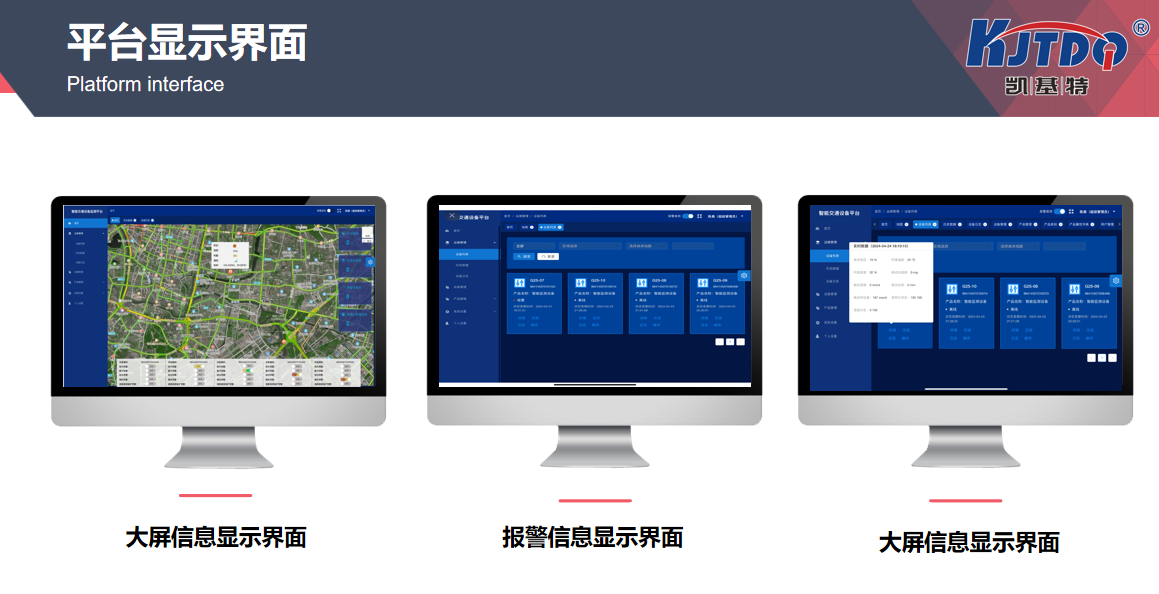
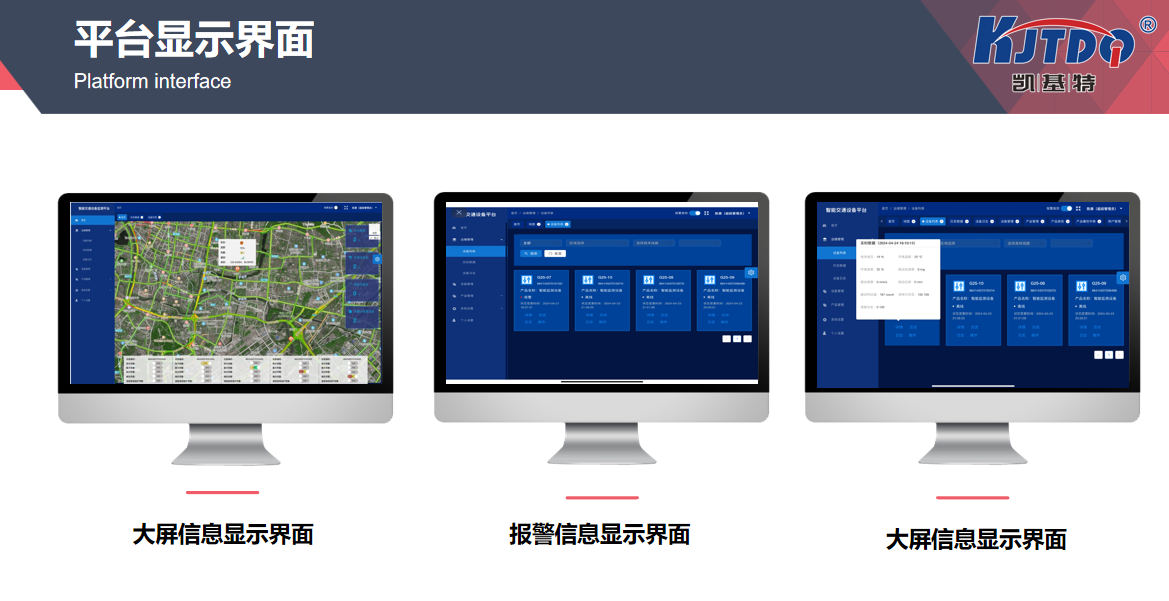
As winter approaches, low-temperature ice and snow weather frequently occurs, and road icing has become one of the high-risk factors for traffic accidents. Faced with this challenge, the emergence of road icing warning systems has brought significant help in improving road safety. This system provides real-time monitoring of road temperature, humidity, and weather changes, issuing timely warnings to help drivers take preventive measures in the face of potential dangers, thereby effectively reducing traffic accidents caused by road icing.
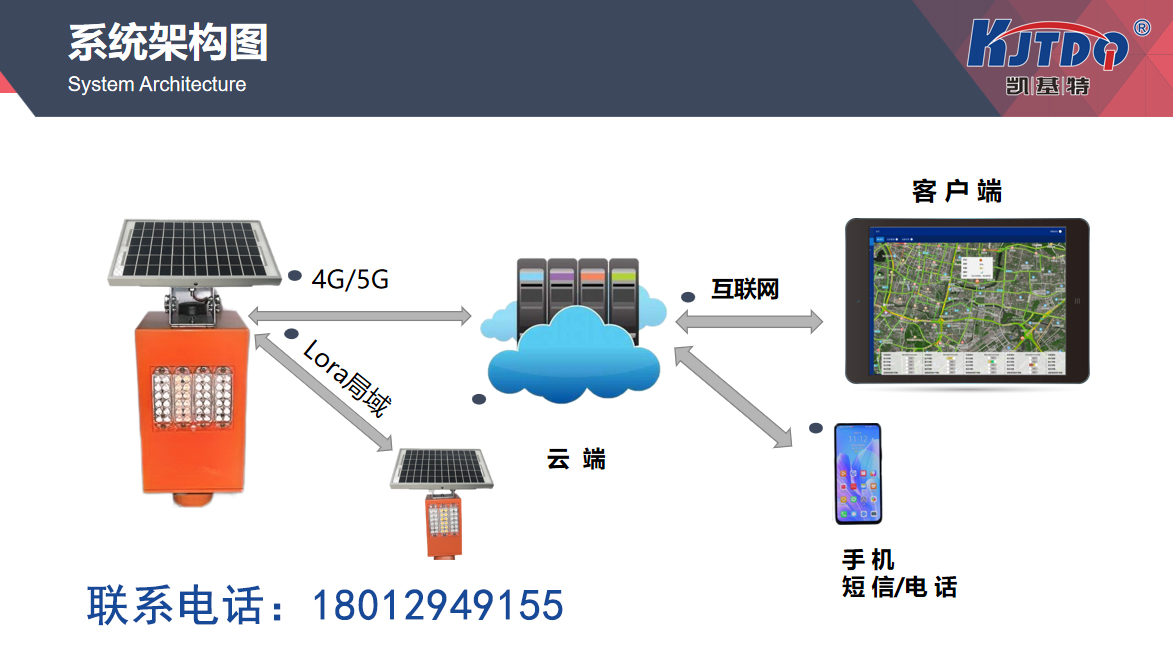
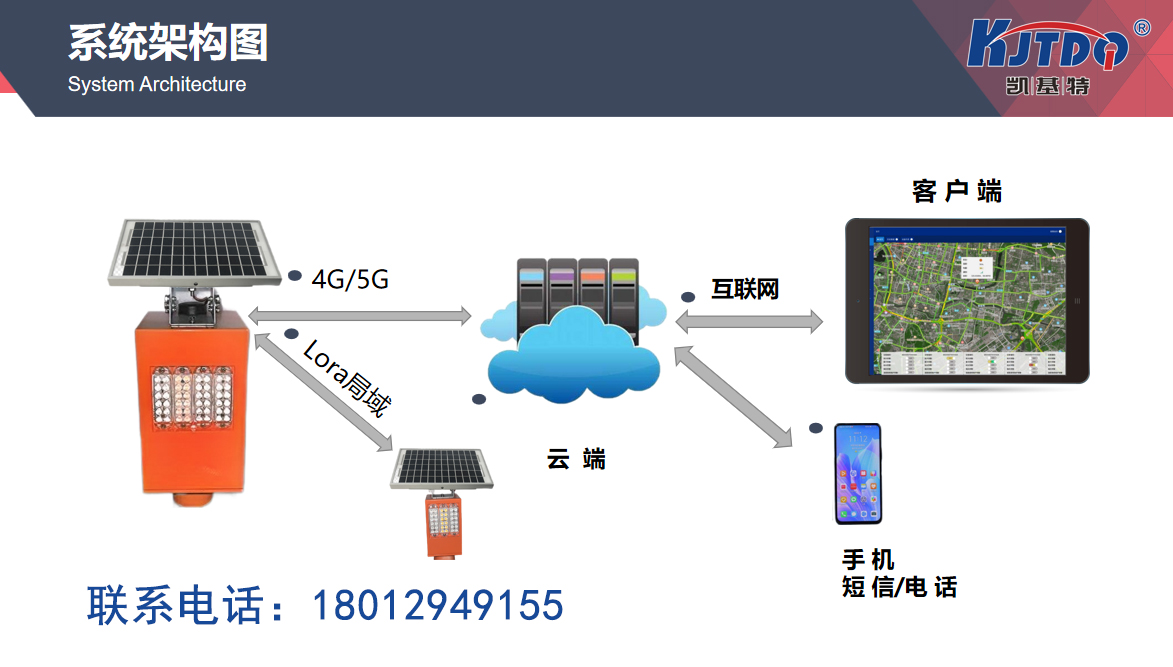
The working principle of the road icing warning system is based on a series of advanced sensors and monitoring equipment. These devices are capable of accurately measuring changes in road temperature, humidity, and atmospheric environment, and transmitting this data in real-time to the central processing unit of the system. The system determines whether there is a possibility of icing on the road surface through comprehensive analysis of these data. Once the road surface temperature is detected to be close to or below freezing point and the humidity reaches a certain level, the system will automatically issue a warning signal to alert the driver to the risk of road icing and suggest slowing down or choosing another route.
In addition to providing real-time warnings, the road icing warning system can also provide scientific decision-making basis for traffic management departments. Through big data analysis, the system can identify which road sections are prone to icing and predict the road conditions for a period of time in the future. These pieces of information can help traffic management departments take preventive measures in advance, such as spreading snow melting agents on ice prone roads or closing dangerous roads under extreme weather conditions, thereby further reducing the incidence of accidents.
The advantages of the road icing warning system are not only reflected in accident prevention, but also in its wide range of application scenarios. This system plays an important role not only on highways, but also on urban roads, rural roads, airport runways, bridges, and other places. Especially in bridge and elevated sections, as these areas are more susceptible to low temperatures and have a higher risk of road icing, more precise monitoring and warning are needed. The icing problem on airport runways is particularly related to aviation safety, and the application of road icing warning systems here can greatly reduce the risks of aircraft taxiing, takeoff, and landing.
In addition, with the development of intelligent transportation systems, road icing warning systems are gradually being integrated with autonomous driving technology. In the future, autonomous vehicles will be able to directly receive road icing warning information through their onboard systems and automatically adjust their driving strategies based on this information. This not only improves the safety of driving, but also enhances the practicality and reliability of autonomous driving technology.
However, the promotion and application of road icing warning systems still face some challenges. Firstly, there is the issue of system construction and maintenance costs, especially in economically underdeveloped areas, which may become an obstacle to promotion. Secondly, the reliability of the system and the accuracy of data, especially under extreme weather conditions, how to ensure the stable operation of the system and provide accurate warning information, is an urgent problem to be solved. In addition, the driver's acceptance and usage habits are also key factors affecting the effectiveness of the system. How to improve drivers' awareness and usage of this system through education and publicity will directly affect its promotion effectiveness.
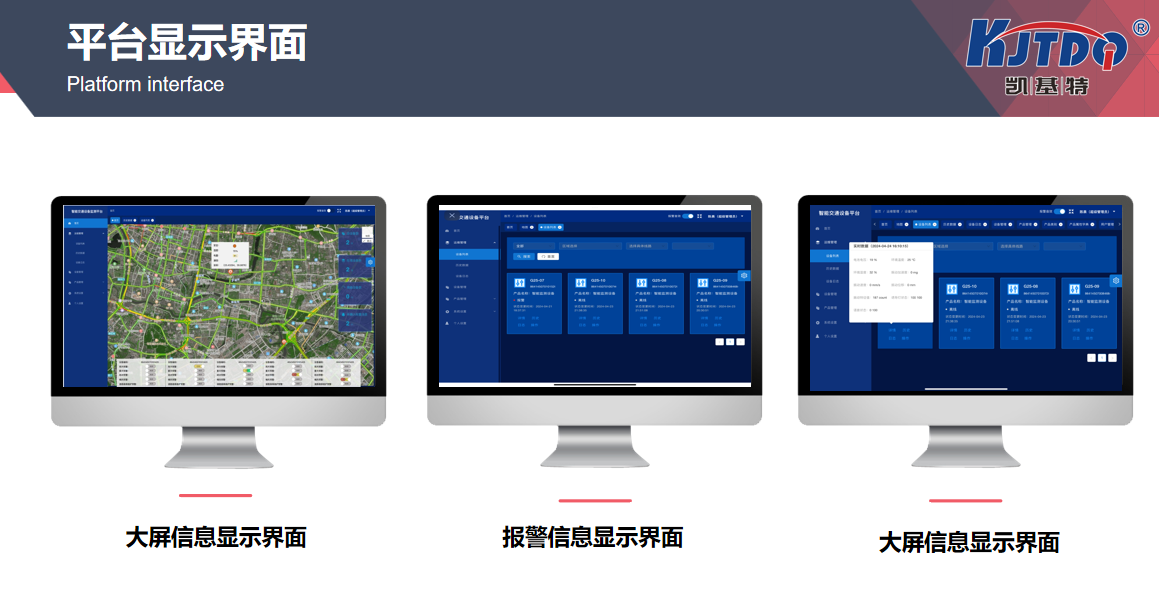
Overall, the road icing warning system provides an efficient and reliable solution for improving winter driving safety. It not only reduces traffic accidents caused by road icing through real-time monitoring and warning, but also provides scientific decision support for traffic management departments. From my perspective, the government and enterprises should increase investment in this field and promote the application of road icing warning systems in more regions. At the same time, relevant departments should also strengthen the education and training of drivers, improve their awareness and level of use of this system. Only through multi-party efforts can this advanced technology be truly transformed into practical safety benefits and build a safer and smoother winter transportation environment.
1. How does the road icing warning system ensure the accuracy of data?
The road icing warning system monitors environmental factors such as temperature, humidity, and wind speed in real-time through multiple sensors. These sensors are precisely calibrated to provide highly accurate data. At the same time, the system will ensure the accuracy and timeliness of warning information by cross comparing data from multiple sensors. In addition, the system will dynamically adjust based on historical meteorological data and current weather trends to improve the accuracy of warnings.
2. How effective is the application of road icing warning system in bridges and elevated sections?
Bridges and elevated road sections are more prone to icing under low temperature conditions due to their good air circulation, which increases the risk of driving. The application of road icing warning system is particularly important in these areas. By monitoring real-time changes in road temperature and humidity, the system can detect signs of icing in advance, issue timely warnings, and remind drivers to slow down or take other safety measures. This effectively reduces traffic accidents caused by icing on bridges and elevated sections.
3. Is the installation and maintenance cost of the road icing warning system high?
The installation and maintenance cost of the road icing warning system depends on the size of the monitoring area, the number of required equipment, and the complexity of the system. Although the initial investment is relatively high, considering that the system can significantly reduce traffic accidents caused by road icing, thereby reducing accident handling and rescue costs, in the long run, the system has high economic benefits. In addition, with the advancement of technology and large-scale application, the installation and maintenance costs of the system are gradually decreasing.
4. How can the road icing warning system be combined with autonomous driving technology?
With the development of autonomous driving technology, road icing warning systems are gradually being integrated with autonomous vehicles. When the system detects the risk of road icing, the warning information can be directly transmitted to the autonomous vehicle, and the vehicle will automatically adjust its speed, control direction, and choose a safer driving route based on the warning information. This combination not only improves the safety of autonomous driving, but also makes the application of autonomous driving technology more reliable in complex weather conditions.