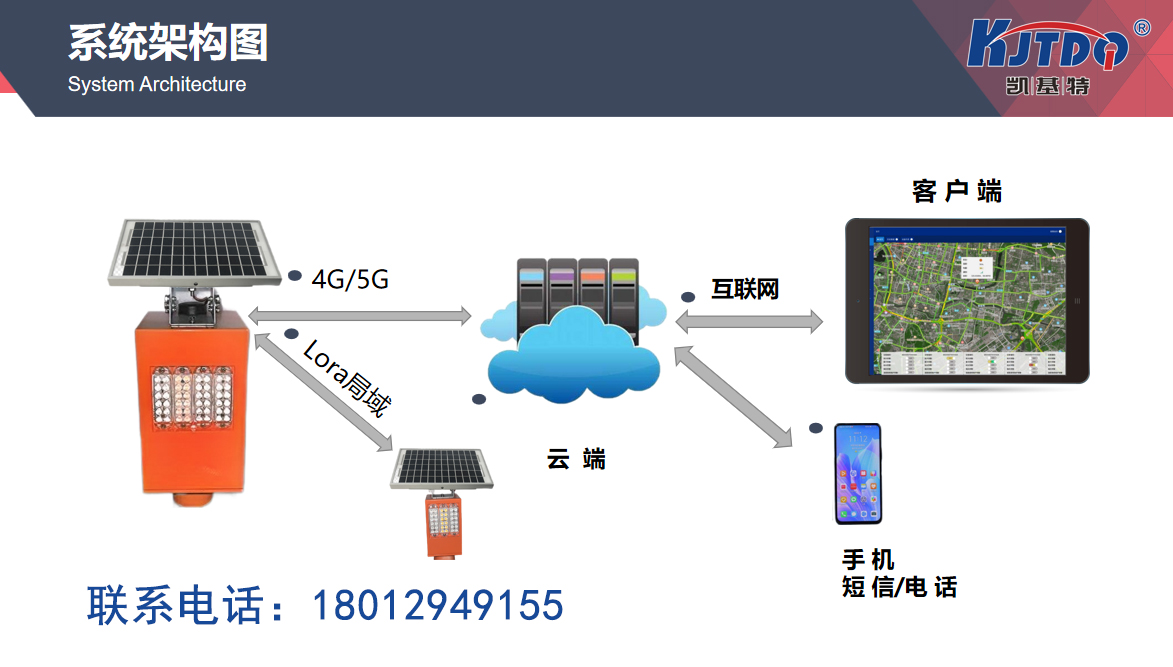
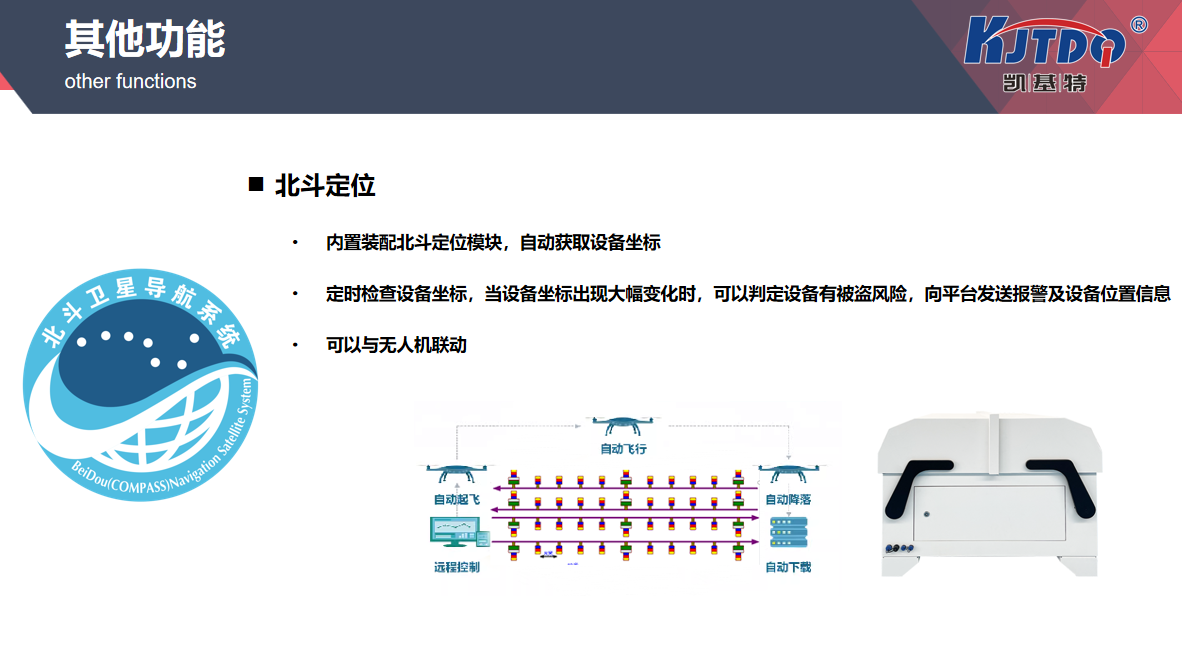
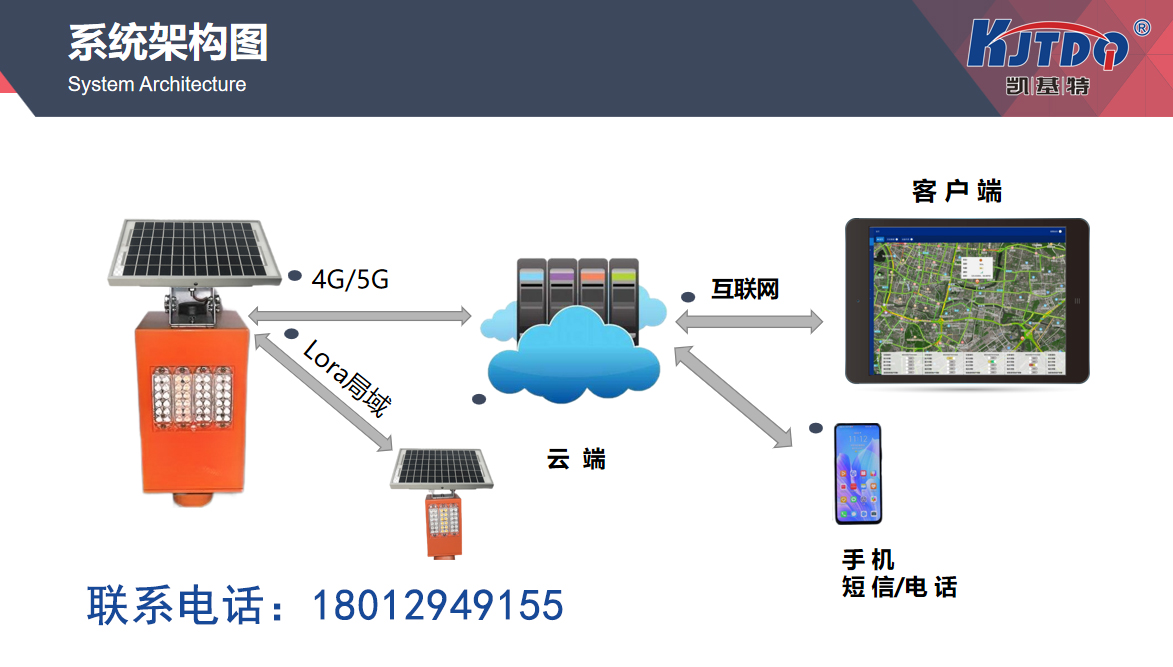
Highways are an important component of modern transportation, providing convenience for people's lives and economic development. However, with the increase of traffic flow and weather changes, safety hazards on highways are also increasing. In response to these challenges, the emergence of real-time warning systems on highways has brought new guarantees for road safety. The core idea of this system is to use high-tech means to monitor and warn of potential dangers on the road in real time, ensuring that drivers can take timely measures to avoid accidents.
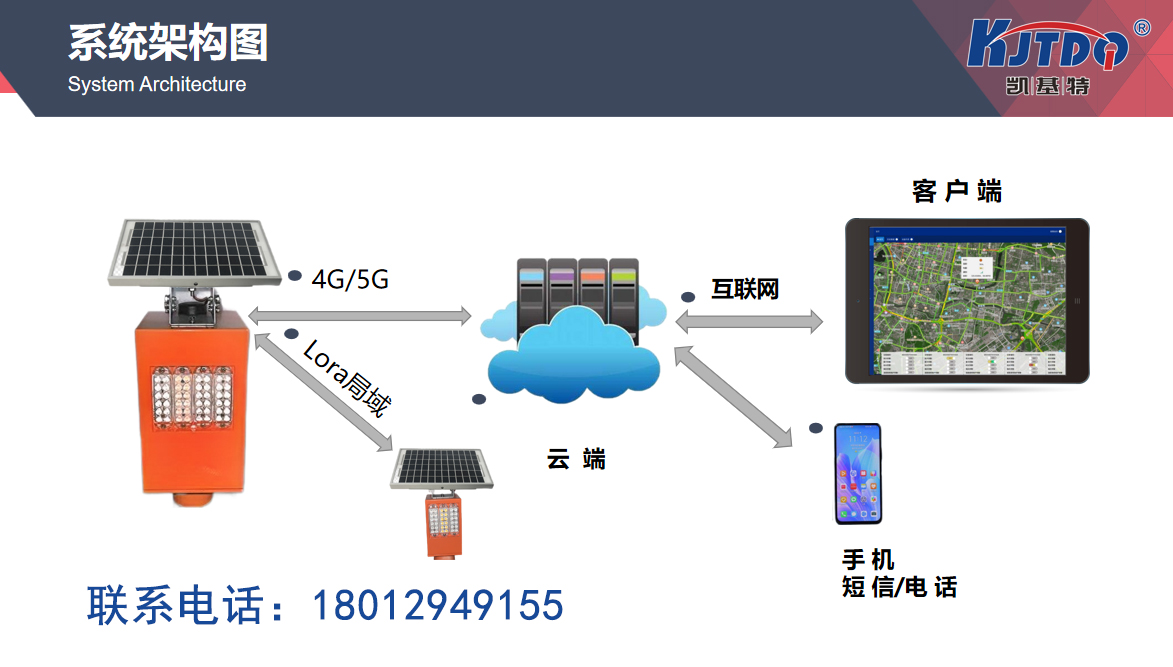
Firstly, let's talk about what is a real-time warning system for highways. Simply put, it is a system that can monitor highway conditions in real-time and quickly alert drivers when potential dangers arise. By installing cameras, sensors, and weather monitoring equipment on the roadside, this system can collect road information 24 hours a day without interruption. Whether it is a sudden traffic accident, adverse weather conditions, or construction on the road ahead, this information will be quickly transmitted to the vehicles in motion through the warning system, allowing drivers sufficient time to react.
Speaking of which, many people may ask: How effective is this system? In fact, facts speak louder than words. In the past few years, many countries and regions have started deploying real-time warning systems for highways and have achieved significant results. For example, in certain high-speed sections with high accident rates, the introduction of warning systems has significantly reduced traffic accident rates, especially those caused by sudden weather changes or emergencies, which have been effectively controlled. This reflects the enormous potential of technology in protecting the safety of life and property.
Next, let's take a closer look at how this system actually works. When we are driving on the expressway, we are often caught off guard when we suddenly encounter an accident ahead, icing on the road or sudden rainstorm. The real-time warning system for highways can alert drivers in advance of these dangerous situations through on-board displays, mobile phone notifications, or electronic road signs. For example, when the system detects that the road ahead has become slippery due to ice and snow weather, it will quickly send information to the driving vehicle, prompting the driver to slow down or suggest taking a detour. This early warning method greatly reduces the risk of accidents caused by sudden changes in road conditions.
Of course, the real-time warning system for highways is not just about responding to weather changes and sudden accidents, it also has more intelligent functions. For example, through data analysis, it can predict changes in traffic flow on certain road sections during specific time periods, and provide advance notice of possible traffic congestion situations. This information is particularly important for those who need to drive long distances, as it can help them plan their trips more reasonably, avoid entering congested roads during peak hours, and save time and fuel costs.
For example, when there is a vehicle malfunction or accident on the highway, the real-time warning system will immediately capture this information and convey the accident situation to the vehicles behind within a few seconds. This rapid response mechanism not only effectively prevents the occurrence of secondary accidents, but also helps relevant rescue departments to quickly arrive at the scene, reducing the injuries and losses caused by accidents.
For the majority of driver friends, the biggest advantage of this system is that it can significantly reduce the uncertainty during the driving process. You should know that every second on the highway is a matter of life and death, and even a slight mistake can lead to a major disaster. With the real-time warning system on highways, drivers can adjust their driving behavior in a timely manner after receiving warning information, thereby avoiding dangerous situations. This not only makes driving safer, but also makes every trip more reassuring.
However, the promotion and application of real-time warning systems on highways also face some challenges. Firstly, it requires a significant investment in infrastructure, including the installation of sensors, monitoring equipment, and the construction of data centers. In addition, maintaining and upgrading the system is also a long-term task to ensure that it is always in optimal operating condition. Secondly, the driver's acceptance and response speed to warning information will also affect the final effectiveness of the system. This requires gradually cultivating drivers' safety awareness and ability to respond to emergencies in the process of popularization.

Finally, I would like to say that the emergence of real-time warning systems for highways is a perfect combination of technological progress and traffic safety. In the future, with the further development and popularization of this technology, we have reason to believe that highways will become smarter and safer, and the incidence of traffic accidents will further decrease. For every driver, the real-time warning system on highways is not only a technological advancement, but also a respect and protection for life. Let us look forward to witnessing more beautiful moments on the road ahead where technology safeguards safe travel.
1. Will the real-time warning system for highways be affected by severe weather or signal interference?
The real-time warning system for highways has already taken into account factors such as severe weather and signal interference during its design. Sensors and cameras, among other devices, typically utilize advanced technology and are capable of operating normally under various extreme weather conditions. For example, in situations such as heavy rain, dense fog, and snow, the system can still accurately monitor road conditions and issue timely warnings to drivers. At the same time, in order to ensure the stability of information transmission, the system uses various communication technologies such as 5G, satellite communication, and dedicated wireless channels to ensure the rapid transmission of warning signals. Even in situations where the signal is weak or temporarily blocked, the system has backup communication channels to ensure that warning information can be promptly conveyed to each vehicle. In addition, the infrastructure of the system also takes into account the geographical environment of different regions during deployment, ensuring that the warning system can still operate stably in special road sections such as mountainous areas and tunnels.
2. How does the real-time warning system for highways handle data privacy issues?
Data privacy is a key consideration in the design of real-time warning systems for highways. The data collected by the system mainly focuses on road conditions, traffic flow, weather conditions, and other aspects, which usually do not involve personal privacy information. However, in some cases, in order to improve the accuracy of warnings, the system may need to obtain vehicle positioning data or other vehicle related information. To this end, the system strictly adheres to relevant laws and regulations in every aspect of data collection, storage, and processing, and uses encryption technology to protect the security of data. All data transmission and storage processes are encrypted, and only authorized systems and personnel can access this data. In addition, the system has also introduced data anonymization processing technology in its design, ensuring that even if data is intercepted or leaked, it cannot be directly associated with specific individuals or vehicles. This approach not only protects user privacy, but also ensures the efficient operation of the warning system.
3. Is there a plan to promote the real-time warning system for highways globally?
The successful application of real-time warning systems on highways provides positive cases and experiences for global promotion. Many countries and regions have started piloting or deploying similar systems to improve the safety and traffic efficiency of highways. For example, some countries in Europe and North America have installed real-time warning systems on major highways, achieving significant results. Given the increasing interconnectivity of global transportation networks, this system is expected to be promoted and applied in more countries and regions. However, countries will face different technological, legal, and social challenges in the promotion process, such as differences in infrastructure, differences in data privacy laws, and public acceptance of new technologies. Therefore, the process of global promotion may be tailored to local conditions and gradually promoted. International cooperation and experience sharing will become key factors in this process, especially in the fields of cross-border highway networks and international logistics transportation. The interconnection of real-time warning systems will greatly enhance the safety and efficiency of global transportation.