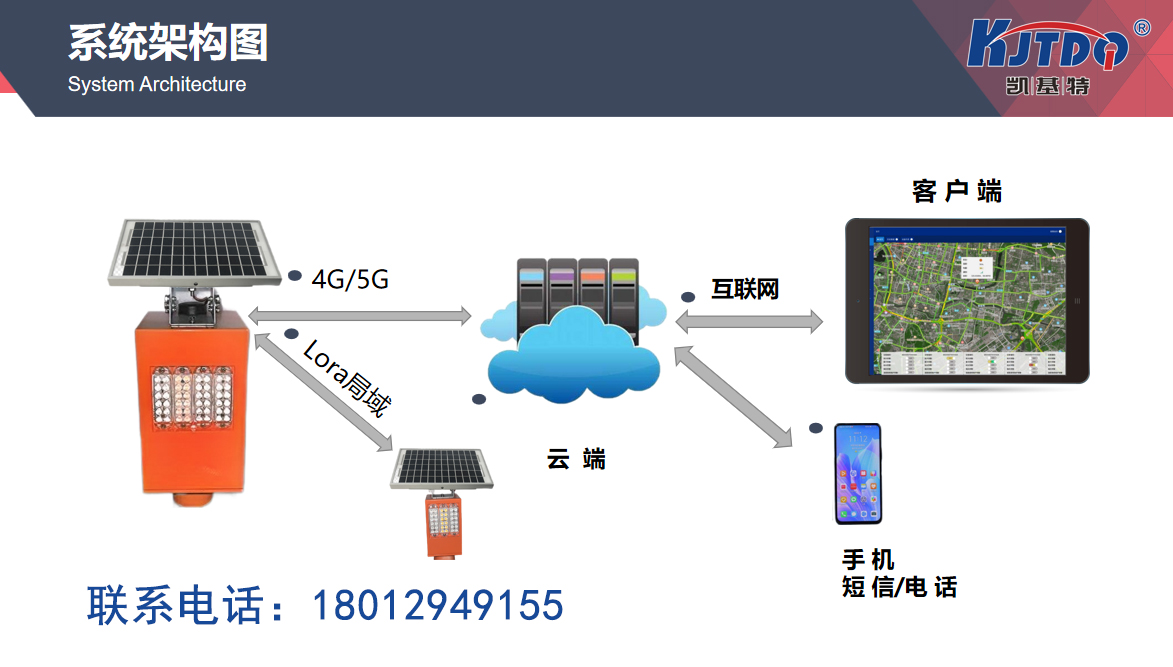
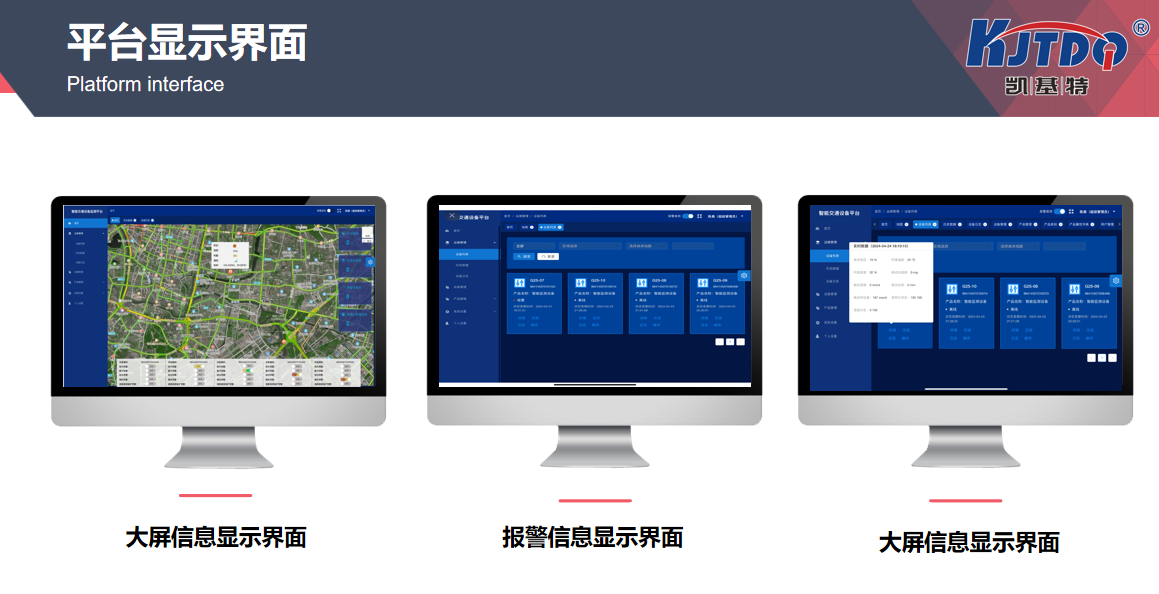
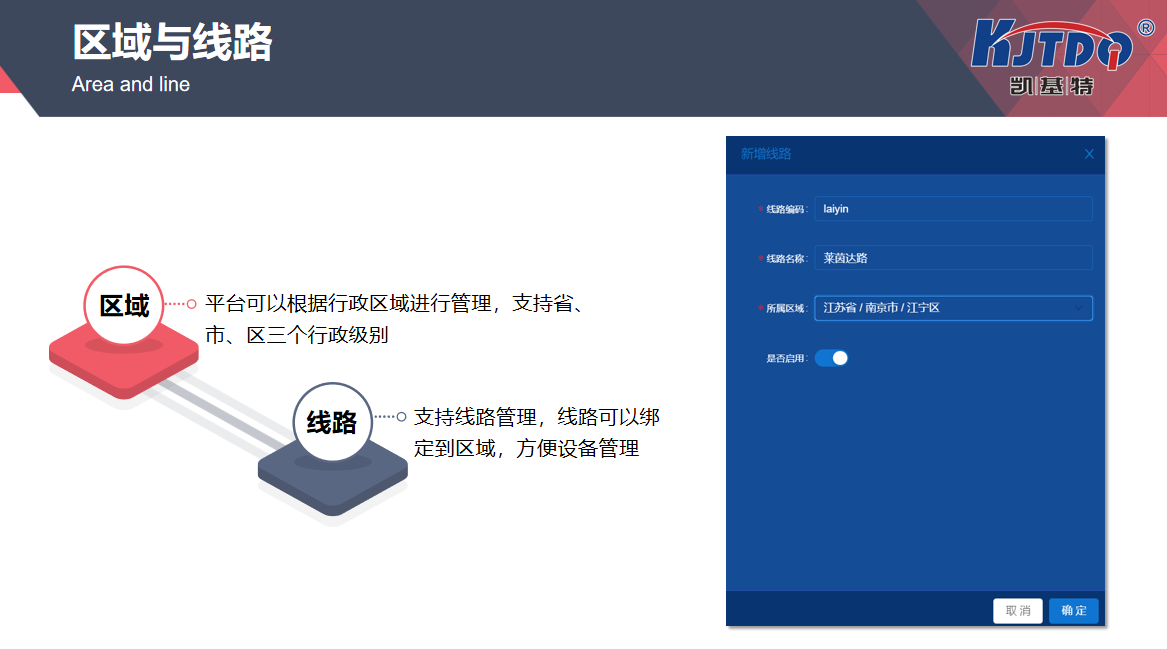
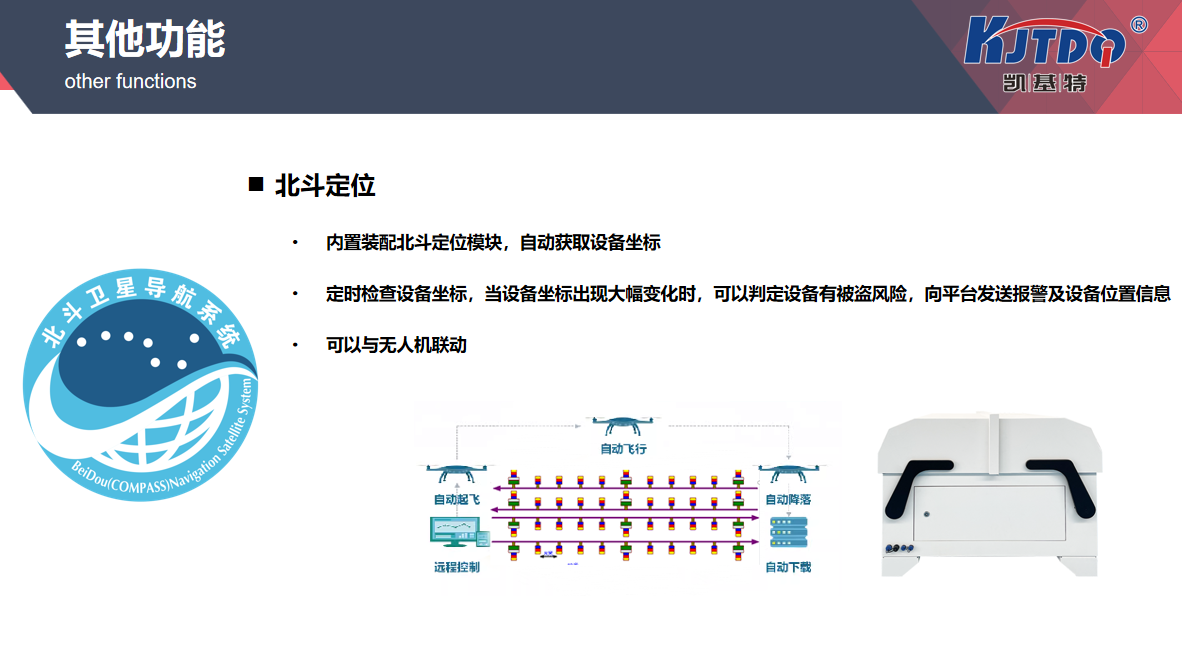
Real time monitoring of highways has become an indispensable part of modern traffic management. With the rapid increase in the number of vehicles and the continuous increase in traffic flow, how to effectively ensure the safety and smoothness of highways has become a focus of social attention. In this process, the real-time monitoring system for highways played a crucial role. By continuously monitoring real-time conditions on highways, these systems provide strong support for timely detection and resolution of traffic problems, greatly improving the safety and operational efficiency of highways.
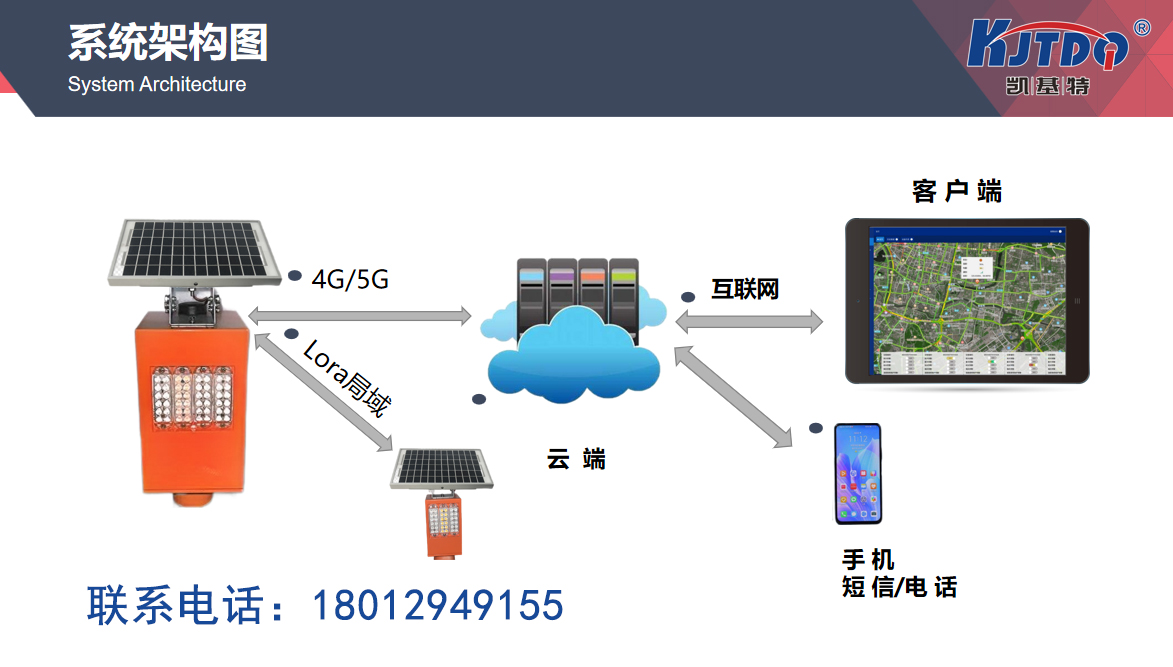
The core of the real-time monitoring system for highways lies in its "real-time" and "intelligence". Through advanced monitoring equipment and sensors, these systems can continuously monitor various situations on highways 24/7, from traffic flow to weather changes, to emergency response. Real time monitoring systems are ubiquitous. For example, during peak traffic periods, the system can quickly identify congested road sections and alleviate traffic pressure by dynamically adjusting signal lights or guiding vehicles to divert. Similarly, real-time monitoring systems can also issue warning messages in advance before severe weather arrives, reminding drivers to pay attention to driving safety. The implementation of these functions is based on the efficient operation and accurate judgment of the real-time monitoring system for highways.
For highway management departments, the application of real-time monitoring systems not only improves their ability to control road conditions, but also greatly enhances their response speed to emergencies. Once an accident occurs, the system can immediately transmit relevant information to the command center, and the management department can quickly dispatch rescue personnel to the scene, reducing the impact of the accident on traffic. In addition, the real-time monitoring system can help managers optimize road section design and improve the overall safety level of the road through data analysis. It can be seen that the real-time monitoring system for highways is not only a tool for traffic management, but also an important barrier to ensure public safety.
For drivers and passengers, the real-time monitoring system on highways is also a "talisman" for their safe travel. Whether in daily commuting or long-distance travel, real-time monitoring systems can provide them with the latest road condition information, helping them avoid congested roads and choose the best driving route. Especially in case of emergencies or severe weather conditions, the real-time monitoring system's warning function provides drivers with early response time to avoid accidents. In this case, drivers only need to adjust their driving behavior based on the information provided by the system, which can greatly reduce driving risks.
However, the role of real-time monitoring systems on highways goes far beyond that. With the continuous advancement of technology, these systems are becoming increasingly intelligent and comprehensive. The future real-time monitoring system for highways will not only be able to monitor traffic flow and road conditions, but also have predictive and decision support functions. By combining big data and artificial intelligence technologies, the system will be able to predict potential traffic accidents or congestion situations in advance and propose corresponding solutions. In addition, with the popularization of 5G networks, the data transmission speed of real-time monitoring systems will be further improved, and the system's response speed will also be faster, providing more powerful guarantees for the safe operation of highways.
Overall, the application of real-time monitoring systems on highways has brought great convenience and safety assurance to our travel. It not only provides powerful tools for traffic managers, but also creates a safer and smoother driving environment for drivers and passengers. In the future, with the continuous advancement of technology, real-time monitoring systems for highways will play a more important role in traffic management and become the "guardian" to ensure public travel safety.
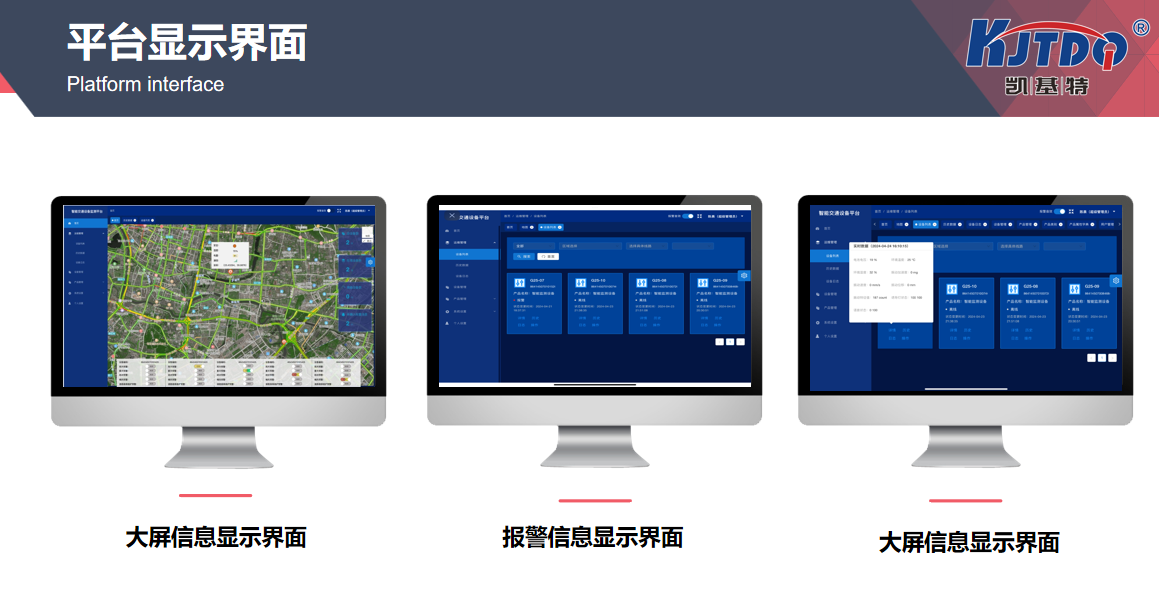
In summary, the real-time monitoring system for highways is a key component of modern traffic management. It greatly improves the safety and operational efficiency of highways through efficient and accurate monitoring and warning functions. Although the application of the system is relatively mature, with the development of technology and the continuous expansion of application scenarios, we have reason to believe that the real-time monitoring system for highways will become more intelligent and comprehensive, providing stronger support for future traffic safety and management. Therefore, both traffic managers and the public should actively promote the popularization and application of real-time monitoring systems for highways, contributing to the construction of a safer and more efficient traffic environment.
1. What is a real-time monitoring system for highways?
The real-time monitoring system for highways is a system that uses various sensors, cameras, and data analysis technologies to continuously monitor traffic flow, road conditions, weather, and emergencies on highways around the clock. It can provide real-time feedback on road conditions, helping traffic management departments and drivers respond to various situations in a timely manner, improving road safety and operational efficiency.
2. How can real-time monitoring systems on highways improve traffic safety?
The system can detect accidents, congestion, or other abnormal situations in a timely manner by monitoring road conditions in real time, and quickly issue alerts or take corresponding measures. In addition, it can also warn of severe weather and guide vehicles to detour, thereby reducing the probability of traffic accidents and ensuring the safety of drivers and passengers.
3. What are the main functions of the real-time monitoring system for highways?
The main functions include real-time monitoring of traffic flow, detection of accidents and congestion, weather warning, traffic signal optimization, and emergency response. These functions are implemented through highly integrated intelligent systems, which can significantly improve the safety and operational efficiency of highways.
4. How can drivers benefit from real-time monitoring systems on highways?
Drivers can receive the latest traffic information provided by the real-time monitoring system, including congestion, accidents, and weather warnings, through the in car navigation system or mobile applications. Based on this information, drivers can adjust their driving routes and speeds to avoid dangerous road sections, thereby reducing the risk of accidents.
5. What is the development trend of real-time monitoring system for future highways?
The future development trend includes the intelligence and comprehensiveness of the system, especially the combination of big data and artificial intelligence technology, to achieve more accurate traffic prediction and decision support. In addition, with the popularization of 5G networks, data transmission speed will be further improved, system response time will be faster, and functions will be more diversified and integrated.