Every winter, when the cold wind blows and the temperature drops sharply, the most worrying thing on the highway is road icing. This seemingly ordinary layer of ice can cause serious traffic accidents and even endanger lives. In response to this seasonal challenge, intelligent monitoring devices for highway icing have emerged as an important weapon for safeguarding winter traffic safety. These devices can predict road icing conditions in advance through real-time monitoring and intelligent analysis, providing timely and accurate warning information for drivers and traffic managers, effectively reducing accident risks, and ensuring driving safety.
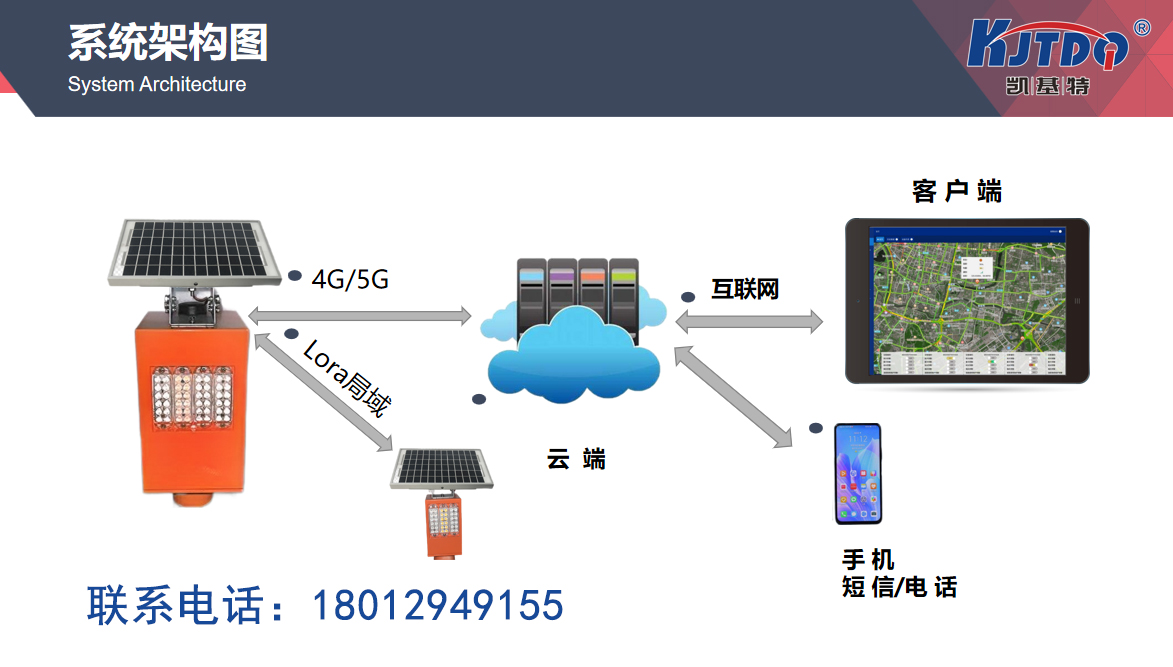
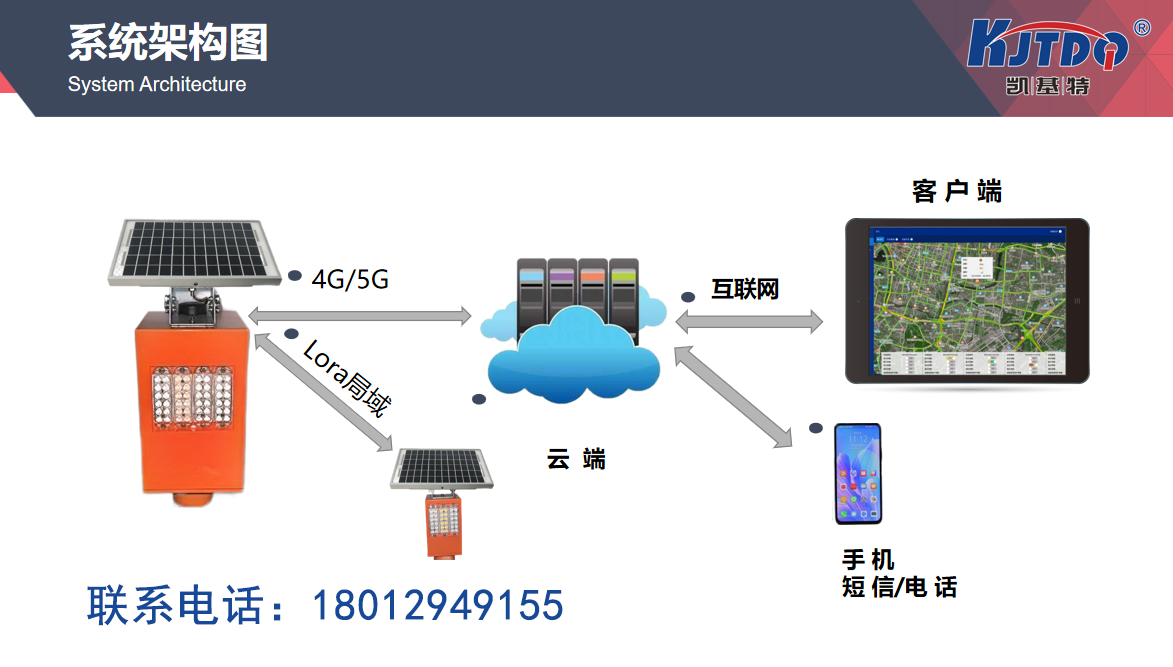
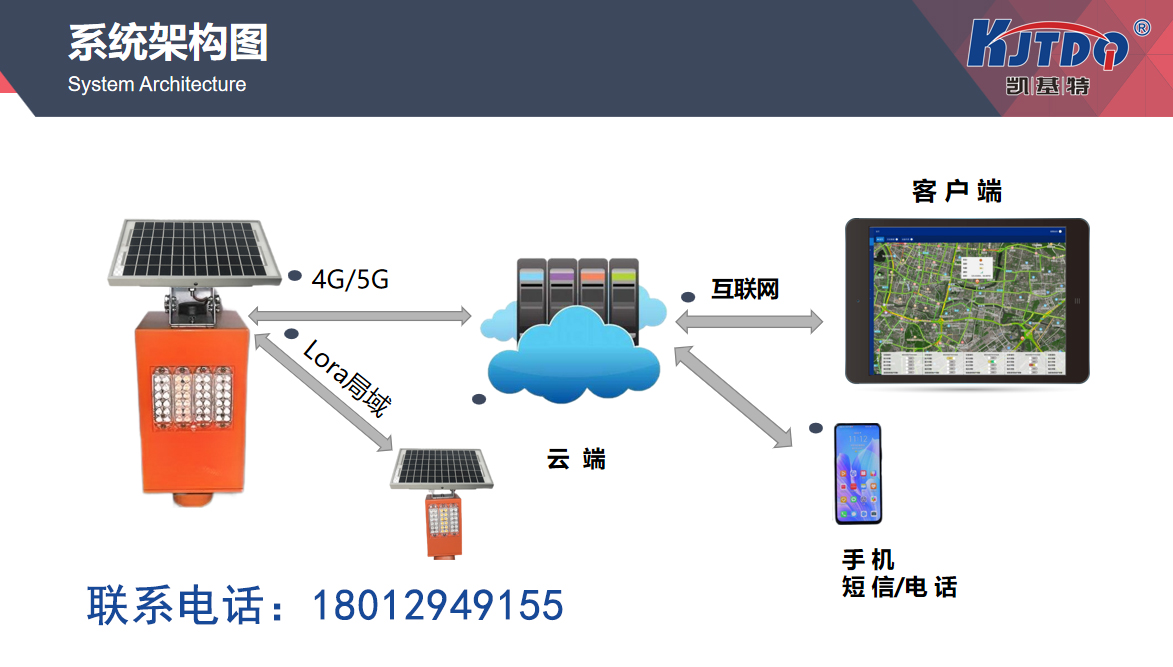
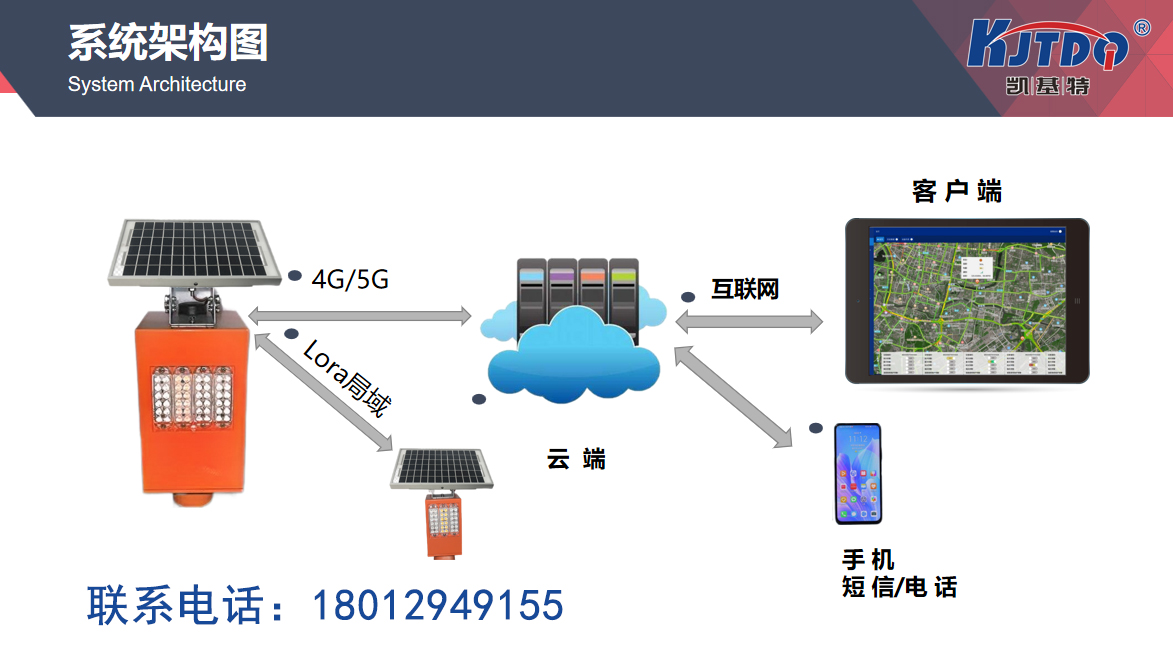
The intelligent monitoring device for highway icing may sound like a high-tech product, but its working principle is not complicated. These devices are usually installed on critical sections of highways, especially in areas prone to icing such as bridges, tunnel entrances, and bends. Through temperature sensors, humidity sensors, and other monitoring devices, these devices can detect temperature and humidity changes on the road surface 24/7. When the temperature approaches freezing point and the humidity reaches a certain critical value, the system will immediately analyze these data and determine whether there is a possibility of icing. If there is a risk of icing, the equipment will immediately issue a warning signal, remind the driver through electronic displays, broadcasts, mobile apps, or notify relevant management departments to take de icing measures.
Compared to traditional icing warning methods, intelligent monitoring devices for highway icing have many significant advantages. Firstly, it has an extremely fast response speed and can issue warnings at the beginning of road icing, avoiding drivers from entering dangerous sections without any precautions. Secondly, these devices have a high degree of intelligence and can perform precise analysis based on real-time data, reducing the occurrence of false positives and false negatives. For highway managers, this not only improves work efficiency but also saves unnecessary resource waste.
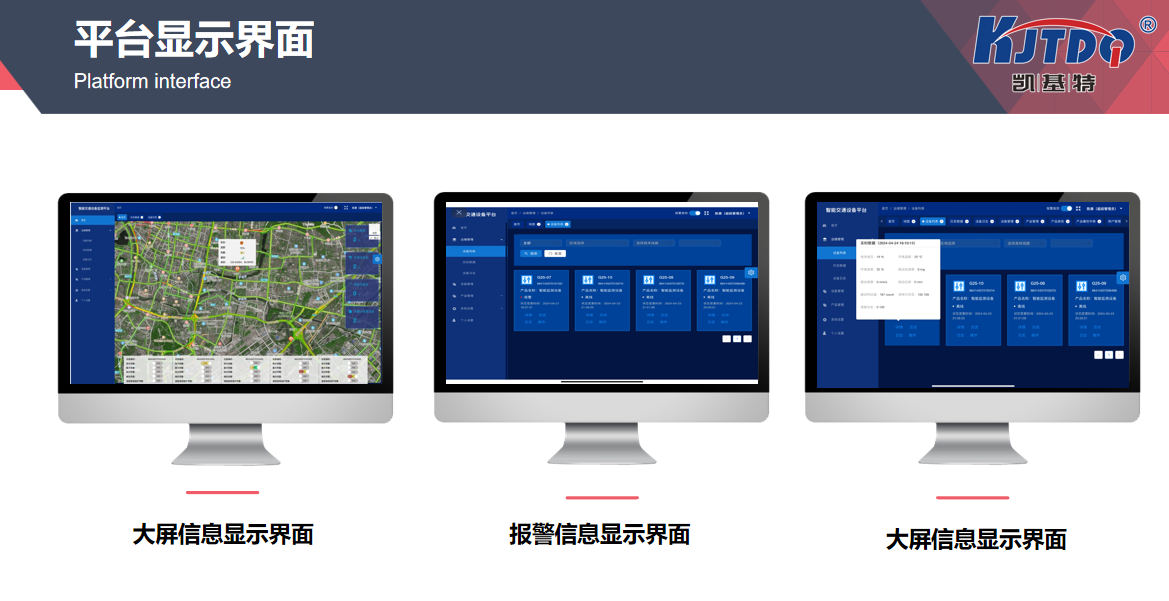
In addition to the warning function, the intelligent monitoring equipment for highway icing can also be combined with other traffic management systems to further enhance the overall level of traffic safety management. For example, when a device detects a risk of icing on a certain section of road, it can transmit the information to the traffic command center through a networked system. The command center can choose to close the section, slow down and limit traffic based on the actual situation, and even guide vehicles to detour around other roads. This fast and effective response measure not only reduces traffic accidents caused by icing, but also ensures the smooth operation of highways.
Speaking of which, some people may ask, is this intelligent monitoring device particularly expensive? In fact, with the advancement of technology and the increase in market demand, the cost of intelligent monitoring equipment for highway icing has been significantly reduced. Nowadays, many developed countries and regions have widely used such devices and achieved significant results. Installing such equipment is not only to cope with the harsh winter weather, but also to establish a long-term and stable highway safety management system.
However, despite these devices being highly intelligent, they are still not omnipotent. Under extreme weather conditions, monitoring devices may face challenges, such as being covered in ice and snow or experiencing signal transmission disruptions. Therefore, while relying on these intelligent monitoring devices, the highway management department also needs to develop emergency plans and equip sufficient de icing equipment and personnel to ensure the safety of the road surface even when the equipment cannot work properly.
In the future, with the further development of artificial intelligence and big data technology, intelligent monitoring devices for highway icing will become more intelligent and efficient. Artificial intelligence algorithms can further optimize the data analysis process and improve the accuracy of predictions; Big data technology can help managers better understand the road surface changes under different climate conditions, providing a basis for equipment upgrades and maintenance. At the same time, the popularization of 5G technology will further improve the data transmission efficiency of devices, achieving real-time and accurate road condition monitoring and warning.
Overall, the application of intelligent monitoring devices for highway icing is an indispensable innovative means in modern traffic management. These devices not only greatly reduce the risk of traffic accidents on winter highways, but also improve the efficiency and level of traffic management, providing a safer driving environment for drivers. With the continuous advancement of technology, we can expect that such devices will play a more important role in the future, further ensuring people's travel safety.
From my perspective, promoting intelligent monitoring devices for highway icing should be one of the key tasks of traffic management departments. Whether in the planning stage of building new highways or in the maintenance of existing roads, this type of equipment should be actively introduced. At the same time, relevant departments should also strengthen publicity and education to let drivers understand the role and importance of these devices, and improve their safety awareness and prevention capabilities. Only through the joint efforts of the whole society can we truly achieve safe passage on winter highways, reduce accidents, and protect the life and property safety of every traveler. After all, the ultimate goal of technological progress is to make our lives better, safer, and more comfortable.
1. How reliable is the intelligent monitoring device for highway icing in extremely cold weather?
The intelligent monitoring equipment for highway icing is specially designed to cope with extremely cold weather, using cold resistant materials and protective measures to ensure normal operation in low temperature environments. The sensors and electronic components of the equipment have undergone special processing to withstand severe cold and adverse weather conditions, maintaining efficient monitoring and warning functions. In addition, the device is equipped with a self checking system that can automatically issue maintenance prompts when detecting its own abnormalities, ensuring long-term reliability and stability.
2. How do these devices cope with the variability of icing conditions?
The intelligent monitoring device for highway icing monitors various environmental parameters in real-time, such as temperature, humidity, wind speed, etc., and combines meteorological forecast data for comprehensive analysis. This multi-dimensional data collection and analysis enables the equipment to accurately determine the occurrence time, range, and severity of icing. The system can also learn icing patterns based on historical data, gradually optimizing the accuracy of warnings and effectively responding to the variability of icing conditions.
3. Do intelligent monitoring devices for icing on highways need regular maintenance?
Yes, in order to ensure the long-term stable operation of the equipment, the intelligent monitoring device for highway icing needs to undergo regular maintenance. The maintenance includes calibration of sensors, inspection of electronic components, cleaning of protective covers, etc. In addition, before the arrival of each winter, relevant departments usually conduct comprehensive inspections to ensure that equipment can perform at its best when it is most needed. Regular maintenance not only extends the service life of equipment, but also improves the accuracy of monitoring data and the reliability of early warning.