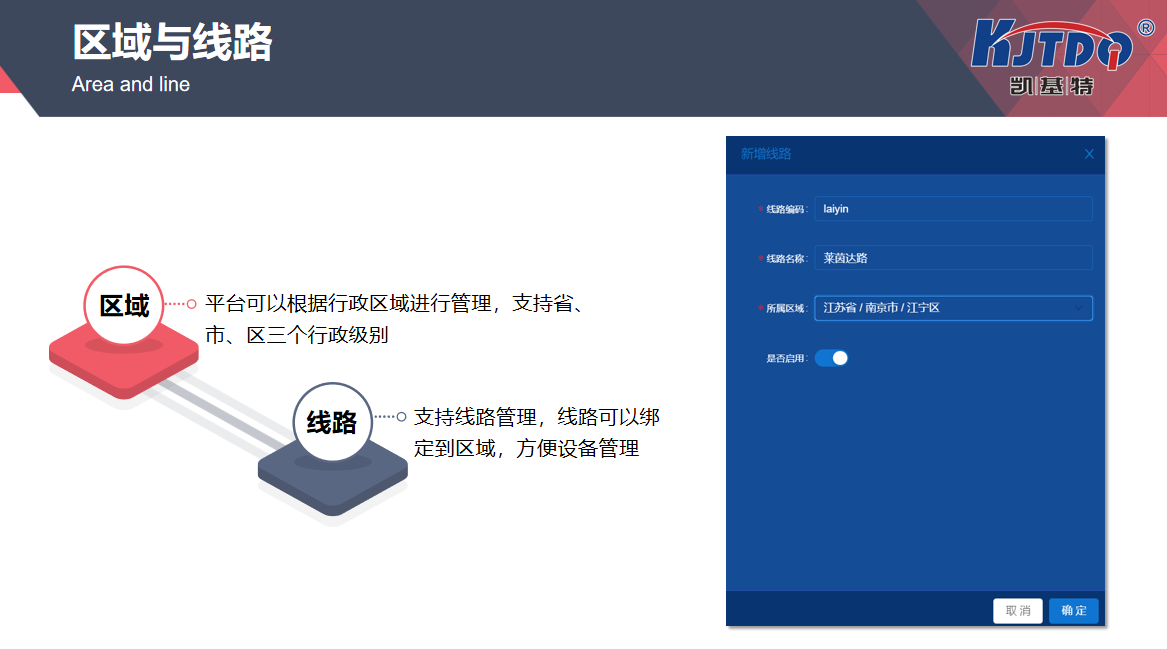
In today's rapidly developing technological era, intelligent warning system solutions are becoming an important means of improving security management efficiency. Whether in the fields of transportation, environment, or disaster management, the application of intelligent warning systems is constantly expanding. Its core lies in providing early warnings for various potential risks through real-time monitoring, data analysis, and intelligent warning, effectively preventing accidents and reducing losses. This article will delve into the key components and application scenarios of intelligent warning system solutions, revealing how they can change our way of managing security and ensure effective protection in various situations.
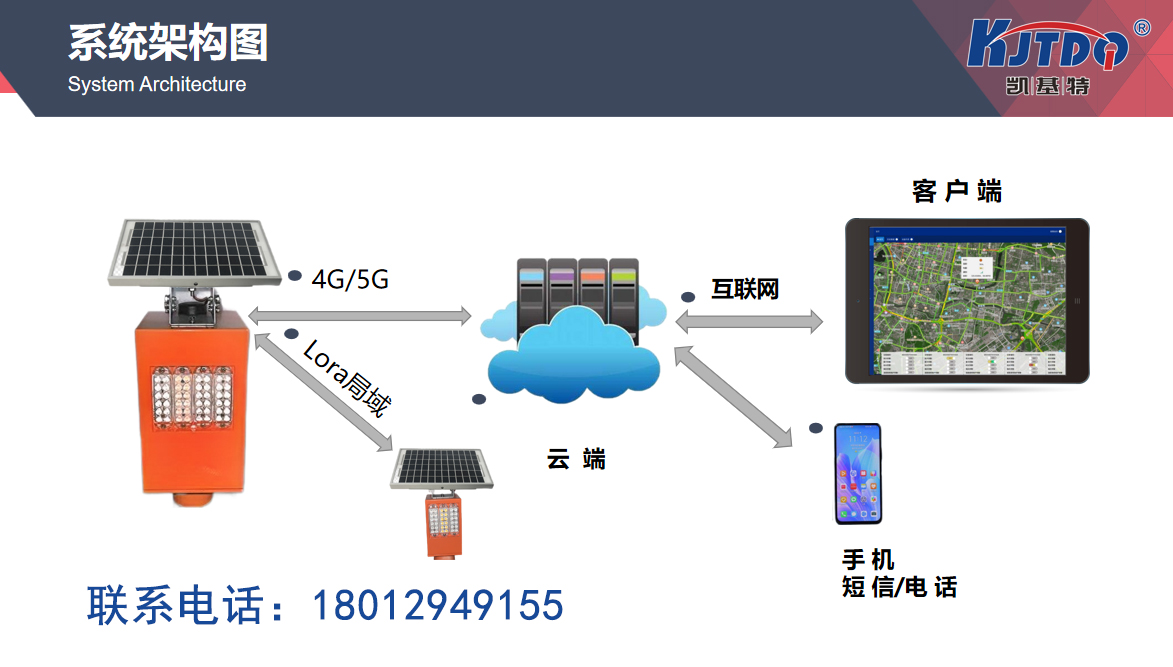
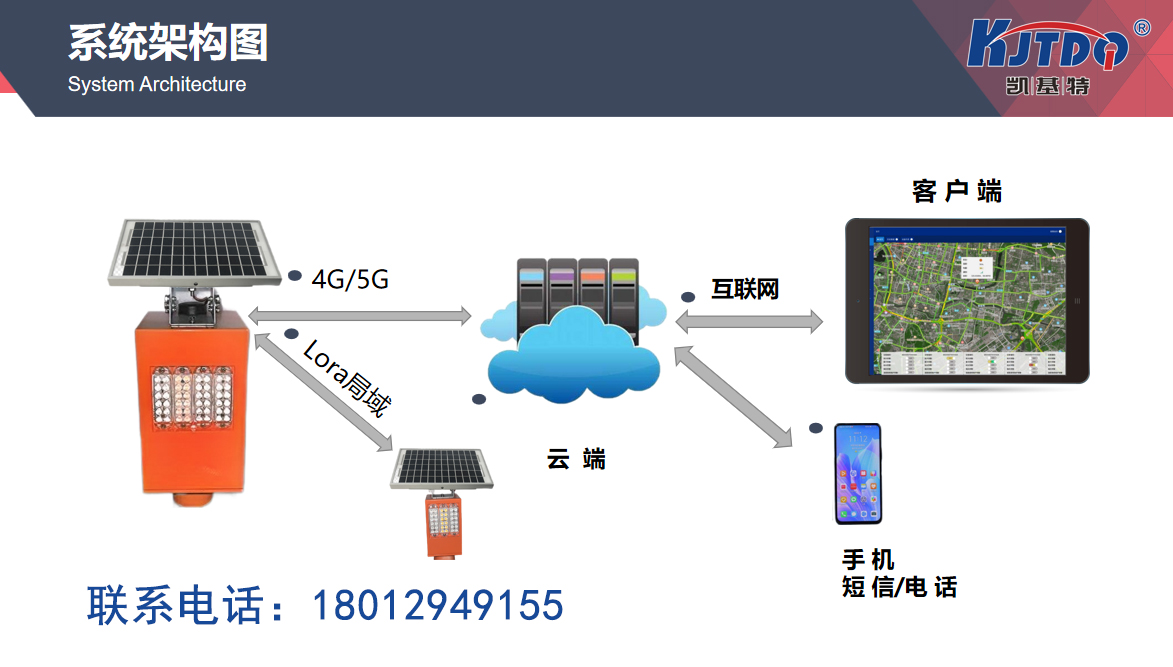
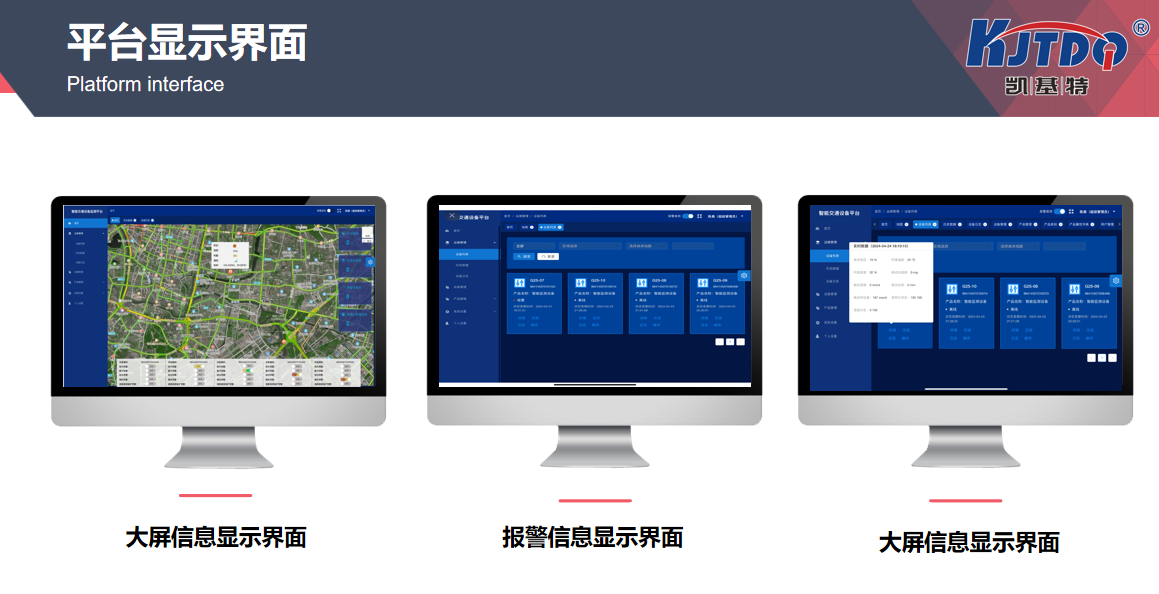
The successful operation of intelligent warning systems relies on several core components: sensor networks, data processing centers, and warning release systems. Sensor networks are responsible for real-time collection of various environmental data, such as temperature, humidity, air pressure, wind speed, etc. These data are transmitted through the network to the data processing center, where advanced analysis algorithms and artificial intelligence technology perform real-time processing and analysis of the data. The data processing center can not only identify potential risks, but also predict future changes based on historical data and real-time conditions. When the system detects abnormal situations or potential dangers, the warning system will promptly transmit the alert information to relevant personnel through various channels such as SMS, email, APP notifications, etc.
Application scenarios of intelligent warning system
traffic control
In the field of transportation, the application of intelligent warning systems can significantly improve road safety. By installing sensors on critical road sections, the system can monitor traffic flow, vehicle speed, and road conditions in real-time. For example, when the system detects severe congestion or accidents on the road, it can immediately issue a warning, prompting the driver to choose another route or slow down. This not only improves traffic flow, but also reduces secondary accidents caused by unexpected situations. The intelligent warning system can also be linked with the traffic signal control system to dynamically adjust the traffic light cycle, further alleviating congestion.
environmental monitoring
The field of environmental monitoring is one of the important application scenarios of intelligent early warning systems. By real-time monitoring of air quality, water quality changes, meteorological conditions, etc., the system can promptly detect environmental pollution or abnormal situations. For example, intelligent warning systems can detect an increase in the concentration of harmful substances in the air and issue alerts to remind the public to take protective measures. In this way, not only can public health be protected, but data support can also be provided to environmental protection departments to help develop more effective governance measures.
Disaster warning
The role of intelligent warning systems in natural disaster warning cannot be ignored. The system can monitor the precursors of natural disasters such as earthquakes, floods, and typhoons in real time, and predict the possible occurrence time and impact range of disasters through data analysis. For example, by installing sensors in earthquake zones, the system can issue warnings a few seconds before an earthquake occurs, giving people valuable response time. This timely warning can greatly reduce the losses caused by disasters and improve the efficiency of emergency response.
Industrial safety
Intelligent warning systems are also widely used in industrial safety management. By monitoring the operating status, temperature changes, and gas leaks of industrial equipment, the system can promptly identify potential safety hazards. For example, when the system detects equipment overheating or abnormal gas concentration, it will immediately issue an alarm to prompt operators to take measures. This early warning can effectively prevent equipment failures and accidents, ensuring production safety.
The advantages of intelligent warning system
The advantages of intelligent warning systems are mainly reflected in the following aspects:
Real time performanceThe intelligent warning system can collect and analyze data in real time, detect potential risks in a timely manner, and issue alerts. This real-time capability enables managers to quickly respond and take corresponding measures to prevent accidents from occurring.
AccuracyThrough advanced data analysis algorithms and artificial intelligence technology, intelligent warning systems can accurately identify abnormal situations and potential dangers. This precision ensures the reliability of warning information and improves the effectiveness of the system.
IntelligentizationThe intelligent warning system has the ability of intelligent analysis and automated processing, and can automatically adjust warning strategies based on historical data and real-time situations. This intelligent feature enhances the adaptability and flexibility of the system.
Full coverage in all directionsIntelligent warning systems can be applied in multiple fields, such as transportation, environment, disasters, and industry, providing comprehensive security guarantees. Intelligent warning systems can play an important role in both urban transportation and natural disaster management
From a personal perspective, the intelligent warning system solution is not only a technological innovation, but also a thorough transformation of traditional security management methods. The intelligent warning system provides us with unprecedented security protection through real-time monitoring, data analysis, and intelligent warning. The application of this system allows us to receive early warnings and take measures in the face of various potential risks, greatly reducing the probability of accidents.
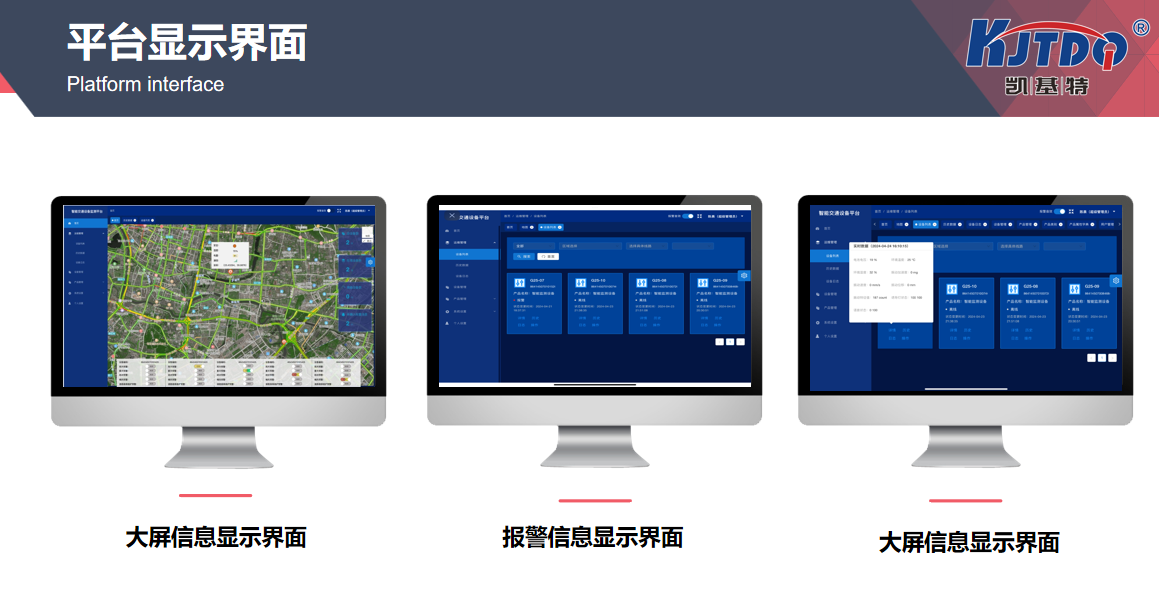
However, the implementation and maintenance of intelligent warning systems require corresponding technical support and resource investment. Although the initial investment may be high, its long-term safety benefits and management efficiency are evident. In the future, with the continuous advancement of technology and the expansion of applications, we have reason to believe that intelligent warning systems will become an indispensable part of our daily lives, providing us with more comprehensive and reliable security. Through continuous optimization and development, we can look forward to a safer and smarter future.
1. How does an intelligent warning system handle and store large amounts of data?
The intelligent warning system manages large amounts of data through efficient data processing and storage technology. First, the data processing center is equipped with powerful computing resources and efficient data processing algorithms, which can analyze data from different sensors in real time. These data are usually stored through distributed databases for efficient retrieval and analysis. Meanwhile, data storage systems typically employ data compression and optimization techniques to reduce storage space requirements and improve data access speed. In addition, data backup and redundancy measures ensure the security and reliability of data.
2. Can intelligent warning systems learn and improve on their own?
Yes, intelligent warning systems can achieve self-learning and improvement through machine learning and artificial intelligence technologies. The system continuously optimizes its prediction model and warning algorithm by analyzing historical and real-time data. For example, the system can adjust model parameters based on the accuracy and feedback information of historical warnings to improve the accuracy and reliability of warnings. With the increase of data volume and technological advancement, the system can continuously improve its performance and provide more accurate warning services.
3. Is there a problem of false positives or false negatives in the practical application of intelligent warning systems?
In practical applications, intelligent warning systems may encounter issues of false positives or false negatives. This is usually related to the accuracy of sensors, the effectiveness of data processing algorithms, and changes in the external environment. In order to reduce false positives and false negatives, the system needs to undergo continuous optimization and adjustment. For example, measures such as improving data processing algorithms, enhancing sensor accuracy, and increasing system fault tolerance can effectively reduce these issues. In addition, the system can also combine manual review and feedback mechanisms to further improve the accuracy of early warning.
4. How to evaluate the effectiveness and value of intelligent warning systems?
The evaluation of the effectiveness and value of intelligent warning systems mainly includes several aspects: firstly, the accuracy and reliability of the system, including the accuracy, false alarm rate, and missed alarm rate of warnings. Next is the response speed of the system, evaluating the time delay from data collection to warning issuance. The third is the actual impact of the system on security incidents, such as accident reduction rate, loss reduction, etc. Finally, evaluate the economic benefits of the system, including reduced operating costs, improved management efficiency, etc. By integrating these indicators, the effectiveness and value of intelligent warning systems can be comprehensively evaluated.