Landslides are a common and dangerous geological hazard in mountainous or hilly areas, especially during the rainy season when their frequency significantly increases, posing a serious threat to road safety. In order to reduce the risk of disasters caused by landslides and ensure driving safety, the application of road landslide monitoring devices has become particularly important. These devices provide warning information to relevant departments by monitoring the displacement and deformation of soil and rocks in real time, ensuring timely adoption of preventive measures and avoiding major traffic accidents. It can be said that road landslide monitoring devices have become the "invisible guardians" to ensure road safety in mountainous areas.
The core function of the road landslide monitoring device is to monitor the dynamic changes of the landslide body in real time through various advanced sensing technologies. These devices typically include displacement sensors, tilt sensors, strain sensors, etc., which can accurately capture small movements on the surface or underground. By analyzing these data, the system can determine the stability of the landslide body and predict potential landslides that may occur in the future. This early warning mechanism greatly reduces the damage caused by landslides to roads and ensures the safety of drivers' lives.
It is worth mentioning that the application of road landslide monitoring devices is not limited to high-risk areas. In some seemingly stable areas, these devices also play an important role. Due to the suddenness and concealment of landslides, even roads that appear strong on the surface may experience landslides under certain extreme conditions. Therefore, by installing landslide monitoring devices, danger signals can be detected in a timely manner before landslides occur, ensuring that relevant departments can respond quickly and reduce property damage and casualties.
These landslide monitoring devices can not only monitor the displacement of landslide bodies, but also record environmental factors closely related to landslides such as rainfall and groundwater levels. Rainfall is one of the main factors causing landslides, especially in continuous rainfall situations where soil saturation increases, leading to surface loosening and triggering landslides. Monitoring devices can comprehensively assess landslide risks and provide more accurate information support for early warning by recording rainfall data and changes in groundwater levels.
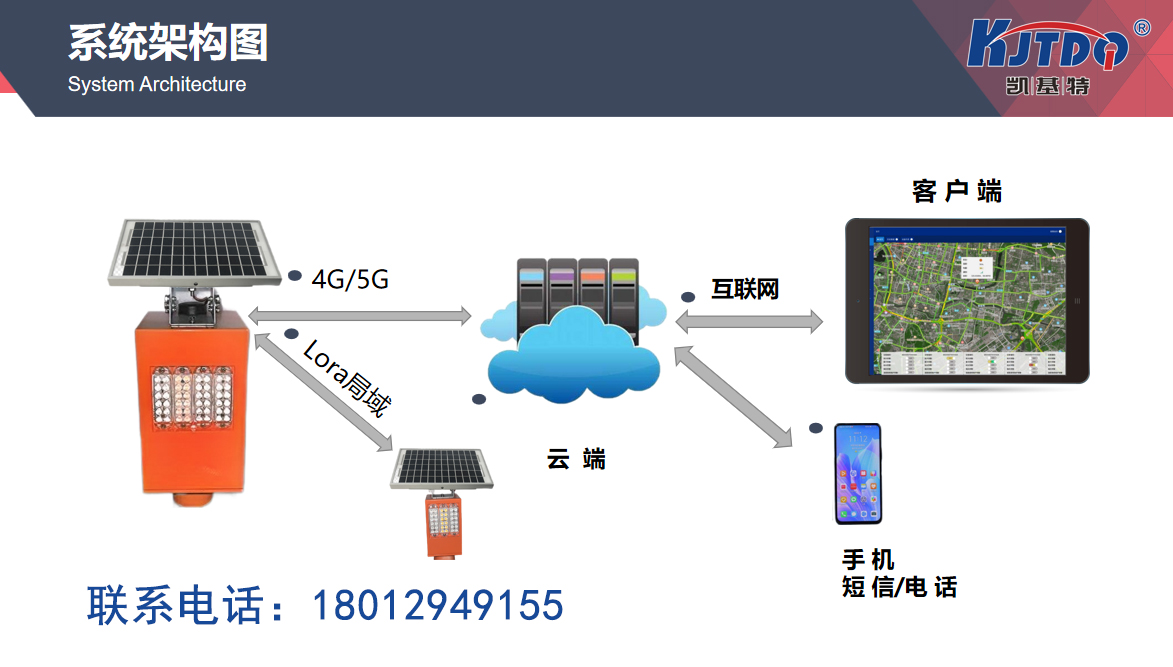
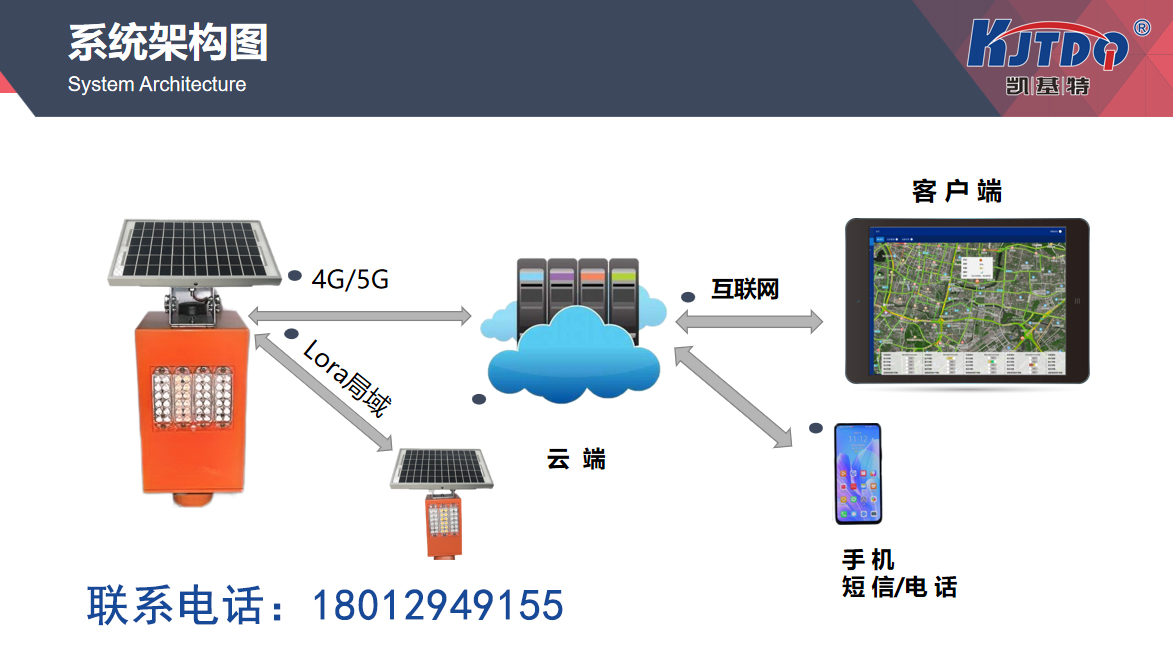
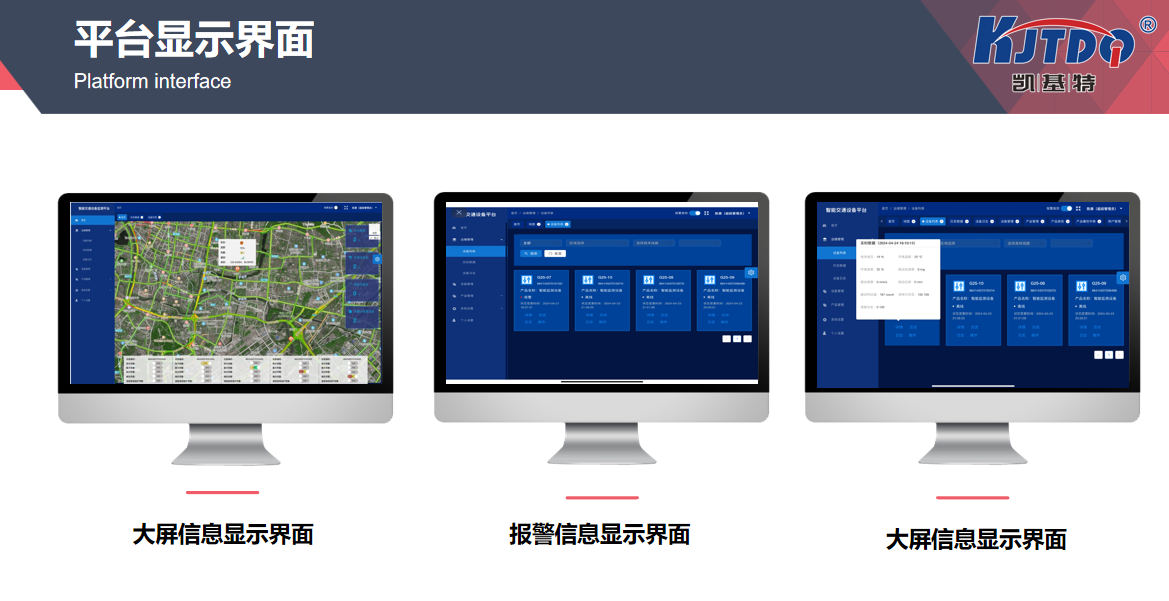
In addition, with the development of technology, the intelligence level of road landslide monitoring devices is constantly improving. Traditional landslide monitoring mainly relies on manual observation and regular inspections, which not only consumes a lot of manpower and material resources, but also has monitoring blind spots. Nowadays, intelligent monitoring devices can achieve remote monitoring through IoT technology, transmitting real-time data to the central monitoring system, greatly improving the efficiency and coverage of monitoring. Through big data analysis and artificial intelligence algorithms, the system can automatically identify abnormal signals, quickly issue warnings, and provide scientific basis for decision-makers.
However, despite the many advantages of road landslide monitoring devices, their application also faces some challenges. Firstly, there is the issue of cost. High precision monitoring equipment and complex analysis systems require high investment, and for some regions or countries with limited budgets, it may be difficult to fully promote these devices. Secondly, the maintenance and management of monitoring equipment also require a professional technical team to ensure the long-term stable operation of the device. Finding a balance between technology and cost is the key to promoting the popularization of this technology.
On the other hand, the effectiveness of landslide monitoring devices also depends on the scientific layout and installation. Different landslide areas have different geological characteristics, and the installation location of monitoring devices, types and quantities of sensors need to be designed according to specific situations. Only with reasonable layout and installation can the monitoring device fully play its role and truly achieve the goal of preventing landslides.
Overall, road landslide monitoring devices play an irreplaceable role in ensuring highway safety and reducing landslide disaster risks. With the continuous advancement of technology, future landslide monitoring devices will become more intelligent and automated, providing a more solid guarantee for traffic management and public safety.
From my perspective, although the promotion and application of road landslide monitoring devices face certain challenges, their safety benefits are unparalleled. The landslide monitoring device can not only provide us with timely warning information, but also help us better understand the mechanism of landslide occurrence, thus providing scientific basis for disaster prevention and reduction work. Government departments and relevant enterprises should increase investment in landslide monitoring technology, promote its application in more regions, and contribute to the construction of a safe and smooth road traffic network.
1. What are the advantages of road landslide monitoring devices compared to traditional landslide monitoring methods?
Compared to traditional landslide monitoring methods, road landslide monitoring devices have significant advantages. Traditional landslide monitoring methods often rely on manual observation and regular inspections, which not only consume a lot of manpower and time, but are also easily limited by climate and terrain conditions, making it difficult to ensure the accuracy and timeliness of monitoring results. On the contrary, modern landslide monitoring devices can achieve 24-hour uninterrupted automatic monitoring, and obtain real-time dynamic change data of landslide bodies through high-precision sensors. The device transmits data to a remote monitoring center through IoT technology, and the system can process and analyze the data in real time. Once an abnormal situation is detected, an alert will be issued immediately. In this way, landslide risks can be identified and addressed early on, significantly improving the efficiency and effectiveness of disaster prevention and mitigation. In addition, the monitoring device can also record long-term environmental data, providing scientific basis for landslide risk assessment and future infrastructure planning.
2. What professional skills are required for the installation and maintenance of landslide monitoring devices?
The installation and maintenance of landslide monitoring devices require a range of professional skills. Firstly, when installing landslide monitoring devices, it is necessary to have solid geological knowledge in order to select suitable monitoring points. Different terrain, soil, and rock characteristics can affect the occurrence of landslides, so the choice of installation location is crucial. Installation personnel need to determine the layout and depth of sensors based on geological conditions and landslide types to ensure the accuracy of monitoring data. Secondly, electronic engineering and communication technology are also necessary skills, as landslide monitoring devices typically include complex sensor networks and data transmission systems. The maintenance team needs to have the ability to debug equipment, troubleshoot, calibrate systems, etc., to ensure the long-term stable operation of the device. In addition, the application of big data analysis and artificial intelligence technology in landslide monitoring is becoming increasingly widespread, and understanding how these technologies play a role in data processing and early warning systems has become an important skill for maintenance teams. Only by integrating these professional skills can the effectiveness of landslide monitoring devices be fully utilized.
3. How to integrate road landslide monitoring devices into intelligent transportation systems?
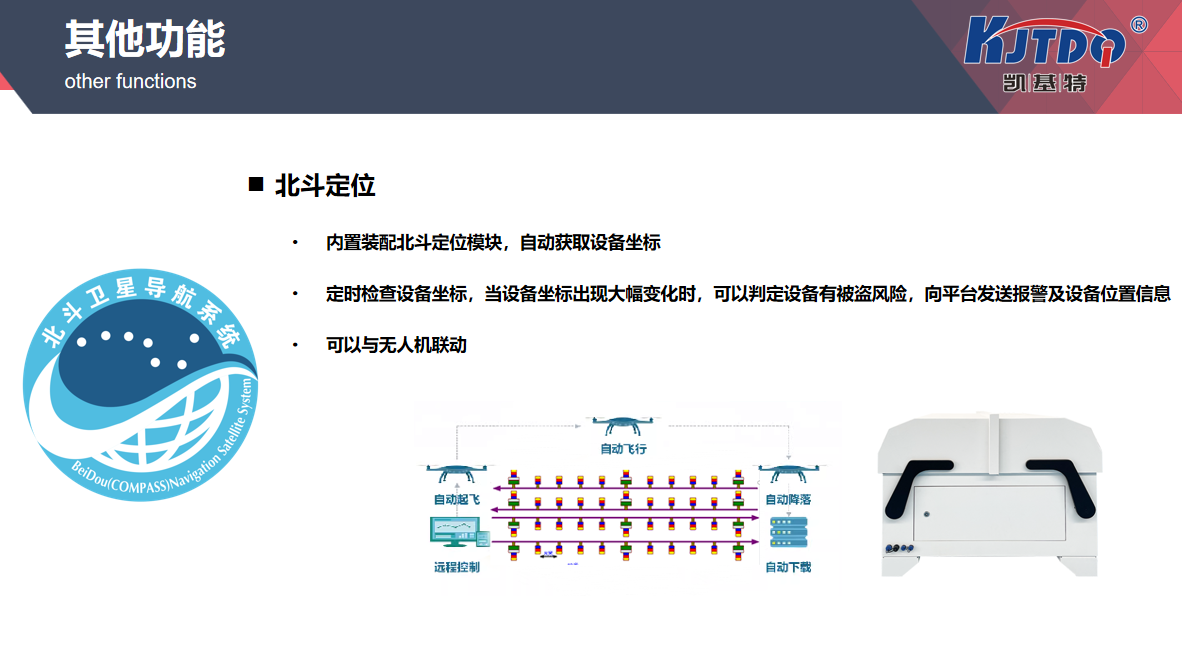
As an important component of traffic safety, road landslide monitoring devices are gradually being integrated into intelligent transportation systems. Intelligent transportation systems provide more comprehensive solutions for traffic management by integrating various advanced technologies such as sensor networks, the Internet of Things, big data, and artificial intelligence. The landslide monitoring device can provide real-time status data of the landslide body, which can be combined with other road safety data to form a comprehensive risk assessment system. When the monitoring device detects early signs of landslides, the system can automatically transmit alarm information to the traffic management center, road maintenance department, and nearby vehicles. Through the collaborative work of intelligent transportation systems, relevant departments can respond quickly and take necessary measures such as closing roads or conducting emergency repairs to avoid accidents. Meanwhile, intelligent transportation systems can dynamically adjust traffic signals, optimize traffic flow, and alleviate traffic congestion caused by landslides based on real-time data. Therefore, the combination of road landslide monitoring devices and intelligent transportation systems not only enhances road safety, but also improves the efficiency and adaptability of the overall transportation system.
4. What is the development trend of road landslide monitoring devices?
With the continuous advancement of technology, the development prospects of road landslide monitoring devices are very broad. In the future, these devices will develop towards greater intelligence, automation, and integration. Firstly, sensor technology will be further improved, with higher sensitivity and accuracy of sensors, which can capture even smaller landslide precursors. At the same time, the power consumption of the device will be reduced, making its operation more stable under various environmental conditions. Secondly, artificial intelligence and big data technology will play an increasingly important role in landslide monitoring. By analyzing historical data and applying machine learning algorithms, the system can more accurately predict the occurrence of landslides, improving the accuracy and timeliness of early warning. In addition, the landslide monitoring device will be more closely integrated with other traffic safety systems, forming a comprehensive safety monitoring network. For example, combining landslide monitoring with weather forecasting, traffic flow monitoring and other systems to build an intelligent road safety warning platform, comprehensively improving the level of traffic management. Therefore, with the advancement of technology, landslide monitoring devices will not only play a greater role in disaster prevention, but also become an important component of intelligent transportation systems.