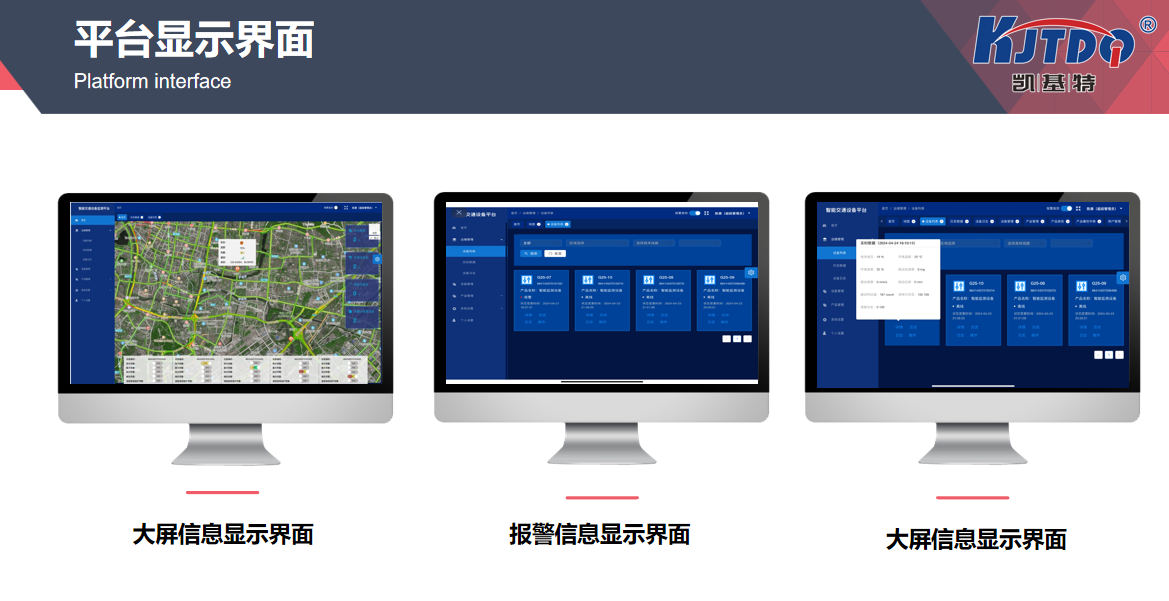
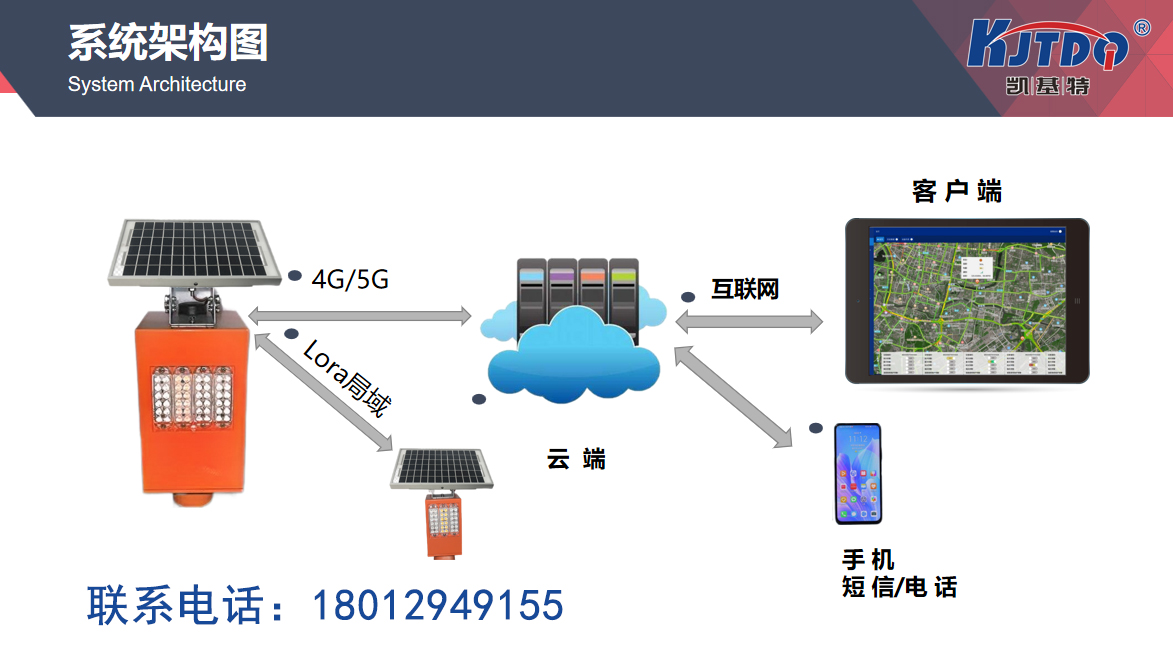
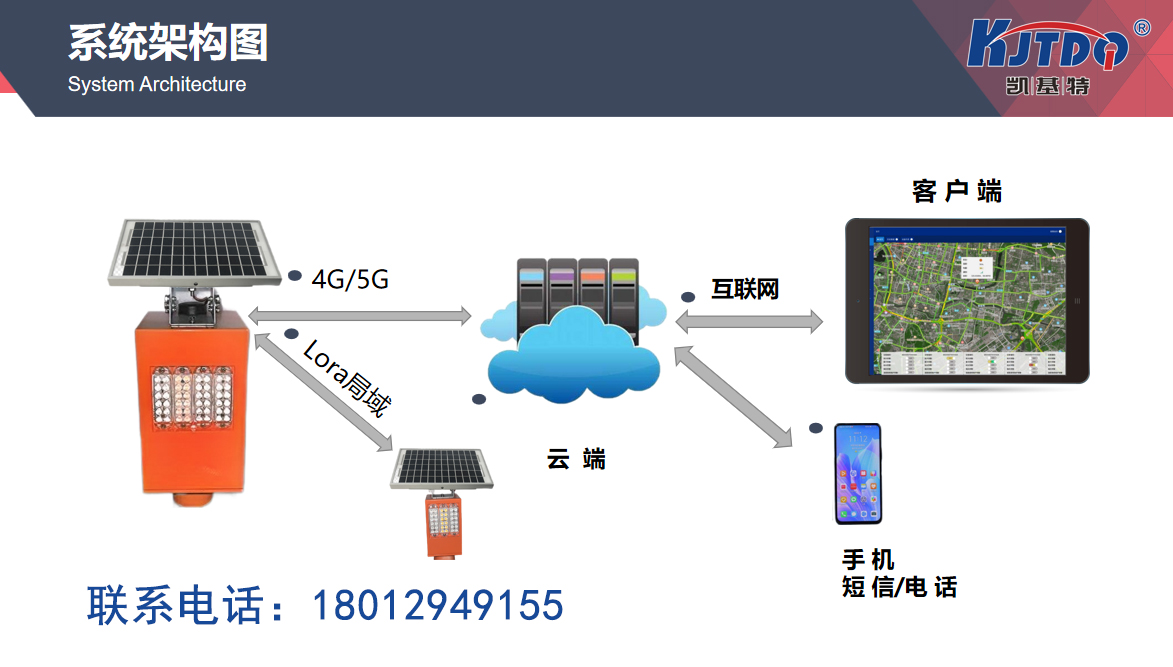
When it comes to road safety, people's first reaction may be various speed limit signs, traffic police patrols, or car owners consciously following traffic rules. But with the continuous advancement of technology, the concept of highway safety is no longer limited to these traditional means. Nowadays, more and more highways have begun to deploy intelligent monitoring systems, which are a new, safe and effective technological means specifically designed to improve road safety. It can be said that intelligent monitoring of highway safety is like a 24-hour non-stop guardian, constantly guarding every part of our journey.
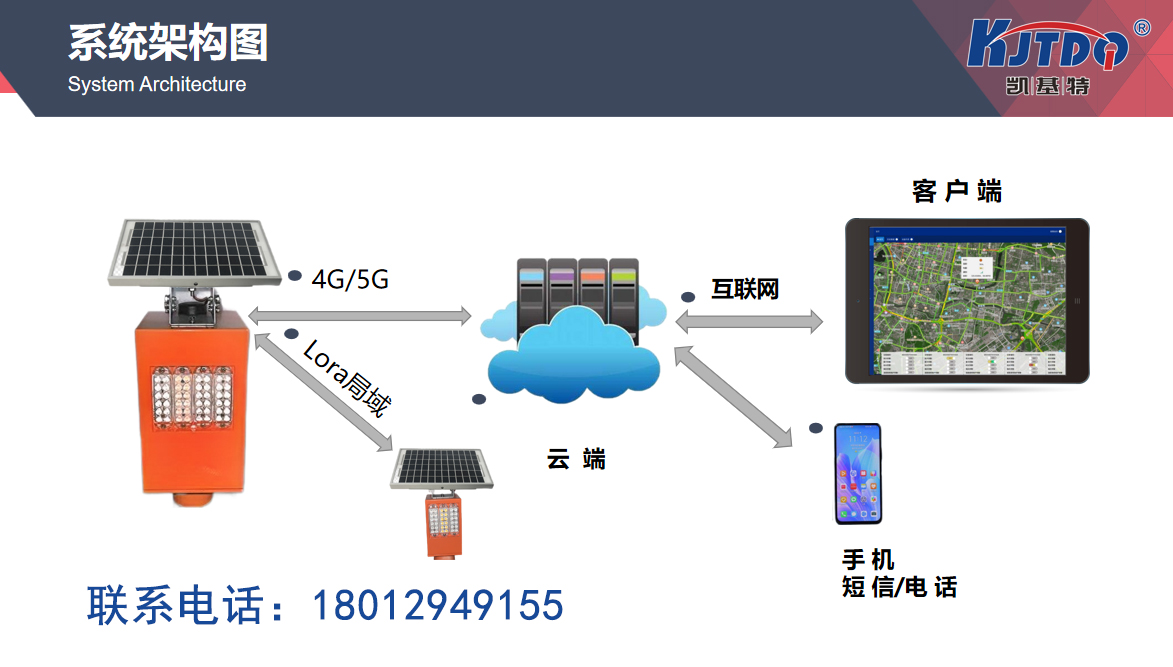
The intelligent monitoring system for highway safety uses advanced sensors, cameras, and intelligent analysis technology to monitor various road conditions in real time. These systems can not only monitor the speed and driving trajectory of vehicles, but also identify potential hazards such as driving in reverse, speeding, fatigue driving, and other behaviors. Once an abnormal situation is detected, the system can immediately send an alert to the traffic management center and remind drivers through electronic screens. This real-time monitoring and response mechanism greatly reduces the probability of accidents and protects the safety of every driver and pedestrian.
The modern intelligent monitoring system for highway safety has very powerful functions. It can not only monitor the speed and driving status of each vehicle, but also identify the type of vehicle and even analyze the driver's behavior patterns. For example, the system can use lane departure detection technology to determine whether the driver is fatigued driving, or remind the driver to pay attention to speed control through speed monitoring. It can be said that the intelligent monitoring system for highway safety has become an important tool for highway traffic management, contributing greatly to improving road safety.
With the intelligent monitoring system for highway safety, traffic management departments can handle various emergencies on the road more efficiently. For example, when the system detects an abnormal increase in traffic flow on a certain road section, which may lead to traffic congestion, it will automatically adjust the time of traffic lights to divert traffic and reduce congestion. In addition, if a traffic accident occurs, the system can immediately activate the emergency plan and promptly notify relevant departments for handling, reducing the occurrence of secondary accidents.
More importantly, the intelligent monitoring system for highway safety can also help us achieve intelligent and data-driven traffic management. By analyzing monitoring data, management departments can better understand the usage of roads, optimize traffic management measures, and even provide scientific basis for future urban planning. These data can help us better understand traffic patterns, formulate more reasonable traffic policies, and further improve the safety and efficiency of highways.
The intelligent monitoring system for highway safety is not only constantly advancing in technology, but its application scope is also expanding. From urban main roads to highways, from tunnels to bridges, these systems can play an excellent role in various complex traffic environments. For example, in adverse weather conditions, the system can monitor road conditions in real time and issue warnings to drivers, reminding them to pay attention to driving safety. For high-risk road sections that are prone to accidents, the system can also set warning signs in advance to remind drivers to slow down and reduce the risk of accidents.
Of course, the application of intelligent monitoring systems for highway safety has also brought some challenges. For example, the construction and maintenance costs of the system are relatively high, especially during large-scale deployment, which requires a significant investment of manpower and material resources. In addition, how to ensure the stability of the system and the security of data is also a problem that needs to be solved. After all, traffic safety is related to the safety of everyone's life and property, and any mistake in any link can have serious consequences.
However, despite these challenges, the advantages of intelligent monitoring systems for highway safety are evident. It has made traffic management more scientific and intelligent through technological means, creating a safer and more efficient transportation environment for us. With the continuous development of technology, the future intelligent monitoring system for highway safety will become more perfect, with more diverse functions and wider coverage.
From this perspective, intelligent monitoring of highway safety is not only a technological system, but also a reflection of social progress. It not only improves the safety of highway transportation, but also brings more convenience and security to our daily travel. In the future, we can expect more intelligent technologies like this to be applied to traffic management, bringing more security and happiness to our lives.
In summary, the intelligent monitoring system for highway safety has become an indispensable part of modern traffic management. It creates a safer road environment for us through real-time monitoring, intelligent analysis, and efficient response. In the future, with the further development of technology, this system will continue to evolve, safeguarding our travels and making every journey safer and more reassuring.
1. How does the intelligent monitoring system for highway safety identify and respond to sudden traffic accidents?
The intelligent monitoring system for highway safety has advanced accident detection functions, which can monitor vehicle behavior and traffic flow on the road in real time. When a sudden traffic accident occurs, the system can immediately capture abnormal situations through cameras and sensors, such as sudden vehicle stops or collisions on the lane. The system will transmit accident information to the traffic management center in the first time, and the management personnel can quickly dispatch rescue forces and police forces to the scene for handling. In addition, the system can also issue real-time accident alerts to nearby vehicles through electronic displays on the road, reminding drivers to slow down, detour, and avoid causing secondary accidents or more serious traffic congestion.
2. What impact does the deployment of intelligent monitoring systems for highway safety have on traffic violations?
The deployment of intelligent monitoring systems for highway safety has greatly strengthened the monitoring and punishment of traffic violations. Through high-precision cameras and sensors, the system can identify common traffic violations such as speeding, running red lights, and illegal lane changes. Once illegal behavior is discovered, the system will automatically record relevant evidence such as vehicle license plates, driving speed, illegal time, etc., and transmit this information to the traffic law enforcement department. Law enforcement agencies can quickly and effectively punish illegal activities based on this data. This strict monitoring measure significantly reduces the occurrence of traffic violations and helps improve the safety of the entire highway system.
3. How does the intelligent monitoring system for highway safety respond to road safety issues under different weather conditions?
The design of the intelligent monitoring system for highway safety fully considers the impact of different weather conditions on road safety. In severe weather conditions such as fog, rainstorm and snow, the system can monitor the visibility, wet degree and ponding of roads in real time. Once poor road conditions are detected, the system will immediately issue a warning message to the driver through the road information screen or broadcast system, suggesting that they slow down or choose an alternative route. Some advanced systems can also automatically adjust road speed limits based on weather changes, and even close specific road sections when necessary to ensure the safety of all traffic participants.
4. What benefits does the intelligent monitoring system for highway safety provide to traffic management personnel?
The intelligent monitoring system for highway safety has significantly improved the work efficiency of traffic management personnel. Firstly, the system can provide comprehensive real-time data on road conditions, allowing managers to quickly understand and handle emergencies without relying on manual patrols. Secondly, the automatically generated traffic data report by the system can help management personnel analyze traffic trends, identify high-risk road sections, and develop more targeted management measures. In addition, the system also reduces the need for manual intervention, allowing managers to devote more energy to complex decision-making and planning work, thereby optimizing the entire traffic management system.