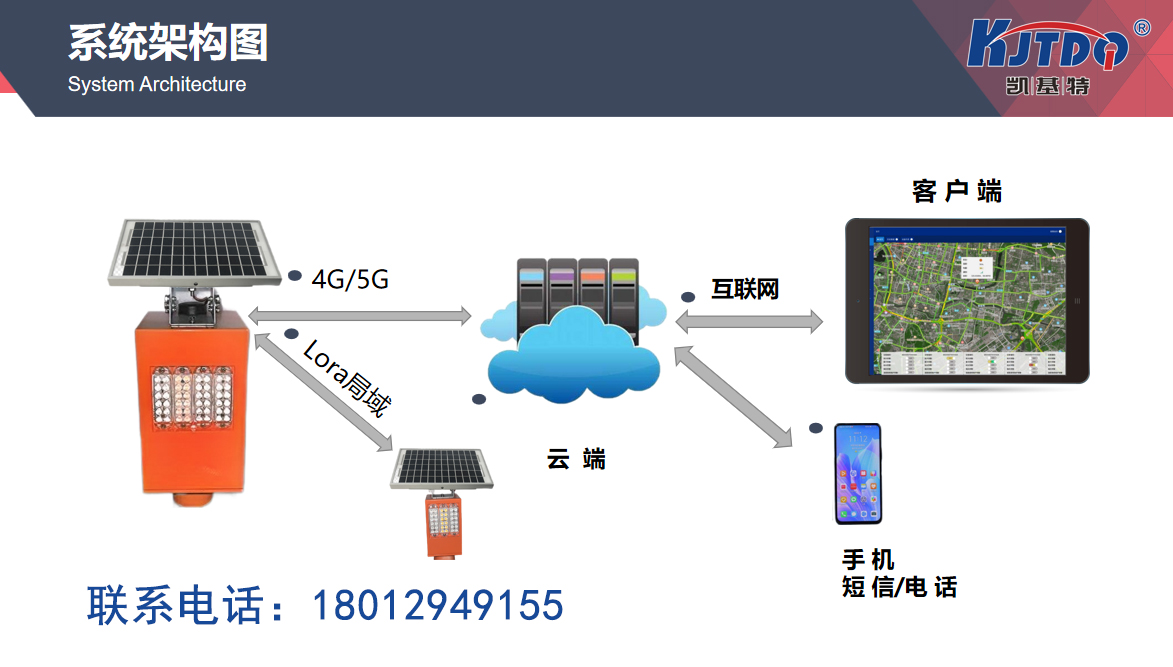
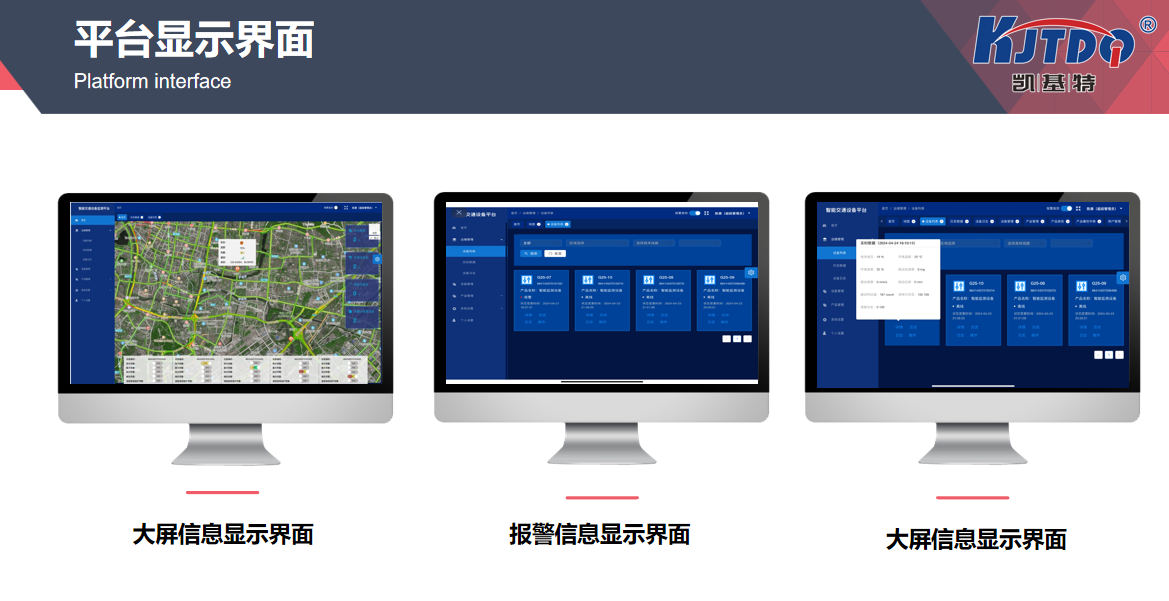
The road safety warning system for rainy days, a masterpiece of modern technology, is gradually becoming a necessary tool to ensure driving safety. In stormy, continuous or occasional rainy weather, rainy road safety warning systems can play a crucial role in ensuring that every driver can stay safe in adverse weather conditions. The slippery road surface, reduced visibility, and possible flooding caused by rainy days all pose higher requirements for driving safety. The rainy road safety warning system, through real-time monitoring and intelligent warning, is an effective means to address these challenges.
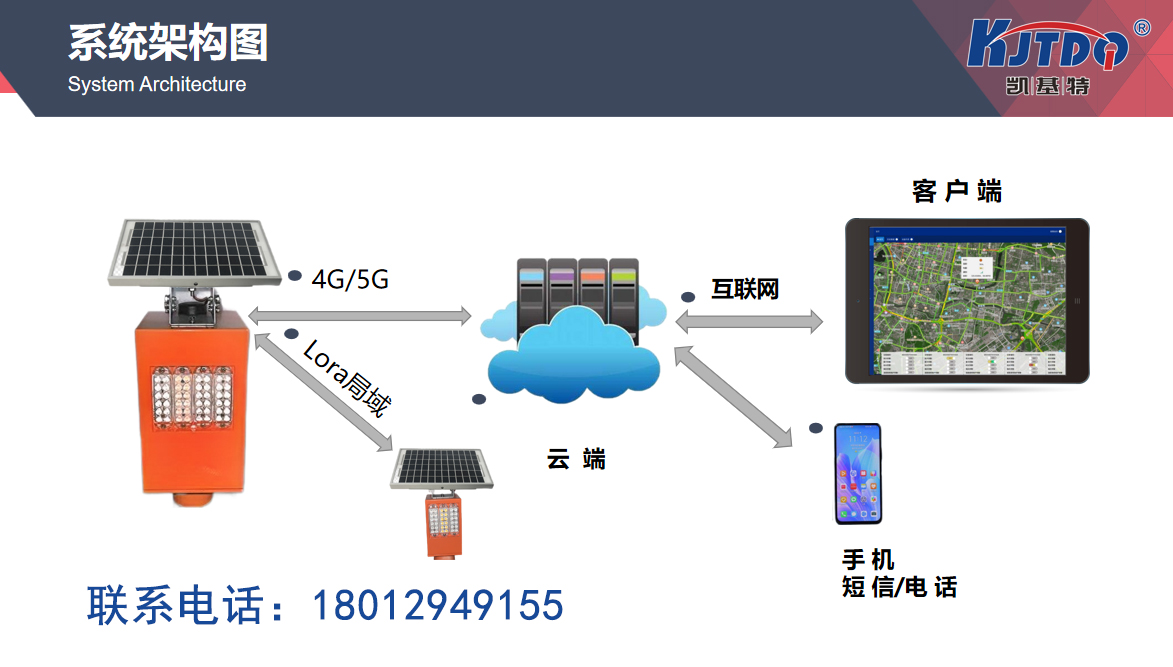
The core of the rainy day road safety warning system lies in real-time weather monitoring and data analysis. This system is usually equipped with advanced weather sensors that can monitor factors such as rainfall, wind speed, and temperature in real time. Rainfall sensors can accurately record the intensity and duration of rainfall, anemometers monitor changes in wind speed, and temperature sensors focus on fluctuations in temperature. These data are transmitted in real-time to the central processing system and analyzed through intelligent algorithms. The system can accurately assess changes in road conditions and predict potential safety hazards.
The application of intelligent technology makes the road safety warning system more efficient in rainy weather. The introduction of artificial intelligence (AI) and machine learning algorithms enables systems to predict future risks through analysis of historical weather data and road conditions. For example, AI can analyze past rainfall patterns and traffic accident data to determine potential dangerous situations that may occur under current rainy conditions. The system can issue real-time warning information based on these analysis results, reminding drivers to pay attention to slippery roads, reduce vehicle speed, or take other necessary safety measures.
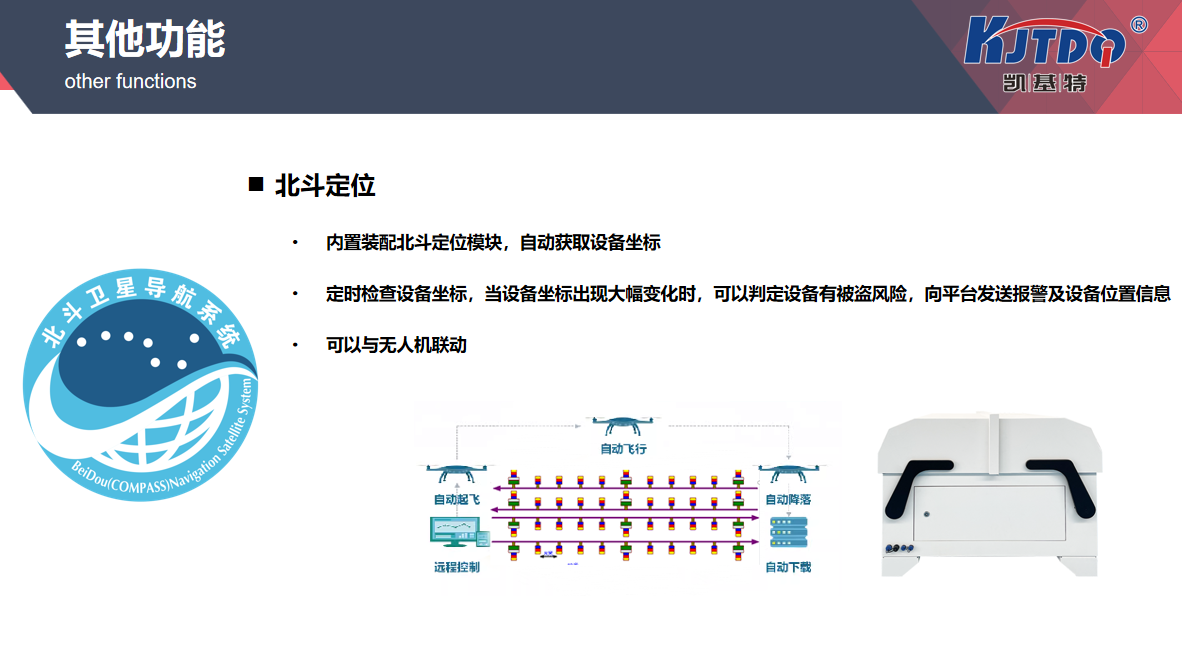
In addition, the application of drones and satellite technology in road safety warning during rainy weather is particularly important. Drones can conduct high-altitude inspections of roads during rainy weather and obtain real-time images of road conditions. These images can help traffic management departments timely understand road surface water conditions, road damage, etc., which can help to quickly handle emergencies. Satellite technology provides a wider range of monitoring capabilities, enabling real-time monitoring of rainfall in large areas and combining it with ground monitoring data to provide more comprehensive safety warnings.
However, despite the rapid development of technology for road safety warning systems in rainy weather, there are still some challenges in practical applications. For example, adverse weather conditions may affect the normal operation of sensors, and the system needs to have strong anti-interference capabilities. At the same time, system maintenance and upgrading are also important issues, especially in remote areas where equipment reliability and maintenance costs need to be fully considered. To ensure the stable operation of the system, regular equipment inspections and data calibration are required.
From a personal perspective, the road safety warning system for rainy days is undoubtedly a powerful tool for improving driving safety. While enjoying the convenience and safety guarantee brought by technology, each of us also needs to raise our awareness of driving in rainy weather. Drivers should adjust their driving style according to weather changes, reduce high-speed driving, maintain a safe distance between vehicles, pay attention to road conditions, and minimize the risk of driving on rainy days.
In summary, the road safety warning system for rainy days provides a solid guarantee for driving through real-time monitoring, intelligent analysis, and technological means. With the continuous advancement of technology and the popularization of applications, we have reason to believe that these systems will become more precise and efficient, further enhancing our driving safety. At the same time, we should also enhance our own safety awareness, drive scientifically, and ensure that every trip is safe and smooth.
1. How can the road safety warning system for rainy days ensure reliability under extreme weather conditions?
The reliability of road safety warning systems on rainy days is particularly critical under extreme weather conditions, such as storms or icy weather. To ensure the effectiveness of the system under these conditions, the following measures are usually taken:
1. Equipment durability: Monitoring equipment is usually designed to have strong weather resistance. Sensors and monitoring equipment use waterproof and dustproof materials, which can withstand harsh weather conditions such as strong winds, heavy rain, and low temperatures. The casing and connecting parts of the device are specially designed to prevent moisture and dust from entering, ensuring that the device operates normally under extreme weather conditions.
2. Multiple data sources: The system typically combines multiple data sources, including ground sensors, weather stations, drones, and satellite data, to ensure the comprehensiveness and accuracy of the data. Even if one data source is interfered with, other data sources can still provide necessary information to ensure the stability and reliability of the system.
3. Data redundancy and backup: The system design will consider data redundancy and backup. Real time data is stored on multiple servers, and even if the primary server fails, the backup system can still provide data support. In addition, the system will conduct regular self checks and maintenance to promptly identify and fix potential issues.
Through these measures, the road safety warning system for rainy days can remain efficient and reliable under extreme weather conditions, ensuring the continuous provision of accurate safety warnings.
2. How to improve the accuracy of road safety warning in rainy weather through data analysis?
Data analysis plays a key role in the road safety warning system for rainy days, improving the accuracy of warnings through the following methods:
1. Historical data comparison: The system identifies common risk patterns related to rainy weather by analyzing historical weather data and traffic accident records. For example, the system can detect the probability of accidents occurring under specific rainfall or wind speeds, thereby establishing more accurate warning models.
2. Real time data integration: Combining real-time monitoring data such as rainfall intensity, road humidity, wind speed, etc., the system can dynamically adjust risk assessment. By inputting real-time data, the system can respond promptly to upcoming weather changes and accurately predict changes in road conditions.
3. Application of predictive models: By utilizing artificial intelligence (AI) and machine learning techniques, the system can continuously optimize predictive models. AI algorithms can handle complex data relationships, identify potential risk factors, and provide more accurate warnings. For example, AI can analyze the relationship between rainfall patterns and slippery roads to predict possible accidents.
These data analysis techniques enable the rainy road safety warning system to more accurately assess risks, provide reliable warning information, and thus improve driving safety.
3. How does the road safety warning system work in coordination with the traffic management system on rainy days?
The collaborative work of rainy day road safety warning system and traffic management system can effectively improve road safety. Specific measures include:
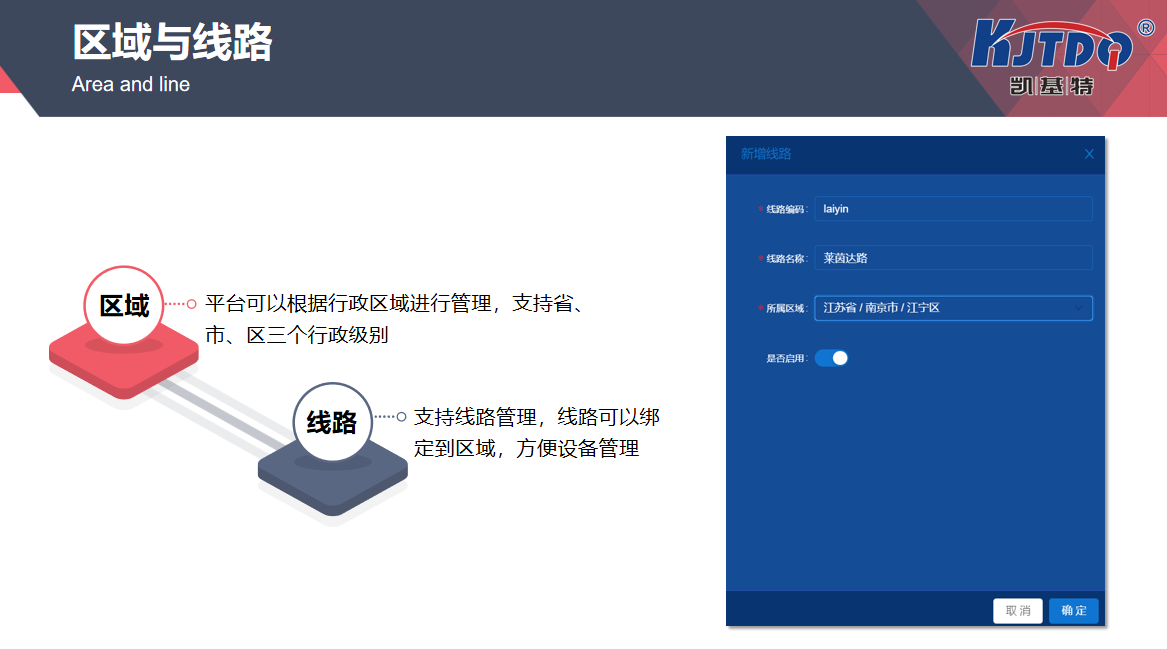
1. Data sharing: By establishing a data interface, the rainy day road safety warning system can transmit real-time weather data and warning information to the traffic management system. The traffic management department can use this data to adjust traffic signals, release road condition information, and take appropriate emergency measures.
2. Joint decision support: The traffic management system can develop corresponding traffic management strategies based on warning information and real-time data. For example, when the system issues a heavy rainfall warning, the traffic management department can alleviate road pressure by adjusting traffic flow, setting temporary signs, and limiting vehicle speeds.
3. Public information release: The warning information of the rainy road safety warning system can be released to the public through the traffic management system, including broadcasting, electronic display screens, and mobile applications. This information dissemination can enhance drivers' awareness of road conditions and encourage them to take appropriate safety measures.
Through such collaborative work, the rainy day road safety warning system can effectively cooperate with the traffic management system to jointly improve the level of road safety management.
4. What benefits does the application of rainy road safety warning system provide for road maintenance and management?
The application of rainy road safety warning system is of great help to road maintenance and management, mainly reflected in the following aspects:
1. Real time problem recognition: The system can monitor the wet and slippery conditions, water accumulation, and other potential problems of the road in real time, and discover problems on the road surface in a timely manner. This helps to arrange maintenance and repairs in advance, preventing accidents caused by water accumulation or other issues on the road.
2. Data driven maintenance plan: The real-time data and historical records provided by the system can help road management departments develop data-driven maintenance plans. By analyzing the relationship between rainfall data and road damage, management departments can prioritize the areas that are more affected and optimize the allocation of maintenance resources.
3. Reduce emergency maintenance needs: Through real-time warning and data analysis, the system can identify in advance the parts of the road that may need maintenance, thereby reducing the need for emergency maintenance due to sudden road problems. This not only improves road safety, but also reduces maintenance costs.
Overall, the application of road safety warning systems in rainy weather can significantly improve the efficiency and effectiveness of road maintenance, ensuring the safety of road use under adverse weather conditions.