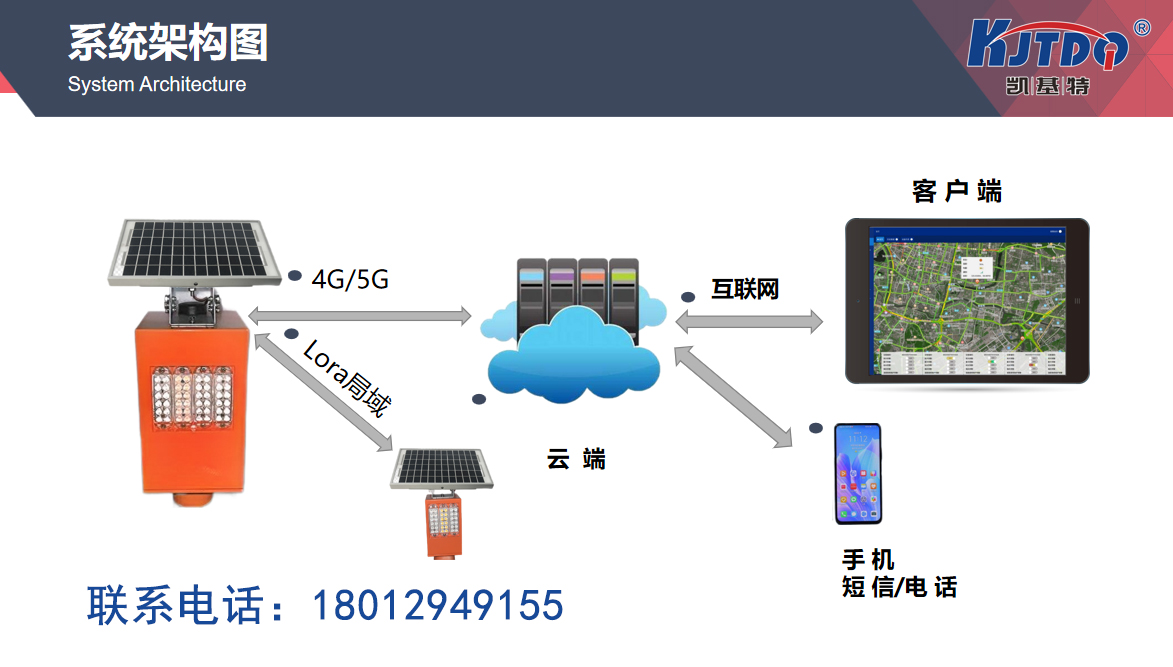
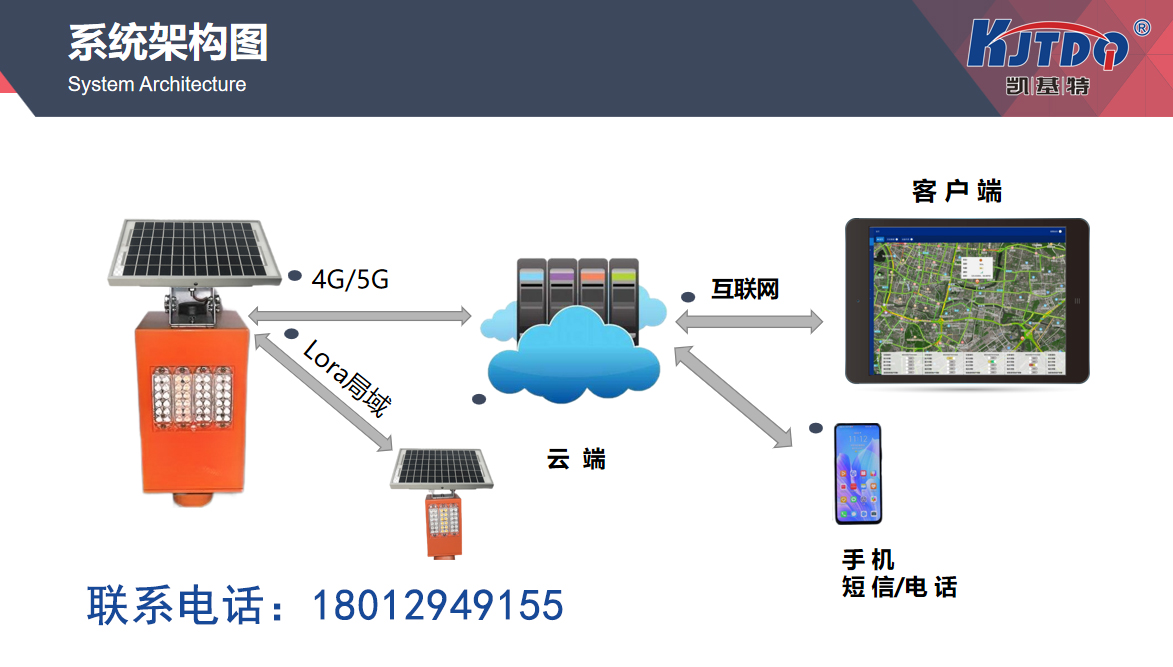
The application of intelligent warning systems for highways is gradually becoming a core force in modern traffic management. In our daily travels, traffic safety is always a concern for everyone. With the development of technology, traditional highway management methods are no longer able to meet the increasingly complex traffic demands. The introduction of intelligent warning systems for highways undoubtedly provides strong support for improving traffic safety and efficiency. This system uses intelligent means to monitor road conditions in real time, warn potential safety hazards in a timely manner, and ensure the safety of vehicles and pedestrians.
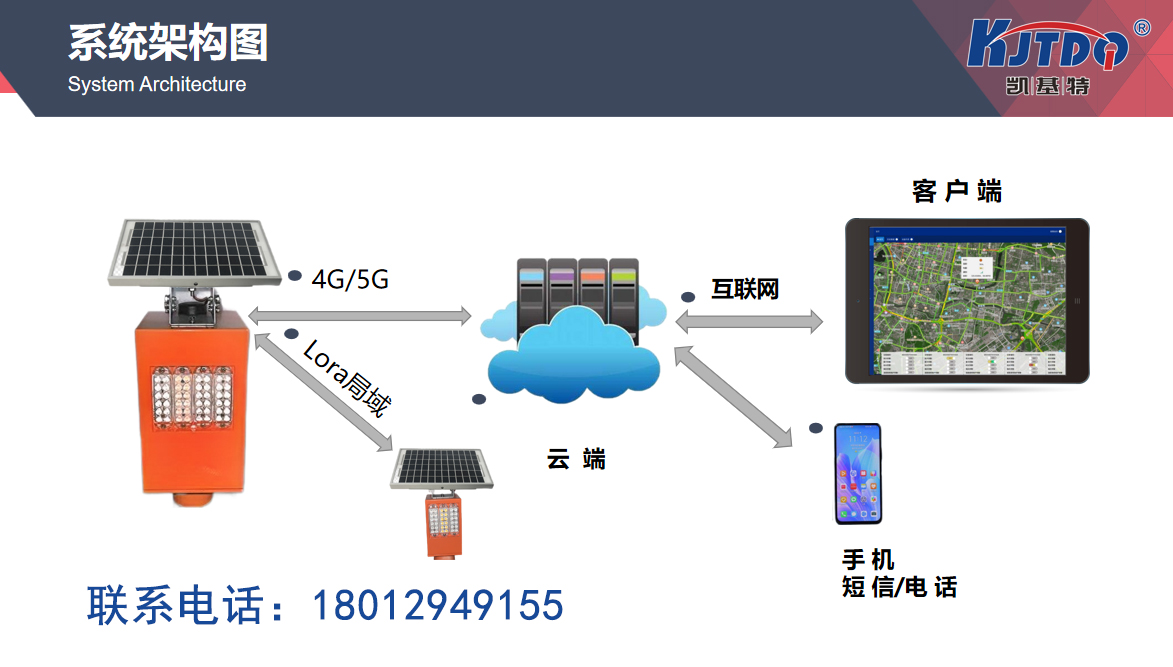
The application of intelligent warning systems is widespread in various highway environments, especially in sections with high traffic flow and complex weather conditions. The core function of the system is to collect and analyze data to detect potential hazards in advance, such as landslides, icing, traffic accidents, etc., and quickly issue warning signals to remind drivers and management departments to take timely response measures. This proactive approach greatly reduces the threat of emergencies to traffic safety, ushering in a more efficient and intelligent new era for highway management.
For highway management departments, the application of intelligent warning systems not only improves the efficiency of road management, but also enhances emergency response capabilities. Traditional highway management often relies on manual inspections and post-processing, which is inefficient and has certain blind spots. The intelligent warning system achieves comprehensive control of highway conditions through 24-hour uninterrupted monitoring. Once an abnormal situation is detected, the system can immediately send an alert to the management center, and relevant departments can respond in the shortest possible time and take corresponding security measures. This real-time and accurate warning method not only reduces the possibility of accidents, but also effectively avoids secondary disasters caused by information lag.
For drivers and passengers, the intelligent warning system on highways is undoubtedly the guardian of their travel safety. We all know that severe weather and complex road conditions are the main causes of traffic accidents, and intelligent warning systems are designed to monitor these risk points in real-time. When the system detects the danger of ice, water accumulation, landslides, etc. on the road ahead, it will promptly issue a warning to the driver through the in car device or mobile application, reminding them to slow down or detour. This warning not only provides drivers with more reaction time, but also greatly improves driving safety.
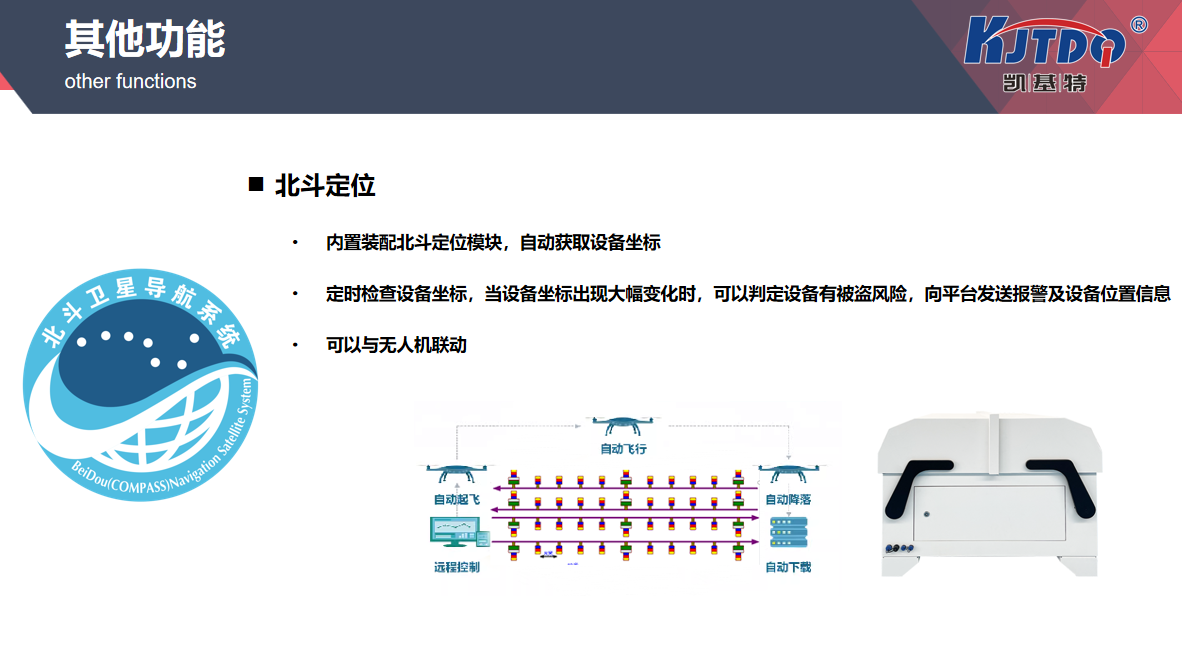
Of course, the application of intelligent warning systems for highways goes far beyond this. With the continuous advancement of technology, these systems are becoming increasingly intelligent and comprehensive. For example, by combining big data and artificial intelligence technologies, intelligent warning systems can make predictions based on historical data and current environment, and identify potential traffic accidents or road damage in advance. In addition, the system can interact with vehicles through wireless communication technology to provide personalized safety recommendations, further enhancing the safety and comfort of travel.
In the future, the application scope of intelligent warning systems for highways will continue to expand, and their functions will become more diverse. It can be foreseen that with the development of autonomous driving technology, intelligent warning systems will become an indispensable part of autonomous vehicles. Through deep integration with the auto drive system, the intelligent early warning system will help vehicles better identify and avoid potential dangers, and ensure the safety and reliability of automatic driving.
Overall, the application of intelligent warning systems on highways has brought us a new experience and guarantee for our travel. It not only improves the efficiency of highway management, but also creates a safer driving environment for drivers and passengers. In today's constantly developing technology, we have reason to believe that intelligent warning systems will play a more important role in future traffic management and become the backbone of the smart transportation era.
In summary, the application of intelligent warning systems for highways is not only a technological advancement, but also a significant change in traffic safety management. Through real-time monitoring, early warning, and data analysis, these systems provide comprehensive guarantees for highway safety. With the continuous upgrading of technology, intelligent warning systems will become more intelligent and efficient, providing stronger support for future traffic safety. Therefore, both highway managers and drivers and passengers should actively pay attention to and promote the popularization and application of intelligent warning systems, and jointly contribute to the construction of a safer and more efficient transportation environment.
Finally, I would like to say that the intelligent warning system for highways is not only a technological victory, but also a guardian of safe travel. In future traffic management, these systems will become more intelligent and popular, providing us with more comprehensive protection for our travel. In today's rapidly advancing technology, let us look forward to more innovation and safety improvements brought by intelligent warning systems for highways.
1. How to integrate the intelligent warning system for highways with existing traffic management systems?
The intelligent warning system for highways can seamlessly integrate with existing traffic management systems through data sharing and communication protocols. Through interconnectivity, the system can receive real-time data from different sources and transmit warning information to the traffic command center, achieving unified scheduling and management, thereby improving the efficiency and response speed of overall traffic management.
2. How does the intelligent warning system perform under extreme weather conditions?
The intelligent warning system is specially designed to operate under extreme weather conditions. The sensors and monitoring equipment in the system can operate normally in rainstorm, snow, fog and other conditions, and monitor the road conditions in real time. When danger is detected, the system will quickly sound an alarm to assist drivers and traffic managers in taking appropriate measures to ensure driving safety.
3. Will intelligent warning systems have an impact on traffic flow?
The purpose of intelligent warning systems is to optimize traffic flow, not to interfere with it. When the system issues a warning, it usually advises drivers to slow down or detour to avoid dangerous road sections, thereby avoiding traffic congestion caused by accidents or other emergencies. By effectively managing traffic flow, intelligent warning systems can actually help reduce congestion and improve road traffic efficiency.
4. Is the maintenance cost of highway intelligent warning system high?
The maintenance cost of an intelligent warning system depends on the complexity and scope of application of the system. Although the initial installation and deployment costs may be high, maintenance costs are gradually decreasing with the development of technology and large-scale applications. In the long run, intelligent warning systems can save significant costs for highway management departments by reducing traffic accidents and improving management efficiency.
5. Can intelligent warning systems be applied to urban roads?
Although intelligent warning systems are mainly used on highways and roads with complex terrain, they are also applicable to urban roads. Especially in urban areas with dense traffic flow and frequent accidents, intelligent warning systems can monitor traffic conditions and environmental changes in real time, helping managers and drivers respond to potential risks in a timely manner, and improving the safety and efficiency of urban transportation.