When we mention highways, many people think of fast and safe driving experiences. However, with the increase of traffic volume, the safety management of highways has become increasingly complex. Traditional management methods often rely on manpower and experience, but in the face of increasingly complex traffic environments, these alone are no longer sufficient to meet the needs of modern highways. At this time, the highway safety management system emerged, which provides us with more intelligent and efficient safety management methods through advanced technological means.
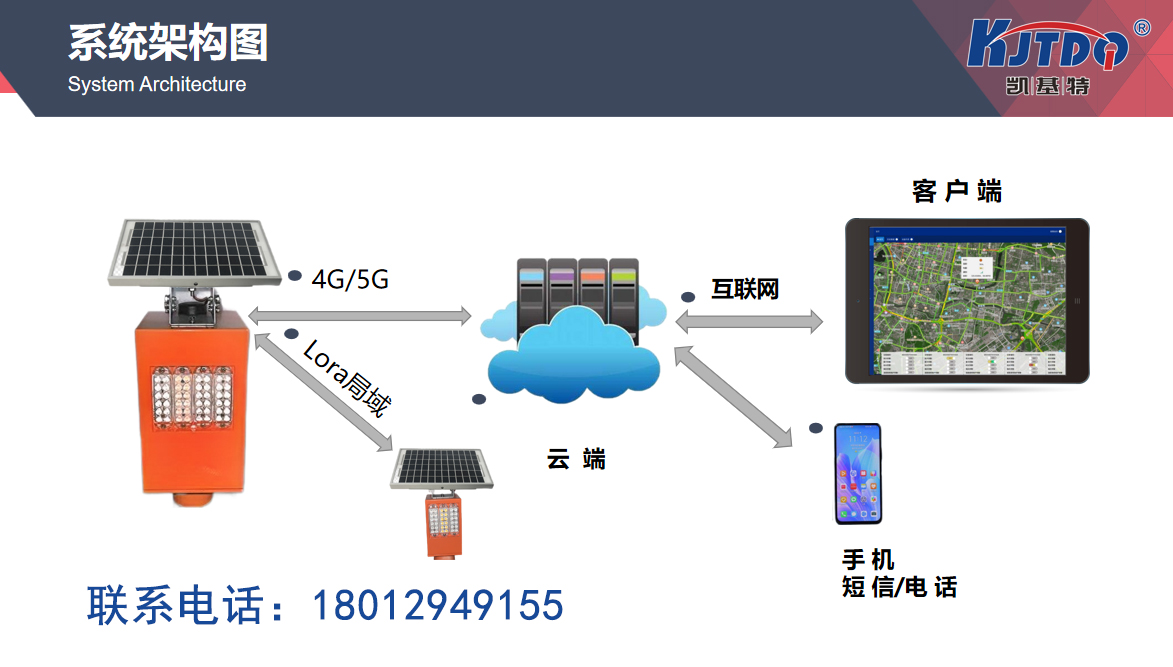
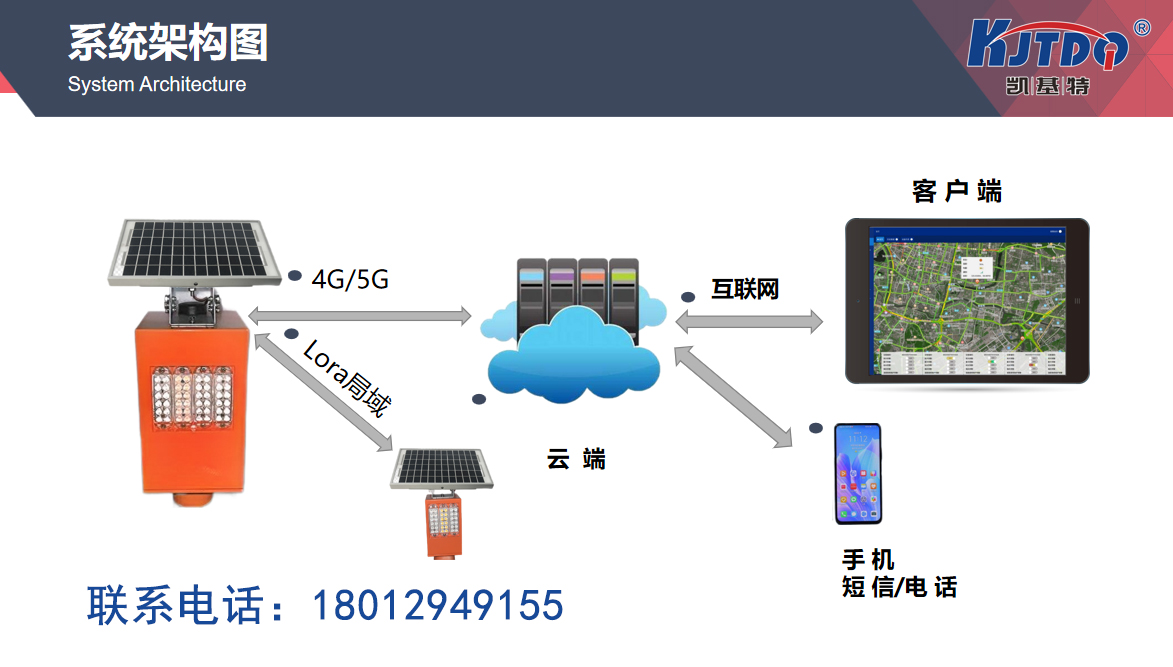
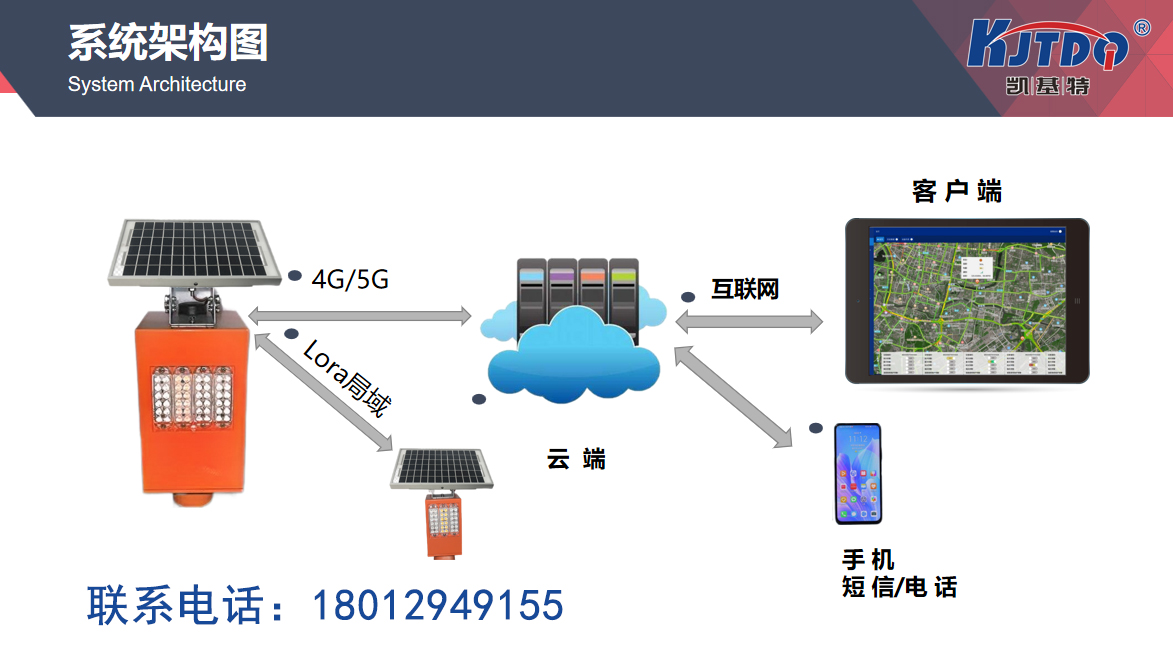
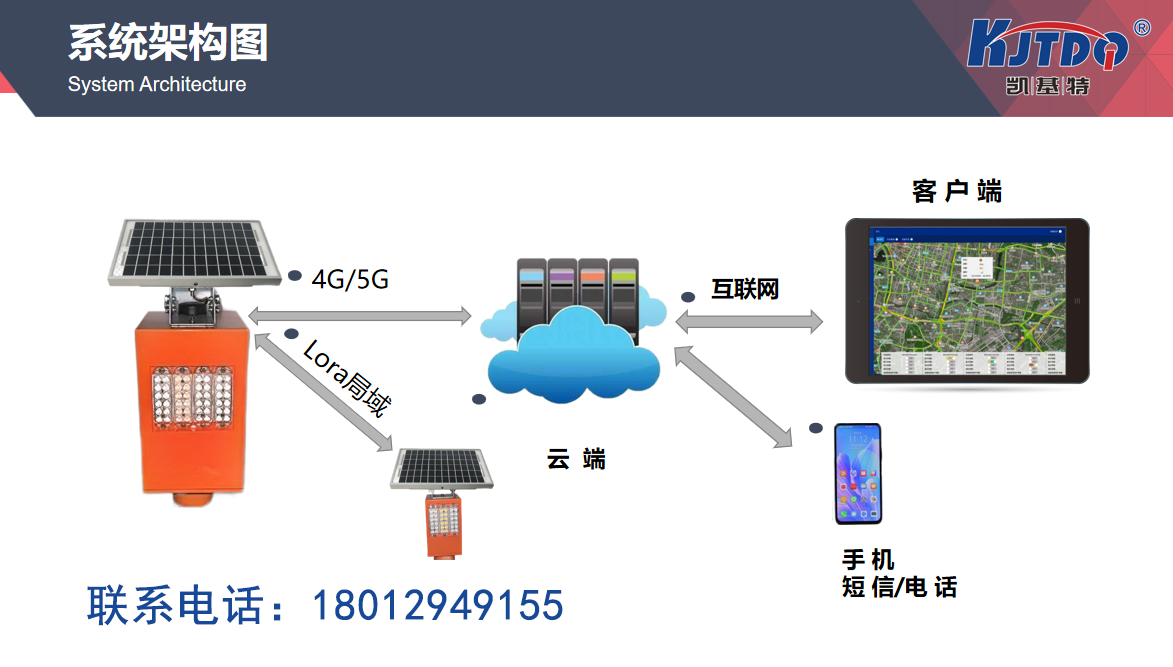
The highway safety management system, as the name suggests, is a safety management tool specifically designed for highways. It utilizes a series of high-tech methods, such as video surveillance, sensor networks, data analysis platforms, etc., to monitor various safety indicators of highways in real time. The system can automatically identify potential safety hazards, such as traffic congestion, accidents, and multiple vehicle rear end collisions, and issue timely alerts to notify relevant departments to take measures to avoid more serious accidents.
The most common safety hazards on highways are speeding, fatigue driving, and adverse weather conditions. These issues not only affect the safety of drivers, but also threaten the life and property safety of all traffic participants. The highway safety management system can detect real-time information such as vehicle speed, lane departure, and driver status through intelligent monitoring devices, and immediately remind and intervene when abnormalities are detected. For example, when the system detects that a vehicle is speeding or showing signs of fatigue driving, it can issue a warning to the driver through electronic displays on the roadside, or even directly interface with the vehicle's internal safety system through wireless communication technology to take speed limits or other measures to ensure driving safety.
In addition, the highway safety management system can effectively respond to emergencies. On highways, the speed of handling emergencies is directly related to the safe passage of the road and the secondary injury caused by accidents. The system is capable of real-time monitoring of road conditions. In the event of a traffic accident or other emergency situation, the system will quickly transmit information to the traffic management center and remind other drivers to slow down and avoid accidents through electronic displays, broadcasts, and other means. The management center can also quickly dispatch rescue vehicles, clearing equipment, and emergency personnel based on the data provided by the system, ensuring timely and effective handling of accidents.
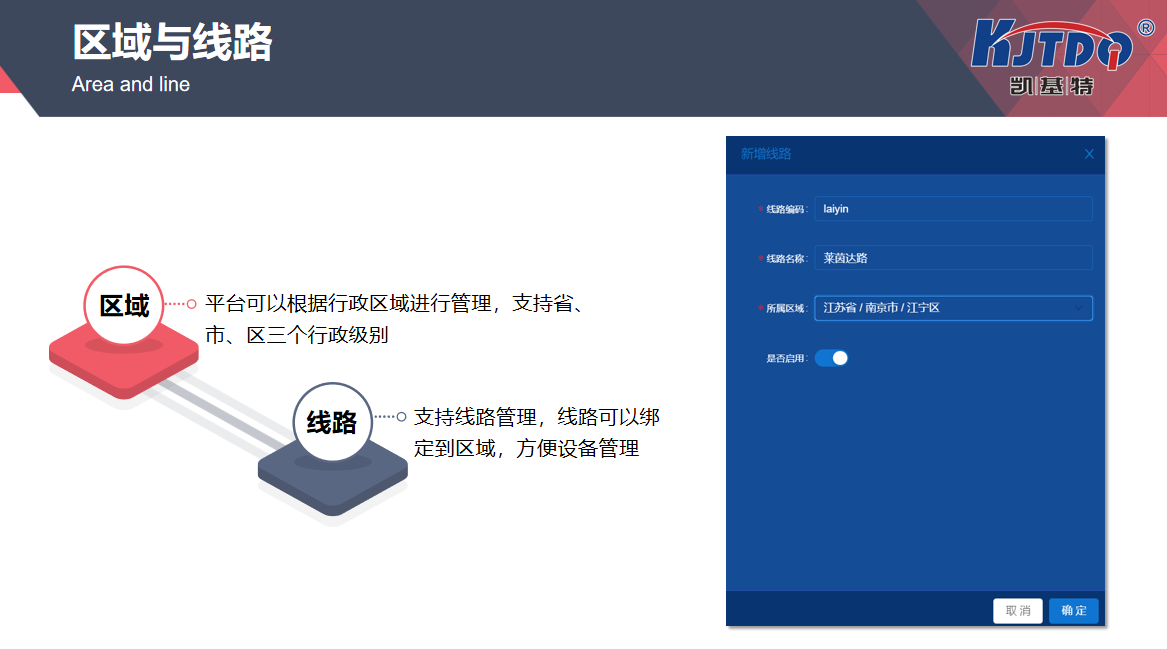
The highway safety management system not only plays an important role in accident prevention and handling, but also helps traffic management departments optimize daily management work. Through real-time monitoring and analysis of data, the system can accurately predict the trend of traffic flow changes and optimize road condition management. For example, the system can dynamically adjust the speed limit signs on highways based on the traffic flow at different time periods, optimize the traffic efficiency at toll stations, and even take anti-skid and antifreeze measures in advance according to weather forecasts to provide drivers with a safer driving environment.
Of course, the significance of the highway safety management system is not only to ensure the safety of drivers, but also to greatly improve the efficiency of the entire transportation system. Through intelligent management methods, the system can reduce the incidence of traffic accidents, lower the risk of traffic congestion, and enhance the overall traffic capacity of roads. This not only reduces the time cost for drivers, but also saves social resources, providing strong support for economic development.
From a technical perspective, the highway safety management system integrates the latest technologies from multiple fields, such as artificial intelligence, big data, and the Internet of Things. The system can collect real-time road information 24/7 through devices such as cameras, radar, and weather sensors. Then, these data will be transmitted to the intelligent analysis system in the background, and after processing, detailed road condition reports will be generated to provide decision support for the management department. The system also has a learning function, which can automatically adjust management strategies and optimize resource allocation based on historical data and current road conditions.
In the future, the highway safety management system will further become intelligent and integrated. With the development of 5G networks and the popularization of vehicle networking technology, the real-time performance and response speed of the system will be greatly improved. Future systems will be able to achieve bidirectional interaction between vehicles and systems, and even directly control the driving status of vehicles through autonomous driving technology. Imagine driving on a highway, where the vehicle is seamlessly connected to the management system and road conditions are updated in real-time. You can drive with peace of mind and enjoy the safety and convenience brought by technology.
In summary, the highway safety management system not only provides us with a safer driving environment, but also offers traffic management departments more scientific and efficient management tools. With the continuous advancement of technology, this system will become more perfect and feature rich, providing us with a strong support for our daily travels. In the future, both drivers and managers will benefit from it. Every kilometer of driving becomes more reassuring thanks to the protection of the highway safety management system.
1. How can the highway safety management system help reduce traffic congestion?
The highway safety management system can accurately predict and identify traffic congestion points through real-time monitoring and data analysis. Once abnormal traffic flow is detected, the system will automatically adjust the speed limit of the road section, divert vehicles, or promptly notify traffic management personnel to take measures, effectively alleviating traffic pressure and reducing congestion.
2. How does the system handle the impact of severe weather on highway safety?
When encountering severe weather, the highway safety management system will monitor weather changes in real time through meteorological sensors, automatically adjust speed limits, and issue warning messages when necessary to remind drivers to take safety measures and reduce driving risks. In addition, the system can also take proactive measures, such as activating road heating devices or deploying anti-skid equipment in icy and snowy weather.
3. How does the highway safety management system improve driving safety?
The system monitors the real-time driving status of vehicles, such as speed, distance, and lane keeping, through devices such as cameras and sensors. Once dangerous behavior is detected, the system will immediately issue an alert or intervene directly, such as adjusting speed limits or warning drivers to correct their driving behavior, greatly improving driving safety.