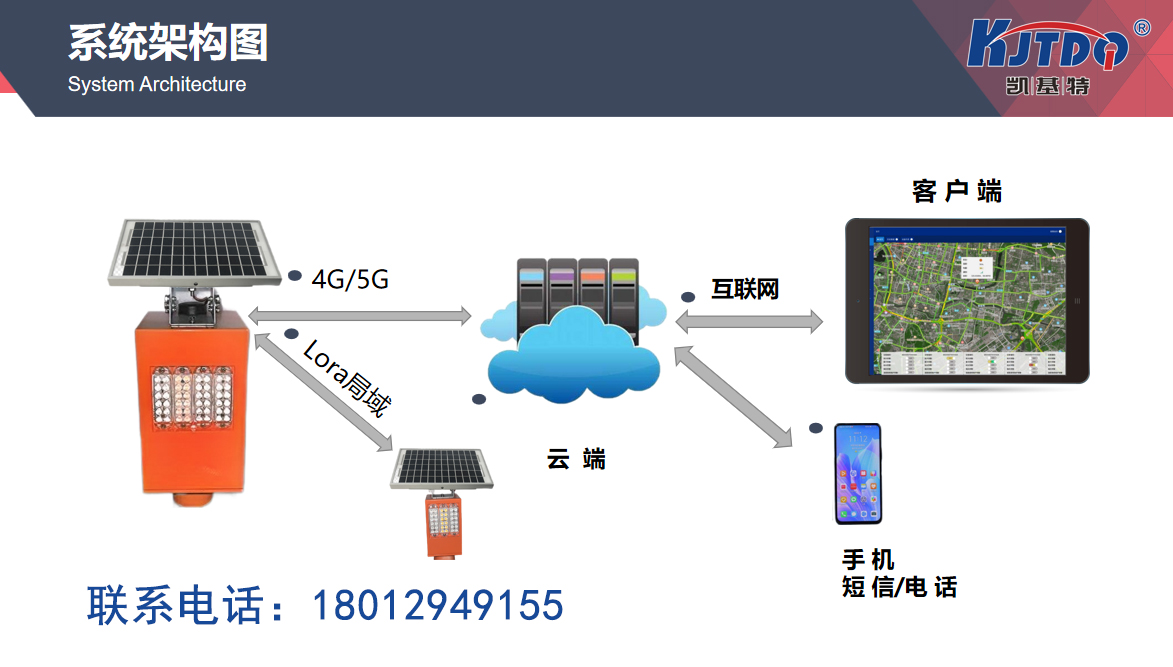
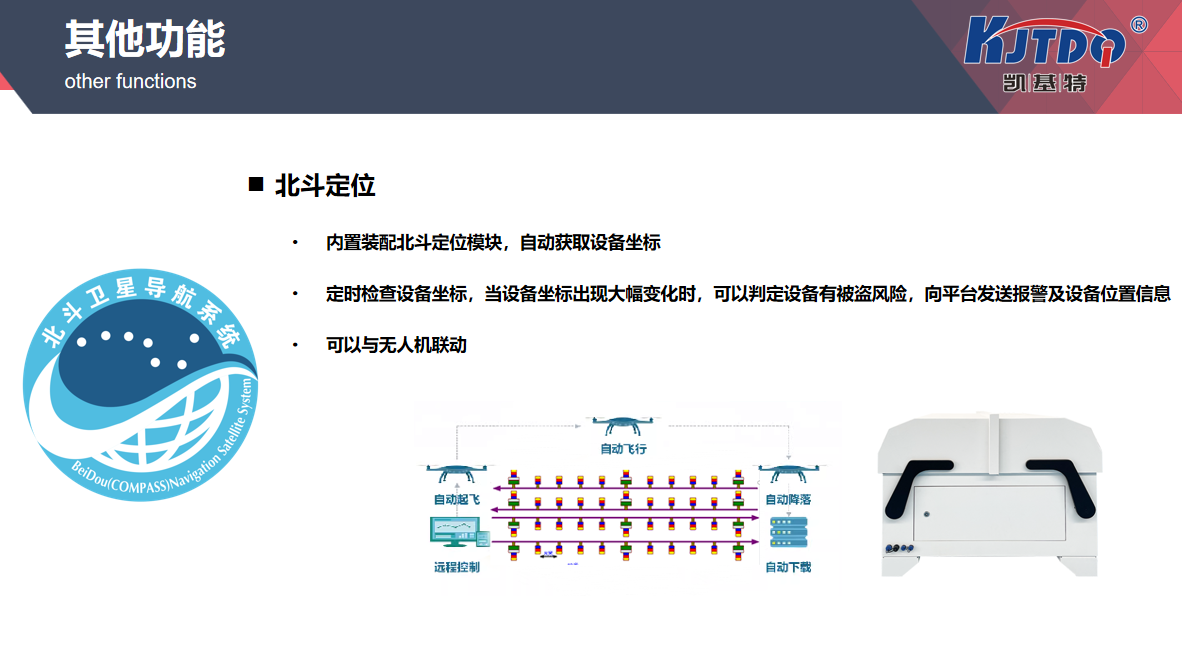
On highways, traffic safety is the most concerning issue for every driver and passenger. With the increase of traffic flow and changes in highway environment, how to effectively monitor and ensure the safety of highways has become an urgent problem to be solved. The highway safety monitoring solution is designed to address these challenges by utilizing advanced technology and intelligent systems to enhance the safety management level of highways and ensure the safety of every pedestrian.
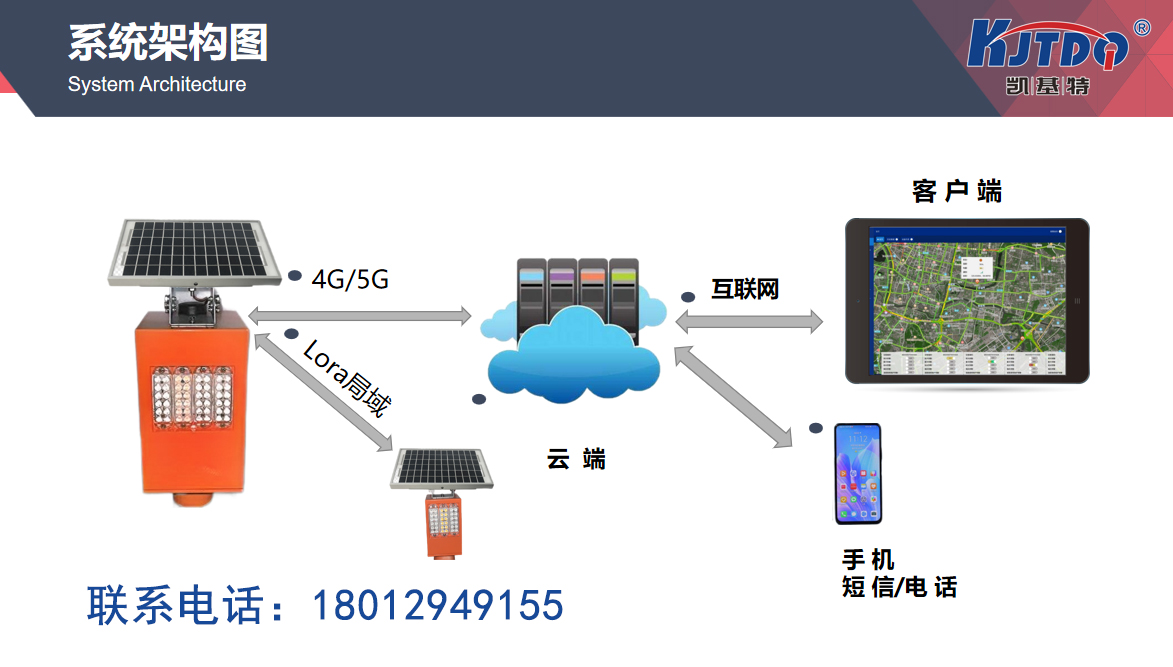
The core idea of the highway safety monitoring solution is to improve road safety through real-time monitoring, data analysis, and intelligent warning. These systems can not only monitor traffic flow, vehicle speed, and road conditions, but also identify potential safety hazards such as traffic accidents, vehicle malfunctions, or extreme weather conditions. Through real-time data analysis and intelligent warning functions of the system, management departments can take timely measures to prevent accidents, reduce traffic congestion, and ensure road safety.
Main components
Real time monitoring systemThe foundation of highway safety monitoring is a comprehensive real-time monitoring system. Including but not limited to:
Data collection and processing unitCollect data transmitted from various sensors and cameras and perform preliminary processing. These units are typically equipped with high-performance computing power and storage space, ensuring the ability to process large amounts of real-time data.
Intelligent analysis systemBased on the data transmitted by the data collection unit, the intelligent analysis system utilizes advanced algorithms and artificial intelligence (AI) technology to conduct in-depth analysis of the data. The system can automatically identify abnormal situations, such as vehicle collisions, road icing, or traffic congestion, and generate warning information.
Warning and notification mechanismOnce the system identifies a potential security issue, it will immediately issue a warning. These warnings can be notified to drivers and traffic management personnel through traffic signs, broadcasting systems, or mobile applications. The timeliness and accuracy of the warning mechanism directly affect the effectiveness of accident prevention.
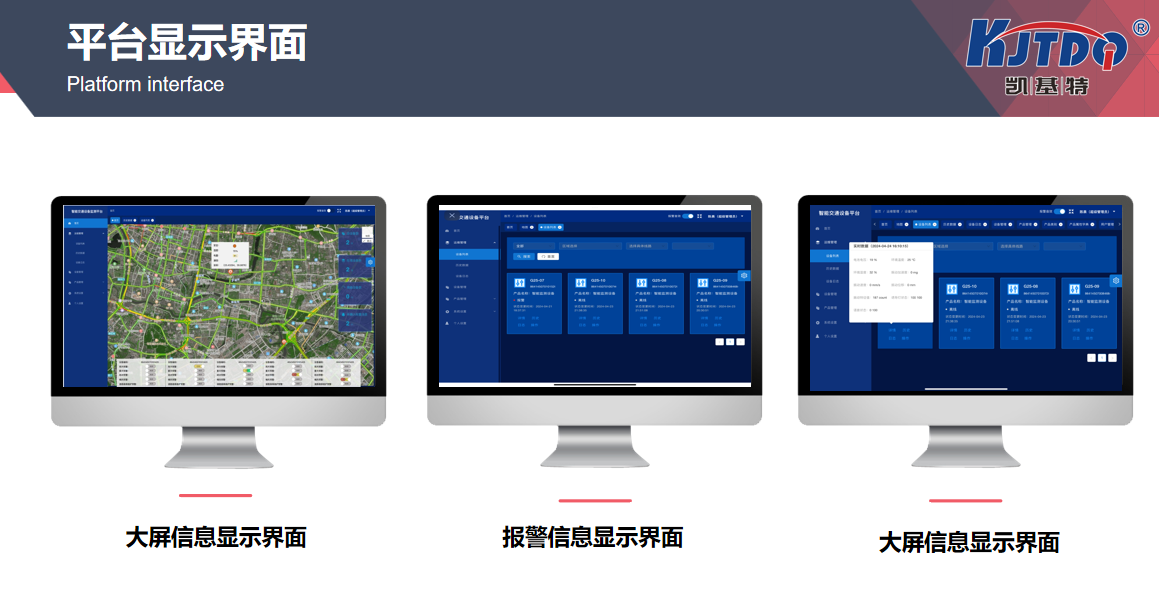
Management PlatformCentralize the display of all monitoring data and warning information to provide decision-making support for traffic management departments. Management platforms usually have visual interfaces, which facilitate monitoring personnel to quickly understand road conditions and make corresponding decisions.
Advantages of the solution
Enhance road safetyThrough real-time monitoring and intelligent warning, the system can promptly detect and handle potential safety hazards, reducing the incidence of accidents. For example, when the system detects road icing, it will immediately issue an alarm to prompt the driver to slow down.
Optimize traffic flowThe intelligent analysis system can monitor traffic flow, identify the causes of traffic congestion, and provide optimization suggestions. The management department can adjust traffic signals or set temporary traffic controls based on data to improve road traffic efficiency.
Reduce accident response timeThe system can quickly identify the location of the accident and notify relevant rescue departments and management personnel. By responding quickly, it is possible to shorten the accident handling time and reduce the impact on traffic.
Improve management efficiencyThe centralized management platform provides comprehensive data views and analysis tools, enabling traffic management departments to conduct road management and decision-making more efficiently. Reduced the workload of manual monitoring and improved the accuracy of management.
Future Development Trends
Intelligence and automationFuture highway safety monitoring solutions will be more intelligent and automated. Artificial intelligence (AI) technology will further enhance the accuracy and real-time performance of data analysis, achieving automated warning and decision support.
Application of 5G technologyWith the promotion of 5G technology, data transmission speed and network stability will be greatly improved. This will make real-time monitoring and data transmission more efficient, further enhancing the system's responsiveness.
Multiple data fusionFuture systems will integrate more data sources, such as drone monitoring and vehicle mounted sensor data, to achieve multi-dimensional data fusion and analysis, providing more comprehensive road safety protection.
Environmental adaptabilityWith the increase of climate change and extreme weather events, future monitoring systems will have stronger environmental adaptability. For example, new environmental sensors can more accurately detect the impact of severe weather on roads, thereby providing more effective warnings.
The highway safety monitoring solution has played an important role in improving road safety, optimizing traffic flow, and enhancing management efficiency. Through the continuous development of technology and intelligent systems, future solutions will be more efficient, precise, and comprehensive. For traffic management departments, investing in advanced monitoring systems is not only a necessary measure to improve road safety, but also an effective way to address future traffic challenges. Through continuous innovation and optimization, the highway safety monitoring solution will continue to provide safer travel protection for every traveler.
1. How can highway safety monitoring solutions improve nighttime driving safety?
The highway safety monitoring solution plays a crucial role in ensuring nighttime driving safety
1. Night vision camera: The night vision camera equipped in the system can provide clear views in low light environments. Through infrared technology or low light enhancement technology, these cameras can effectively capture road and traffic conditions at night, improving the reliability of nighttime monitoring.
2. Automatic alarm system: The response speed for nighttime traffic accidents or abnormal situations is more critical. The real-time monitoring system can quickly identify accidents or emergencies through sensors and cameras, and immediately issue alerts to traffic management departments to ensure timely handling.
3. Vehicle speed monitoring: The system can monitor the vehicle speed in real time and issue warnings when overspeed behavior is detected. Especially at night, with significant changes in road conditions, timely reminders to drivers to slow down can help reduce the risk of accidents.
4. Road condition monitoring: Common issues of slippery or icy road surfaces at night can be detected through environmental sensors. The system will issue warnings based on sensor data, reminding drivers to pay attention to road conditions and avoid accidents.
Through these measures, the highway safety monitoring solution significantly improves the safety of nighttime driving and helps drivers better cope with various situations in low visibility conditions.
2. How to ensure the real-time data accuracy of the highway safety monitoring system?
Ensuring the accuracy of data in the highway safety monitoring system is crucial, and the following measures can help achieve this goal:
1. High quality sensors: Use high-precision sensors and devices to collect data, ensuring that the transmitted information is true and reliable. For example, high-resolution cameras and high-precision radar can provide accurate traffic flow and speed data.
2. Regular calibration: The sensors in the system need to be calibrated regularly to maintain their accuracy. Regular maintenance and inspection can identify and correct possible errors, ensuring that the system continues to provide accurate data.
3. Data redundancy: In order to improve the reliability of data, the system can set up redundant sensors. When the main sensor fails, the backup sensor can take over the data collection work to ensure the integrity and continuity of the data.
4. Data validation: Validate the collected data through algorithms and data fusion techniques. For example, the system can compare the data of different sensors to identify abnormal values and ensure the accuracy of data.
Through these measures, the accuracy of data in the highway safety monitoring system can be significantly improved, providing reliable basis for traffic management and safety decision-making.
3. How to integrate highway safety monitoring solutions with intelligent transportation systems?
The highway safety monitoring solution can be efficiently integrated with intelligent transportation systems, including:
1. Data sharing: The data from the monitoring system can be shared in real-time with the intelligent transportation system, providing comprehensive information on traffic flow, speed, and road conditions for the traffic management department. This helps to adjust traffic signals in real-time and manage traffic flow.
2. Intelligent scheduling: The integrated system can perform intelligent scheduling based on real-time monitoring data. For example, when the system detects traffic congestion, it can automatically adjust traffic signals, optimize traffic flow, and improve road traffic efficiency.
3. Warning system: The warning information from the monitoring system can be combined with the intelligent transportation system to automatically issue alerts and notify drivers and traffic management personnel. For example, when the road is frozen, the system can display warning information on traffic signs, prompting the driver to slow down.
4. Data analysis: The integrated system is capable of conducting more comprehensive data analysis. By analyzing traffic flow, accident data, and environmental information, intelligent transportation systems can develop optimized traffic management strategies to improve road safety and efficiency.
Integrating these systems not only improves the management level of highways, but also enhances the intelligent control capability of traffic flow, and strengthens overall traffic safety.
4. How can highway safety monitoring solutions cope with extreme weather conditions?
Coping with extreme weather conditions is an important task of highway safety monitoring systems:
1. Environmental sensors: The environmental sensors equipped in the system can monitor extreme weather conditions in real time, such as storms, ice and snow. These sensors can provide accurate weather data to help assess the impact on roads in a timely manner.
2. Automatic warning: The system can automatically identify the impact of extreme weather on road safety and issue timely warnings. For example, when snowfall or freezing conditions are detected, the system will notify drivers through traffic signs or broadcast systems, reminding them to take necessary protective measures.
3. Real time adjustment: Under extreme weather conditions, the system can automatically adjust traffic signals and control measures based on real-time data. For example, in heavy rainfall weather, the system can lower the speed limit to reduce the risk of accidents.
4. Maintenance and inspection: After extreme weather, the system will automatically conduct road condition checks and arrange necessary maintenance work based on monitoring data to ensure road safety.
These measures help the highway safety monitoring system effectively respond to extreme weather conditions, ensuring road safety and traffic capacity.