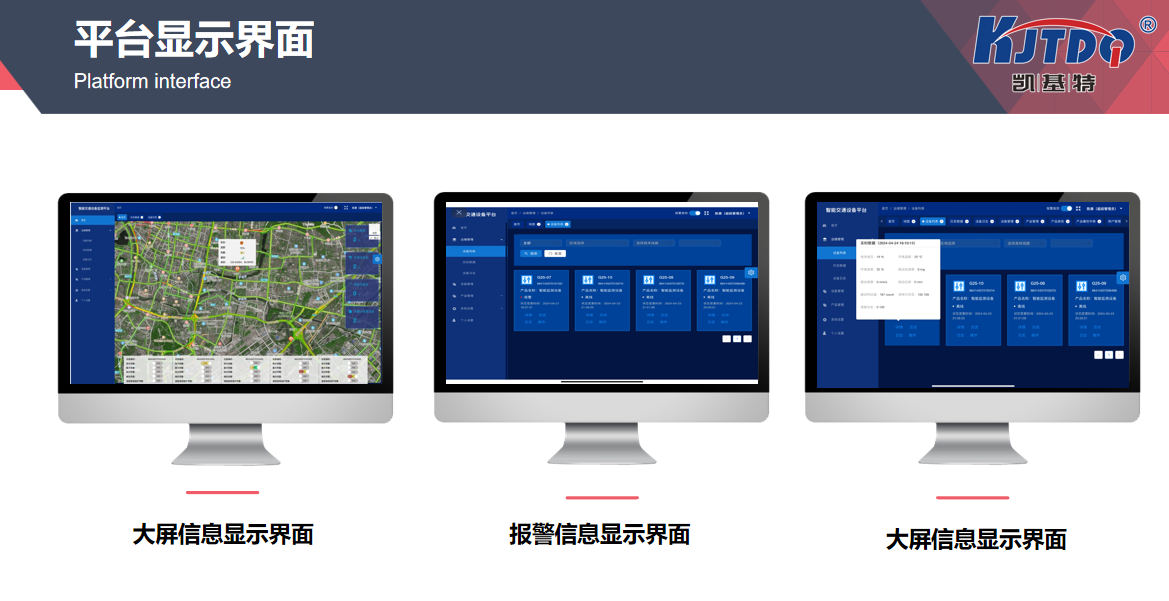
Winter has arrived, and with the sudden drop in temperature, the problem of road icing has become increasingly prominent, especially in areas with sudden temperature changes, where the threat of road icing is ubiquitous. You should know that once the road surface freezes, the difficulty of driving will increase significantly, the braking distance will become longer, the vehicle is prone to skidding, and a slight carelessness may lead to traffic accidents. In response to this serious problem, highway icing warning system equipment has emerged as an important technological means to ensure winter road safety.
The highway icing warning system equipment is designed to detect icing conditions on the road surface and issue warnings in the shortest possible time. These devices are usually installed on key sections of highways, such as bridges, tunnel entrances, sharp turns, and low-lying areas. These places are more prone to water accumulation and freezing in winter, and are often accident prone areas. The device can detect the possibility of road icing in advance by monitoring environmental parameters such as temperature, humidity, and wind speed in real time, and issue warnings to drivers in the first time, reminding them to pay attention to road conditions, reduce vehicle speed, and prevent accidents from happening.
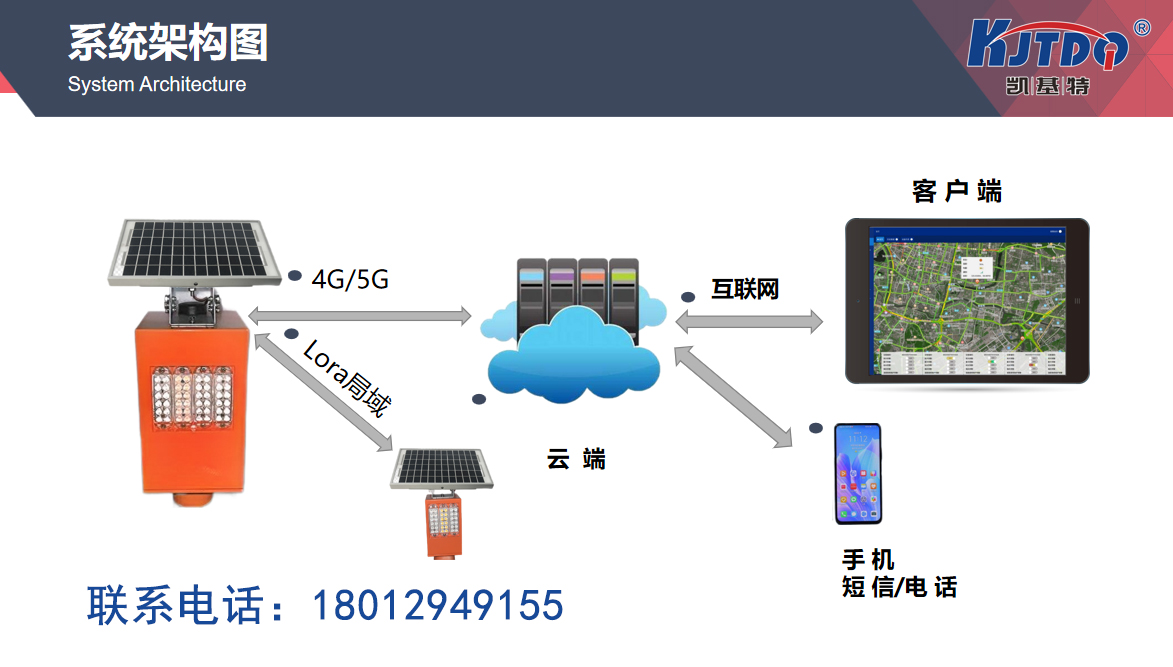
The working principle of the highway icing warning system equipment is actually not complicated. The core is to collect real-time data of the road surface and environment through a combination of various sensors. After these data are transmitted to the central processing unit, the system will analyze them to determine if there is a risk of icing. Once the possibility of icing is detected, the system will quickly transmit the information to passing drivers through electronic displays, wireless broadcasts, and even mobile apps on the road. In addition, these devices can also be linked with the traffic management center to automatically adjust the time settings of traffic signals, control vehicle speed, and even close dangerous road sections when necessary to ensure road safety.
The advantages of the highway icing warning system equipment are obvious. Firstly, it can greatly reduce traffic accidents caused by road icing. Every winter, there are countless traffic accidents caused by road icing, many of which could have been avoided through timely warnings. Secondly, these devices have a high degree of intelligence and can make accurate judgments based on real-time data, reducing the occurrence of false alarms. For traffic managers, this not only improves work efficiency, but also helps them better manage road safety in winter.
However, the highway icing warning system equipment is not omnipotent. In extremely harsh weather conditions, such as blizzards or cold waves, the monitoring effectiveness of equipment may be affected to some extent. For example, sensors may be covered in snow, which affects the accuracy of data collection, or wireless signals may transmit unstably due to weather conditions. Therefore, although these devices can greatly improve the safety of winter driving, the driver's own cautious driving is equally indispensable. In extreme weather conditions, drivers need to pay more attention to road conditions, adjust their driving speed at any time, and maintain a safe distance. Even with the help of equipment, they cannot take it lightly.
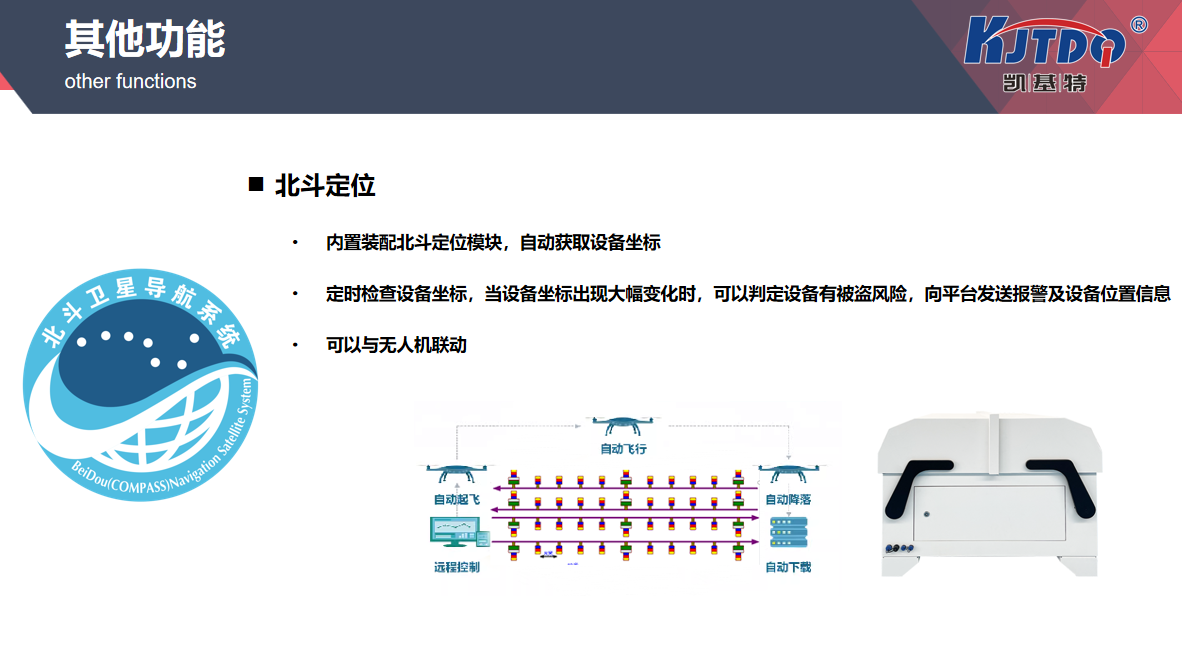
In the future, with the continuous advancement of technology, the functions and performance of highway icing warning system equipment will continue to improve. For example, with the help of artificial intelligence and big data analysis technology, devices will be able to more accurately predict icing risks and provide more personalized warning information. In addition, with the popularization of 5G technology, the data transmission speed of devices will be greatly improved, and the real-time warning will also be further enhanced. These technological advancements will further reduce winter road safety risks and provide drivers with a safer and more convenient travel experience.
From my perspective, the highway icing warning system equipment will become a standard feature on every highway in the future. Especially in areas with significant temperature differences during winter, the installation of such equipment should become a key project in road construction and maintenance. Whether it is the construction of new highways or the upgrading and renovation of existing roads, such intelligent devices should be included. The traffic management department should also strengthen publicity and education, so that drivers can understand the role and importance of these devices, and improve their safety awareness and prevention ability. Only through the joint efforts of the whole society can we truly achieve safe passage on winter roads, reduce accidents, and protect the life and property safety of every traveler. The development of technology has brought us closer to achieving "zero accidents", and the highway icing warning system equipment is an important part of achieving this goal.
1. Can the highway icing warning system equipment be integrated with other traffic management systems?
Yes, the highway icing warning system equipment can be integrated with existing traffic management systems. For example, the device can be linked with traffic signal systems, road camera monitoring systems, and electronic toll collection systems to form an integrated intelligent traffic management platform. This integration can achieve more efficient road management, such as automatically adjusting signal light time after warning is issued, slowing down traffic speed, or prompting drivers to slow down through toll stations, further improving driving safety.
2. Is the cost of installing highway icing warning system equipment high?
The installation cost of highway icing warning system equipment mainly depends on the length of the road section, the number of monitoring devices, and the complexity of the installation environment. Although the initial investment may be high, in the long run, these devices can effectively reduce traffic accidents, lower road maintenance and medical expenses caused by accidents, and therefore have good economic benefits. In addition, with the advancement of technology and the popularization of equipment, costs will gradually decrease, and more roads will be able to afford the installation of these smart devices.
3. How can these devices maintain accuracy in the event of extensive icing?
The highway icing warning system equipment monitors road conditions in real-time over a wide area through a distributed sensor network. Even in the case of large-scale icing, these sensors can still provide accurate local data, helping the system to accurately analyze the icing situation on different road sections. The system can also dynamically adjust the monitoring frequency through adaptive algorithms to ensure high-precision warning during critical moments of icing occurrence.