Landslides are one of the main causes of road interruptions and traffic accidents in mountainous and hilly areas. Road landslides not only threaten driving safety, but may also have serious impacts on the lives and property of local residents. To address this challenge, the intelligent prevention system for road landslides has emerged. This advanced technology provides strong support for road management departments through real-time monitoring, data analysis, and intelligent warning to prevent and mitigate the hazards caused by landslides in advance. This article will provide a detailed introduction to the key technologies, practical applications, and future prospects of the intelligent prevention system for road landslides.
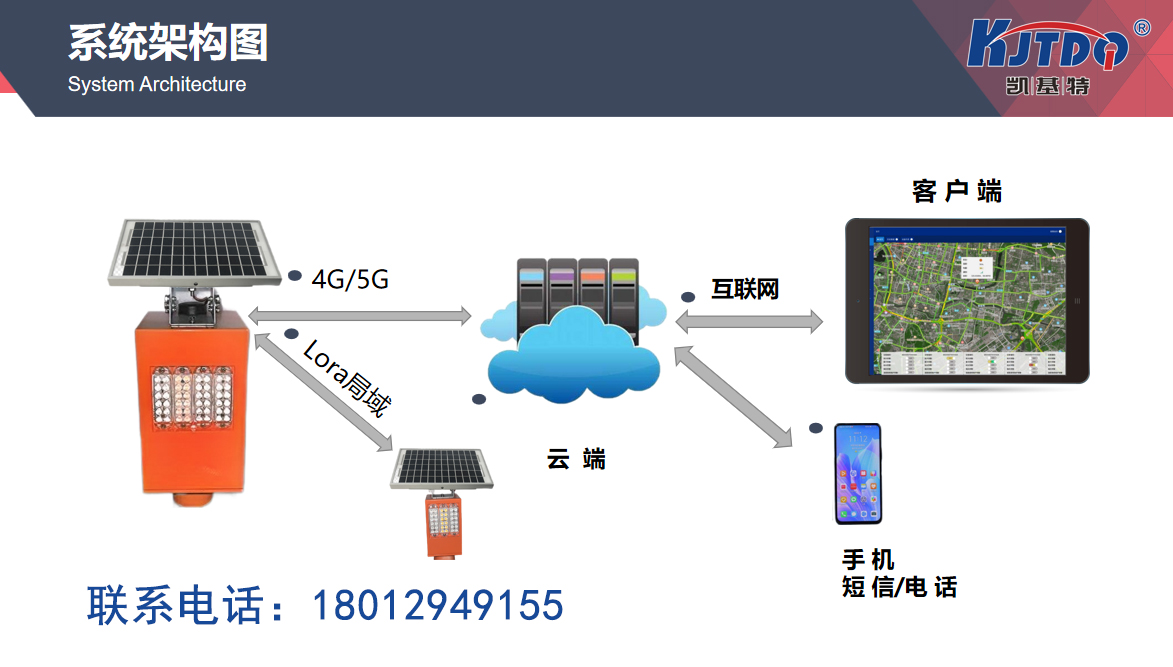
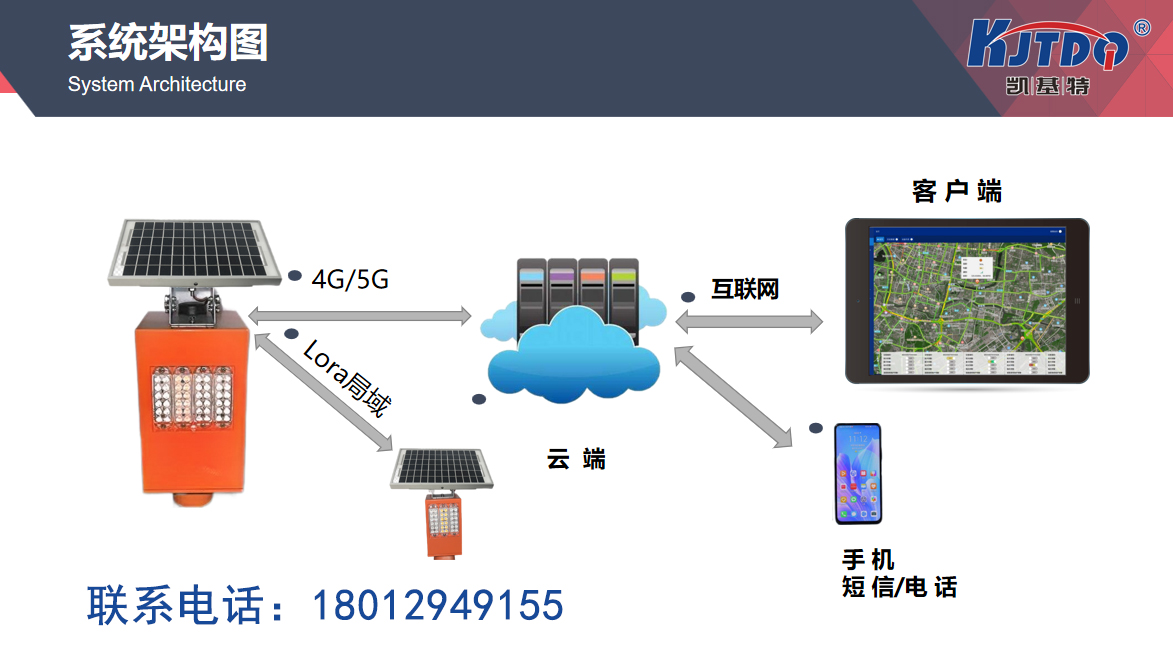
The core of the intelligent prevention system for road landslides lies in real-time monitoring and intelligent warning of landslide hazards. The system typically includes the following key technical components:
Sensor network:The system monitors the geological and environmental conditions of landslide areas in real-time by deploying various types of sensors, such as geological sensors, humidity sensors, tilt sensors, and displacement sensors. These sensors can detect changes in soil moisture, ground tilt angle, and crustal displacement to determine the risk of landslides.
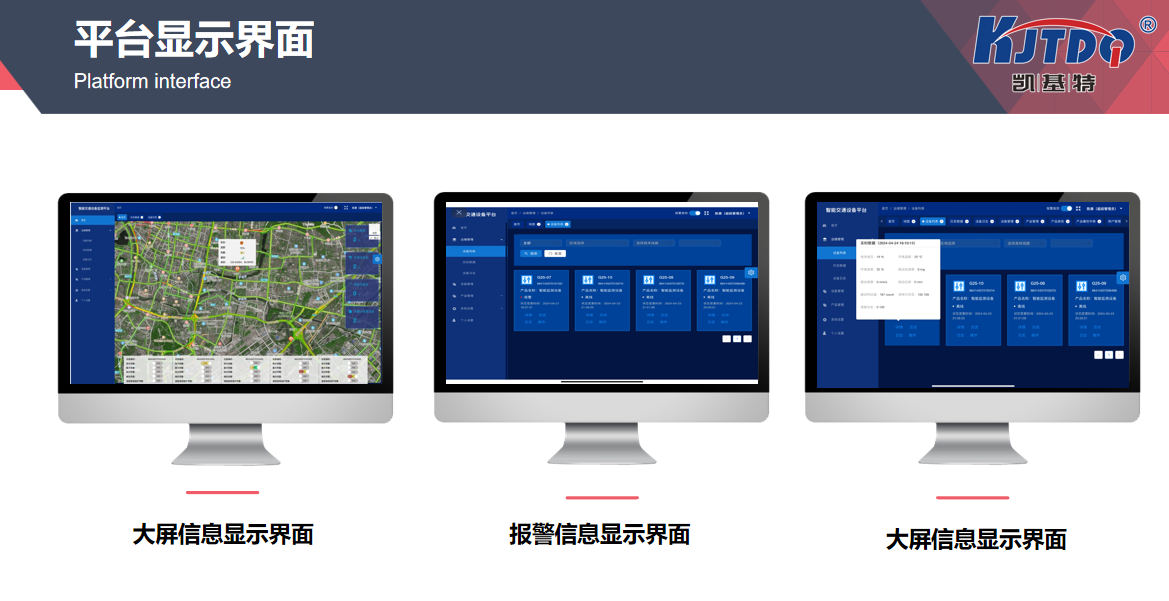
Data collection and processing:The data collected by sensors is transmitted to the central processing platform through wireless networks. The platform uses advanced data analysis and artificial intelligence algorithms to process the collected data in real-time and identify potential landslide risks. For example, the system can analyze whether the rapid changes in soil moisture exceed the normal range and predict the possible time and location of landslides.
Warning mechanism:Once the system detects the risk of landslides, the intelligent warning mechanism will be activated immediately. Warning information is conveyed to road management departments and the public through various channels, including electronic displays, alarm systems, mobile notifications, and traffic signals. These warning messages help drivers and managers take timely measures to avoid the danger caused by landslides.
Response and Coordination:On the basis of landslide warning, the system also provides emergency response suggestions. For example, based on the predicted location and scale of the landslide, the system can suggest closing specific road sections, dispatching rescue forces, or implementing temporary traffic control. This coordination ability can greatly improve the efficiency and effectiveness of emergency response.
The intelligent prevention system for road landslides has been practically applied in multiple countries and regions. For example, this intelligent system has been installed on highways and major transportation arteries in mountainous areas of Japan and China. These systems effectively reduce the occurrence of landslide accidents through real-time monitoring and warning.
Intelligent landslide prevention systems have also been installed on highways in some mountainous areas of China. These systems can not only monitor landslide risks in real-time, but also provide emergency response support after landslides occur. For example, when the system detects a landslide, it will immediately notify the traffic management center and activate emergency response procedures to ensure the rapid restoration of traffic order.
The main advantages of the intelligent prevention system for road landslides are its efficiency and precision. Through real-time monitoring and data analysis, the system can provide warnings before landslides occur, greatly reducing the risk of accidents. Compared with traditional landslide monitoring methods, intelligent systems can respond faster and provide more accurate predictive information, thereby improving road safety.
In addition, intelligent prevention systems also have high adaptability. The system can be adjusted according to the geological conditions and environmental changes in different regions to ensure its effectiveness. For example, in humid climate conditions, the system may detect soil moisture changes more frequently, while in arid areas, it may focus more on monitoring geological displacement.
In the future, the intelligent prevention system for road landslides is expected to further develop and improve. With the advancement of sensor technology and the improvement of data analysis capabilities, the system will be able to provide more accurate warnings and emergency responses. In addition, the system can also be integrated with other intelligent transportation management systems to achieve information sharing and comprehensive management. For example, by combining meteorological data and traffic flow information, the system can more accurately predict landslide risks and optimize traffic management measures.
From my perspective, the intelligent prevention system for road landslides is an important technology for improving road safety in mountainous areas. The threat of landslides to traffic safety cannot be ignored, and intelligent prevention systems provide strong support for road management through real-time monitoring and accurate warning. Although the construction and maintenance of this system require a certain amount of investment, in the long run, it will greatly reduce accidents and losses caused by landslides, ensuring the safety of public travel.
In addition, I believe that with the continuous advancement of technology and the popularization of applications, intelligent prevention systems for road landslides will play an increasingly important role in the future. We should actively promote the development of this technology and apply it to more mountainous and high-risk areas to provide more comprehensive protection for road traffic safety.
The intelligent prevention system for road landslides represents the cutting-edge application of modern technology in the field of traffic safety. Through real-time monitoring, data analysis, and intelligent warning, this technology can effectively prevent the dangers caused by landslides and improve road safety. In the future, with the continuous advancement of technology and the expansion of applications, the intelligent prevention system for road landslides will provide stronger support for road management and traffic safety. Let us look forward to this technology playing a greater role in ensuring traffic safety.
1. How can the intelligent prevention system for road landslides ensure long-term stable operation?
The long-term stable operation of the intelligent prevention system for road landslides involves maintenance and management in multiple aspects. Firstly, the hardware part of the system needs to be regularly inspected and maintained, including calibration and replacement of sensors. Sensors may drift or be damaged due to environmental factors, therefore maintenance and inspection should be carried out according to the manufacturer's recommendations. Secondly, the software part of the system needs to be regularly updated to fix potential vulnerabilities and introduce new features. These updates can be completed remotely, but in some cases, on-site upgrades may also require professional technicians. In addition, to ensure the long-term stable operation of the system, it is necessary to regularly evaluate the overall performance of the system to confirm its ability to continuously provide accurate data and effective warnings. This evaluation includes data accuracy testing and system stress testing to ensure that the system can still operate normally under extreme weather or high load conditions. Through these comprehensive measures, the intelligent prevention system can maintain efficient and stable operation in the long term, ensuring road safety.
2. What are the initial investment and maintenance costs of the intelligent prevention system for road landslides?
The initial investment for the intelligent prevention system for road landslides includes equipment procurement, installation, and system debugging costs. Although the initial investment is relatively high, in the long run, the system can effectively reduce the losses caused by landslides, thereby saving maintenance and repair costs. The maintenance cost mainly includes system upgrades and regular inspections, which usually require annual budget arrangements. These costs are worth it compared to the huge losses that landslides may cause.
3. How does the intelligent prevention system perform data analysis and prediction?
The intelligent prevention system processes sensor collected data by integrating advanced data analysis algorithms. These algorithms analyze parameters such as soil moisture and displacement, and compare them with historical data to predict landslide risks. The system also utilizes machine learning techniques to improve the accuracy of predictions, continuously optimizing the prediction model according to different scenarios.