In modern traffic management, AI road safety monitoring is gradually becoming an indispensable component. We live in an era of rapid technological development, and the guarantee of traffic safety no longer relies solely on traditional methods. The emergence of AI road safety monitoring provides us with a new solution, which utilizes artificial intelligence technology to monitor and analyze road conditions in real time, greatly improving the level of road safety. This advanced system, through efficient data processing and intelligent analysis, can identify potential safety hazards in real time, greatly reducing the occurrence of traffic accidents.
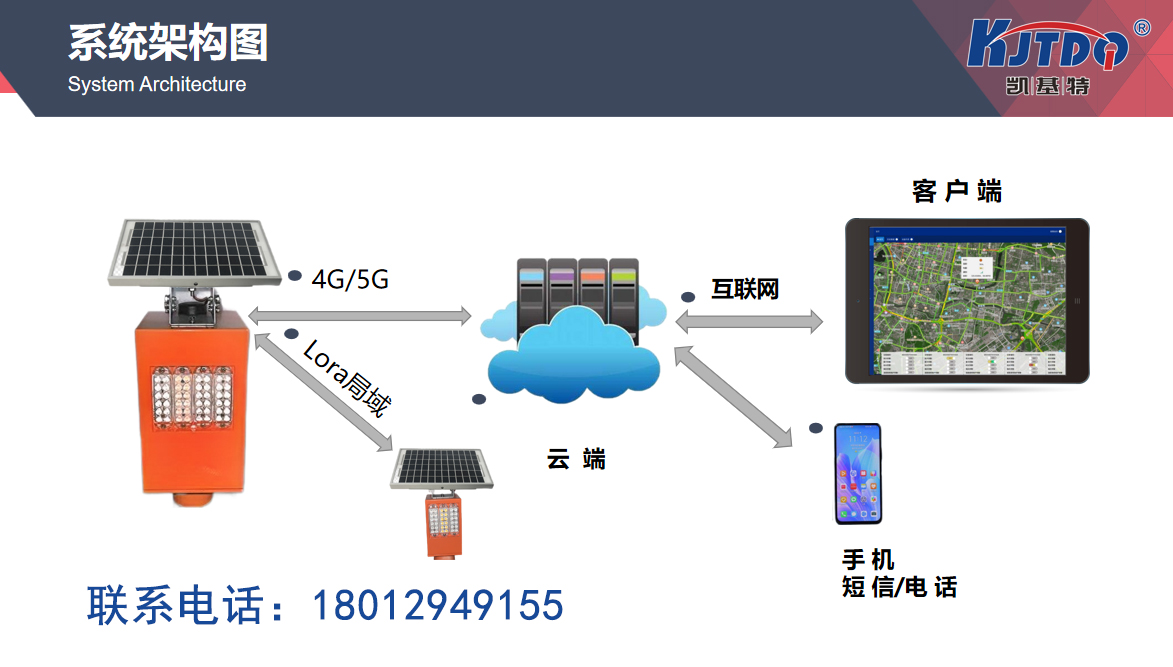
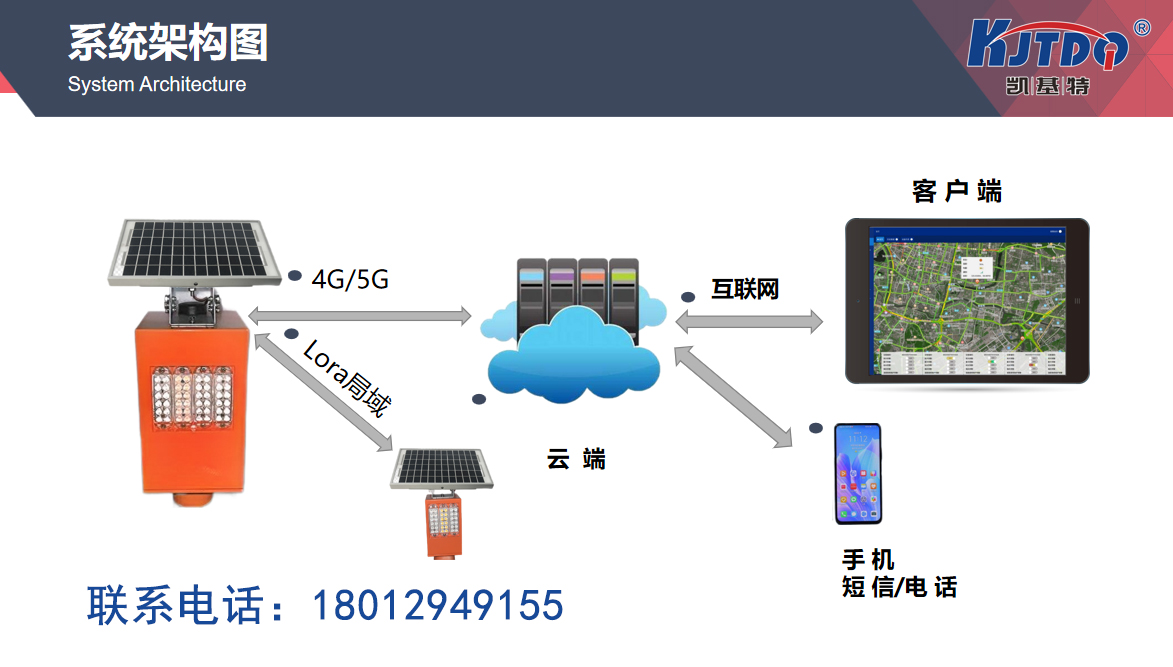
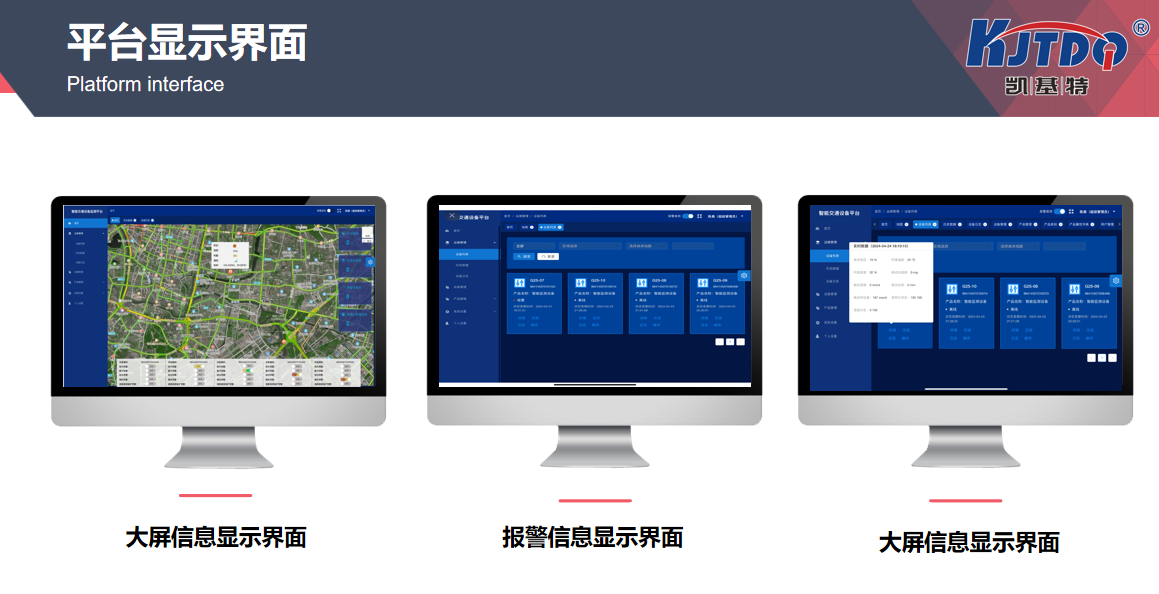
The core of the AI road safety monitoring system lies in its powerful data analysis capabilities and accurate warning functions. The system continuously collects information on road conditions, traffic flow, and environmental changes through devices such as cameras and sensors installed on the road. These data will be transmitted to the central processing system, and through analysis by artificial intelligence algorithms, various possible safety hazards can be quickly identified, such as abnormal vehicle speeds, traffic congestion, road damage, etc. When the system detects potential risks, it will immediately issue warnings to remind traffic management departments and drivers to take timely measures, effectively avoiding accidents.
In practical applications, the advantages of AI road safety monitoring systems are particularly significant. For example, on urban roads with high traffic flow, the system can analyze the traffic flow in real time, predict and warn of possible traffic congestion problems. This not only helps traffic management departments better schedule traffic signals, but also provides drivers with more accurate route recommendations, reducing time waste and unnecessary pressure caused by congestion. In addition, in adverse weather conditions such as rain and snow, the system can promptly detect road slippage and unclear visibility, and issue alerts to help drivers adjust their driving strategies and ensure safe driving.
In addition, AI road safety monitoring has played an important role in improving traffic management efficiency. Traditional traffic monitoring often relies on manual inspection and post analysis, which is inefficient and prone to omissions. And AI systems, through automated monitoring and real-time data analysis, not only reduce the need for manual intervention, but also quickly respond when problems arise. This efficient working method greatly enhances the scientificity and accuracy of road management, and also makes the operation of the public transportation system smoother.
On the other hand, the intelligence level of AI road safety monitoring systems is also constantly improving. Through deep learning and pattern recognition techniques, the system is able to extract valuable information from massive amounts of data for more accurate risk assessment. For example, the system can predict the probability of traffic accidents on a certain road section based on historical data and real-time conditions, and take preventive measures in advance. In addition, the system can also be integrated with other intelligent transportation systems to form a more comprehensive traffic management solution, achieve data sharing and collaborative work, and improve the overall level of traffic management.
Although AI road safety monitoring systems have many advantages, they also face some challenges. Firstly, the installation and maintenance of the system require a certain cost, which may be a challenge for traffic management departments with limited budgets. Secondly, the accuracy of the system depends on the quality of data and the optimization of algorithms. Ensuring the accuracy of data and the reliability of algorithms is also a problem that the system needs to solve. In addition, privacy protection and data security of the system are also important considerations. How to protect personal privacy while ensuring security still requires further technological exploration and standardization.
Overall, the application of AI road safety monitoring systems is a revolution in modern traffic management. It provides strong protection for road safety through intelligent data analysis and real-time monitoring. Whether in preventing traffic accidents, improving traffic efficiency, or responding to emergencies, AI road safety monitoring systems have demonstrated enormous potential and value. With the continuous advancement of technology and the gradual promotion of applications, we have reason to believe that this system will play an increasingly important role in future traffic management, safeguarding our travel.
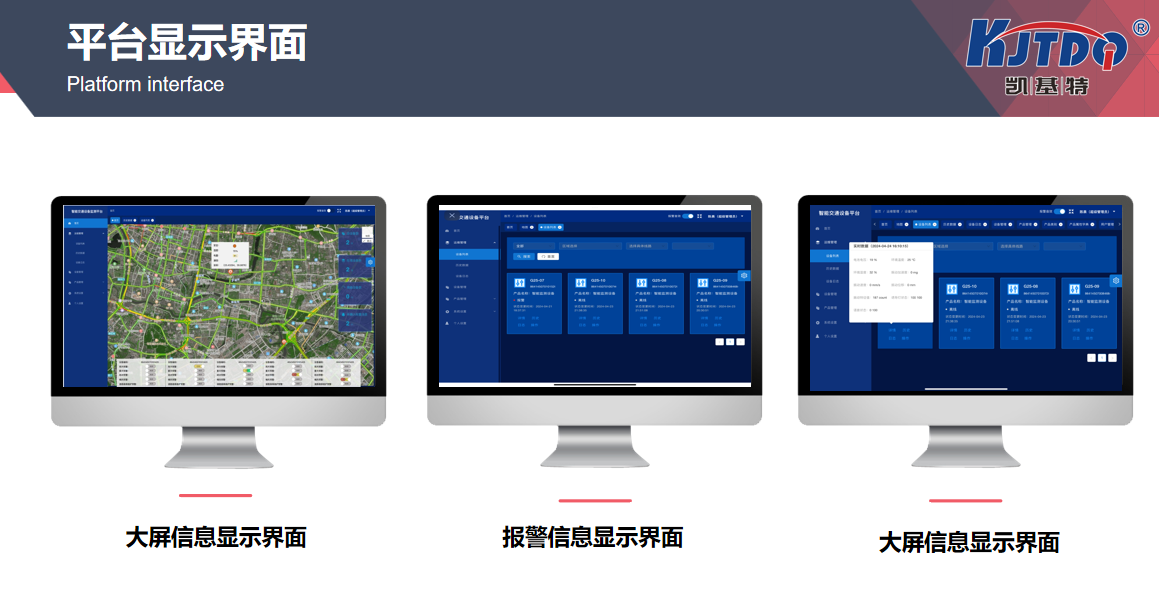
Finally, I believe that AI road safety monitoring is not only a technological innovation, but also a deep concern for everyone's safe travel. With the help of intelligent technology, our roads will become safer and smoother, making every trip a pleasant experience. In the future, with the continuous development of technology and the deepening of applications, AI road safety monitoring systems will provide us with higher levels of road safety protection, opening a new era of intelligent traffic management. Therefore, we should actively support the promotion and application of this technology, and jointly create a safer and smarter travel environment.
1. How does the AI road safety monitoring system handle and analyze massive amounts of data?
The AI road safety monitoring system relies on advanced computing technology and machine learning algorithms to process and analyze massive amounts of data. The system collects various data such as vehicle speed, traffic flow, weather conditions, and road conditions through cameras and sensors installed on the road. These data will first be transmitted to the data center and processed through high-performance computing servers. Then, the system uses machine learning algorithms to perform deep analysis on these data, identifying potential abnormal patterns and security risks. For example, using image recognition technology, the system can identify obstacles or accident vehicles on the road; By using predictive analysis, the system can predict possible traffic congestion situations. In this way, AI systems can convert massive amounts of data into useful information, provide timely warnings and suggestions, and help traffic management departments and drivers make better decisions.
2. How can AI road safety monitoring systems respond to different road environments and conditions?
The AI road safety monitoring system is designed with consideration of different road environments and conditions to ensure its effective operation in various situations. The sensors and cameras of the system will be selected and arranged according to the specific road environment. For example, on mountainous roads, the system may use higher resolution cameras and more sophisticated weather sensors to cope with complex terrain and changing weather conditions; In urban roads, the system may need to handle higher traffic flow and frequent traffic signal changes. In order to adapt to different environments, the system will also undergo regular calibration and maintenance to ensure the stability of the equipment and the accuracy of the data. In addition, the system can adjust its data analysis algorithm according to different environmental conditions, so that it can better cope with specific challenges such as rainfall, haze, or strong light interference.
3. How can the AI road safety monitoring system be integrated with other traffic management systems?
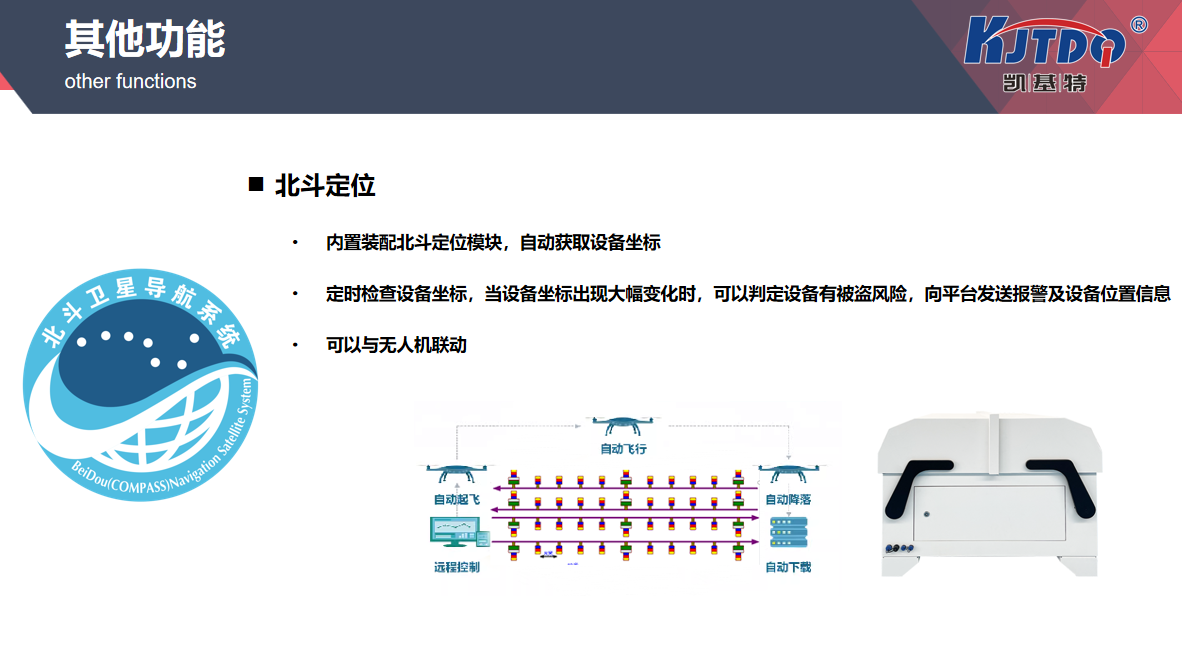
The AI road safety monitoring system can seamlessly integrate with other traffic management systems through open interfaces and standardized data formats. For example, it can share and collaborate data with traffic signal control systems, traffic flow management systems, public transportation dispatch systems, and more. Through this integration, the system can provide a more comprehensive traffic management solution. For example, when an AI system detects an accident on a certain road section, it can immediately transmit the information to the traffic signal control system, automatically adjusting the signal lights to alleviate traffic congestion; At the same time, the data is transmitted to the public transportation dispatch system to adjust the bus route and time. This collaborative work between systems not only improves the efficiency of traffic management, but also provides drivers with more accurate and timely travel information.
4. What are the deployment and maintenance costs of an AI road safety monitoring system?
The deployment and maintenance costs of AI road safety monitoring systems are relatively high, but the benefits they bring are also significant. The initial installation of the system requires the purchase of high-performance sensors and cameras, the construction of a data processing center, and the integration and debugging of the system, all of which require a certain amount of capital investment. However, with the development of technology and the expansion of scale, the cost of the system gradually decreases, and at the same time, the maintenance of the system can also reduce labor costs through automated means. For example, the sensors and cameras of the system can be remotely monitored and automatically calibrated, reducing the need for on-site maintenance personnel. In addition, the system can maintain its efficiency and accuracy through regular software upgrades and data analysis optimization. Overall, although the initial investment is relatively large, the system can significantly improve road safety and reduce accidents. In the long run, the social and economic benefits it brings are very considerable.