
When driving on highways, the biggest fear for everyone is sudden landslides. The sudden collapse of the mountain and the rolling of gravel can cause catastrophic consequences in an instant. In these dangerous road sections, especially those high-speed sections that are constantly affected by rainwater erosion and geological movements, the risk of landslides is even more prevalent. In order to ensure the safety of drivers' lives and property, the emergence of intelligent landslide warning systems on high-speed roads has become particularly important. This system can not only monitor landslide risks in real time, but also issue warnings in advance to help drivers avoid danger, thereby greatly reducing the occurrence of traffic accidents. So, what is an intelligent landslide warning system for highway sections? How does it ensure our travel safety? Today we will talk about this topic.
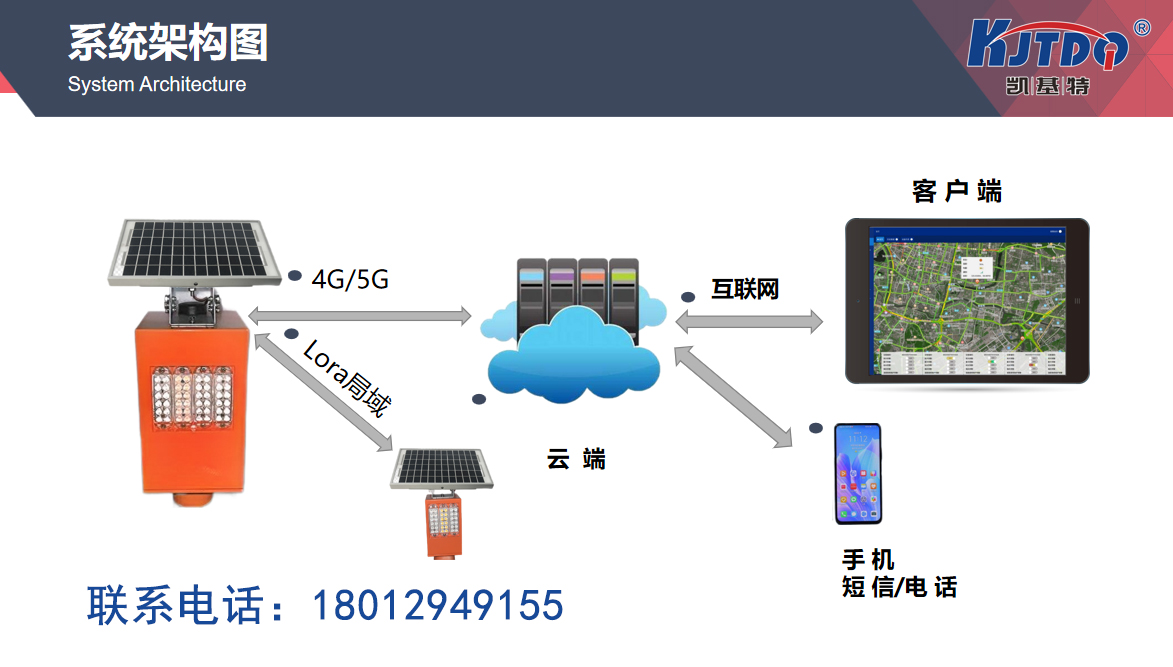
The intelligent warning system for landslides on highways, as the name suggests, is an intelligent device specifically designed to monitor and warn of landslide risks. Its core lies in capturing real-time geological changes around high-speed road sections through various advanced sensors, monitoring devices, and intelligent algorithms. The system will continuously monitor the surface conditions around the road section, especially some geological weaknesses that are prone to landslides. Once the system detects landslide precursors such as increased soil moisture content and intensified surface deformation, it will immediately issue warning information, notify relevant departments to take response measures, and issue warnings to drivers on the road section to remind them to avoid danger.
These warning system devices typically include earthquake sensors, inclinometers, soil moisture sensors, and high-definition cameras. Earthquake sensors can capture small ground vibration signals, inclinometers can monitor subtle movements of mountains, and soil moisture sensors are used to detect changes in soil moisture, especially during rainfall periods, when the system pays special attention to this indicator. The data collected by these sensors will be immediately transmitted to the data processing center for analysis and processing by intelligent algorithms. If the risk of landslides increases, the system will automatically trigger a warning to ensure that relevant personnel and drivers can obtain landslide information in a timely manner and take corresponding protective measures.
With the rapid development of technology, the intelligent warning system technology for landslides on high-speed roads is constantly being updated and optimized. Early landslide warning technologies relied more on manual observation and simple mechanical equipment. Although such warning methods could be effective to some extent, they often had unsatisfactory results due to delayed response time or inaccurate warnings. Nowadays, thanks to the introduction of cutting-edge technologies such as the Internet of Things, artificial intelligence, and big data, landslide intelligent warning systems have become more intelligent and efficient.
Modern landslide warning systems use various high-precision sensors that can continuously monitor geological activities around high-speed roads 24 hours a day, capturing real-time landslide precursor information including mountain movement, earthquakes, soil moisture changes, etc. Combined with big data analysis and artificial intelligence algorithms, the system can not only accurately predict the time and location of landslides, but also comprehensively evaluate landslide risks based on historical data and real-time monitoring data, ensuring the accuracy and timeliness of early warning.
In addition, with the development of 5G technology, the response speed and information transmission efficiency of intelligent landslide warning systems on high-speed roads have also been greatly improved. The high-speed and low latency characteristics of 5G networks enable warning systems to transmit warning information to relevant departments and drivers in a very short period of time, maximizing the time to respond to landslides.
The intelligent warning system for landslides on high-speed roads has shown significant effectiveness in practical applications. Especially on highways with complex geological conditions and high landslide risks, this intelligent warning system plays a crucial role. For example, in some mountainous highways, landslide accidents occur frequently due to steep terrain and heavy rainfall. Since the installation of the landslide intelligent warning system, the traffic accident rate has significantly decreased, and the closure time of road sections caused by landslides has also been greatly shortened.
In addition, in some areas with higher altitudes and longer rainy seasons, the effectiveness of intelligent landslide warning systems on highway sections cannot be ignored. The system can send an early warning hours or even days in advance before the arrival of rainstorm to remind the traffic management department to take preventive measures in advance, such as dredging drainage facilities, closing dangerous sections, or issuing traffic warnings, so as to avoid major accidents caused by landslides. In practical applications, these warning measures effectively ensure the safety of drivers' lives and property, and greatly reduce the cost and time of repairing highway sections.
Although the intelligent landslide warning system for highway sections has achieved significant results, with the complexity of geological changes and the intensification of climate change, future landslide warning systems still need to be further upgraded and optimized. Firstly, the accuracy and sensitivity of sensors need to be improved, especially when facing extreme weather and geological conditions, the system needs to have stronger anti-interference ability and reliability. In addition, with the rise of autonomous driving technology, future landslide warning systems can be combined with autonomous driving technology to achieve more comprehensive and intelligent landslide monitoring and warning through the sensor network of autonomous vehicles.
Secondly, the intelligence level of the warning system will be further enhanced. Through artificial intelligence and big data analysis, the system can not only predict the occurrence of landslides, but also evaluate the impact range and intensity of landslides, providing more accurate warning information. At the same time, the system can also develop personalized landslide response plans based on different geological conditions and historical data, ensuring the practicality and operability of warning information.
Finally, with the popularization of 5G networks and the development of satellite communication technology, the intelligent warning system for landslides on high-speed roads will achieve wider coverage and more real-time information transmission. In the future, landslide warning information will be able to be quickly and accurately conveyed to every driver and traffic manager, providing stronger support for ensuring the safety and smooth operation of highways.

Overall, the intelligent warning system for landslides on highways has become an important tool for ensuring highway safety. Through advanced sensor technology, intelligent algorithms, and high-speed information transmission technology, this system can issue early warnings before landslides occur, buying valuable response time for drivers and traffic management departments. However, it is worth noting that despite continuous technological advancements, we cannot rely solely on warning systems. Drivers still need to remain vigilant, pay attention to road conditions, and abide by traffic rules while driving in order to truly achieve safe travel. The intelligent warning system for landslides on highways is a line of defense for us to safeguard safety, but ultimately safety depends on the prudence and sense of responsibility of each and every one of us.
1. How can this system be integrated with existing traffic management systems?
The intelligent landslide warning system can seamlessly integrate with existing traffic management systems. Warning information can be directly transmitted to the traffic control center to assist in formulating traffic diversion plans, such as closing dangerous road sections or adjusting driving routes. In addition, the system can also be linked with intelligent signs on highways to display real-time warning information to drivers, ensuring that the information is quickly and effectively conveyed to every driver.
2. Can the landslide intelligent warning system adapt to different geological environments?
The intelligent landslide warning system has high adaptability and can be personalized according to different geological environments. By setting appropriate sensor types and layouts, the system can effectively monitor landslide risks under various geological conditions. Whether in mountainous, hilly, or plain areas, the system can accurately monitor and warn based on local geological characteristics and historical data.
3. Can the system function properly under extreme weather conditions?
The modern landslide intelligent early warning system has been specially designed to operate stably in extreme weather conditions (such as rainstorm, snowstorm, gale, etc.). The sensors and communication devices of the system typically have a high level of protection, capable of withstanding adverse weather conditions and ensuring reliable warning information at the most critical moments. This is crucial for the safety management of highways, especially in extreme weather conditions.
4. How can ordinary drivers cooperate with landslide warning systems to improve driving safety?
Ordinary drivers should immediately slow down and remain vigilant when receiving landslide warnings, and comply with the warning information issued by the system. Especially during the rainy season and nighttime driving, it is important to pay close attention to warning signs and road conditions along the way to avoid parking in potentially dangerous areas or staying for long periods of time. In addition, drivers should also understand some basic emergency response methods so that they can quickly respond in case of emergencies and ensure their own safety.