During winter driving, road icing is one of the most headache inducing issues for many drivers. Especially on cold mornings or nights, icy roads can become dangerous' invisible killers' at any time. Therefore, the emergence of road icing monitoring systems provides us with great safety guarantees. This system can not only monitor real-time temperature and humidity changes on the road, but also provide timely warnings of road icing, thereby reducing the occurrence of traffic accidents.
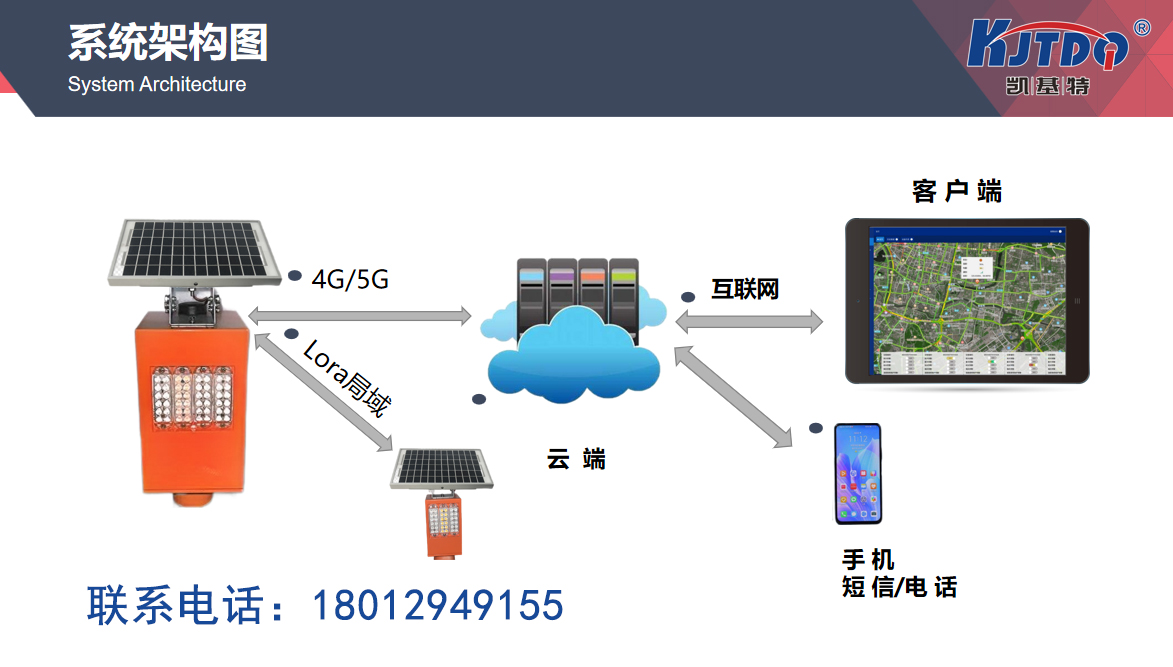
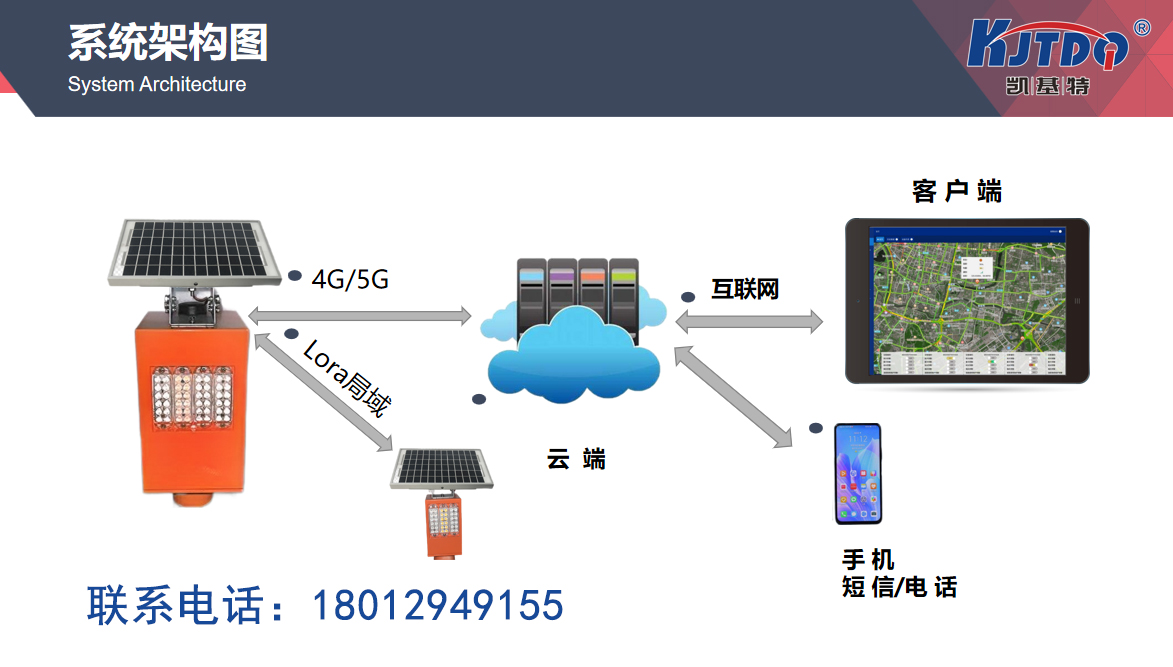
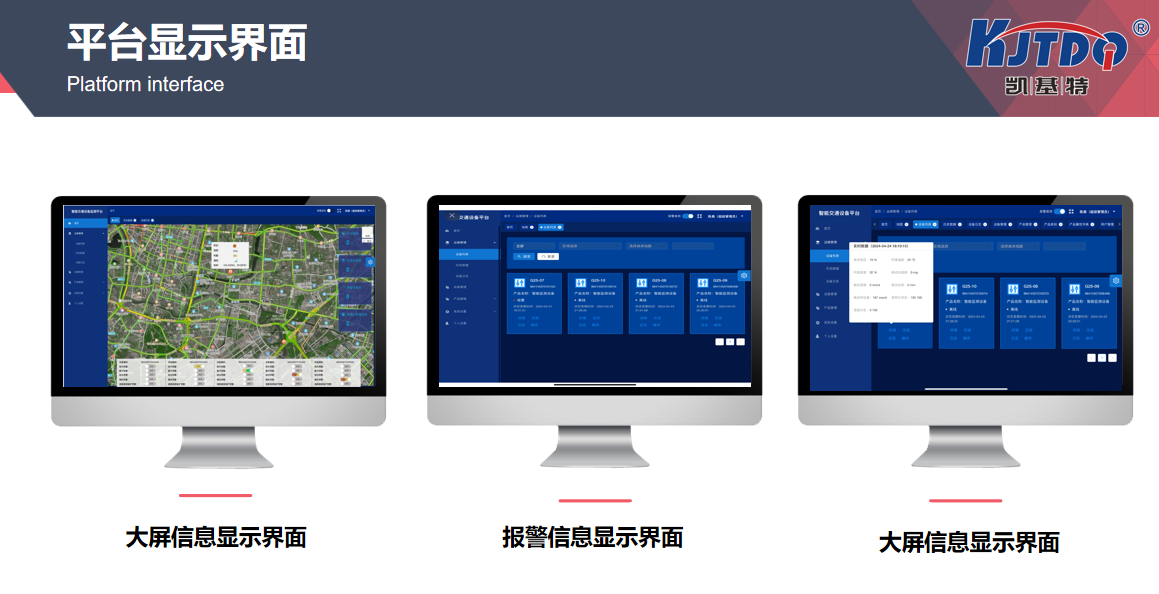
The core of the road icing monitoring system lies in its efficient monitoring and precise warning. By deploying sensors on the road, the system can capture key data such as temperature, humidity, and wind speed in real time, and combine meteorological forecast information to determine whether there is a risk of icing on the road surface. Once the possibility of icing is detected, the system will immediately issue a warning to remind road management departments and drivers to take corresponding measures, such as salt spraying, road closure, or reminding drivers to slow down. This rapid response mechanism makes the road icing monitoring system an important tool for winter highway safety management.
For drivers, the presence of road icing monitoring systems gives them an extra sense of peace of mind when driving in winter. In the past, many accidents were caused by drivers not promptly detecting the icing on the road surface while driving, resulting in the vehicle losing control. With this system, drivers can obtain real-time road condition information before departure or during driving, understand whether there are icy roads ahead, and adopt corresponding driving strategies. This not only greatly reduces the possibility of accidents, but also makes the entire driving process safer and more stable.
In addition to its direct impact on driving safety, the application of road icing monitoring systems has also brought broader social benefits. For example, the traffic management department can arrange the time and area for salt spraying and de icing reasonably based on the data provided by the system, avoiding resource waste and unnecessary traffic interruptions. Meanwhile, insurance companies can also utilize this data to more accurately assess the risks of winter driving, thereby providing drivers with more personalized insurance services.
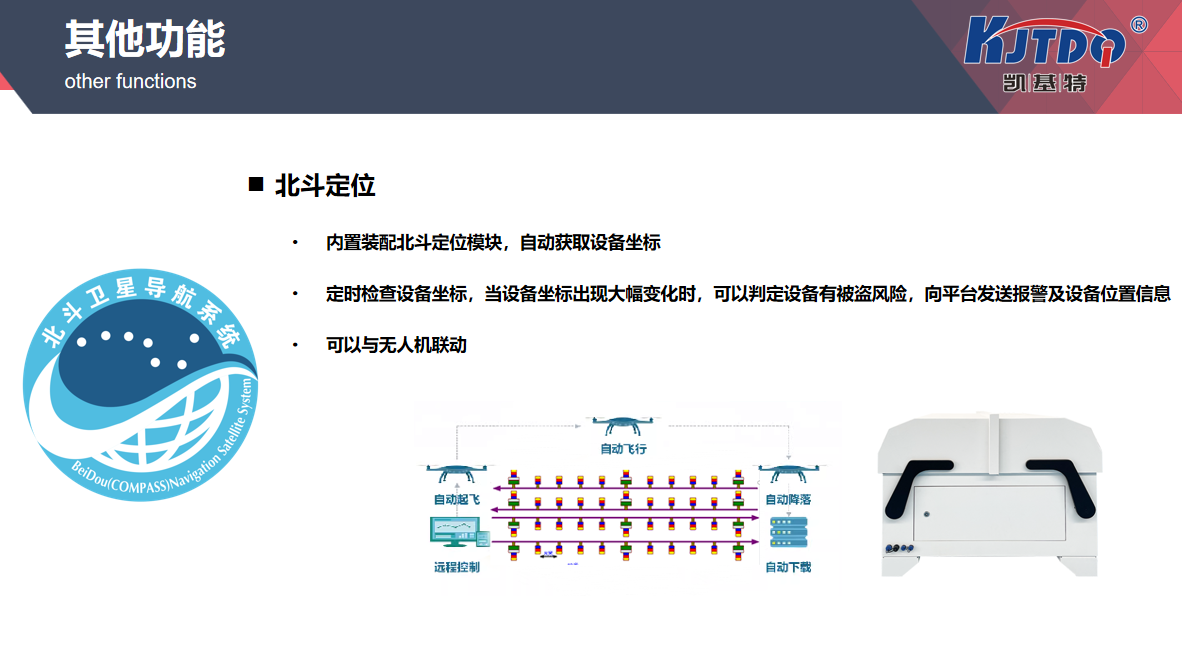
At the technical level, the progress of road icing monitoring systems is also evident. With the continuous development of sensor technology, these systems can more accurately detect small changes in road temperature and humidity, providing more refined monitoring data. Meanwhile, by combining big data and artificial intelligence technology, the road icing monitoring system can not only predict icing risks, but also provide early warnings of possible icing situations based on historical data and weather trends. This intelligent feature makes road management and winter driving more controllable.
However, the road icing monitoring system is not just a technical tool, it is also a symbol of public safety. By increasing sensitivity and response speed to road icing, we not only protect the lives of drivers, but also create a safer travel environment for the entire society. Whether it is highway managers, drivers or ordinary people, they should attach importance to and support the application of this system, because it truly provides reliable safety guarantees for our winter travel.
In summary, the introduction of the road icing monitoring system not only highlights its crucial role in ensuring traffic safety, but also makes us aware of the importance of winter driving safety. With the continuous advancement of technology, the road icing monitoring system will become more intelligent and accurate, providing us with more comprehensive winter driving safety guarantees. Therefore, both highway management departments and drivers should actively pay attention to and apply this technology to make winter travel safer and more efficient.
Finally, I would like to say that the promotion and popularization of road icing monitoring systems is not only to reduce traffic accidents, but also to enhance the safety awareness of the entire society. In future traffic management, this system will play an increasingly important role in safeguarding our travels. Therefore, we have reason to believe that with the continuous development and improvement of road icing monitoring systems, winter driving safety will no longer be a problem that troubles drivers, but a challenge that can be easily addressed.
1. How can the road icing monitoring system be applied on different types of roads?
The application of road icing monitoring system is not limited to highways or main roads, it is also applicable to urban roads, rural roads, and mountainous roads. The requirements for monitoring systems may vary for different types of roads. For example, on highways, the system needs to process large amounts of data in real-time and efficiently in order to quickly respond to sudden icing situations; In urban roads, due to high traffic volume, the system may require denser sensor deployment and more sophisticated data processing capabilities to ensure accurate ice warning in busy traffic environments; In mountainous areas, due to the complex terrain and rapid climate change, the system requires higher sensitivity and stability to cope with frequently changing weather conditions. By customizing deployment based on the characteristics of different road types, the road icing monitoring system can provide effective warning services in various environments, ensuring driving safety.
2. What new development directions may the road icing monitoring system have in the future?
With the continuous advancement of technology, the future development prospects of road icing monitoring systems are very broad. Firstly, with the development of IoT technology, future monitoring systems will be able to integrate more closely with other intelligent transportation systems, achieving comprehensive road condition monitoring and management. For example, the system can exchange real-time data with the vehicle's onboard devices, automatically adjust the vehicle's driving speed or provide personalized driving advice based on road conditions. Secondly, with the advancement of artificial intelligence technology, future road icing monitoring systems will be able to use more complex algorithms to comprehensively analyze meteorological data, historical data, and real-time monitoring data, thereby more accurately predicting the risk of road icing and issuing warnings in advance. In addition, driven by new energy and green technologies, future monitoring systems may pay more attention to energy conservation and environmental protection, adopting more efficient and low-energy sensors and communication technologies to provide more sustainable solutions for road management.
3. How to ensure the accuracy and reliability of the road icing monitoring system data?
The accuracy and reliability of data in the road icing monitoring system are key to its effectiveness. For this reason, the system usually adopts various advanced technological means to ensure the accuracy and stability of monitoring data. Firstly, the system uses high-precision sensors to monitor key parameters such as road temperature, humidity, and wind speed. These sensors are rigorously calibrated and can maintain stable performance under various extreme conditions. Secondly, the system usually combines meteorological forecast data to comprehensively analyze the monitoring results, thereby improving the accuracy of predictions. In addition, to prevent interference and errors during data transmission, the system adopts advanced wireless communication technology and data encryption measures to ensure that data is not affected by external factors during transmission. Finally, the system is also equipped with automatic calibration and self checking functions, which can automatically adjust and repair when abnormalities are detected, ensuring long-term stability and reliability. Through these measures, the road icing monitoring system can provide high-quality monitoring data and provide strong support for road safety management.