1. How can intelligent road monitoring devices be integrated with existing traffic management systems?
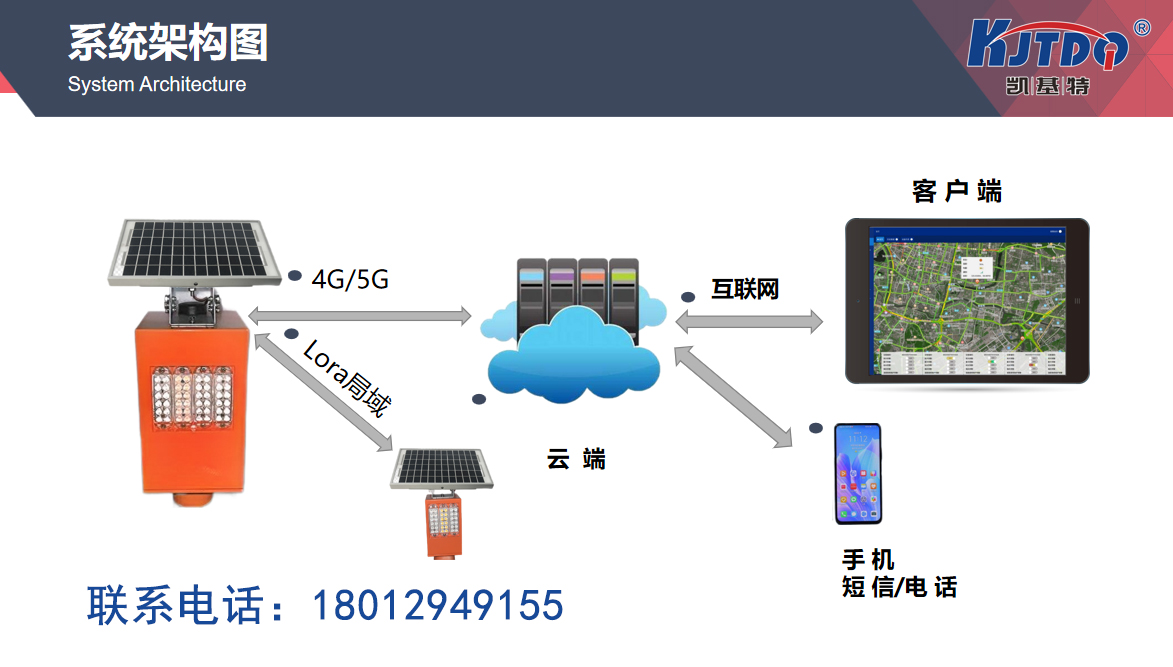
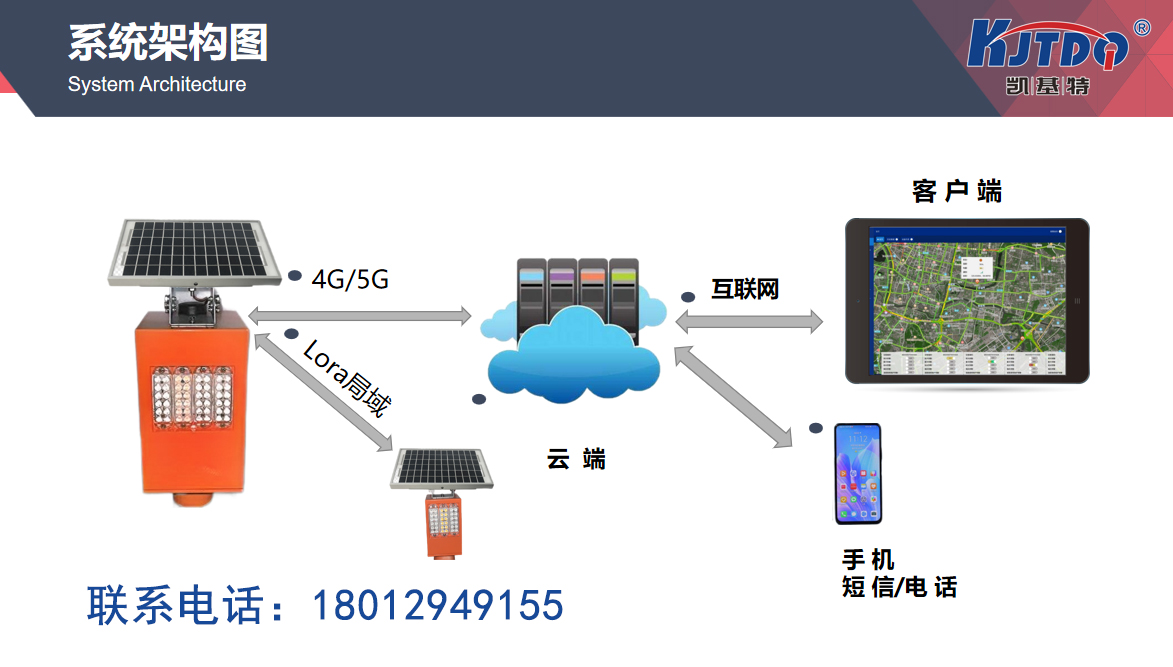
Intelligent road monitoring devices typically require effective integration with existing traffic management systems. The integration process includes matching data interfaces, coordinating communication protocols, and testing compatibility between systems. Usually, smart devices exchange data with central management systems through open APIs (application programming interfaces) or standard protocols (such as TCP/IP). In addition, in order to achieve more efficient integration, customized system development or software upgrades may be necessary to ensure that device data can seamlessly flow into existing traffic management platforms, thereby achieving unified management and control.
2. How do smart devices perform under extreme weather conditions?
The reliability of smart devices is an important consideration in extreme weather conditions. High quality road monitoring intelligent devices are usually designed with waterproof, dustproof, antifreeze and other functions, and can operate stably in harsh weather conditions. For example, sensors and cameras will use low-temperature resistant materials to ensure that they can still function properly in cold weather. The equipment may also be equipped with a heating system to prevent icing from affecting its performance. However, even so, regular maintenance and inspection are still necessary measures to ensure that the equipment works properly under various weather conditions.
3. Is the maintenance and operation of intelligent road monitoring devices complex?
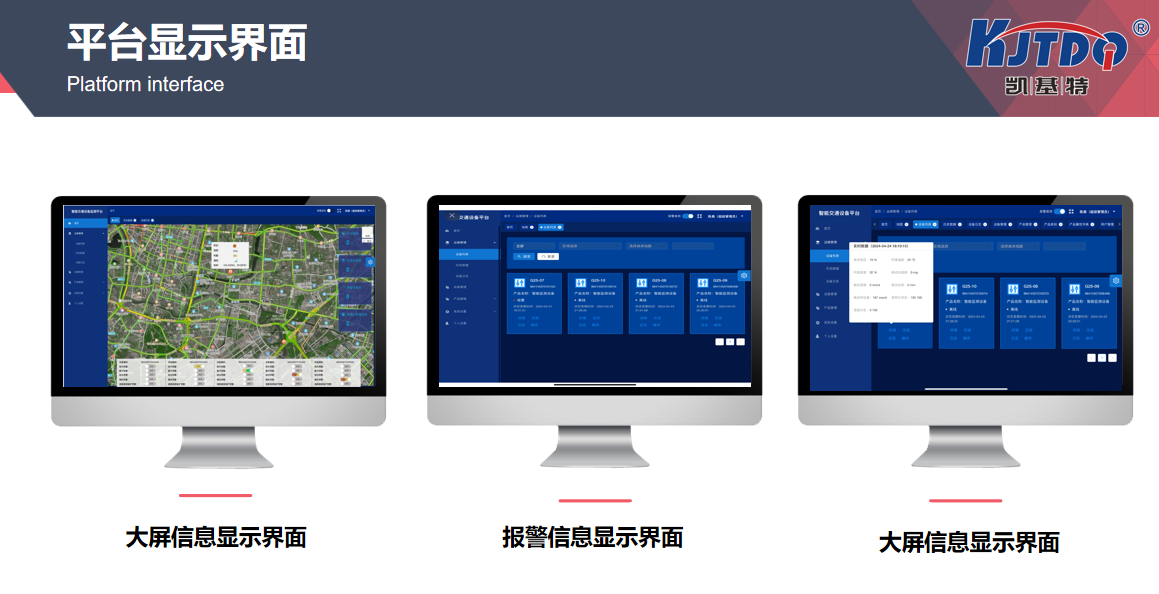
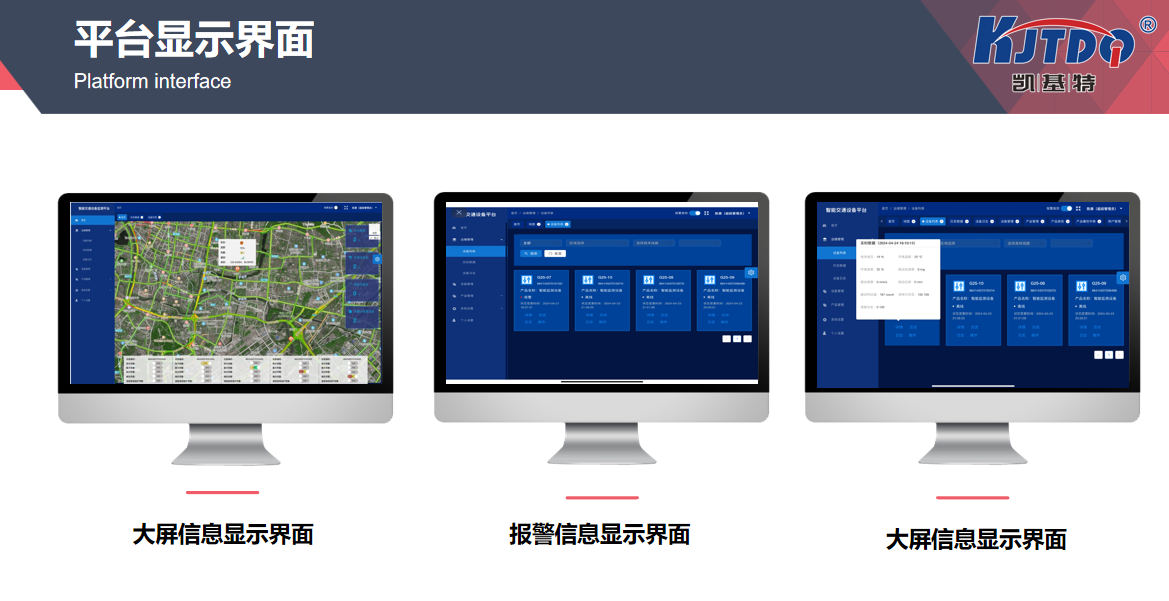
The maintenance and operational complexity of road monitoring intelligent devices depend on the type and technical requirements of the equipment. Generally speaking, modern smart devices are designed to be user-friendly, equipped with intuitive operating interfaces and automated maintenance functions. The equipment usually provides remote monitoring and fault diagnosis functions, and operators can remotely check the equipment status and handle common problems through the central management system. In addition, equipment maintenance includes regular checks, software updates, and hardware maintenance, which are usually carried out by professional technicians to ensure the long-term stable operation of the equipment.
4. How can data from smart devices be used to optimize traffic management decisions?
The data collected by smart devices can be used for optimizing traffic management decisions through data analysis and artificial intelligence technology. The data processing center will compare real-time data with historical data to identify patterns of traffic flow, areas with frequent accidents, and potential congestion points. Based on these analysis results, traffic management departments can formulate more scientific management measures, such as adjusting traffic signal cycles, optimizing traffic route planning, implementing speed limit measures, etc. The data provided by smart devices can also be used to develop long-term traffic planning and strategies to improve overall traffic efficiency and safety.