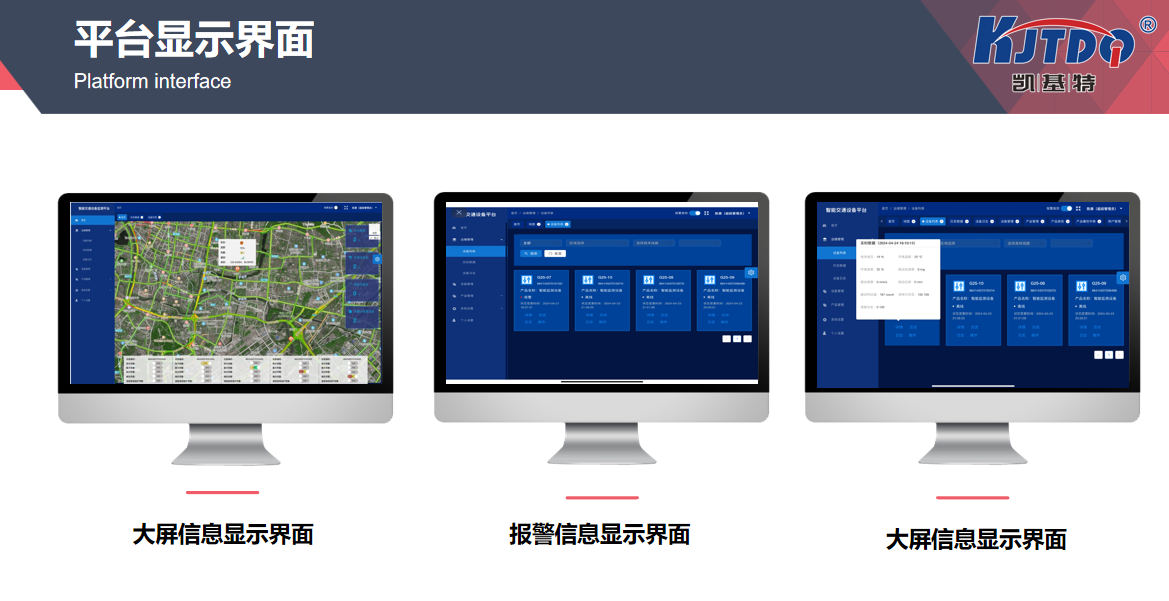
In modern traffic management, highway safety monitoring has become the core means of ensuring highway safety. With the increasing traffic volume and the growing complexity of road networks, highway safety monitoring systems, with their powerful real-time monitoring capabilities, are becoming the "guardian" of every highway. Through high-tech means, we can identify potential hazards in advance, optimize traffic flow, and respond quickly in the event of an accident. This not only provides a safer driving environment for drivers, but also provides scientific decision-making basis for traffic managers. The highway safety monitoring system is gradually changing our mode of transportation and becoming a powerful guarantee for ensuring road safety.
When it comes to the necessity of highway safety monitoring, we must first be aware of the various potential risks on the highway. Whether it is speeding, fatigue driving, or reduced visibility in adverse weather conditions, it will increase the incidence of traffic accidents. Traditional traffic management methods often struggle to respond in real-time to these complex situations, and the emergence of highway safety monitoring systems is precisely to make up for this deficiency.
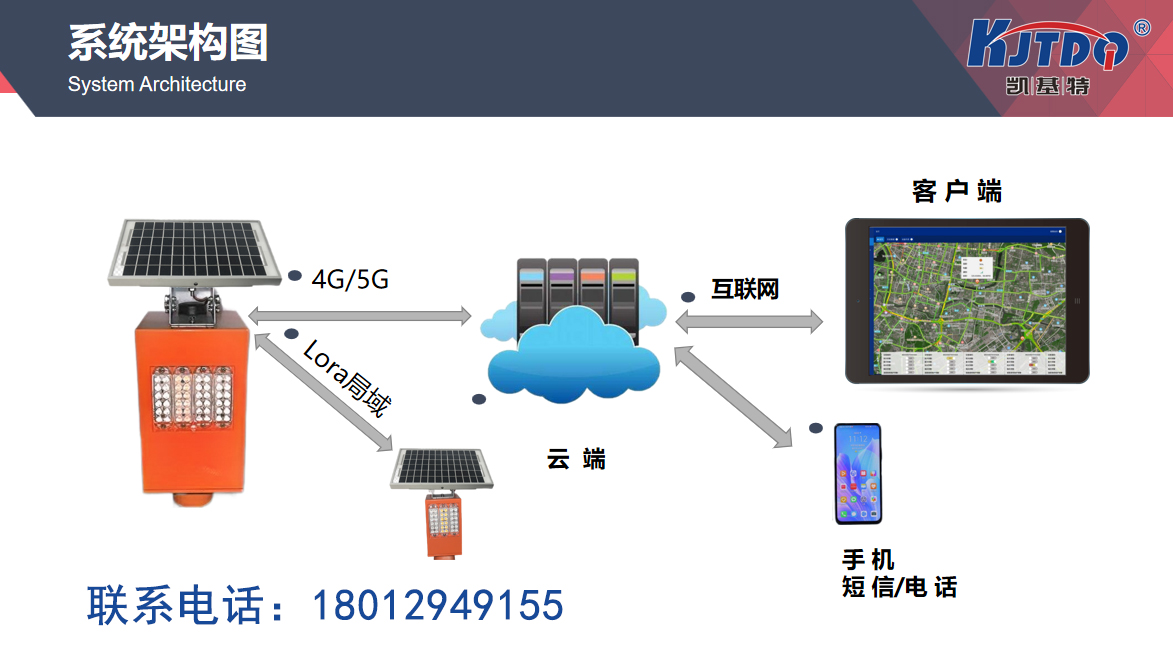
By deploying cameras, sensors, and radars along the highway, the highway safety monitoring system can continuously monitor road conditions 24 hours a day. When the system detects abnormal situations, such as sudden braking of vehicles, sudden increase in traffic, or sudden weather changes, it will immediately send an alert to the monitoring center. The staff of the monitoring center can quickly take measures based on these alerts, such as issuing traffic warnings, dispatching emergency vehicles, or adjusting the duration of signal lights, in order to prevent accidents from occurring or minimize their impact.
The application scenarios of highway safety monitoring systems are very extensive, covering almost all types of highway traffic environments. Whether it is highways, urban expressways, or rural roads, highway safety monitoring systems can play their role. Here are several typical application scenarios:
Highway monitoringThe speed on highways is relatively fast, and once an accident occurs, the consequences are usually very serious. Through the highway safety monitoring system, highway managers can grasp real-time road condition information, detect and handle accidents in a timely manner. For example, when the system detects that the vehicle suddenly brakes due to an emergency situation, it will immediately remind the vehicles behind to slow down, thereby avoiding the occurrence of a secondary accident.
Urban road monitoringThe traffic situation in cities is complex and ever-changing, especially during peak hours in the morning and evening, where traffic congestion and accidents occur frequently. The highway safety monitoring system can monitor the traffic flow on urban roads in real time, automatically identify and alert traffic violations such as running red lights and going against traffic. At the same time, the system can also help managers allocate lane resources reasonably, optimize traffic flow, and alleviate traffic congestion.
Mountain road monitoringMountainous roads are usually narrow and have many bends, which can easily lead to natural disasters such as landslides and rockfalls, posing a threat to driving safety. The highway safety monitoring system can monitor these potential risks in advance and close relevant sections when necessary to ensure vehicle safety. In addition, the system can also remind drivers to slow down on dangerous roads to prevent accidents from happening.
Tunnel monitoringThe light inside the tunnel is insufficient, and once an accident occurs, rescue is difficult. The highway safety monitoring system can install specialized monitoring equipment inside the tunnel to monitor the air quality and vehicle driving conditions in real time. Once an emergency situation occurs, the system will immediately notify the monitoring center and activate the emergency plan inside the tunnel to ensure the safety of personnel inside the vehicle.
With the continuous advancement of technology, highway safety monitoring systems are also constantly innovating and developing. Nowadays, the integration of artificial intelligence, big data, and IoT technology is driving highway safety monitoring into a new stage. In the past, highway monitoring mainly relied on manual observation and simple alarm systems, but now, intelligent highway safety monitoring systems can learn, judge, and make decisions independently.
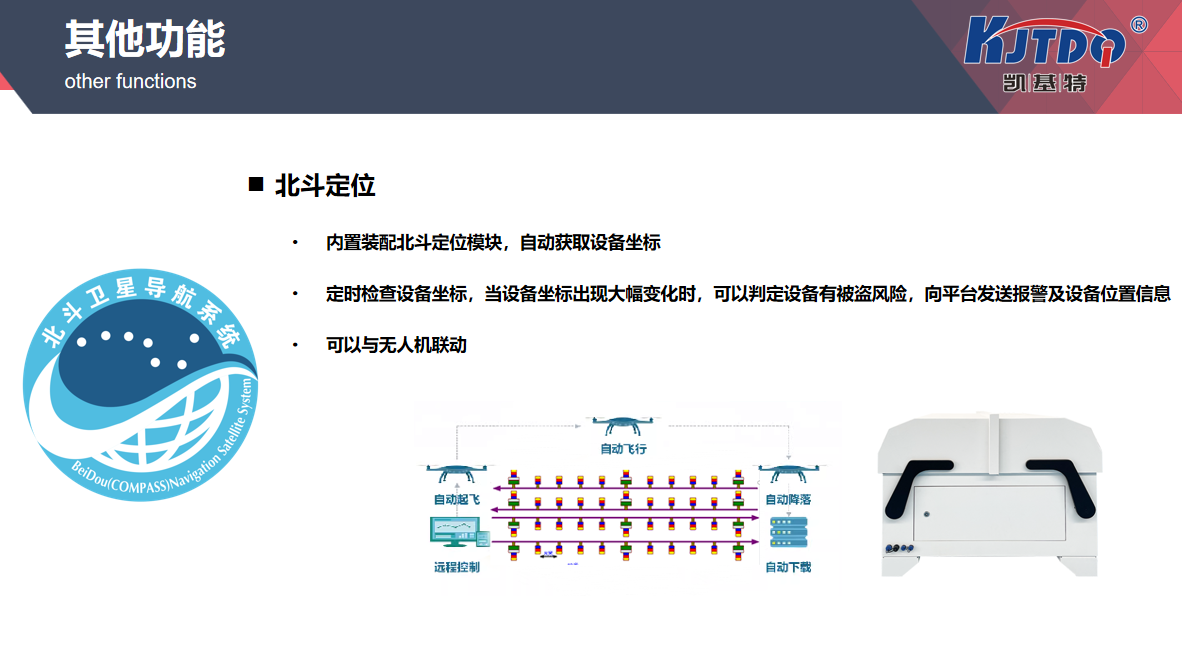
For example, with the help of artificial intelligence technology, monitoring systems can automatically recognize license plates, determine the speed and trajectory of vehicles, and even analyze driver behavior patterns. The application of big data technology enables monitoring systems to process massive amounts of traffic data, helping managers discover traffic patterns and prevent accidents in advance. The application of Internet of Things technology enables the highway safety monitoring system to interconnect with traffic signals, intelligent lane signs and other devices, achieving more refined traffic management.
These technological innovations not only enhance the performance of highway safety monitoring systems, but also bring more application possibilities for them. For example, future highway safety monitoring systems can be combined with autonomous driving technology to monitor road conditions in real-time and transmit data to autonomous vehicles to help them drive more safely. For example, through linkage with the meteorological monitoring system, the highway safety monitoring system can issue traffic warnings in advance based on real-time weather changes, reminding drivers to adjust their driving strategies.
The emergence and development of highway safety monitoring systems is a major advancement in the field of modern traffic management. It not only improves the safety of highways, but also provides scientific decision-making basis for traffic managers, reducing the impact of human factors on traffic management. However, we must also recognize that highway safety monitoring systems are not omnipotent. Although it can help us detect and deal with potential safety hazards in a timely manner, it is still the behavior and awareness of every road user that ultimately determines traffic safety.
While enjoying the convenience and safety brought by the highway safety monitoring system, we should also keep in mind traffic rules, maintain good driving habits, and achieve civilized driving. After all, road safety not only relies on technological advancements, but also requires our joint efforts. Let's work together to build a safer and more efficient transportation environment, and safeguard every trip. Highway safety monitoring is certainly important, but what truly determines safety is every one of us who follows the rules and cherishes life.
1. How does the highway safety monitoring system respond to traffic safety challenges under extreme weather conditions?
The highway safety monitoring system plays a crucial role in extreme weather conditions. In case of rainstorm, heavy snow, fog and other severe weather, the monitoring system will detect the road condition and visibility in real time through sensors and cameras. The system can not only monitor snow accumulation and road icing, but also issue warning information in advance through linkage with the meteorological monitoring system, reminding drivers to slow down or change lanes. The monitoring center can also adjust the duration of signal lights or turn off dangerous road sections according to real-time road conditions, reducing the occurrence of accidents and ensuring the safety of vehicles driving in adverse weather conditions.
2. How can the highway safety monitoring system be combined with autonomous driving technology to improve driving safety?
The combination of highway safety monitoring system and autonomous driving technology will greatly enhance driving safety. The monitoring system can monitor road conditions, traffic density, and emergencies in real time, and transmit this data to autonomous vehicles to help them make more accurate decisions. For example, when there is congestion or an accident on the road ahead, the system can notify autonomous vehicles in advance to slow down or change lanes. In addition, the monitoring system can also work in conjunction with autonomous driving technology to help vehicles identify obstacles, pedestrians, and traffic signals in complex traffic environments, thereby avoiding accidents and achieving safer autonomous driving.
3. What are the specific applications of highway safety monitoring systems in improving traffic management efficiency?
The highway safety monitoring system has various applications in improving traffic management efficiency. Firstly, by monitoring road conditions in real-time, the system can help traffic managers dynamically adjust the duration of traffic lights, optimize traffic flow, and reduce traffic congestion. Secondly, the monitoring system can automatically identify traffic violations such as speeding, reversing, running red lights, etc., report to the police in a timely manner, and record evidence for subsequent handling by law enforcement personnel. In addition, the system can quickly respond to traffic accidents, dispatch emergency vehicles, and guide other vehicles to detour through electronic signs and broadcasting systems to ensure that the road is restored to smooth traffic as soon as possible. In short, the application of highway safety monitoring systems greatly improves the efficiency of traffic management and enhances the overall road capacity.