In modern traffic management, intelligent traffic safety devices are increasingly becoming an indispensable part. These devices not only improve the efficiency of the transportation system, but also significantly enhance road safety. With the continuous advancement of technology and the increasing demand for transportation, intelligent traffic safety devices are constantly developing and improving to safeguard our travels. This article will delve into the role, technical characteristics, and future development trends of intelligent traffic safety devices, helping everyone understand how these devices can change our traffic experience and enhance road safety.
The core role of intelligent traffic safety devices is to improve the safety and efficiency of the transportation system by integrating advanced technologies. These devices can not only monitor traffic conditions in real time, but also provide real-time warning information, optimize traffic flow, and reduce traffic accidents. Intelligent traffic safety equipment mainly includes intelligent cameras, speed monitoring devices, traffic signal control systems, etc., each of which plays an important role in different aspects.
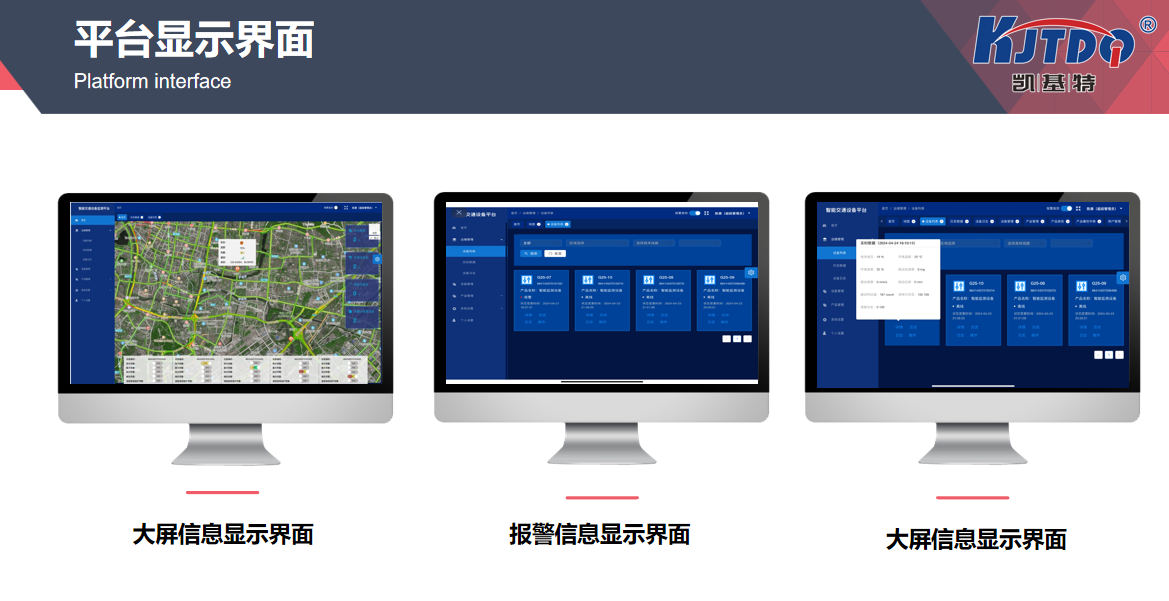
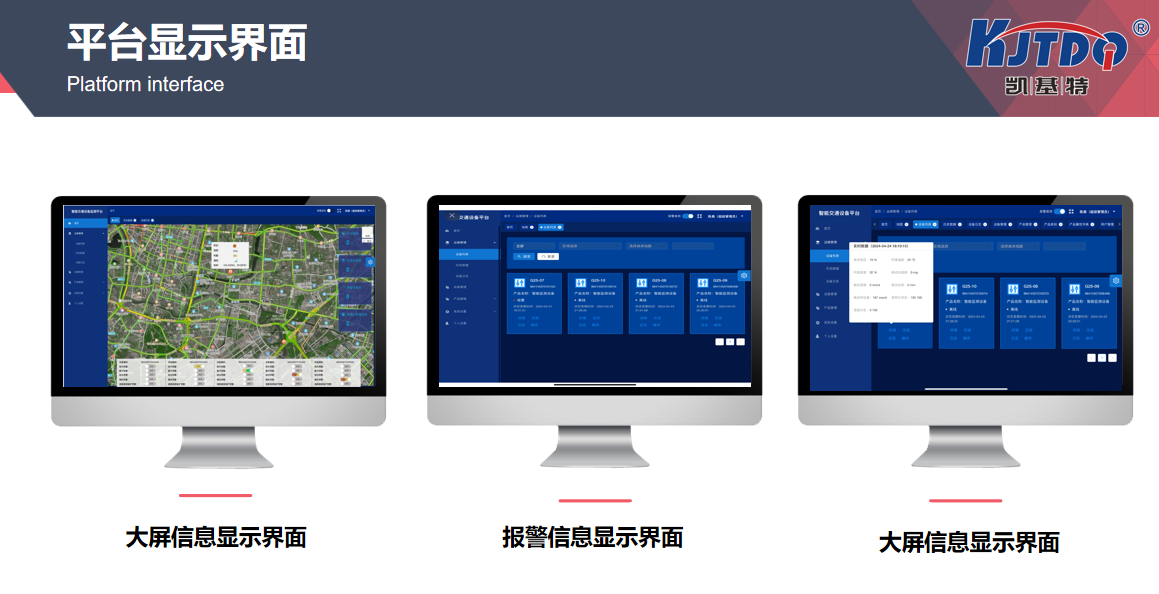
Real time monitoring of traffic conditionsIntelligent traffic safety devices are equipped with high-performance cameras and sensors, which can monitor real-time traffic flow, speed, vehicle spacing, and other information on the road. The real-time transmission and processing of these data help traffic management departments quickly grasp road conditions, adjust traffic signals or take other measures in a timely manner, and ensure smooth and safe roads.
Warning and InterventionWhen the system detects abnormal situations, such as traffic congestion, accidents, or changes in weather conditions, it can immediately issue warnings. These warnings can be conveyed to drivers through electronic signs on the road, traffic announcements, or smartphone applications, reminding them to take appropriate actions such as slowing down or detours to avoid accidents and reduce traffic delays.
Optimize traffic flowIntelligent traffic safety devices can optimize traffic signal timing, adjust lane settings, and alleviate traffic congestion through data analysis and real-time control. For example, an intelligent traffic signal control system can automatically adjust the switching time of traffic lights based on real-time traffic flow, ensuring smooth traffic and reducing waiting time.
The technical characteristics of intelligent traffic safety devices are mainly reflected in the following aspects: data collection and transmission, real-time processing, and intelligent decision-making. The performance and effect of the system depend on the progressiveness and reliability of these technologies.
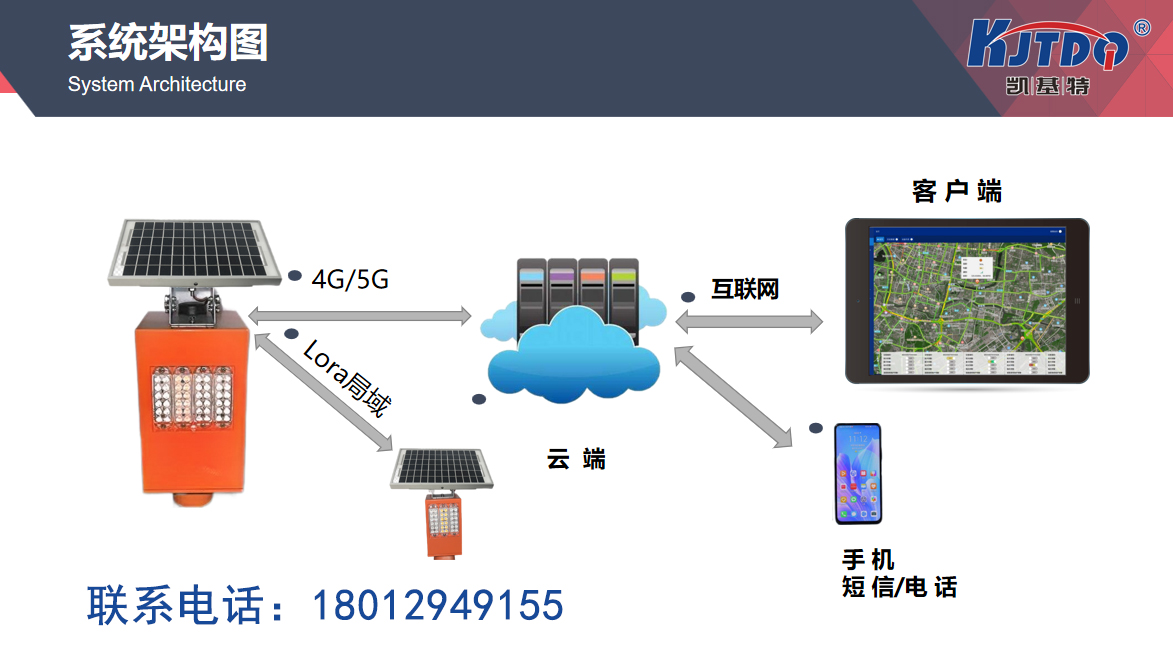
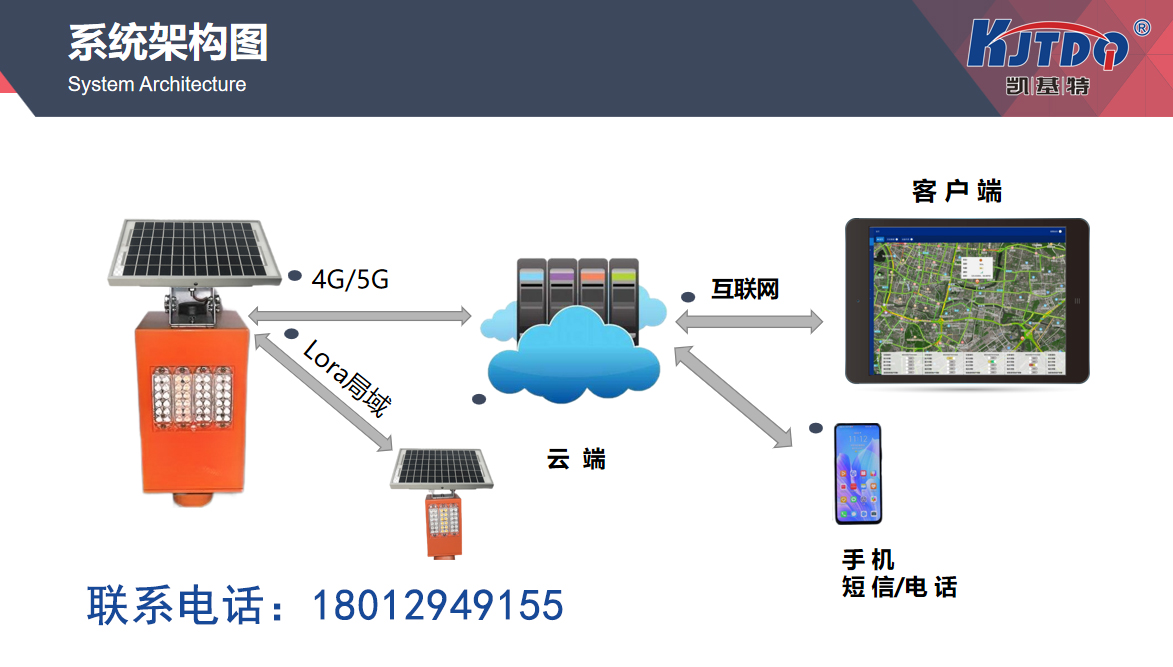
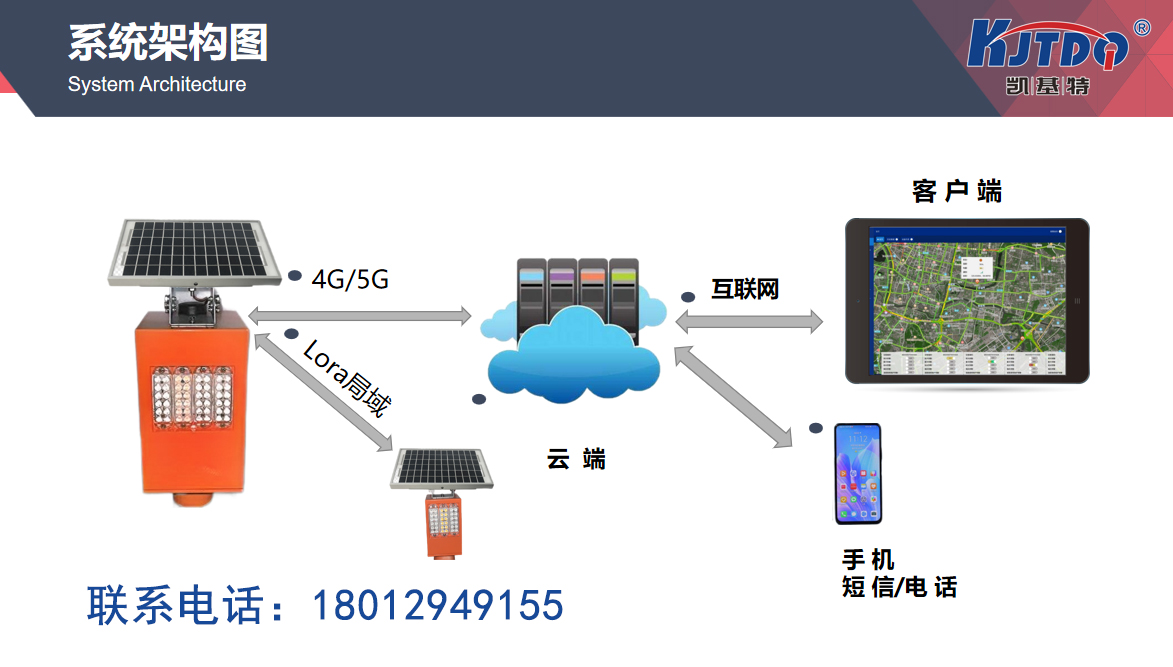
Data collection and transmissionIntelligent traffic safety devices collect real-time traffic data through sensors, cameras, and other devices. These data are transmitted to the central data processing center through wireless or wired networks to ensure timely updates and accurate transmission of information. The accuracy of data collection and the stability of transmission are crucial to the overall performance of the system.
real-time processingThe data processing module performs real-time analysis on the collected traffic data. Through advanced algorithms and artificial intelligence technology, the system can quickly identify traffic anomalies, predict traffic flow, and provide effective response plans. The real-time processing capability determines whether the system can respond to traffic changes in a timely manner and ensure traffic safety.
Intelligent decision-makingThe decision-making module of intelligent traffic safety equipment can automatically make adjustments based on data analysis results. For example, the system can automatically adjust the switching frequency of traffic lights based on real-time traffic flow, or immediately notify emergency service departments when accidents are detected. The accuracy and response speed of intelligent decision-making directly affect traffic safety and efficiency.
Intelligent traffic safety devices have been widely used worldwide, and these application examples demonstrate their effectiveness and value in practical operations.
Urban traffic managementIn big cities, intelligent traffic safety devices help manage busy traffic flow. Intelligent cameras and sensors monitor major traffic arteries, adjust traffic signals in real-time, and reduce traffic congestion. For example, in New York City and Tokyo, intelligent transportation systems have significantly improved traffic flow and reduced accident rates.
Highway monitoringOn highways, intelligent traffic safety devices monitor vehicle speed, traffic flow, and road conditions, and issue real-time traffic information and warnings. For example, in many European countries, intelligent traffic monitoring systems are equipped on highways to track traffic conditions in real time and handle traffic accidents.
Surrounding the schoolIntelligent traffic safety devices are used around schools to ensure the safety of students. Intelligent traffic signs and cameras monitor the traffic flow around the school, reminding drivers to slow down in a timely manner to ensure the safety of students crossing the road.
Intelligent traffic safety devices are leading a new revolution in traffic management, improving road safety and traffic efficiency through real-time monitoring, data analysis, and intelligent decision-making. Although these devices have played an important role in improving traffic safety, we must also recognize that the successful operation of intelligent transportation systems cannot be achieved without the joint efforts of all parties. Drivers need to comply with traffic rules, and maintenance departments need to regularly maintain and update equipment. Only in this way can we truly enjoy the convenience and safety brought by intelligent transportation.
Looking ahead to the future, with the continuous advancement of technology, intelligent traffic safety devices will become more intelligent and precise. We look forward to these devices continuing to enhance road safety and provide us with a safer and more convenient travel experience. Intelligent traffic safety devices will become an indispensable part of modern transportation systems, bringing more security and convenience to our lives.
1. How can intelligent traffic safety devices improve the prevention ability of traffic accidents?
Intelligent traffic safety devices enhance the ability to prevent traffic accidents through various means:
1. Real time monitoring: The device monitors traffic flow, speed, and road conditions in real time, and can quickly detect abnormal situations such as excessive speed or traffic congestion, thereby issuing timely warnings.
2. Data analysis: By analyzing historical and real-time data, the system can predict potential traffic risk areas and take measures in advance, such as adjusting signal timing to alleviate traffic pressure.
3. Warning system: When abnormal or dangerous situations are detected, the system will issue warnings to drivers through traffic signs, broadcasts, or smartphone applications, reminding them to take necessary safety measures.
2. How do intelligent traffic safety devices process data and make decisions?
The process of intelligent traffic safety devices processing data and making decisions is as follows:
1. Data collection: The device collects real-time traffic data through sensors and cameras, including vehicle speed, flow, distance, etc.
2. Data transmission: Data is transmitted to the central data processing center through wireless or wired networks.
3. Data analysis: The central processing system utilizes algorithms and artificial intelligence technology to analyze data, identify traffic patterns, and predict potential problems.
4. Decision execution: Based on the analysis results, the system automatically adjusts traffic signals, issues warning information, or performs other preset operations to optimize traffic flow and improve safety.
3. What is the future development trend of intelligent traffic safety devices?
The future development trends of intelligent traffic safety devices include:
1. Higher intelligence: Integrating more artificial intelligence and machine learning technologies to achieve smarter data analysis and decision-making, enhancing the system's predictive ability and adaptability.
2. Multi functional integration: The device will integrate more functions, such as environmental monitoring, vehicle recognition, and traffic flow prediction, to provide a more comprehensive traffic management solution.
3. More extensive networking: Networking with other traffic management systems and devices to achieve information sharing and collaborative work, enhancing the overall intelligence level of the transportation system.
4. Enhance user experience: Provide more personalized traffic information and services through mobile applications and in car systems, improving drivers' travel experience and sense of security.