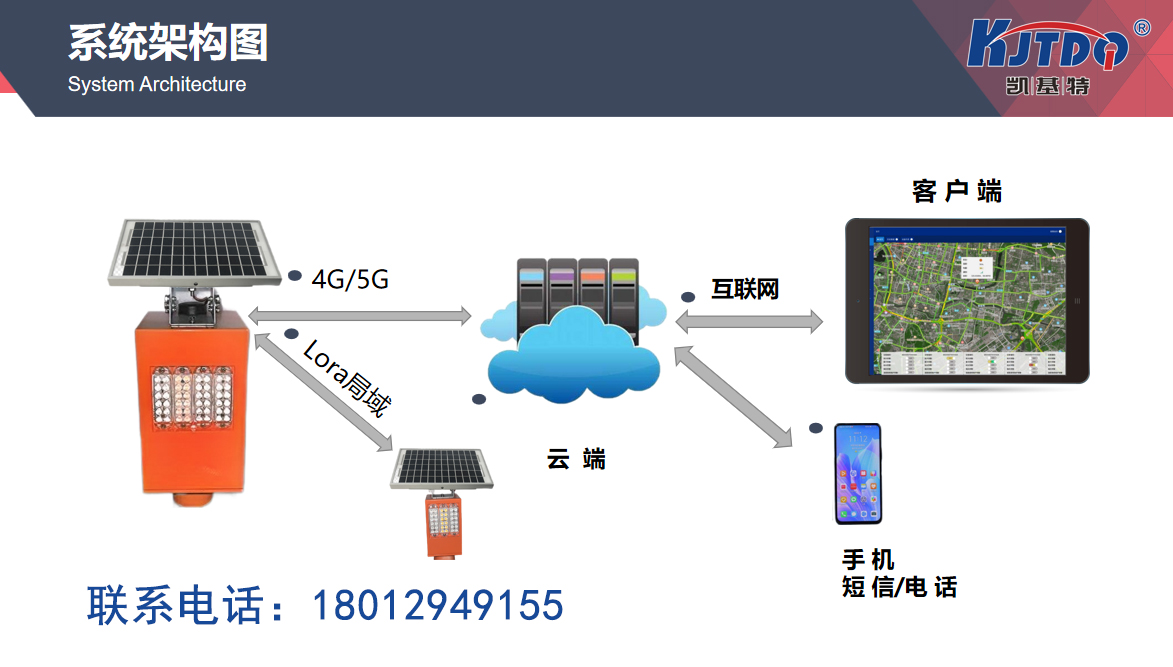
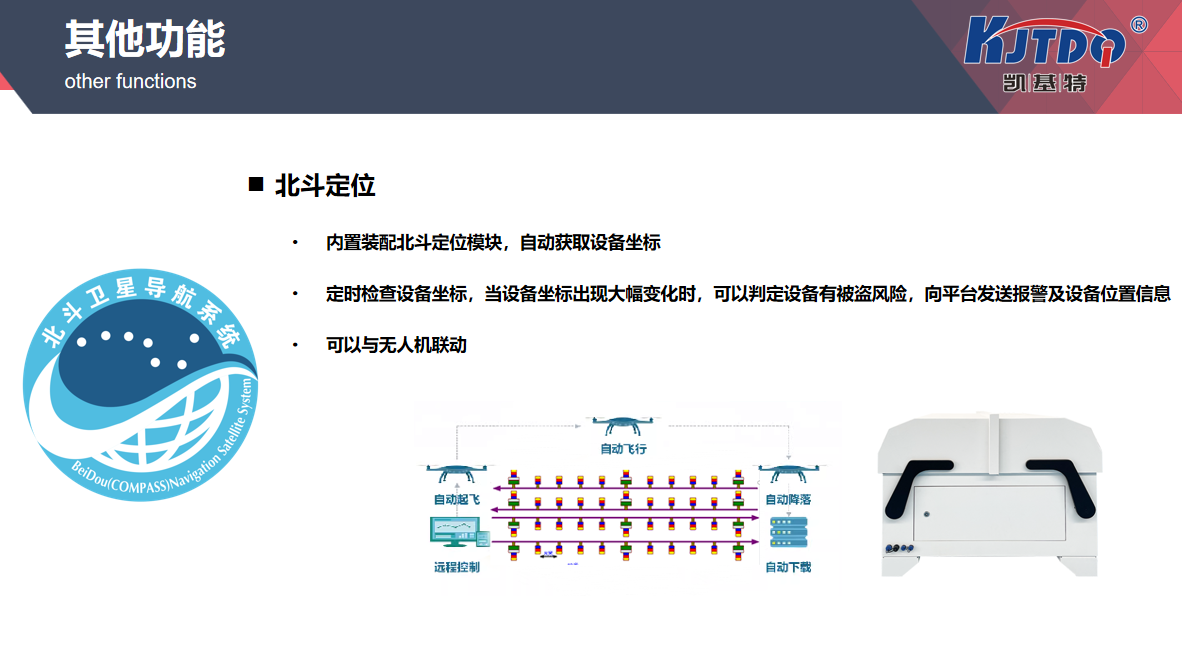
In today's rapidly developing era of informatization, big data technology is reshaping the face of various industries, and the field of traffic management is no exception. The rise of big data traffic warning systems marks our entry into a new era of intelligent transportation. This system utilizes big data technology to provide us with unprecedented warning capabilities through real-time analysis and processing of massive traffic data, significantly improving road safety and traffic efficiency. Today, let's delve into how big data traffic warning systems have changed our way of transportation and what revolutionary changes they have brought.
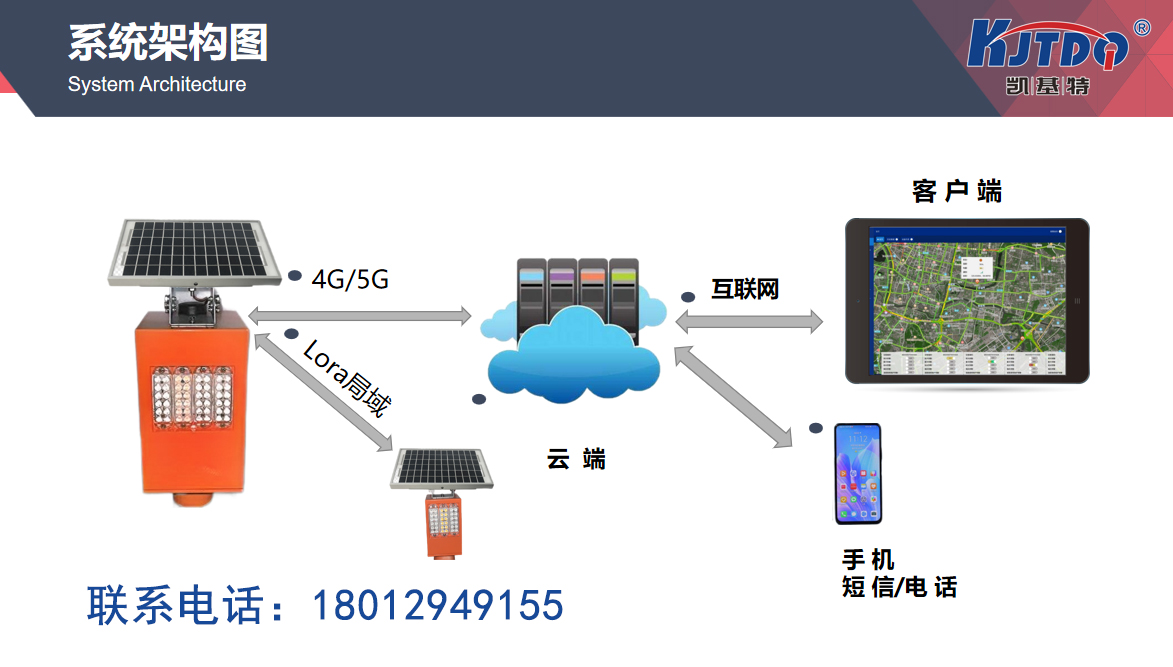
The core of a big data traffic warning system lies in its ability to process and analyze data. Traditional traffic management methods often rely on limited real-time data and manual observation, which is not only inefficient but also prone to information lag and missed reporting. The big data traffic warning system collects and aggregates road information in real-time through a large number of data sources, such as traffic cameras, sensors, GPS devices, and social media. The system intelligently analyzes this data to identify potential traffic risks and problems, such as traffic congestion, accidents, severe weather, etc. In this way, the big data traffic warning system can provide early warning before problems occur, helping traffic management departments and drivers to take more rapid response measures.
The advantage of big data lies in its processing and analysis capabilities. The system can extract valuable information from massive amounts of data and make predictions and judgments through algorithmic models. This prediction is not only based on current traffic conditions, but also takes into account factors such as historical data and weather forecasts. For example, during a specific time period, the system can analyze past traffic flow data, combine real-time traffic information, predict future traffic congestion, and issue warnings in advance, prompting drivers to choose alternative routes to avoid inconvenience caused by congestion.
The application scenarios of big data traffic warning systems are also very extensive. In urban traffic management, the system can monitor the traffic conditions of urban roads in real time, analyze traffic flow, predict possible traffic bottlenecks, and alleviate traffic pressure by adjusting traffic signals, releasing traffic information, and other means. On highways, the system can detect accidents or obstacles on the road surface, promptly notify passing vehicles, and reduce the probability of accidents occurring. Under extreme weather conditions, the system can issue severe weather warnings based on weather change data, reminding drivers to adjust their driving strategies and ensure driving safety.
In addition, the advantage of big data traffic warning systems lies in their efficient decision support capabilities. The system can process and analyze large amounts of data in real-time, providing accurate warning information and decision-making recommendations. For example, in the event of a traffic accident, the system can immediately analyze the data at the accident site, evaluate the impact of the accident on traffic, and provide detailed handling suggestions to the traffic management department, including how to divert traffic, dispatch emergency services, etc. This efficient decision support can significantly enhance the ability to respond to emergencies and reduce losses caused by accidents.
However, the implementation of big data traffic warning systems also faces some challenges. The first issue is the accuracy and completeness of the data. The system relies on a large number of data sources, and incomplete or erroneous data collection may affect the accuracy of early warning. Secondly, there are issues of data privacy and security. When collecting and processing personal data, it is necessary to strictly comply with privacy protection regulations to ensure that the data is not abused or leaked. In addition, the construction and maintenance of the system also require certain financial investment and technical support, which may be a significant challenge for some local traffic management departments.
However, the advantages of big data traffic warning systems cannot be ignored. It significantly improves the efficiency and accuracy of traffic management through intelligent data analysis and real-time warning, providing a safer and more convenient guarantee for our travel. With the continuous advancement of technology and the widespread promotion of applications, we have reason to believe that big data traffic warning systems will play an increasingly important role in future traffic management.
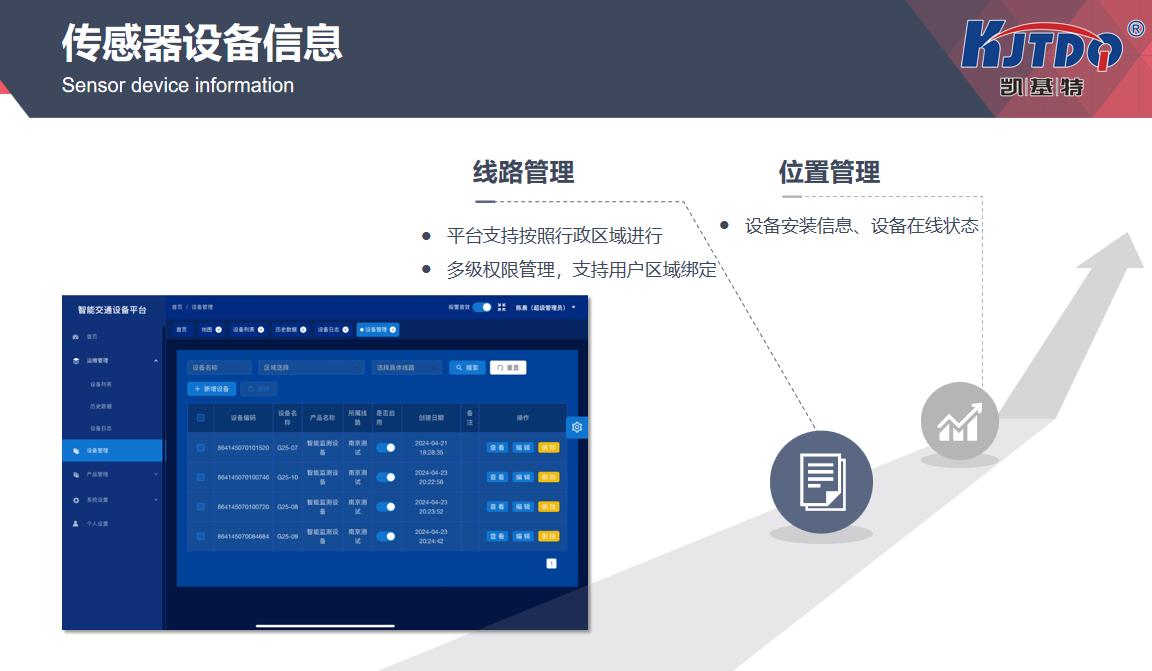
In my personal opinion, the big data traffic warning system is not only a technological innovation, but also a commitment to future intelligent transportation. Through technological means, we can better understand and respond to complex traffic conditions, providing every traveler with a safer and more convenient travel experience. This pursuit of technology and concern for people's travel safety are important manifestations of the progress of modern society. I hope that in the near future, with the continuous maturity of technology and the popularization of applications, more cities and regions can benefit from this advanced system, making our every trip safer and smoother.
1. How can big data traffic warning systems solve the problem of data overload?
The big data traffic warning system does face the problem of data overload when processing massive amounts of data. In order to effectively solve this problem, the system usually adopts the following strategies:
Data filtering and cleaning: The system first filters and cleans the collected raw data to remove noise and redundant information, ensuring that only useful data is retained. This process includes data deduplication, outlier detection, and format standardization.
Data layering and prioritization: The system will perform hierarchical processing on the data, prioritizing it based on its importance and relevance. Key real-time data, such as traffic flow and accident information, will be prioritized for processing, while other auxiliary data can be processed or stored in the background.
Intelligent data analysis: Using advanced machine learning and artificial intelligence technologies, the system can automatically identify patterns and trends in data and extract valuable information from them. This intelligent analysis capability not only improves data processing efficiency, but also better addresses the challenges brought by data overload.
Data compression and storage optimization: For data that does not require real-time processing, the system will use data compression technology for storage, reducing the demand for storage resources. At the same time, the system will regularly clean up outdated data to ensure efficient data storage.
Through these measures, the big data traffic warning system can effectively address the problem of data overload, ensure the efficiency and accuracy of data processing, and provide strong support for traffic management.
2. How can the predictive ability of big data traffic warning systems be improved?
The predictive ability of big data traffic warning system is one of the core advantages of the system, and improving the predictive ability mainly depends on the following aspects:
Historical data accumulation: Through long-term accumulation and analysis of historical traffic data, the system can understand the patterns and trends of traffic flow. These historical data provide an important foundation for the system's predictive model, helping the system identify the occurrence patterns of common problems such as traffic congestion and accidents.
Real time data fusion: In addition to historical data, the system also collects and analyzes current traffic data in real-time. By combining real-time data with historical data, the system can more accurately predict changes in traffic conditions. For example, the system can monitor changes in traffic flow in real-time and predict possible traffic congestion situations based on historical data.
Advanced algorithms and models: The system uses advanced machine learning and deep learning algorithms for prediction. These algorithms can learn and model from large amounts of data, discovering potential patterns and trends. For example, by using techniques such as regression analysis and time series prediction, the system can accurately predict future traffic flow and accident probability.
Multi factor comprehensive analysis: The system not only considers traffic flow data, but also comprehensively analyzes various factors such as weather and events. This comprehensive analysis of multiple factors can improve the accuracy of predictions. For example, when predicting traffic congestion, the system also considers factors such as weather conditions and holidays to provide more comprehensive prediction results.
Through these means, big data traffic warning systems can significantly improve their predictive capabilities, providing more reliable support for traffic management and travel decisions.
3. What resources are needed for the implementation and maintenance of a big data traffic warning system?
The implementation and maintenance of a big data traffic warning system involves multiple resource requirements, including the following main aspects:
Hardware resources: The system requires the deployment of a large number of hardware devices, including traffic cameras, sensors, data processing servers, etc. These devices are responsible for collecting data and conducting preliminary processing, and are the foundation for the normal operation of the system.
Software resources: The system requires a powerful software platform to process and analyze data. This includes data collection software, analysis tools, predictive models, etc. The development and maintenance of software systems require the support of a professional technical team.
Data storage and processing capabilities: The large amount of data processed by the big data traffic warning system requires large-scale data storage and processing capabilities. The construction of data centers, server configuration, and data backup and recovery solutions are all critical resource requirements.
Human Resources: The implementation and maintenance of the system require professional technical personnel, including data scientists, engineers, system administrators, etc. These personnel are responsible for configuring, debugging, optimizing, and troubleshooting the system to ensure its stable operation.
Financial investment: Implementing and maintaining a big data traffic warning system requires a certain amount of financial investment. This includes expenses for equipment procurement, software development, system maintenance, personnel salaries, and other aspects. Especially in the initial stage, capital investment may be significant, but in the long run, the system can bring significant economic and social benefits.
Through sufficient resource investment and planning, the big data traffic warning system can be effectively implemented and maintained, providing continuous support and services for traffic management.