In modern society, highways have become an important transportation network for our daily travel. It connects cities and provides a convenient and efficient transportation experience. However, with the increase of traffic flow, how to real-time grasp the road conditions of highways has become a major challenge we face. The highway condition monitoring system is the key technology to address this challenge. It provides real-time condition information to drivers and traffic management departments through advanced sensors and data analysis technology, improving traffic safety and efficiency. Today, we will explore the importance of highway condition monitoring systems and their role in modern traffic management.
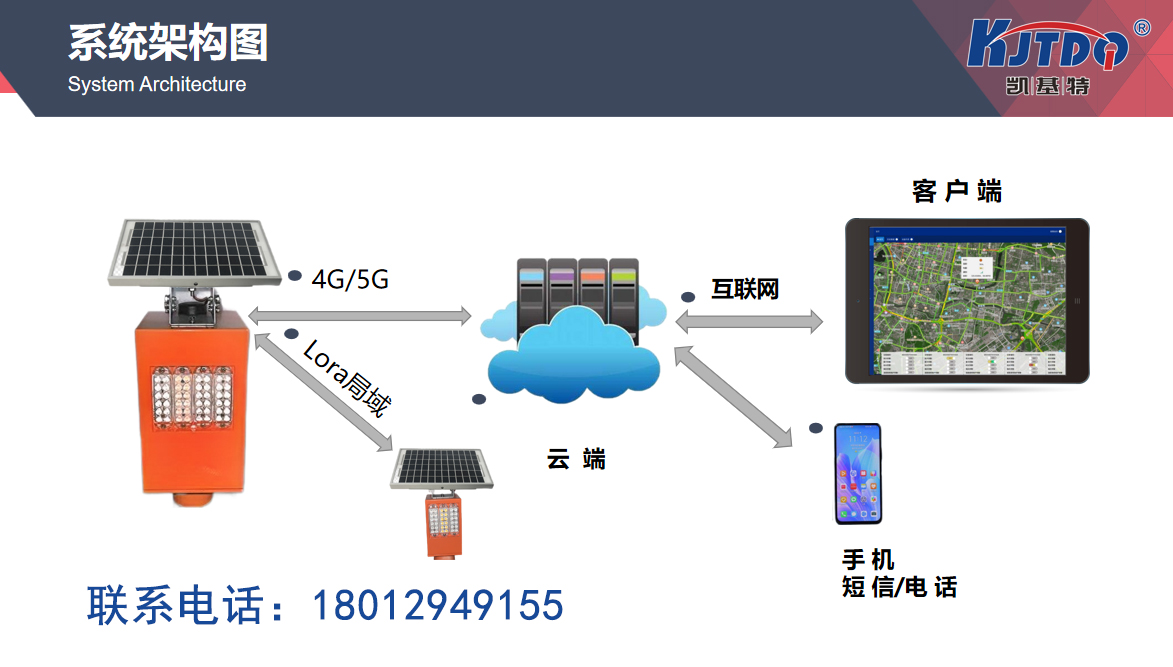
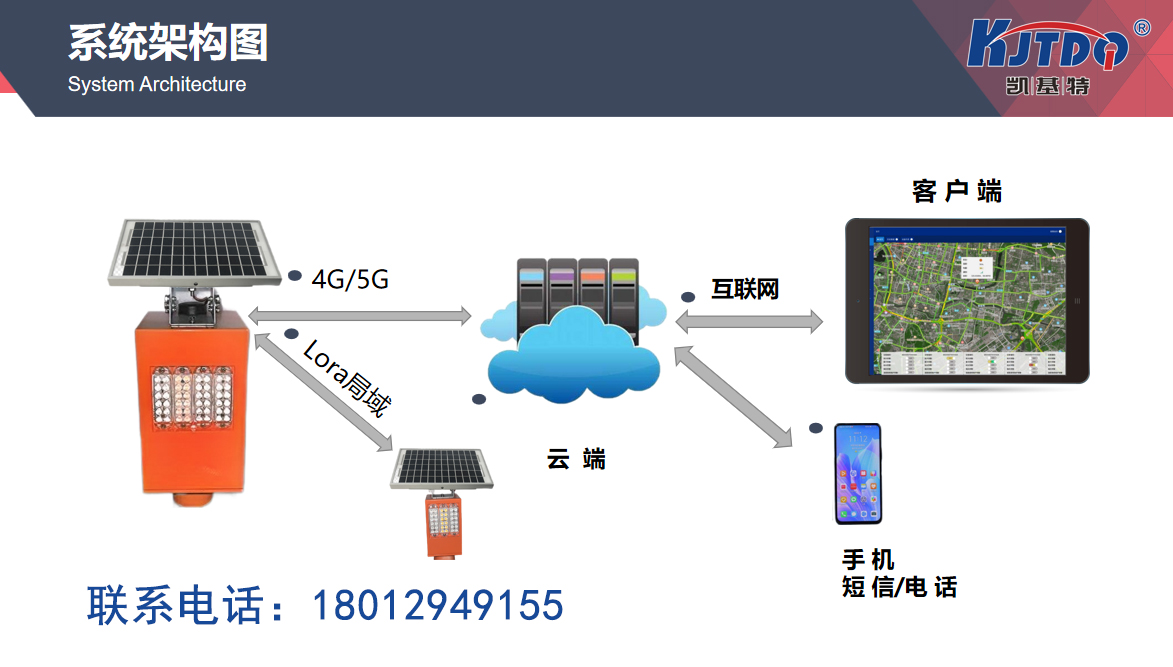
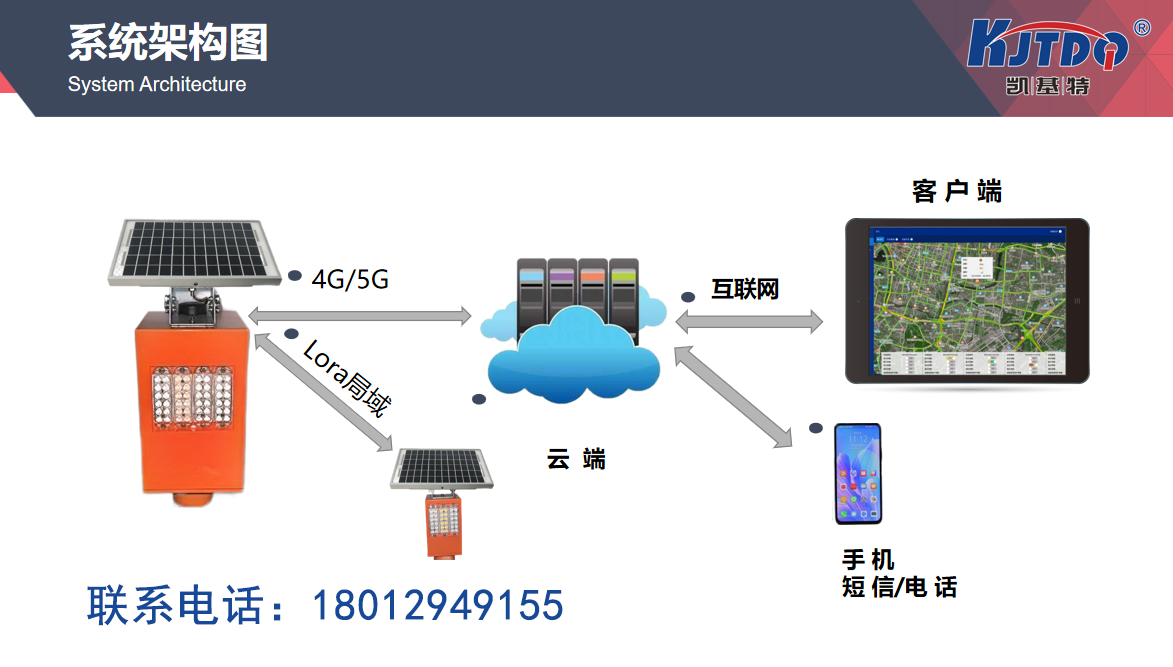
The main task of the highway condition monitoring system is to monitor and record the traffic conditions on the highway in real time. It can collect real-time information such as traffic flow, speed, and road conditions through various sensors and cameras installed on the road, and transmit this information to traffic management departments and drivers. The emergence of this system greatly improves the management efficiency of highways and provides drivers with a safer and smoother travel experience.
Real time monitoring of road conditionsThe highway condition monitoring system can track the traffic flow and speed on the road in real time. This means that drivers can obtain accurate road condition information before or during departure, understand whether there are congestion, accidents, or other obstacles ahead, and choose the best driving route to avoid wasting time due to traffic congestion.
Enhance road safetyThrough the monitoring system, the traffic management department can real-time grasp the condition of the road, including traffic flow, speed, and accident occurrence. Once an abnormal situation is detected, the system will promptly issue an alert to remind the driver to take appropriate safety measures. At the same time, the management department can also take quick action, such as dispatching police or arranging rescue, to ensure smooth and safe roads.
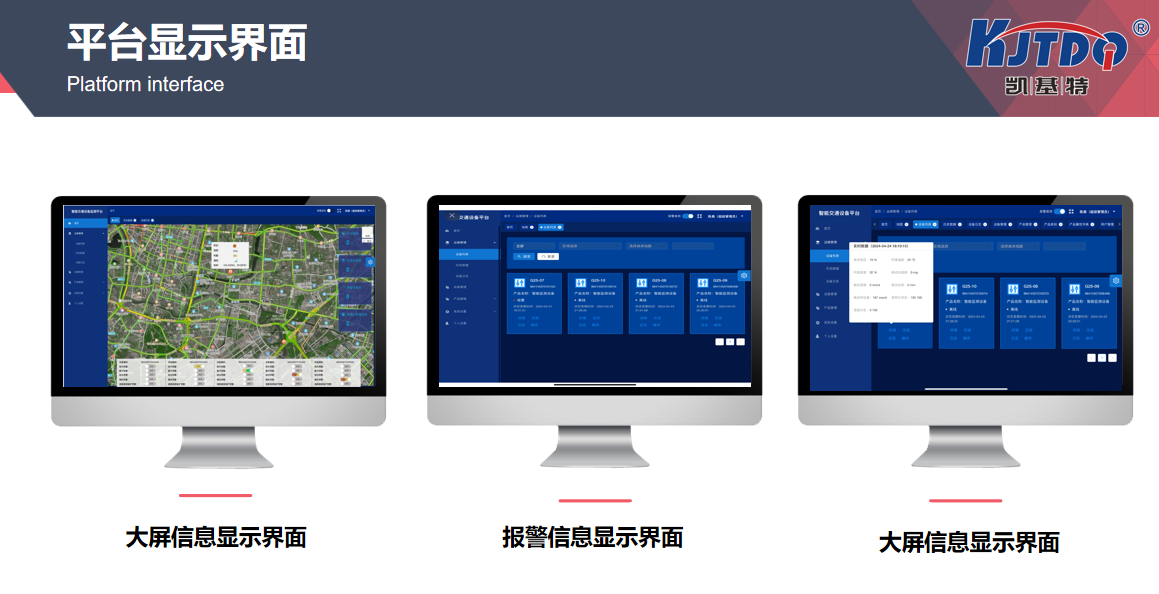
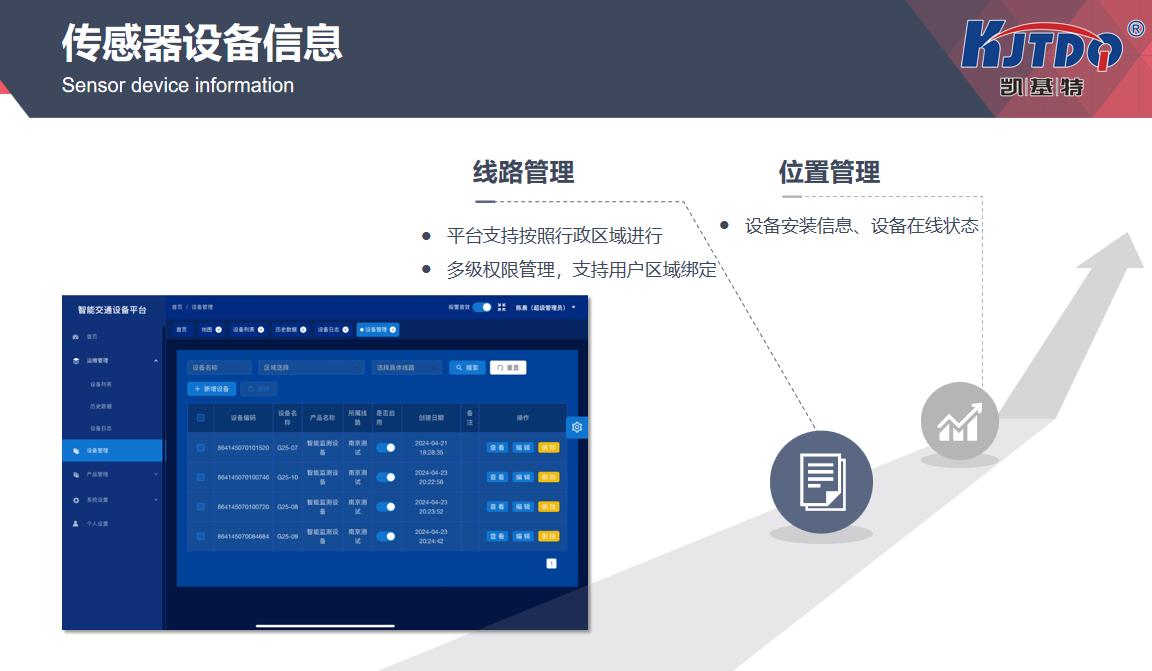
Optimize traffic managementThe highway condition monitoring system provides detailed data support for traffic management departments. These data can be used to analyze traffic flow, vehicle speed, etc., helping departments make scientific decisions and optimize traffic management. For example, based on real-time data, departments can adjust traffic signals, implement temporary traffic control measures, or optimize traffic flow lines to improve road capacity and efficiency.
The technical characteristics of the highway condition monitoring system are mainly reflected in the following aspects: sensor technology, data processing, and communication technology. The performance and effectiveness of the system depend on the stability and accuracy of these technologies.
sensor technologyHighway condition monitoring systems are typically equipped with various sensors, such as speed sensors, flow sensors, and road condition sensors. These sensors can collect real-time traffic information on the road, such as vehicle speed, traffic flow, traffic density, and road conditions. The accuracy and stability of sensors directly affect the data accuracy and reliability of the system.
data processingThe data processing module of the system is responsible for real-time analysis of the data collected by sensors. Through data analysis, the system can identify changes in traffic flow trends, identify potential traffic problems, and issue timely warnings. The accuracy and real-time performance of data processing are key factors for the effective operation of the system.
communications technologyThe communication technology of the highway condition monitoring system is used to transmit data and warning information to traffic management departments and drivers. Communication modules typically include wireless communication devices, data transmission protocols, and network platforms to ensure timely information transmission and stable system operation.
The highway condition monitoring system has been widely used in many countries and regions, especially in areas with high traffic flow and complex road conditions. These application examples demonstrate the effectiveness and importance of the system in practical operation.
Expressway around the cityOn highways around big cities, road condition monitoring systems can monitor traffic flow and speed in real time, providing drivers with accurate road condition information and reducing delays caused by traffic congestion. At the same time, the system also helps traffic management departments detect and handle traffic accidents in a timely manner, improving the efficiency of road traffic.
Main trunk highwaysOn major highways, the application of road condition monitoring systems can provide real-time traffic data to assist management departments in scientific traffic scheduling and planning. For example, during holidays or peak hours, the system can predict traffic flow through data analysis and take corresponding measures, such as increasing traffic law enforcement forces or setting up temporary lanes to alleviate traffic pressure.
Mountainous and tunnel sectionsThe role of road condition monitoring system is particularly important in special sections such as mountainous areas and tunnels. The traffic conditions in these areas are relatively complex and prone to traffic accidents or road congestion. The system can monitor and warn in real time, help drivers avoid dangerous road sections, and provide necessary data support for management departments to handle and maintain in a timely manner.
The highway condition monitoring system plays an increasingly important role in modern traffic management. It provides accurate road condition information to drivers through real-time monitoring and data analysis, improving road safety and traffic efficiency. However, although the road condition monitoring system provides valuable protection, we still need to strengthen our personal safety awareness and civilized driving. Reasonable planning of driving routes, compliance with traffic rules, and maintaining safe speeds are all key to ensuring safe travel. The highway condition monitoring system provides intelligent support for our travel, but true traffic safety still requires the joint efforts of each and every one of us.
In the future, with the continuous advancement of technology and the improvement of data analysis capabilities, highway condition monitoring systems will become more intelligent and accurate. We look forward to these systems bringing us a safer and more efficient travel experience, and jointly welcoming the arrival of the intelligent transportation era.
1. How does the highway condition monitoring system obtain real-time road information?
The highway condition monitoring system obtains real-time road information by installing various sensors and cameras on the road. Sensors can monitor data such as vehicle speed, traffic flow, traffic density, and road conditions, while cameras provide video monitoring and image analysis functions. These devices transmit the collected information to the data processing center through wireless or wired communication technology. The system analyzes this data in real-time, generates current road condition information, and provides it to drivers and traffic management departments.
2. What considerations are needed for the installation and maintenance of highway condition monitoring systems?
When installing and maintaining a highway condition monitoring system, the following points need to be considered:
1. Equipment selection: Choose high-quality and durable sensors and cameras to ensure stable operation of the system under various weather and environmental conditions.
2. Installation location: The installation location of sensors and cameras should be selected on road sections with high traffic flow and information demand, and ensure the comprehensiveness of viewing angle and data collection.
3. Regular maintenance: Regularly inspect and calibrate sensors, clean camera lenses, and ensure proper equipment operation. Timely repair faults and maintain system stability.
4. System updates: Regularly update data processing software and communication technology to improve system performance and accuracy.
3. How can the highway condition monitoring system improve traffic safety?
The highway condition monitoring system improves traffic safety through the following methods:
1. Real time warning: The system can monitor traffic flow, vehicle speed, and road status in real time. Once abnormal situations are detected (such as accidents, congestion, etc.), timely warnings will be issued to remind drivers to pay attention to safety.
2. Data support: Provide detailed road condition data to traffic management departments to help them make quick decisions, such as adjusting traffic signals, implementing temporary traffic controls, etc., and reducing the risk of accidents.
3. Information dissemination: Through electronic signs, traffic announcements, smartphone applications, and other means, road condition information is conveyed to drivers, allowing them to understand the road conditions before and during driving and adjust their driving strategies.