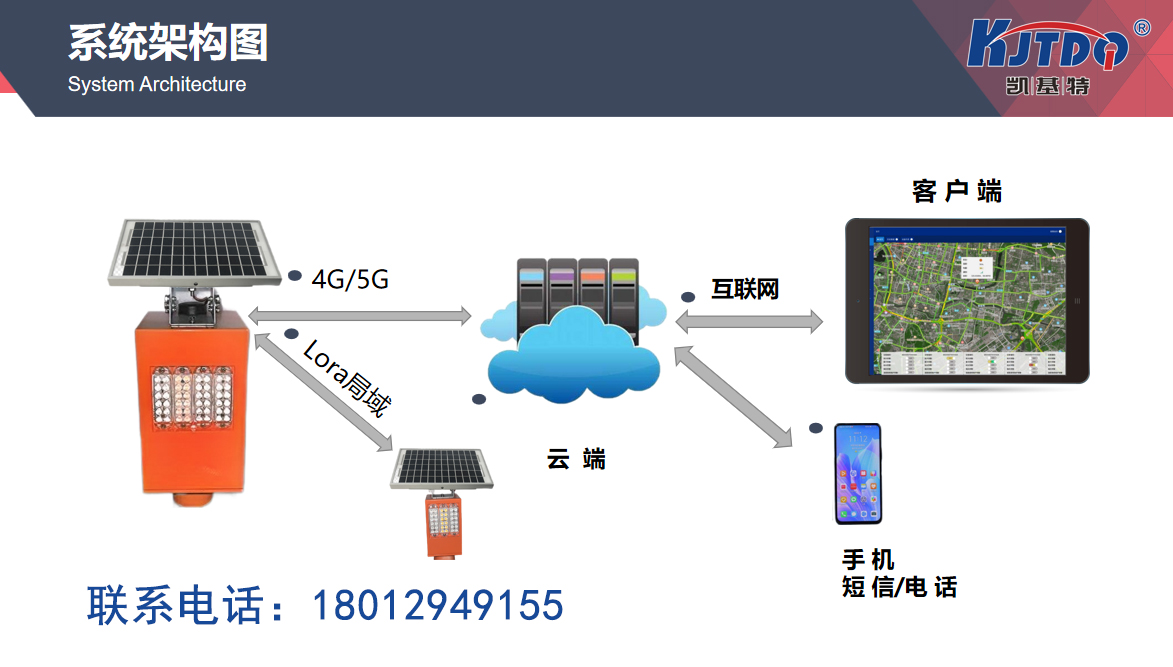
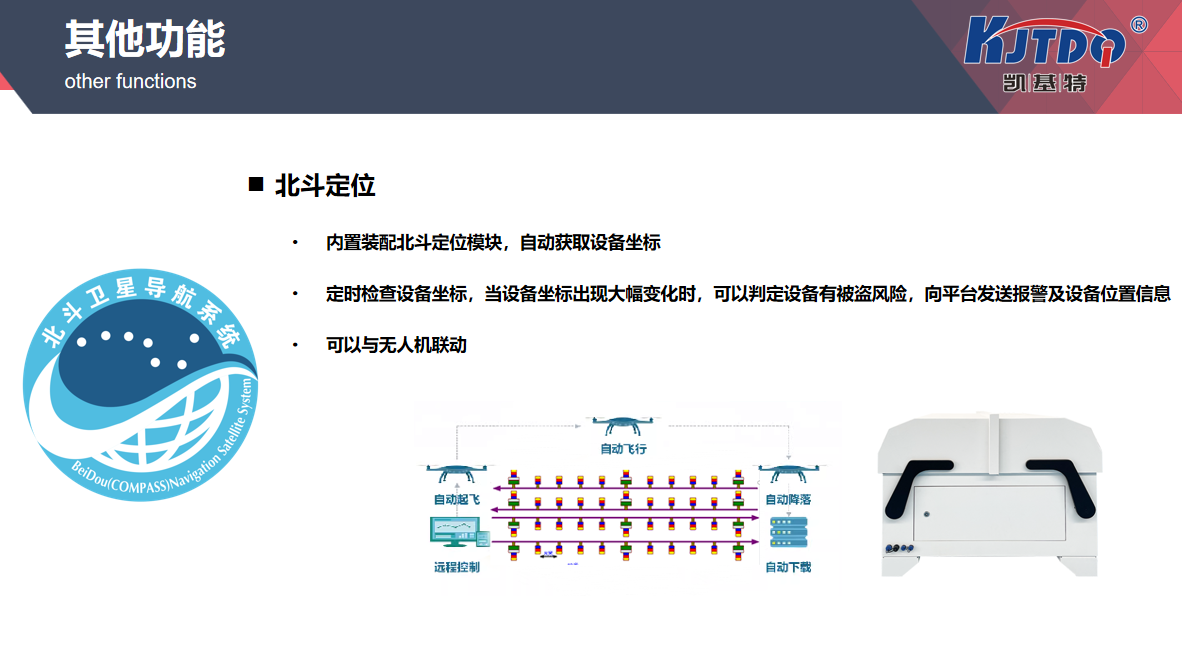
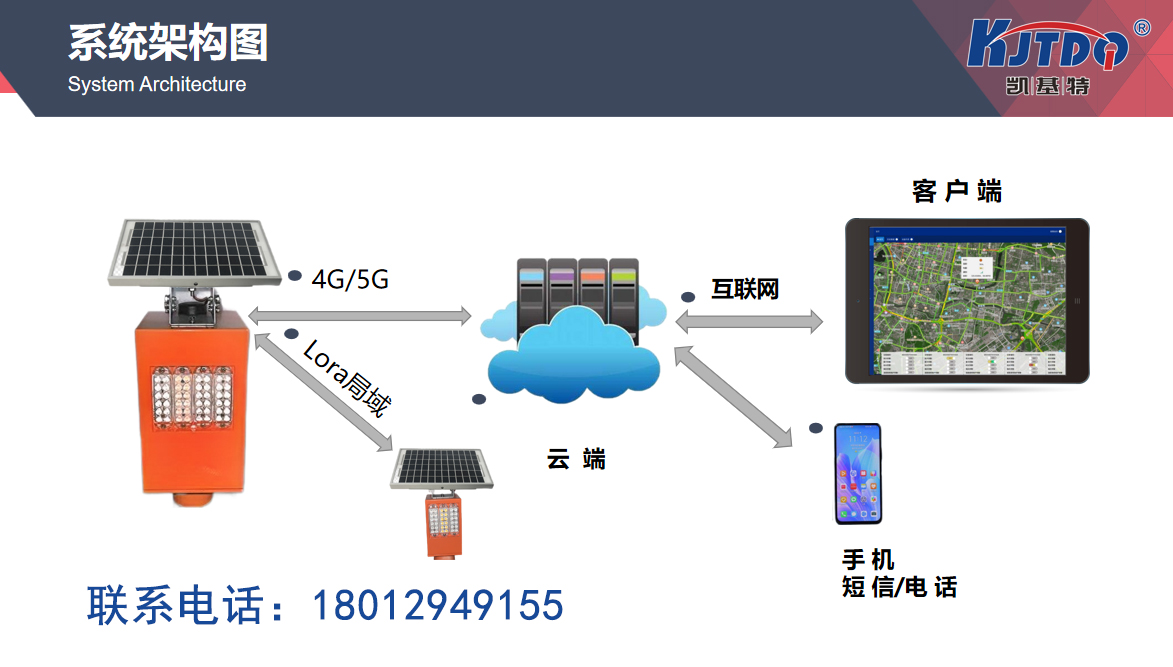
With the rapid development of technology, road safety intelligent monitoring systems have gradually become the core tool of modern traffic management. This system integrates advanced sensors, cameras, artificial intelligence, and big data analysis technology to monitor road conditions in real time, detect potential safety hazards, and significantly improve the safety and management efficiency of road traffic. So, what are the significant advantages of intelligent road safety monitoring systems?
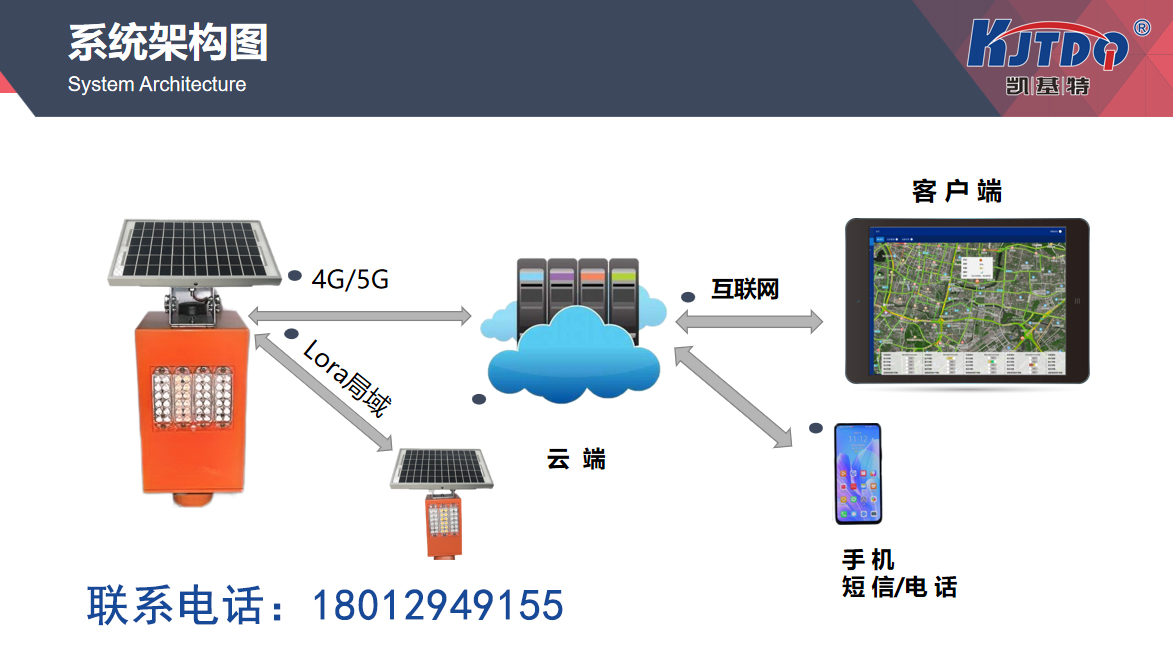
1、 Real time monitoring and warning
One of the biggest advantages of the road safety intelligent monitoring system is its powerful real-time monitoring capability. Traditional road monitoring often relies on manual patrols or fixed-point cameras, which have problems such as limited monitoring range and slow response speed. The intelligent monitoring system, on the other hand, can continuously monitor road traffic conditions around the clock through sensors and cameras scattered throughout the road. Once abnormalities are detected, such as vehicle violations, traffic accidents, road obstacles, etc., the system can immediately issue warnings and transmit the information to relevant departments for rapid processing. This real-time capability greatly shortens the time from accident occurrence to emergency response, reducing the severity of traffic accidents and the probability of secondary disasters.
2、 Data Analysis and Decision Support
In addition to monitoring and warning functions, intelligent monitoring systems also have powerful data analysis capabilities. By collecting and analyzing a large amount of traffic data, the system can generate detailed traffic flow reports, accident statistical analysis, and predictive models for road safety hazards. These data provide scientific decision-making basis for traffic management departments. For example, the system can analyze the high incidence periods of traffic accidents on certain road sections and recommend strengthening patrols or taking other preventive measures during these periods. In addition, the system can also predict future traffic trends, help traffic management departments develop long-term plans, and improve the overall safety level of road traffic.
3、 Improve emergency response efficiency
The advantages of road safety intelligent monitoring system in emergency response are also very prominent. When the system detects a traffic accident or other emergency situation, in addition to issuing a warning, it can also automatically initiate emergency response procedures. The system can immediately notify nearby emergency vehicles, fire departments, or traffic police, and provide accurate location and road condition information of the accident site. This automated emergency response mechanism greatly shortens the response time of emergency handling and greatly improves rescue efficiency. In addition, the system can also monitor the accident scene in real-time, helping emergency personnel to be fully prepared before arriving at the scene, thereby improving the success rate and speed of rescue.
4、 Reduce human error
In traditional traffic management, human factors are often one of the important reasons for erroneous judgments and improper accident handling. The intelligent monitoring system reduces the reliance on manual judgment and lowers the possibility of human error through automation technology. For example, in times of high traffic flow, traditional monitoring may not be able to detect all violations or potential dangers in a timely manner, while intelligent systems can accurately capture every detail through automatic recognition technology, greatly improving the accuracy and effectiveness of monitoring.
5、 Support the construction of intelligent transportation and smart cities
The intelligent monitoring system for road safety not only improves road safety, but also provides important support for the construction of intelligent transportation and smart cities. Intelligent transportation systems rely on a large amount of real-time traffic data, and intelligent monitoring systems are the main source of this data. By linking with other intelligent systems such as smart signal lights, autonomous vehicles, and smart parking systems, intelligent monitoring systems can achieve more efficient traffic management and resource scheduling, thereby alleviating traffic congestion, reducing carbon emissions, and improving overall urban operational efficiency.
6、 Enhance the safety awareness of drivers
The application of intelligent monitoring systems also helps to improve drivers' safety awareness. Through real-time monitoring of driving behavior, the system can identify dangerous behaviors such as speeding, running red lights, and drunk driving, and promptly remind or punish drivers. This feeling of being monitored at all times can encourage drivers to drive more cautiously, thereby subtly improving their awareness of safe driving and reducing the incidence of traffic accidents.
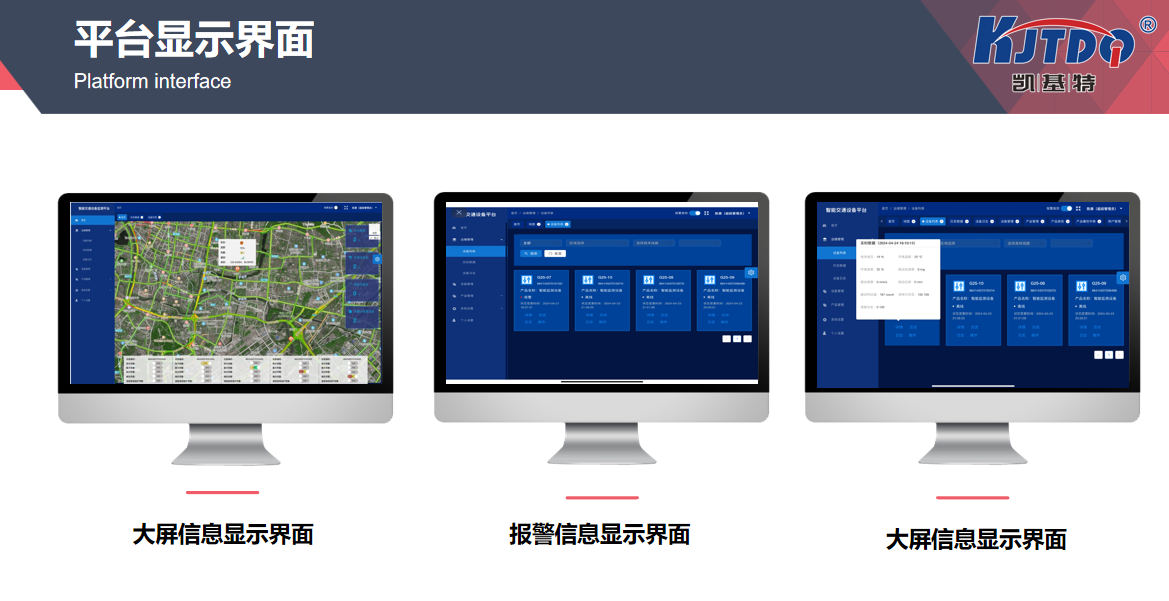
In summary, the intelligent monitoring system for road safety has significantly improved the safety and management level of road traffic through multiple advantages such as real-time monitoring and warning, data analysis and decision support, improving emergency response efficiency, reducing human errors, supporting intelligent transportation construction, and enhancing driver safety awareness. In the future, with the continuous advancement of technology and the gradual popularization of systems, we have reason to believe that intelligent monitoring of road safety will become a key force in ensuring traffic safety, providing strong support for building a safer, smoother, and more intelligent traffic environment.
1. How does the road safety intelligent monitoring system achieve real-time monitoring?
The road safety intelligent monitoring system collects road information 24/7 through high-precision cameras, sensors, and IoT devices distributed on various road sections. The data is transmitted in real-time to the central processing system for analysis and processing. When the system detects abnormal situations, such as traffic accidents or road congestion, it will immediately issue a warning and notify relevant departments to intervene. This process is fully automated, ensuring real-time performance and response speed.
2. How can intelligent monitoring systems help reduce traffic accident rates?
The intelligent monitoring system detects and corrects driver misconduct such as speeding and drunk driving in a timely manner through real-time monitoring and data analysis. In addition, the system can identify potential safety hazards and alert drivers through warning systems or take automated measures to prevent accidents from occurring. At the same time, the data reports generated by the system help traffic management departments optimize road design and management strategies, reducing the likelihood of accidents from the root.
3. How can intelligent monitoring systems function in emergency situations?
In emergency situations, intelligent monitoring systems can quickly identify the location of accidents and automatically notify emergency service departments such as first aid, firefighting, or traffic police. The real-time traffic information and precise positioning provided by the system help emergency personnel quickly arrive at the scene, greatly reducing response time. In addition, the system can also coordinate surrounding traffic to ensure unobstructed rescue channels, thereby improving rescue efficiency and success rate.
4. Will intelligent monitoring systems lead to excessive dependence on drivers?
The intelligent monitoring system aims to assist rather than replace the driver's judgment. Although the system can provide real-time warnings and safety reminders, the driver is still the ultimate decision-maker. The existence of the system is more for enhancing safety, rather than making drivers rely on it. With the help of the system, drivers can better cope with unexpected situations, but still need to remain vigilant and responsible to ensure safe driving.