Bridges play a crucial role in modern society, connecting cities and rural areas and shortening people's travel time. However, the safety of bridges has always been a major challenge in traffic management, especially with the increasing service life of bridges and frequent natural disasters, bridge collapse accidents occur from time to time. This not only threatens the safety of public life and property, but also brings huge economic losses to transportation. In order to solve this problem, the technology of intelligent prevention system for bridge collapse has emerged. The core of this technology lies in real-time monitoring of the structural condition of bridges through advanced sensors and data analysis techniques, identifying potential risks in advance and preventing them before they occur.
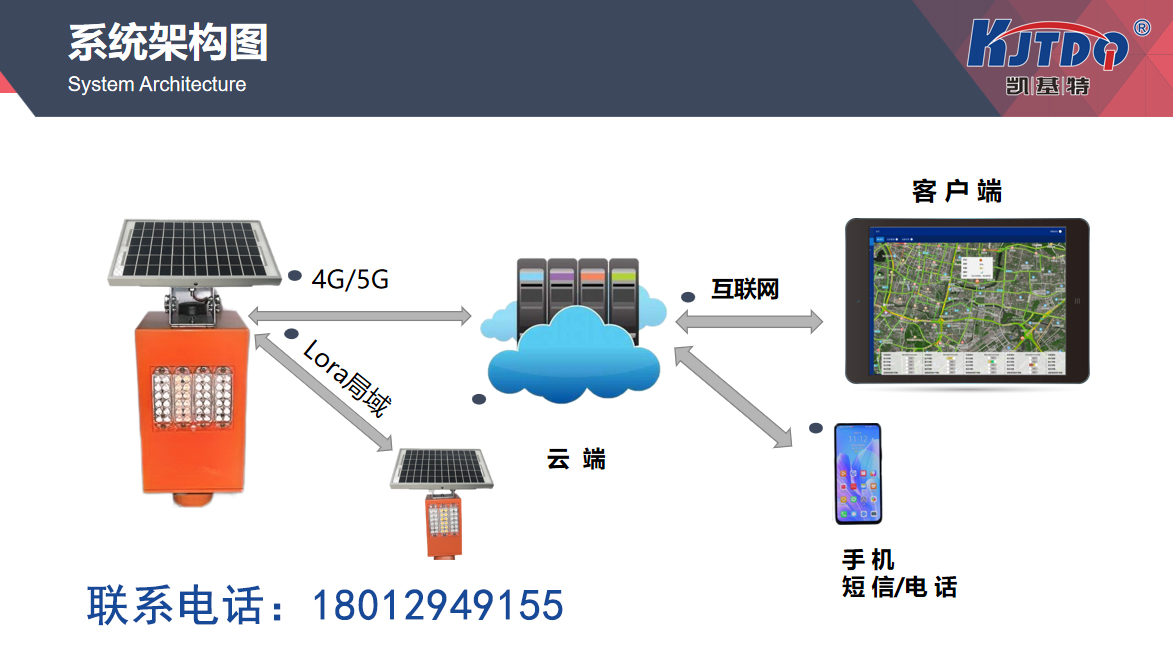
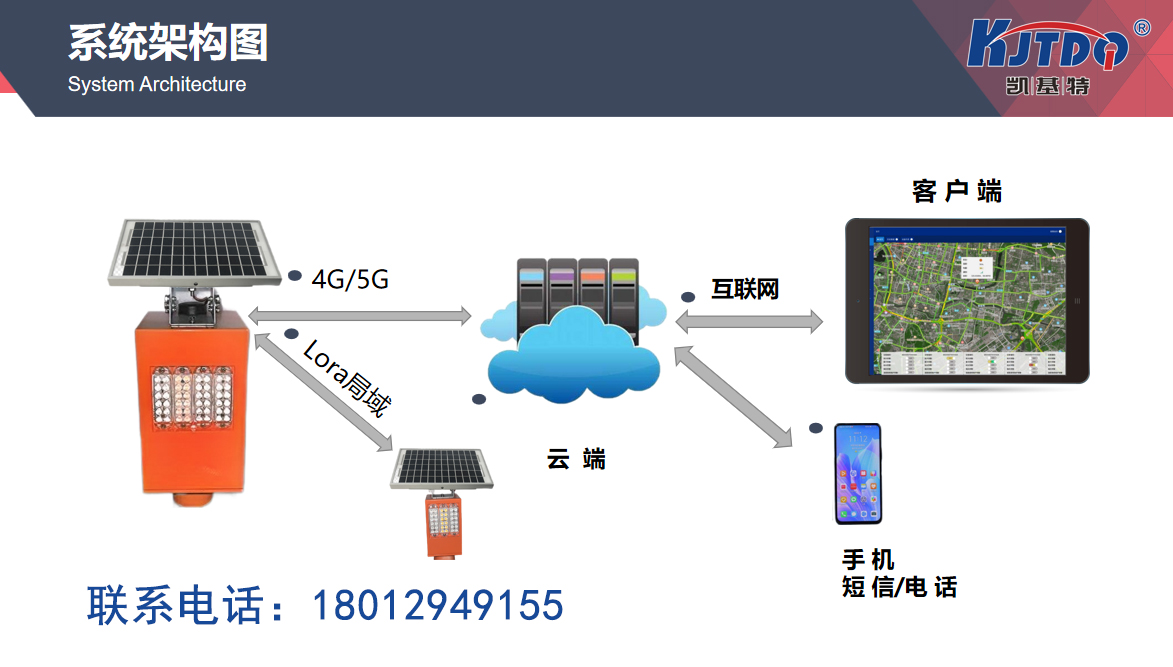
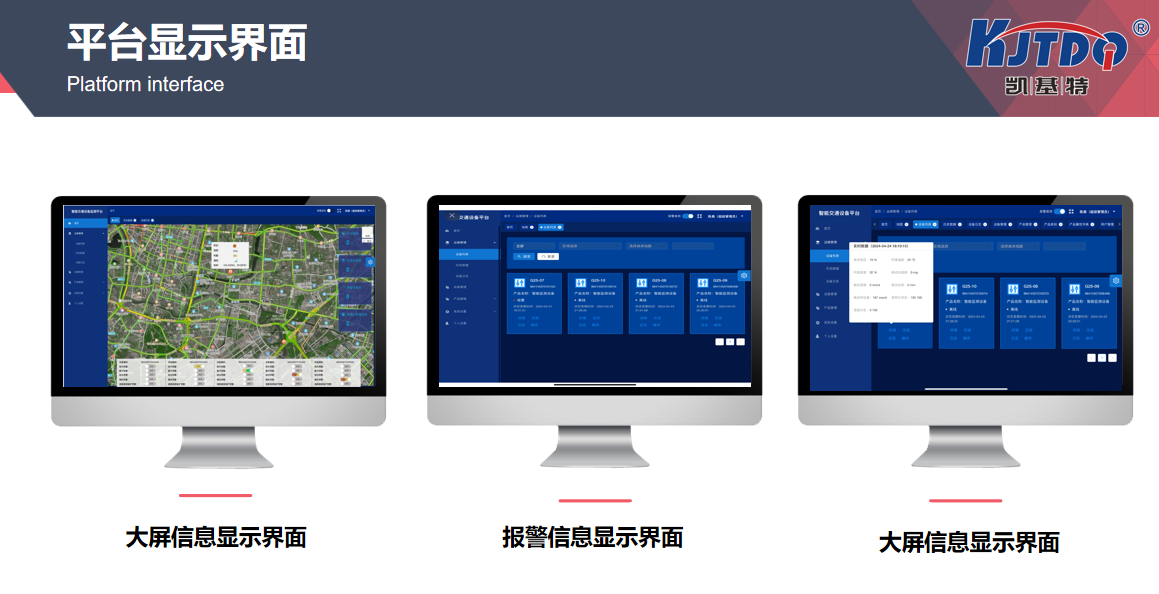
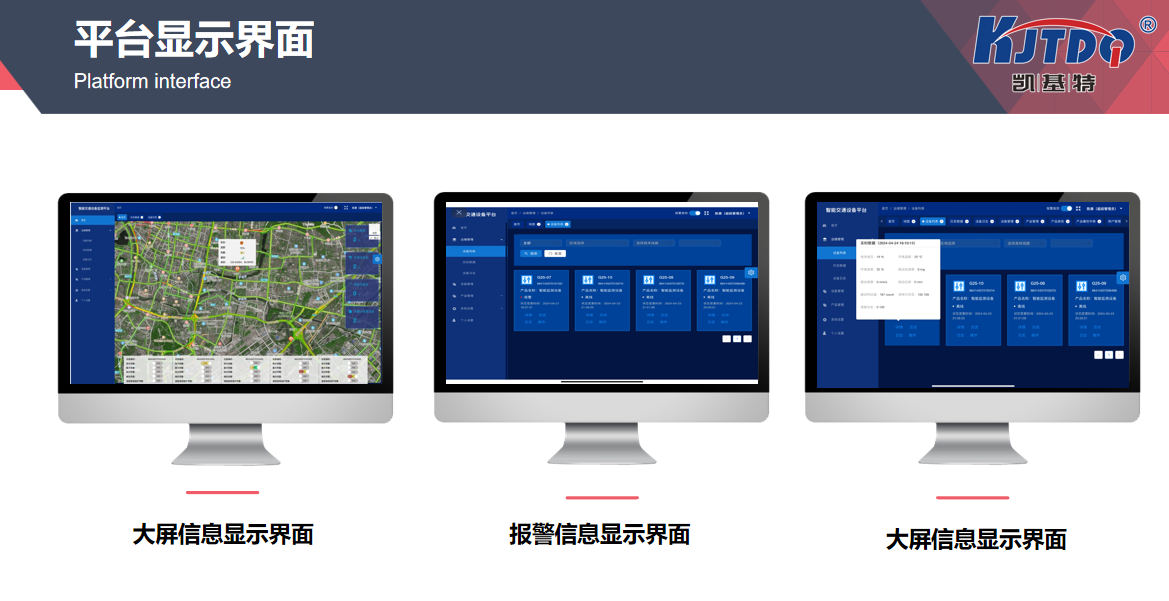
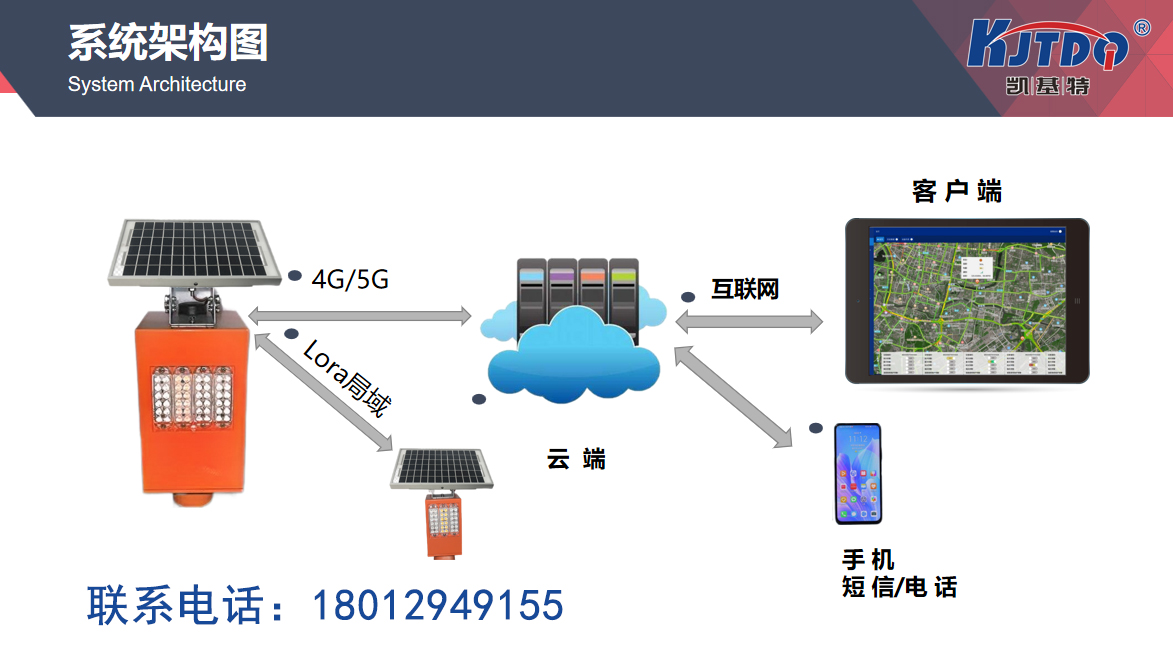
The core value of the intelligent prevention system technology for bridge collapse lies in its ability to provide real-time monitoring around the clock, effectively preventing potential collapse risks. This technology continuously collects data on stress, temperature, humidity, vibration, and other aspects of the bridge by deploying a sensor network at critical locations. These sensors have extremely high accuracy and can capture small structural changes in bridges, such as crack propagation, material aging, and changes in environmental loads. All collected data will be transmitted in real-time to the central data analysis platform, and the system will evaluate the health status of the bridge through big data analysis and machine learning algorithms. Once an abnormality is detected, the system will immediately issue a warning, and relevant departments can quickly take response measures to prevent accidents from happening.
The significance of this intelligent prevention system lies not only in responding to sudden events, but also in changing the traditional way of bridge maintenance. In the past, the safety of bridges relied on regular manual inspections, which was inefficient and had blind spots. The intelligent prevention system can provide continuous and seamless monitoring, greatly improving the accuracy and timeliness of bridge maintenance. More importantly, this technology helps optimize the allocation of maintenance resources for bridges, reduce unnecessary maintenance expenses, and achieve more efficient management.
At present, the intelligent prevention system technology for bridge collapse has been widely applied worldwide. In areas where natural disasters occur frequently, such as earthquake zones and flood areas, this technology is particularly valued. For example, in some earthquake prone countries, government departments have made intelligent prevention systems one of the standard configurations for new bridges. This is not only a guarantee of public safety, but also a rational utilization of social resources.
The intelligent prevention system has demonstrated strong adaptability and flexibility in bridge monitoring. This technology can play a unique role in both new and existing old bridges. In the construction of new bridges, intelligent prevention systems can help optimize design and reduce potential structural defects. For old bridges, the system can help identify risks caused by material aging or environmental changes, provide necessary maintenance recommendations, and extend the service life of the bridge.
In addition, intelligent prevention systems can also be integrated with security monitoring systems of other infrastructure to form a comprehensive urban infrastructure security network. This integrated monitoring system can not only improve the safety of individual bridges, but also optimize the operational efficiency of the entire transportation network. For example, when a bridge poses a safety hazard, the system can link with the traffic signal control system to adjust traffic flow and avoid traffic congestion caused by bridge closure.
In the long run, the popularization and application of intelligent prevention system technology for bridge collapse is the trend. With the acceleration of urbanization and the intensification of climate change, bridge safety issues will become more complex and diverse. Only by introducing intelligent monitoring technology can we effectively address these emerging challenges and ensure the long-term safe operation of bridges.
I believe that in the process of advancing this technology, it is not only necessary to rely on technological progress, but also to have close cooperation between relevant departments, research institutions, and engineering enterprises. Only through the joint efforts of all parties can the comprehensive promotion of intelligent prevention system technology for bridge collapse be truly achieved, providing a solid foundation guarantee for the sustainable development of society.
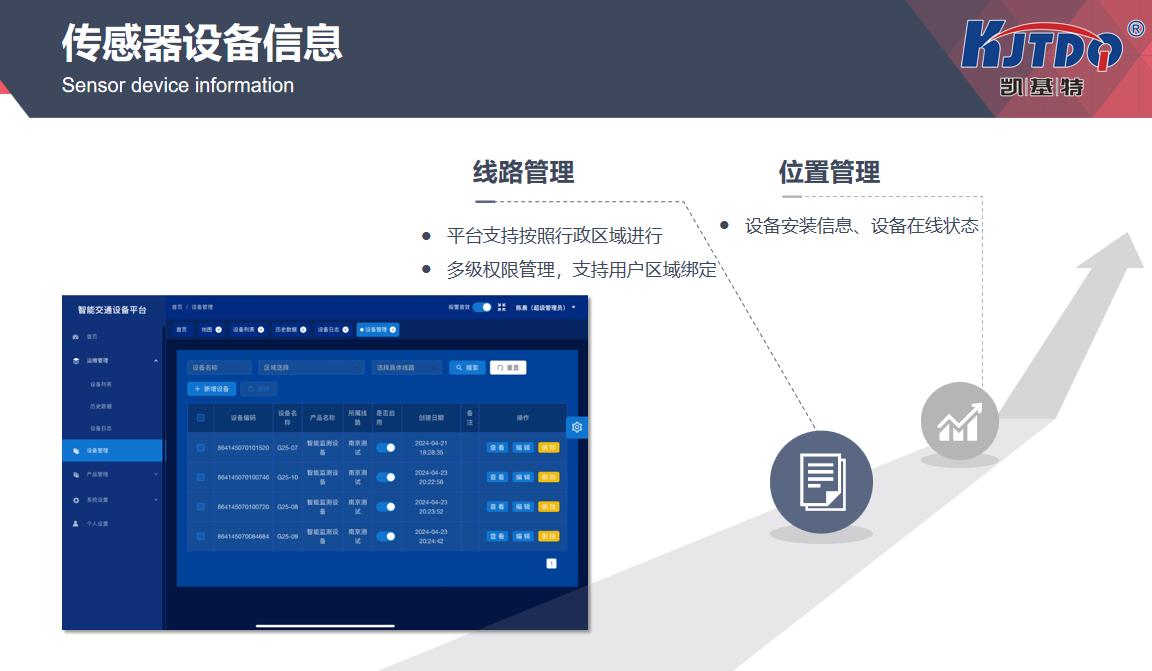
Overall, the intelligent prevention system technology for bridge collapse is not only an innovation in bridge safety management, but also an important component of future smart city construction. Through this technology, we can better control the health status of bridges, avoid unnecessary risks, and safeguard the safety of public travel. As we can see, the development of technology has brought new possibilities for the maintenance and management of bridges, and has also created a safer environment for our lives. In the future, with the continuous advancement of technology and the expansion of application scope, intelligent prevention system technology for bridge collapse will become a standard configuration for every bridge, providing a more solid guarantee for the safety and stable operation of traffic.
1. What is the core technology of intelligent prevention system for bridge collapse?
The intelligent prevention system technology for bridge collapse monitors the structural health status of the bridge in real-time through advanced sensor networks and data analysis platforms. The system can capture small changes in key parts of the bridge, such as crack propagation, corrosion of steel bars, and changes in loads. Through these data, the system can predict potential structural risks and issue early warnings to prevent bridge collapse. The core of the intelligent prevention system lies in its high-precision monitoring capability and rapid response mechanism, ensuring that bridge management departments can take effective measures in the shortest possible time.
2. How does the intelligent prevention system technology for bridge collapse operate?
The intelligent prevention system technology for bridge collapse relies on various advanced monitoring methods, including but not limited to strain sensors, acceleration sensors, displacement sensors, temperature sensors, etc. These sensors are installed in key parts of the bridge, collecting real-time data and transmitting it to the central control system through wireless networks. The system analyzes and processes these data to identify potential danger signals that may lead to bridge collapse. Once an abnormality is detected, the system will immediately issue an alarm and notify relevant departments to take emergency measures, such as closing the bridge, strengthening the support structure, or carrying out maintenance and reinforcement.