Every winter, as the temperature drops, the problem of road icing becomes particularly prominent. This not only poses a great threat to driving safety, but also poses significant challenges to traffic management. In order to solve this problem, various road icing warning system equipment technologies have emerged. These technologies can not only monitor road conditions in real time, but also issue warnings in advance to help drivers avoid dangerous road sections and effectively prevent traffic accidents. So, what is the technology of road icing warning system equipment? How do they work? Today we will talk about this topic.
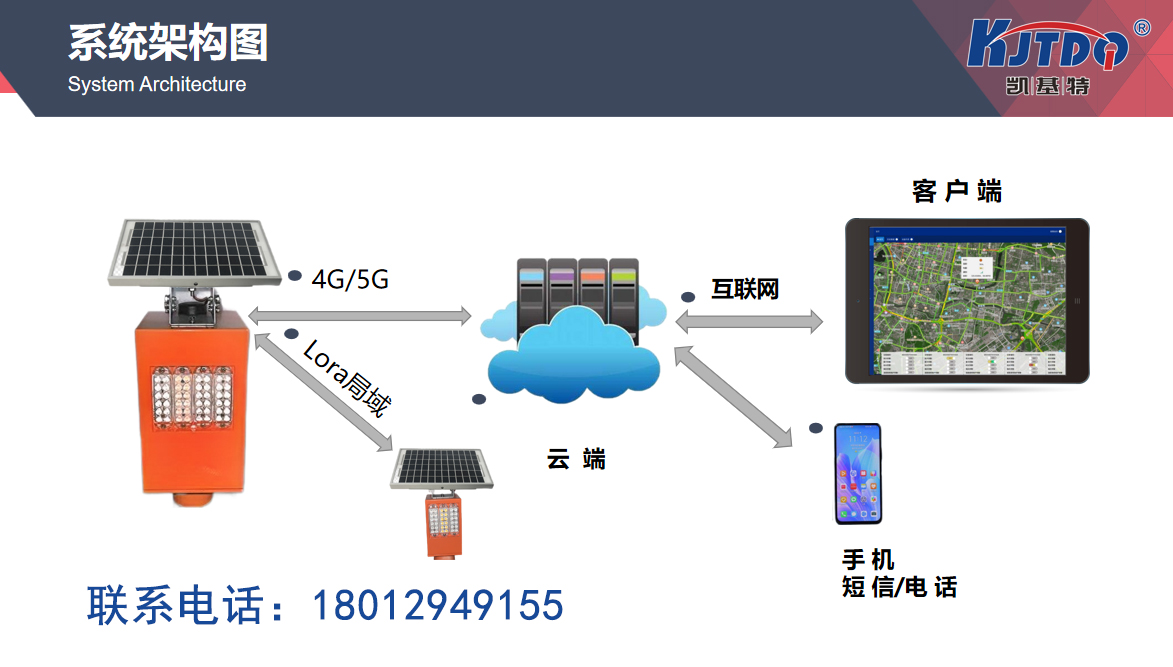
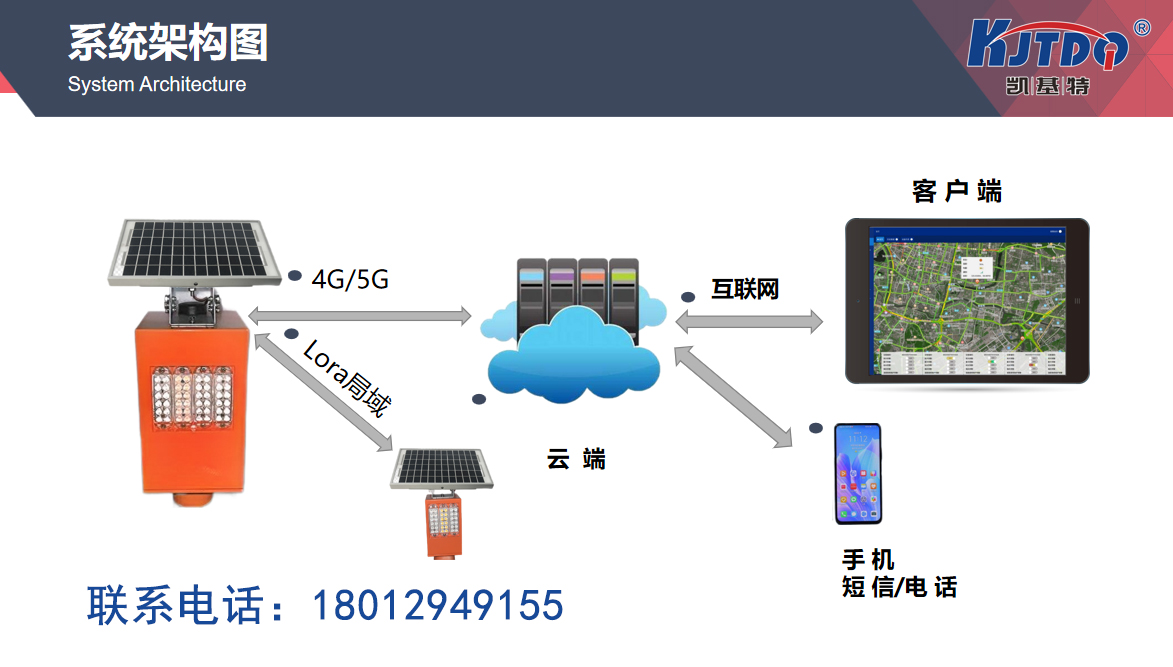
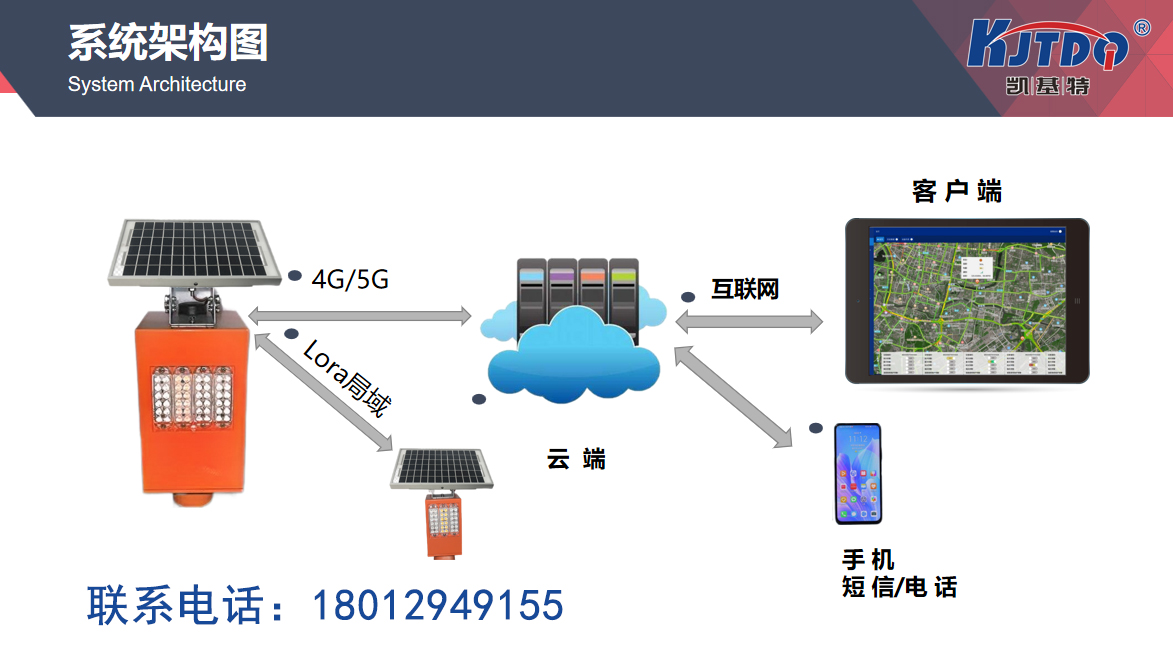
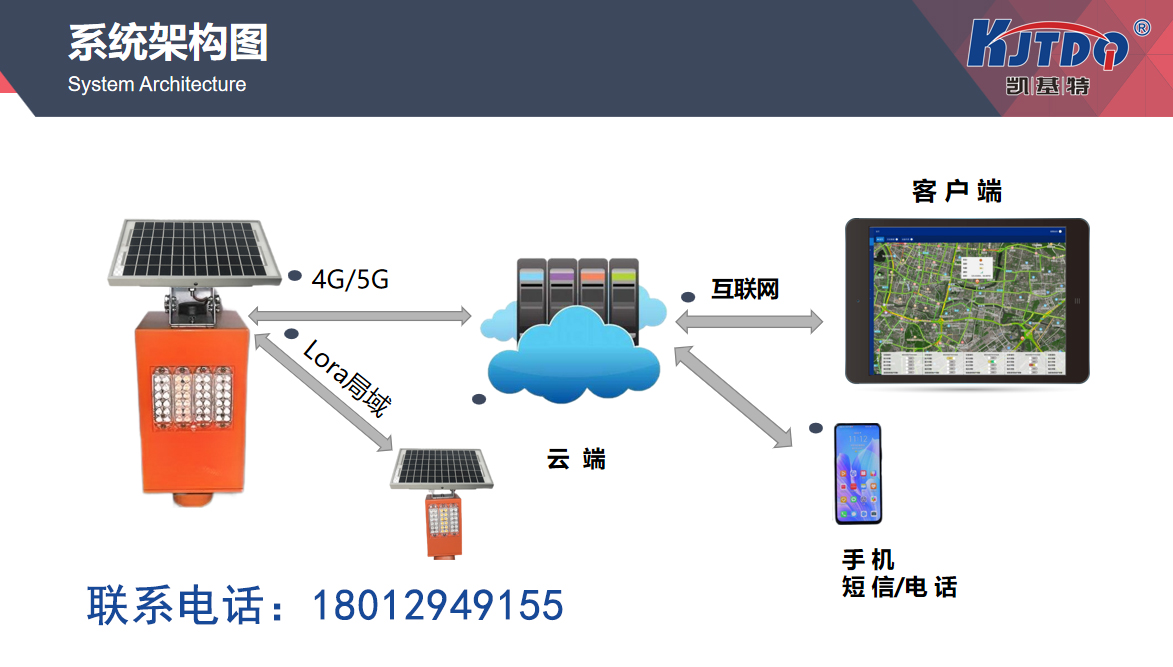
The core technology of road icing warning system equipment lies in monitoring and warning. By combining sensors, data processing units, and communication modules, these devices can capture key data such as road temperature, humidity, and wind speed in real time, and analyze whether these data will cause road icing. Once the system detects a potential risk of icing, it will immediately issue an alert to remind traffic management departments and drivers to prepare for the situation.
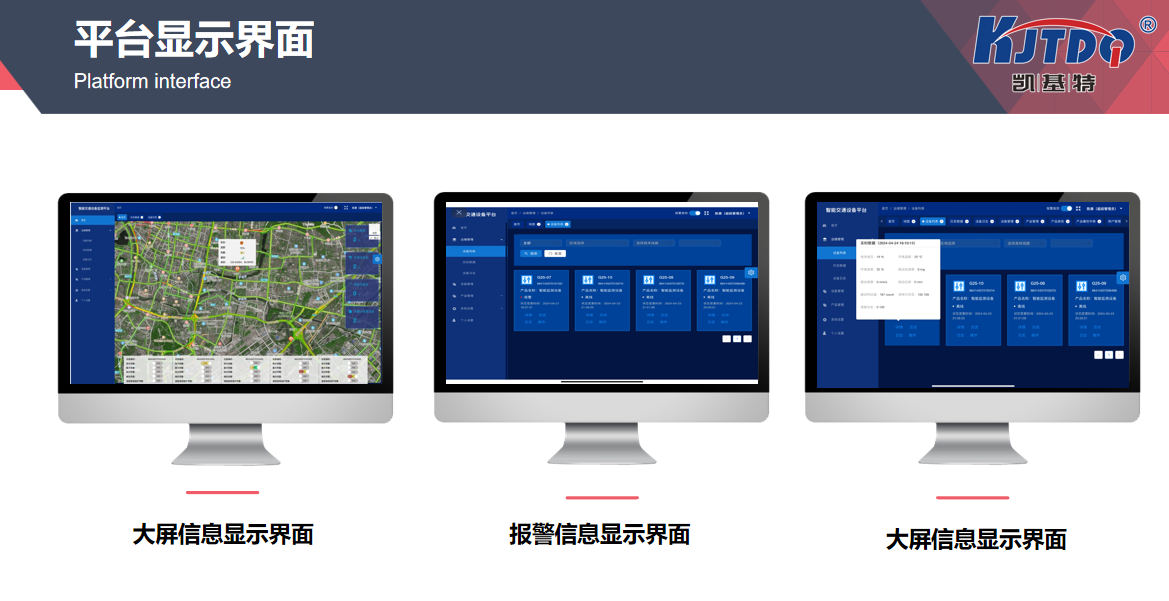
In addition, the road icing warning system equipment also has the function of automated processing. For example, when the system detects a rapid decrease in temperature and an increase in humidity on a certain road section, it will automatically send a reminder to the driver through a connected display screen or mobile app, suggesting to slow down or choose another safe route. These functions not only provide valuable warning information for drivers, but also provide scientific basis for emergency decision-making by traffic management departments.
With the continuous advancement of technology, the equipment technology of road icing warning systems is also constantly being updated and upgraded. The earliest warning systems relied heavily on manual observation and simple temperature sensors, but this method had low accuracy and slow response speed. Nowadays, with the introduction of IoT technology, artificial intelligence, and big data, the technology of road icing warning system equipment has reached unprecedented heights.
Modern road icing warning systems are typically equipped with various advanced sensors, such as infrared temperature sensors, laser sensors, and high-definition cameras. These devices can monitor road conditions 24 hours a day without interruption and identify various road icing phenomena, including thin ice. Meanwhile, based on artificial intelligence algorithms, these devices can also predict weather trends, thereby further improving the accuracy and timeliness of early warning.
In addition, thanks to the development of big data technology, early warning systems can not only make judgments based on real-time data, but also combine historical data and meteorological forecasts to make more comprehensive risk assessments. This comprehensive judgment ability enables the road icing warning system equipment to more accurately predict dangerous road sections and issue warnings in advance to avoid accidents.
The application scenarios of road icing warning system equipment technology are very wide, especially in highways, mountainous roads, and bridges that are prone to icing, and the application effects of these devices are particularly significant. For example, in some northern cities where temperatures are consistently low, icing on highways is extremely common. The traffic accident rate has significantly decreased on roads equipped with ice warning systems. After receiving the warning information, drivers will drive more cautiously, avoiding many rear end and side slip accidents caused by icing.
Another typical application scenario is mountainous highways. Due to the unpredictable weather and complex road conditions in mountainous areas, traditional manual observation methods are difficult to timely grasp the situation of road icing. The equipment technology of road icing warning system provides accurate road condition information for drivers and traffic managers through real-time monitoring and rapid warning, greatly reducing the incidence of traffic accidents on mountainous roads.
Although the current technology of road icing warning system equipment has achieved significant results, there is still a lot of room for development. In the future, with the popularization of 5G technology and the development of autonomous driving technology, warning systems will become more intelligent and comprehensive. For example, the high-speed transmission capability of 5G networks will make the transmission of warning information more real-time and accurate, while the introduction of autonomous vehicles may achieve fully automated hazard avoidance and emergency response.
In addition, with the intensification of climate change and the frequent occurrence of extreme weather events, higher requirements have been put forward for the equipment technology of road icing warning systems. The future warning system should not only be able to cope with routine weather changes, but also have emergency response capabilities in extreme weather conditions. Therefore, researchers are actively exploring new materials and technologies, hoping to further enhance the anti-interference ability and durability of early warning systems.
Overall, the technology of road icing warning system equipment is undoubtedly an important means to ensure winter driving safety. With the continuous development of technology and the popularization of applications, we have reason to believe that the roads of the future will become smarter and safer. However, we also need to recognize that no technology is omnipotent, and drivers still need to maintain a high level of vigilance and comply with traffic rules while driving in order to truly achieve safe travel. The technology of road icing warning system equipment only provides us with an extra layer of protection, but ultimately safety is still in our own hands.
1. How does the road icing warning system equipment monitor road conditions in real time?
The road icing warning system equipment relies on a series of highly sensitive sensors to monitor the environmental conditions of the road surface in real time. These sensors include temperature sensors, humidity sensors, wind speed sensors, and infrared sensors. Temperature sensors are used to measure road surface temperature and determine whether it is close to or below freezing point; The humidity sensor is used to detect the humidity level in the air. When the humidity is high and the temperature is low, the system will determine whether there is a risk of icing.
Infrared sensors and laser sensors can accurately detect the surface condition of the road surface, and even identify thin ice. The data from these sensors will be transmitted in real-time to the data processing unit and analyzed through complex algorithms. If a potential risk of icing is detected, the system will immediately issue an alarm. More advanced systems can also capture real-time road conditions through high-definition cameras, providing intuitive visual data and further improving the accuracy of warnings.
2. What are the potential development directions of road icing warning system equipment technology in the future?
In the future, the technology of road icing warning system equipment will develop towards a more intelligent and comprehensive direction. Firstly, with the popularization of 5G network technology, the information transmission speed and real-time performance of warning systems will be greatly improved. The high-speed and low latency characteristics of 5G will enable the system to transmit warning information in a more timely manner, further reducing response time and improving driving safety.
Secondly, with the development of autonomous driving technology, future warning systems will be closely integrated with autonomous driving technology. Autonomous vehicles will be able to receive information from warning systems and automatically adjust their driving strategies based on this information, such as slowing down, changing lanes, or choosing detours. This will greatly reduce traffic accidents caused by icy roads.
In addition, the application of artificial intelligence and big data technology will further enhance the accuracy and predictive ability of early warning systems. By comprehensively analyzing a large amount of historical and real-time data, the system can more accurately predict future icing risks and issue warnings in advance. This intelligent risk prediction capability will enable warning systems to more effectively ensure winter driving safety.
3. What are the challenges in the practical application of road icing warning system equipment technology?
Although the technology of road icing warning system equipment has achieved significant results, it still faces some challenges in practical applications. Firstly, there is the issue of cost. The high-precision sensors and complex system composition make the installation and maintenance costs of warning equipment relatively high, especially in the case of widespread installation, where the cost is more significant. For some regions or countries with limited budgets, this may be an insurmountable obstacle.
Secondly, there is the diversity and complexity of the environment. The climate conditions, terrain, and road surface materials vary in different regions, which requires the warning system to make special adjustments for different environments. For example, roads in mountainous areas are prone to local icing, while plain areas may face larger areas of icing. The sensors and algorithms of the system need to be able to flexibly respond to these changes, otherwise it may lead to false positives or false negatives.
Finally, the accuracy of data and the stability of transmission. Under extreme weather conditions, sensors may be subject to interference, and data transmission may experience delays or losses, all of which can affect the effectiveness of warning systems. Therefore, the development of future technology requires further breakthroughs in these areas to ensure the reliability and effectiveness of the system.
4. Does the application of road icing warning system equipment technology have any impact on the environment?
The main purpose of the equipment technology for road icing warning system is to ensure driving safety, and its direct impact on the environment is relatively small. However, the widespread application of these systems may indirectly affect the environment. For example, in order to address the risk of icing, traffic management departments may increase the frequency of salt spraying, and the extensive use of snowmelt salt may cause pollution to roadside vegetation, soil, and water bodies. Therefore, the application of early warning systems needs to be combined with environmental protection measures.
In order to reduce environmental impact, future warning systems can be used in conjunction with more environmentally friendly road maintenance measures, such as using thermal technology or other physical methods to remove ice. In addition, with the advancement of technology, some studies are exploring the use of more environmentally friendly materials to replace traditional snow melting salts, thereby reducing negative impacts on the environment while ensuring safety. These measures will enable the technology of road icing warning system equipment to not only improve driving safety, but also achieve environmental sustainability to a greater extent.