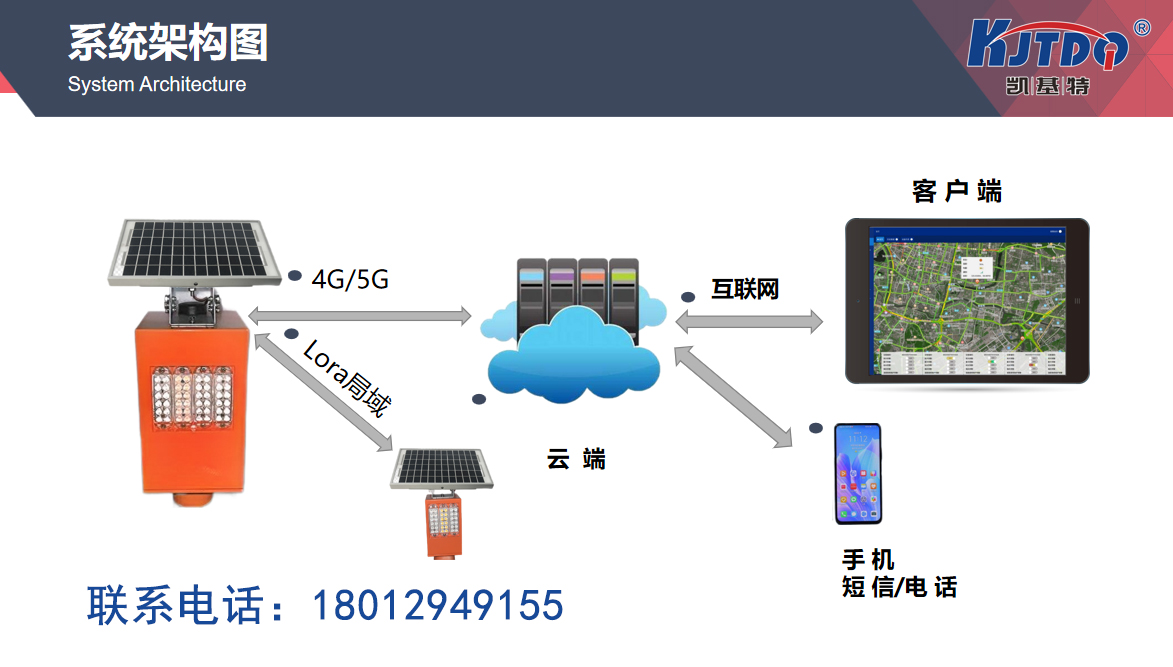
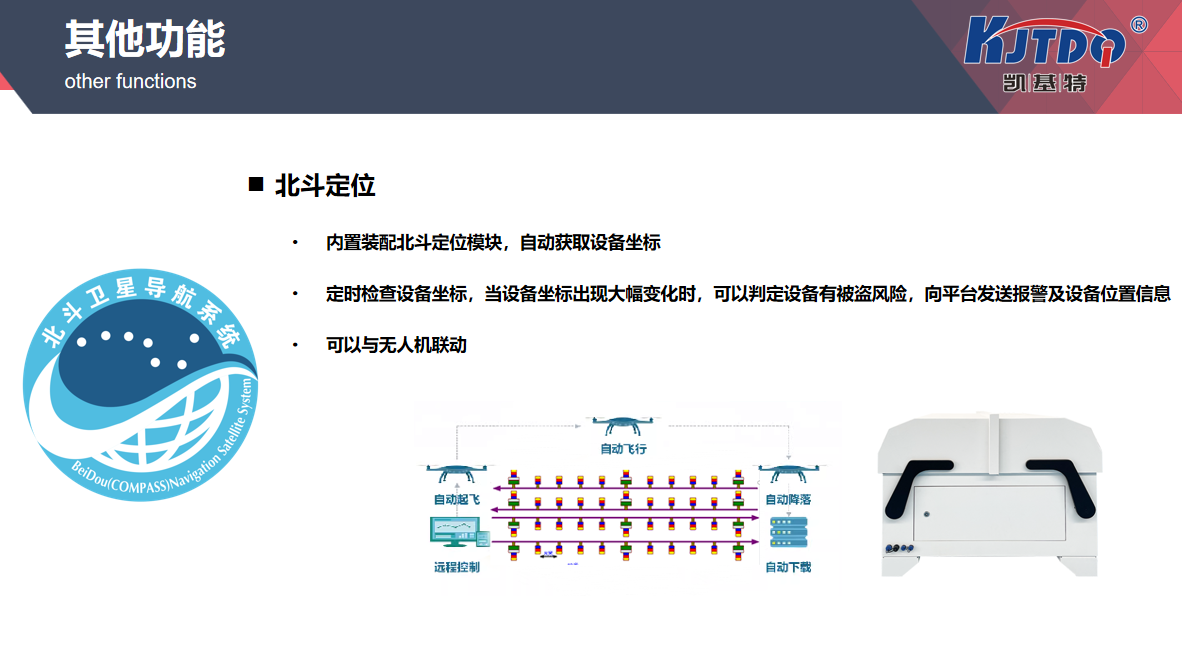
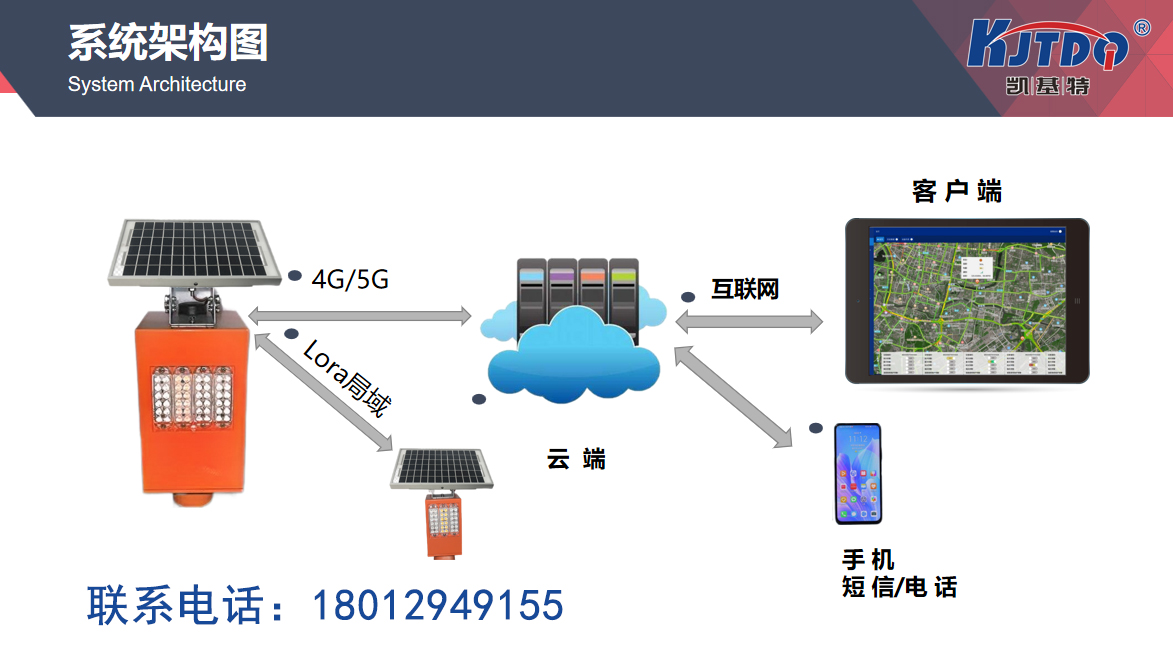
In our daily lives, bridges are not just transportation links, they carry the busyness of cities and people's travel. However, when we drive or walk across bridges, few people would think that these seemingly sturdy structures may be facing potential hazards. The emergence of bridge collapse warning system provides us with an important safety guarantee. Through advanced monitoring technology and data analysis, it can provide real-time warning of potential problems in bridge structures, prevent accidents, and ensure our travel safety. Today, we will talk about the bridge collapse warning system, how it works, why it is so important, and how we can use this technology to protect our lives and property safety.
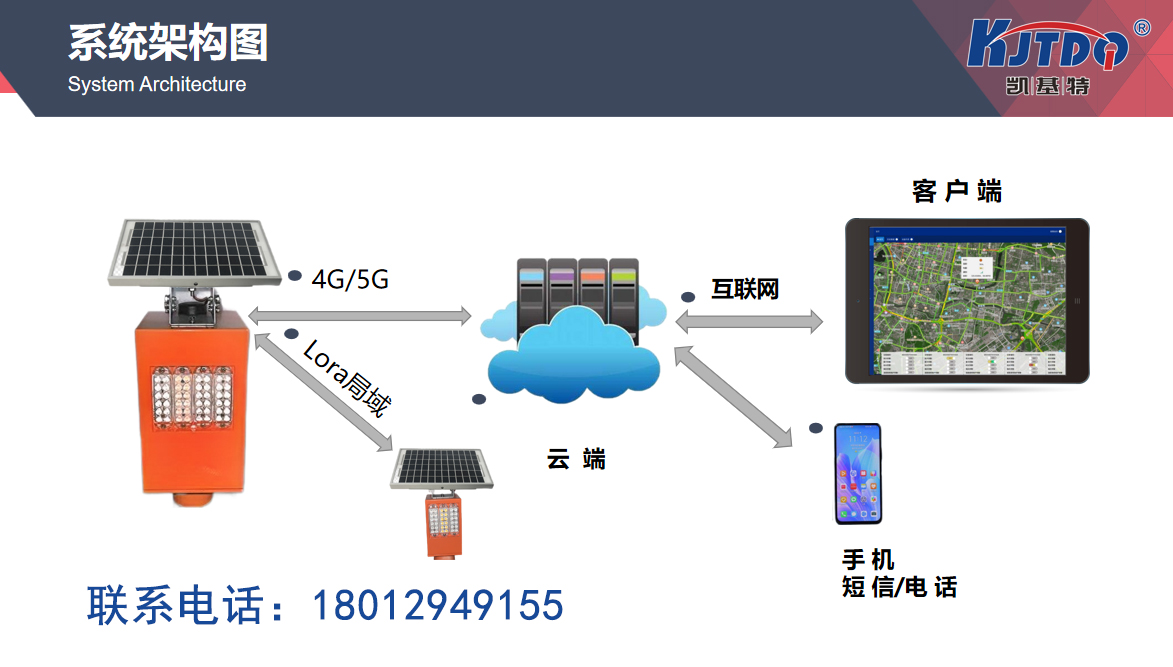
The main purpose of the bridge collapse warning system is to detect potential safety hazards in a timely manner and prevent bridge collapse accidents by monitoring the structural status of the bridge in real time. The emergence of this system greatly enhances the ability of bridge safety management and provides more guarantees for our travel.
Real time monitoring of bridge statusThe bridge collapse warning system is equipped with various sensors and monitoring equipment, which can monitor the stress, deformation, vibration and other data of the bridge in real time. By continuously tracking these data, the system can promptly detect changes in the bridge structure and determine whether there are any safety hazards. For example, if the stress or deformation of the bridge exceeds the normal range, the system will immediately issue an alarm to remind maintenance personnel to conduct an inspection.
Warning and preventionOnce the system detects potential risks on the bridge, it will immediately issue a warning signal. This warning can be conveyed through various means, such as traffic signs, broadcast notifications, or smartphone applications. Drivers and pedestrians can choose a detour route based on warning information to avoid entering dangerous areas and reduce the occurrence of accidents.
Data analysis and maintenance decision-makingThe bridge collapse warning system can not only monitor in real-time, but also analyze the collected data. By comprehensively analyzing the usage status and environmental conditions of the bridge, the system can predict the health status of the bridge, help maintenance personnel develop scientific maintenance plans and measures, and ensure the long-term safe operation of the bridge.
The technical characteristics of the bridge collapse warning system are mainly reflected in three aspects: sensor technology, data processing, and warning mechanism. The performance and effectiveness of the system depend on the stability and accuracy of these technologies.
sensor technologyBridge collapse warning systems are usually equipped with various high-precision sensors, such as strain sensors, displacement sensors, and acceleration sensors. These sensors can collect real-time stress, displacement, and vibration data of bridges. The accuracy of these data directly affects the warning effect of the system, so choosing high-quality sensors is the key to the successful operation of the system.
data processingThe data processing module of the system is responsible for real-time analysis of the data collected by sensors. Through advanced data processing algorithms, the system is able to identify potential issues with bridges and assess their safety risks. The real-time and accuracy of data processing are key to ensuring that the system can effectively issue warnings.
Warning mechanismThe bridge collapse warning system sends out warning signals through various methods. For example, the system can transmit warning information to drivers and pedestrians through electronic signs on the road, traffic announcements, or smartphone applications. The diversity and timeliness of early warning mechanisms ensure that information can be quickly conveyed to every potential affected person.
The bridge collapse warning system has been widely used in many countries and regions, especially in areas with heavy traffic and a large number of bridges. These application examples demonstrate the effectiveness and importance of the system in practical operation.
Urban bridgesIn big cities, the application of bridge collapse warning systems has become the norm. The system can monitor major bridges in the city in real time, and immediately issue warnings once abnormal situations are detected to ensure the safe operation of the bridges. At the same time, the data analysis of the system helps urban management departments to carry out scientific bridge maintenance and upkeep.
Highway bridgesThe role of bridge collapse warning system is particularly important on highways. The system can monitor important bridges on highways and quickly issue warning signals in case of problems, prompting drivers to slow down or detour to prevent accidents. At the same time, the system also provides valuable data support for the maintenance and management of highways.
Mountain bridgesIn mountainous and remote areas, the application of bridge collapse warning systems helps ensure the safety of bridges in remote areas. Due to the more complex environmental conditions that mountainous bridges often face, the system can monitor the health status of the bridges in real time, detect potential hazards in a timely manner, and ensure the safety of traffic in mountainous areas.
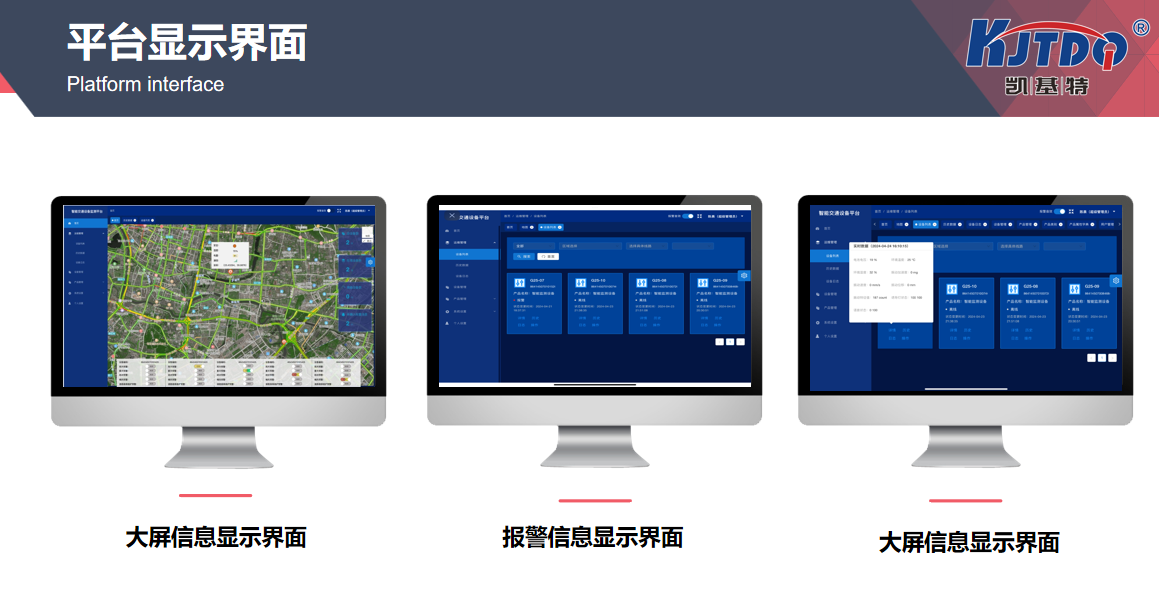
The bridge collapse warning system provides an important guarantee for modern traffic safety management. Through real-time monitoring and data analysis, it helps us discover potential problems in bridges in a timely manner and prevent accidents from occurring. However, we should also recognize that although early warning systems provide important security protection, true bridge safety still requires our joint efforts. Regular inspection and maintenance, scientific design and construction, and timely response to warning information are all key to ensuring bridge safety.
With the continuous advancement of technology, bridge collapse warning systems will become more intelligent and precise. We look forward to this technology further improving the safety of bridges and providing a more stable guarantee for our travel. In the future, the bridge collapse warning system will continue to safeguard our safe crossing of bridges and become an important guardian of our travel safety.
1. How does the bridge collapse warning system detect the structural health of bridges?
The bridge collapse warning system detects structural health through various sensors installed on the bridge. These sensors include strain sensors, displacement sensors, acceleration sensors, etc. Strain sensors can monitor stress changes in bridge structures, displacement sensors detect the displacement and deformation of bridges, and acceleration sensors are used to capture vibration data of bridges. By collecting and analyzing this data in real-time, the system can determine whether there are potential structural problems with the bridge, such as excessive stress, abnormal deformation, etc., and issue warnings in advance.
2. What are the installation and maintenance costs of the bridge collapse warning system?
The installation and maintenance costs of the bridge collapse warning system involve multiple aspects:
1. Equipment cost: The procurement cost of high-precision sensors, cameras, and data processing systems is relatively high.
2. Installation cost: including the cost of equipment installation, debugging, and system integration.
3. Maintenance cost: The cost of regular maintenance and calibration of sensors, system upgrades, and troubleshooting.
4. Operating costs: Technical support and data processing expenses that may be required during the operation of the system.
Although the initial costs are high, the long-term benefits of the system, such as improving bridge safety and reducing potential accident losses, often offset these costs.
3. How to ensure the reliability and accuracy of the bridge collapse warning system?
To ensure the reliability and accuracy of the bridge collapse warning system, the following measures need to be taken:
1. High quality equipment: Select validated high-quality sensors and monitoring devices to ensure the accuracy of data collection.
2. Regular calibration: Regularly calibrate and maintain sensors, detect and repair any equipment malfunctions.
3. Data validation: By cross validating data, such as combining sensor data with video surveillance information, ensure the accuracy of the data.
4. System monitoring: Real time monitoring of system operation status, timely handling of data anomalies and system failures, maintaining system stability and reliability.