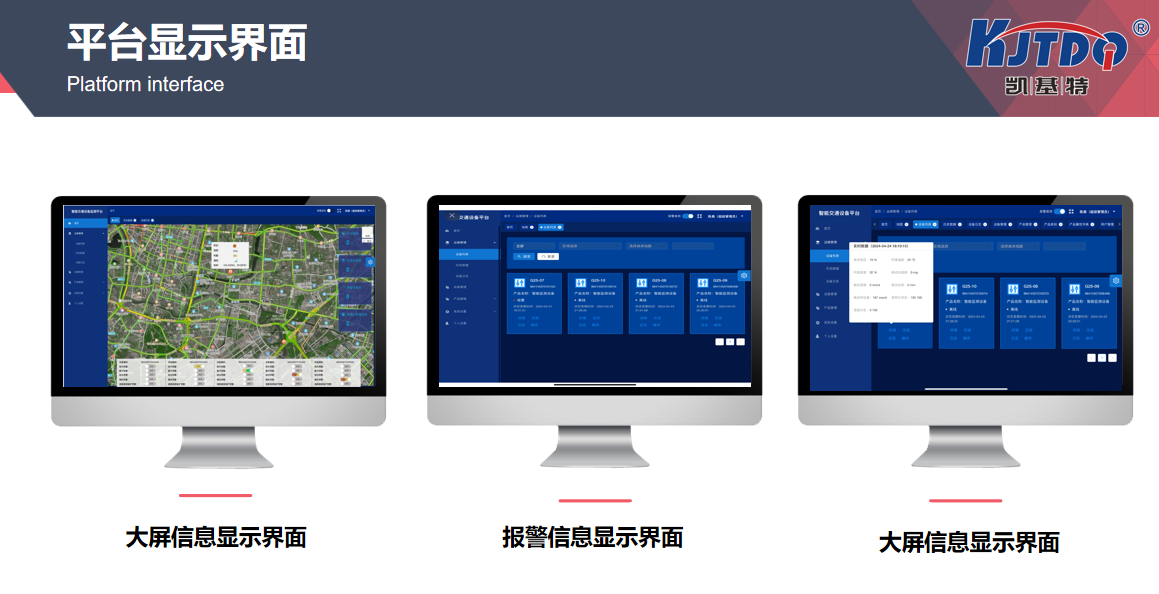
In today's rapidly developing cities, haze has become a severe challenge we face. Especially under severe haze weather conditions, visibility is severely reduced, posing a great threat to road traffic safety. In order to address this issue, a severe haze road warning system has emerged. It provides timely haze warnings to drivers through real-time monitoring and data analysis, reducing traffic accidents caused by insufficient visibility. The emergence of this system not only improves road safety, but also provides important guarantees for our travel in hazy weather. Today, we will delve into the role and significance of the severe haze road warning system.
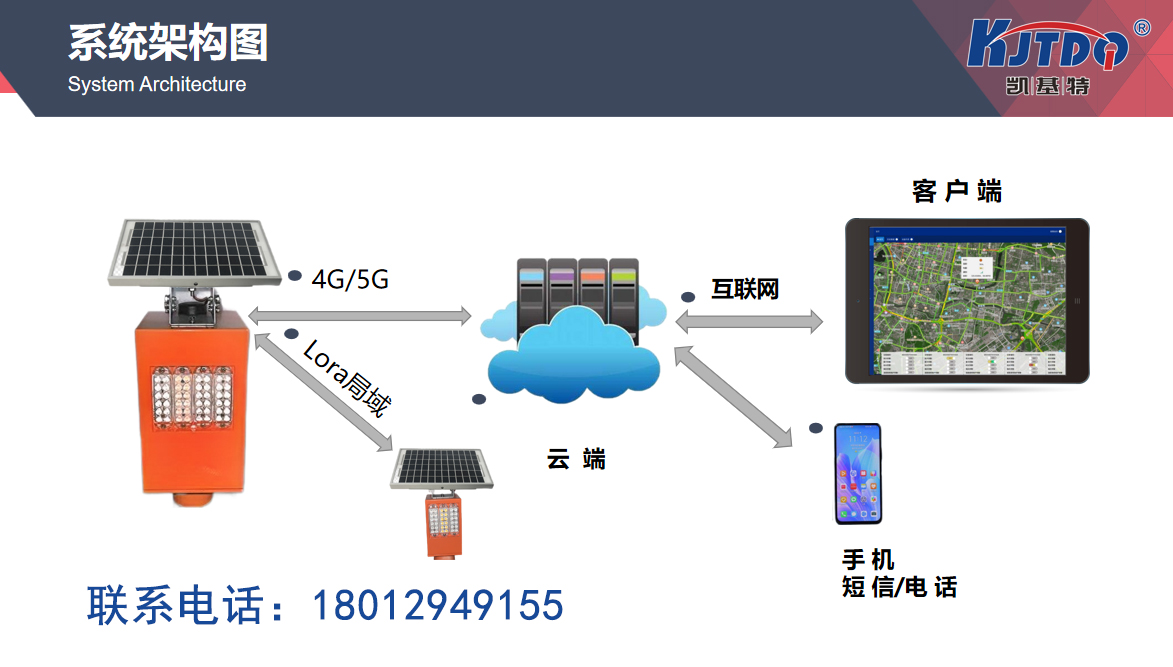
The core task of the severe haze road warning system is to issue haze warnings in a timely manner by monitoring air quality and visibility in real time, in order to ensure the safety of road traffic. The occurrence of haze weather can significantly reduce visibility, making it difficult for drivers to see the road ahead clearly and increasing the risk of traffic accidents. The severe haze road warning system can detect the concentration and visibility of haze in real time through sensors and monitoring equipment. Once it reaches the standard of severe haze, it will immediately issue a warning signal to remind drivers to be vigilant.
Ensure driving safetyThe severe haze road warning system can issue an alert when the haze concentration reaches a dangerous level, reminding drivers to slow down and maintain a safe distance, thereby effectively preventing traffic accidents caused by insufficient visibility. The system can convey warning information to drivers through electronic signs, traffic announcements, or smartphone applications, allowing them to adjust their driving behavior in a timely manner and ensure driving safety.
Optimize traffic managementBy monitoring the haze situation in real-time, the severe haze road warning system can provide valuable data support for traffic management departments. The traffic management department can adjust traffic signals, set temporary traffic control measures, or suggest drivers to choose other routes in a timely manner based on the data provided by the system, thereby alleviating traffic congestion and ensuring smooth roads.
Raise public awarenessThe severe haze road warning system can also disseminate relevant knowledge and safety tips about haze weather to the public through media and public information platforms. This kind of information dissemination not only enhances public awareness of haze weather, but also strengthens their self-protection awareness under haze weather, thereby effectively reducing health problems caused by haze.
The technical characteristics of the severe haze road warning system are mainly reflected in three aspects: sensor technology, data analysis, and communication technology. The core of the system lies in the ability to accurately and real-time monitor and analyze haze conditions, thereby issuing effective warnings.
sensor technologyThe severe haze road warning system is equipped with high-precision air quality sensors and visibility sensors, which can monitor the concentration of particulate matter in the air and the visibility of the road surface in real time. The accuracy and stability of sensors directly affect the warning effect of the system, so choosing high-quality sensors is the key to the successful operation of the system.
Data analysisThe system analyzes the data collected by sensors in real time to determine whether the concentration and visibility of haze meet the warning standards. The accuracy and real-time performance of data analysis are crucial for the effectiveness of early warning systems. The system usually adopts advanced data processing algorithms, which can quickly and accurately identify dangerous haze situations and trigger corresponding warning signals.
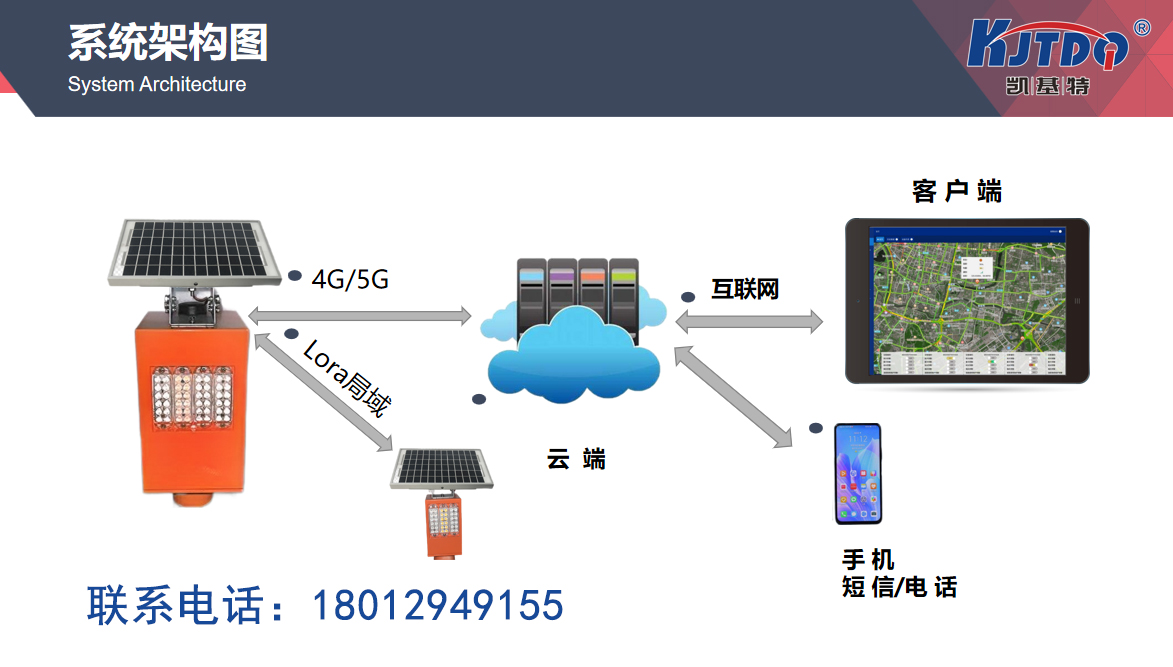
communications technologyThe transmission of warning information relies on reliable communication technology. The severe haze road warning system can timely convey warning information to drivers and traffic management departments through various means such as electronic signs, traffic broadcasts, and smartphone applications. The stability and timeliness of communication technology ensure that warning information can quickly and accurately reach its destination.
The severe haze road warning system has been widely applied in many cities and regions, especially in areas with frequent haze. These application examples demonstrate the effectiveness and importance of the system in practical operation.
big cityIn big cities like Beijing and Shanghai, the application of severe haze road warning systems has become the norm. The system provides strong support for urban traffic management by monitoring air quality and visibility in real-time. When severe haze weather occurs, the system will issue timely warnings to help drivers drive safely and assist traffic management departments in taking necessary response measures.
expresswayThe application of severe haze road warning system has also played an important role on highways. The system can promptly notify drivers to adjust their driving speed when visibility decreases due to haze weather, and set up warning signs at the entrance of highways to remind vehicles to slow down and ensure driving safety on highways.
Tourist attractionsIn some scenic spots, severe haze road warning systems have also been applied. The system provides warning information to tourists and traffic management departments by monitoring the haze situation, ensuring the safety and smoothness of scenic roads, and providing guarantees for tourists' travel.
The severe haze road warning system plays an increasingly important role in modern traffic management. It helps drivers drive safely in foggy weather through real-time monitoring and warning, reducing the occurrence of traffic accidents, and providing valuable data support for traffic management departments. However, although the severe haze road warning system provides important protection, we should also be aware that the health risks of haze weather are not limited to traffic safety, but also include potential threats to human health. Therefore, under hazy weather conditions, we not only need to rely on advanced warning systems, but also need to strengthen personal protection measures, minimize going out, and protect our health.
The severe haze road warning system provides us with safety guarantees in adverse weather conditions, but true safe driving still requires the joint efforts of each and every one of us. Through scientific traffic management, advanced warning systems, and individual conscious actions, we can jointly tackle the challenges brought by haze weather and safeguard our clear future.
1. How does the severe haze road warning system determine the severity of haze?
The severe haze road warning system uses integrated sensors to monitor the concentration of particulate matter and visibility in the air to determine the severity of haze. The sensors of the system can collect real-time concentration data of particulate matter such as PM2.5 and PM10 in the air, and measure the current visibility. When the concentration of particulate matter reaches the preset danger level or the visibility is below the safety threshold, the system will determine it as severe haze and automatically issue a warning. This judgment basis can help drivers and traffic management departments take corresponding safety measures.
2. What is the role of the severe haze road warning system for traffic management departments?
The role of the severe haze road warning system for traffic management departments is mainly reflected in the following aspects:
1. Data provision: The real-time haze data provided by the system helps the traffic management department understand the current road conditions and air quality.
2. Decision support: Based on warning information, departments can take timely measures, such as adjusting traffic signals, setting speed limits, implementing temporary traffic controls, etc., to reduce accidents and alleviate traffic congestion.
3. Public information dissemination: The system can help traffic management departments disseminate safety tips and travel advice on haze weather to citizens through public information platforms, and enhance public safety awareness.