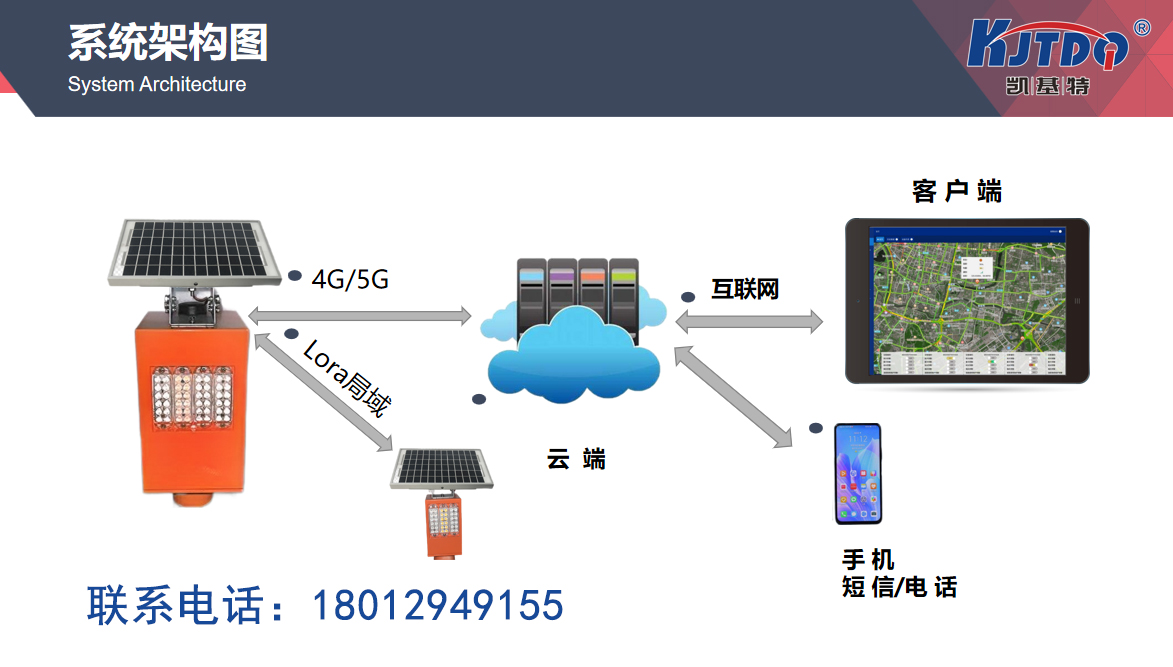
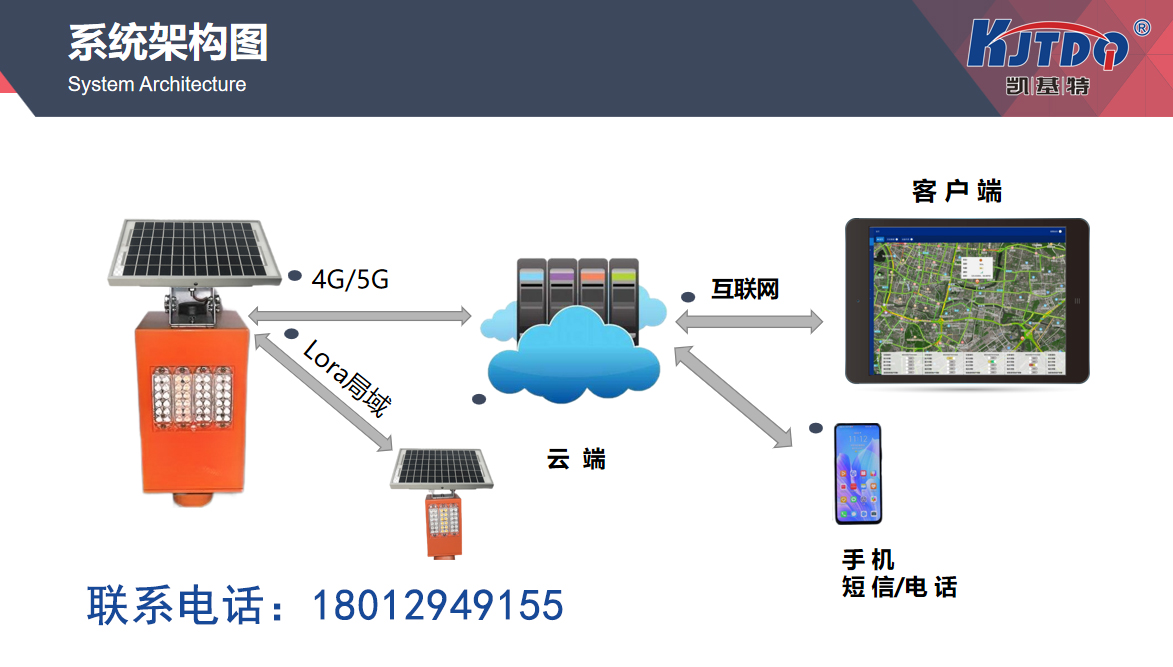
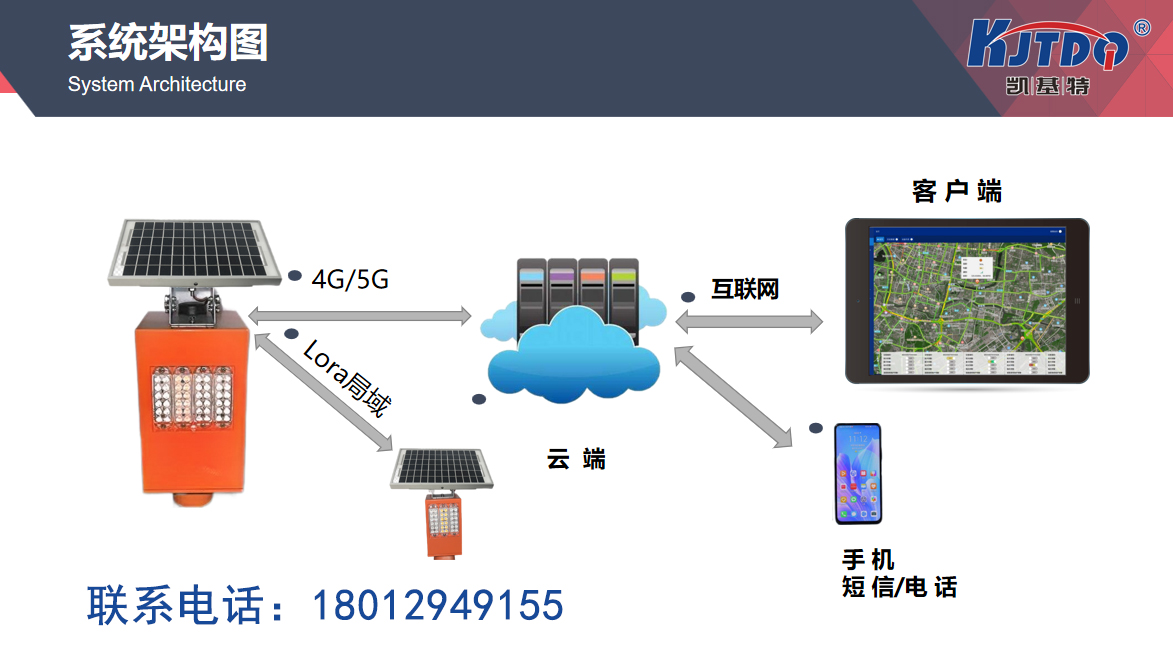
In modern society, intelligent road safety systems have become an important tool for improving traffic safety. This system is not only a collection of technology, but also a guarantee for safe travel in our daily lives. Whether on busy city roads or spacious highways, intelligent road safety systems are silently playing their role, safeguarding our travels. The emergence of intelligent road safety systems is not only a technological innovation in traffic management, but also a deep concern for the safety of every road user.
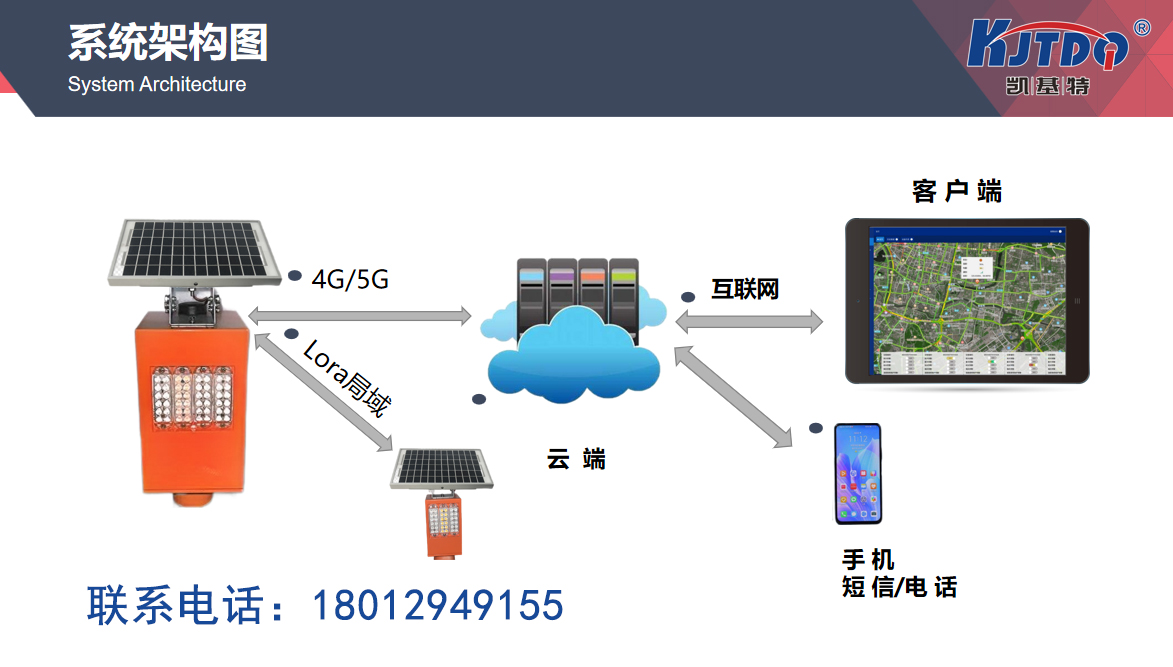
The term intelligent road safety system may sound high-tech, but in fact it is closely related to our lives. Simply put, an intelligent road safety system is a system that enhances road safety through a series of high-tech devices and techniques. These systems include intelligent traffic signal lights, speed monitoring systems, automatic accident detection systems, etc. These devices continuously collect and analyze data on the road to promptly identify potential safety hazards and take measures to prevent accidents from occurring. For example, when the system detects that the speed on a certain road section is too fast, it will automatically adjust the signal lights or issue an alarm to remind the driver to slow down, effectively avoiding accidents caused by speeding.
Firstly, the intelligent traffic signal lights in the intelligent road safety system are one of the most common devices. Traditional traffic signals switch traffic lights according to a fixed time cycle. Although this method is simple, it often cannot effectively affect changes in traffic flow in complex traffic environments. Intelligent traffic signal lights are different. They can monitor the traffic flow on the road in real time and automatically adjust the time of the signal lights according to the actual situation. This real-time adjustment function can not only improve traffic efficiency, but also effectively reduce traffic congestion and lower the incidence of traffic accidents caused by long waiting times.
Next, the speed monitoring system is also an indispensable part of the intelligent road safety system. The speed monitoring system monitors the vehicle's driving speed in real time through sensors and cameras installed on the road. When the system detects that a vehicle's speed exceeds the prescribed speed limit, it will immediately issue an alarm and transmit the information to the relevant department. This can not only timely warn drivers to slow down, but also help traffic management departments punish speeding behavior and further regulate road driving order.
In addition to the above functions, the automatic accident detection system is also an important component of the intelligent road safety system. This system can monitor traffic conditions on the road in real time through cameras and sensors. Once an accident occurs, it can quickly identify and issue an alarm, notifying rescue personnel to arrive at the scene in a timely manner. This automatic accident detection function can greatly shorten the accident handling time and reduce the secondary injuries caused by accidents.
With the development of technology, the functions of intelligent road safety systems are constantly expanding. For example, modern systems are beginning to integrate more artificial intelligence technologies, which can deeply analyze large amounts of data, predict potential traffic problems, and propose corresponding solutions. For example, the system can predict the possible congestion of a certain section of road at a specific time by analyzing the historical traffic data, and adjust the signal lights in advance or remind drivers to bypass. This intelligent warning function not only improves the efficiency of traffic management, but also makes drivers' travel smoother.
However, despite significant achievements in improving traffic safety, intelligent road safety systems also face some challenges. Firstly, there are limitations in technology. Although intelligent systems are already very advanced, in complex road environments, the system may experience misjudgments or malfunctions, which requires us to maintain a certain level of vigilance while relying on intelligent systems. Secondly, there are issues of data security and privacy protection. The intelligent road safety system needs to collect a large amount of traffic data. How to ensure the security of this data and avoid personal privacy leakage is currently a key issue that needs to be focused on.
From my personal perspective, intelligent road safety systems do provide us with more protection and convenience for our travel, but we cannot rely solely on these systems. Although intelligent systems can improve road safety, the ultimate road safety still depends on the self-awareness and compliance of every driver and pedestrian. We should maintain good traffic habits and abide by traffic rules while enjoying the convenience brought by technology, so as to truly achieve safe travel.
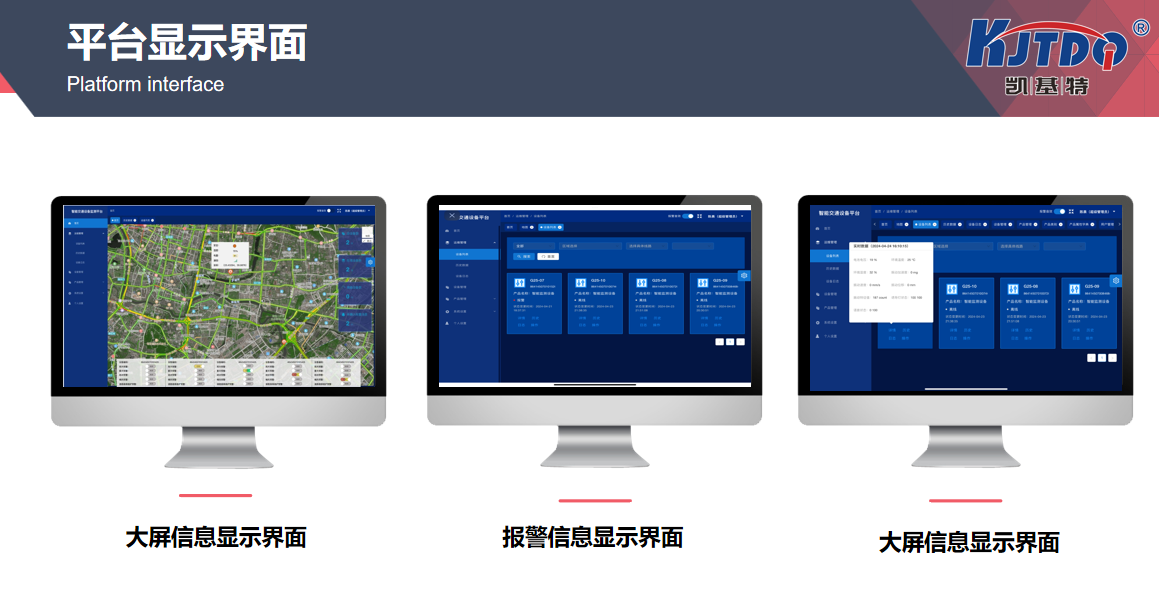
Overall, intelligent road safety systems are an important advancement of modern technology in the field of transportation. It not only improves road safety, but also makes our travel more efficient and convenient. With the continuous development of technology, intelligent road safety systems will become more intelligent and precise, providing more comprehensive protection for our road traffic. However, while using these systems, we must also maintain a constant focus on traffic safety and self-management. Only in this way can we truly enjoy the convenience brought by intelligent technology and ensure that every trip is safe and worry free.
1. How can intelligent road safety systems monitor traffic conditions in real time?
The intelligent road safety system monitors traffic flow, vehicle speed, traffic signals, etc. in real time by installing multiple sensors and cameras on the road. Sensors will detect vehicle speed, traffic flow, and road conditions, and transmit this data to the central control system. The central control system utilizes this data for real-time analysis, automatically adjusting the switching time of traffic signals, reminding drivers to pay attention to road conditions, or issuing timely alerts to avoid accidents. For example, when the system detects excessive vehicle speed on a certain road, it can automatically adjust the signal lights or remind the driver to slow down through an electronic display screen, effectively alleviating congestion and reducing the risk of accidents.
2. What are the advantages of intelligent traffic signal lights compared to traditional signal lights?
Compared with traditional fixed cycle traffic lights, intelligent traffic signals have many significant advantages. Traditional traffic lights cannot be adjusted in real-time when traffic flow changes, which may result in traffic congestion during peak hours or unnecessary long waiting times for traffic lights during low flow periods. Intelligent traffic signal lights automatically adjust their switching time based on actual traffic flow through real-time monitoring and data analysis. This flexible adjustment method can greatly improve road traffic efficiency, reduce waiting time, and alleviate traffic congestion. In addition, smart traffic lights can optimize traffic flow based on changes in traffic volume, reducing accidents caused by unreasonable traffic light settings.
3. How can speed monitoring systems help reduce traffic accidents?
The speed monitoring system tracks the vehicle's driving speed in real time through sensors and cameras installed on the road. When the system detects that the speed of a vehicle exceeds the set speed limit, it will immediately trigger an alarm and record the speed information of the vehicle. This information will be transmitted to the traffic management department for tracking and punishing speeding behavior. More importantly, the speed monitoring system can also send warning messages directly to the driver's onboard system, reminding them to slow down. This real-time feedback mechanism not only enhances drivers' safety awareness, but also effectively reduces accidents caused by speeding, protecting the safety of every pedestrian and driver on the road.
4. How does the intelligent road safety system perform accident detection and emergency response?
The automatic accident detection system in the intelligent road safety system monitors road conditions in real-time through the installation of high-resolution cameras and sensors. Once the system detects abnormal situations, such as vehicle collisions, emergency stops, or sudden obstacles on the road, it will immediately issue an alarm and transmit accident information to the traffic management center and emergency rescue personnel. In this way, the system can quickly respond to accidents as soon as they occur, shorten accident handling time, and reduce secondary injuries. At the same time, the system can dynamically adjust traffic signals and release traffic information to divert traffic flow in the accident area, further improving emergency response efficiency.