1. How can intelligent warning devices for highways improve their ability to respond to adverse weather conditions?
The intelligent warning device for highways can quickly identify the impact of weather on road conditions through real-time data collection and intelligent analysis when facing severe weather conditions. For example, when the system detects a sharp drop in temperature, it will monitor the freezing point on the road in real time and detect snowfall or rainfall through meteorological sensors. These pieces of information will be transmitted to the central system for analysis, and the system will automatically adjust warning strategies based on weather changes, such as lowering speed limits or issuing road condition warnings. In addition, the system will also use historical data and weather prediction models to predict in advance the possible impact of weather changes on roads, helping drivers take measures in advance and reducing traffic accidents and delays caused by weather.
2. How does the intelligent warning device for highways work in conjunction with existing traffic management systems?
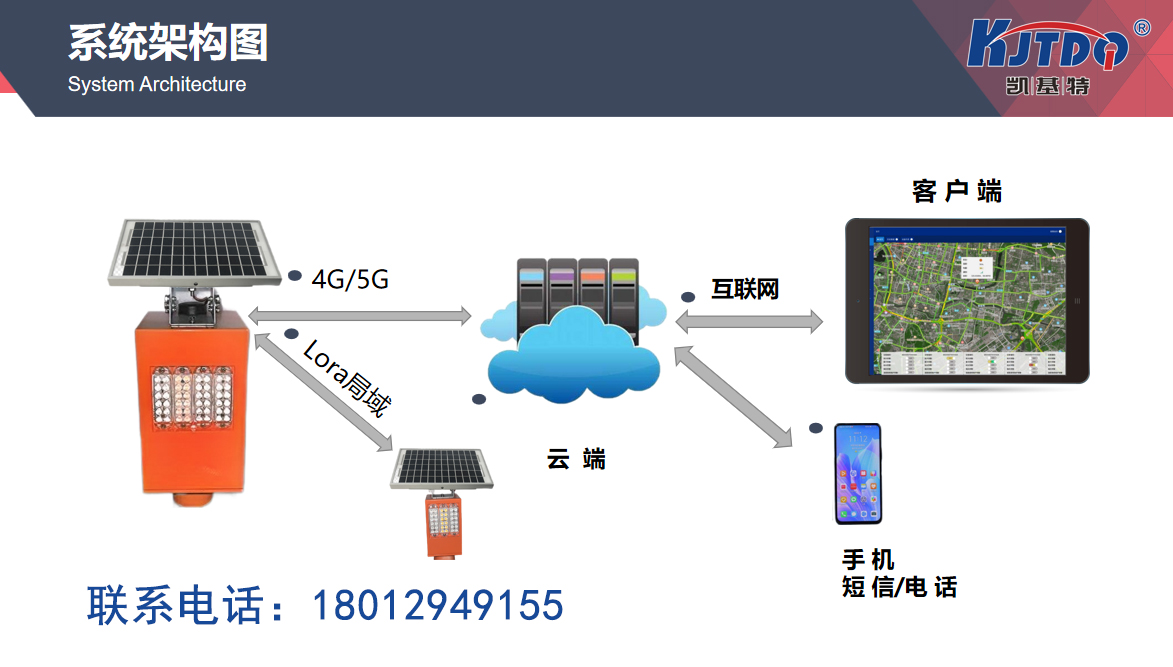
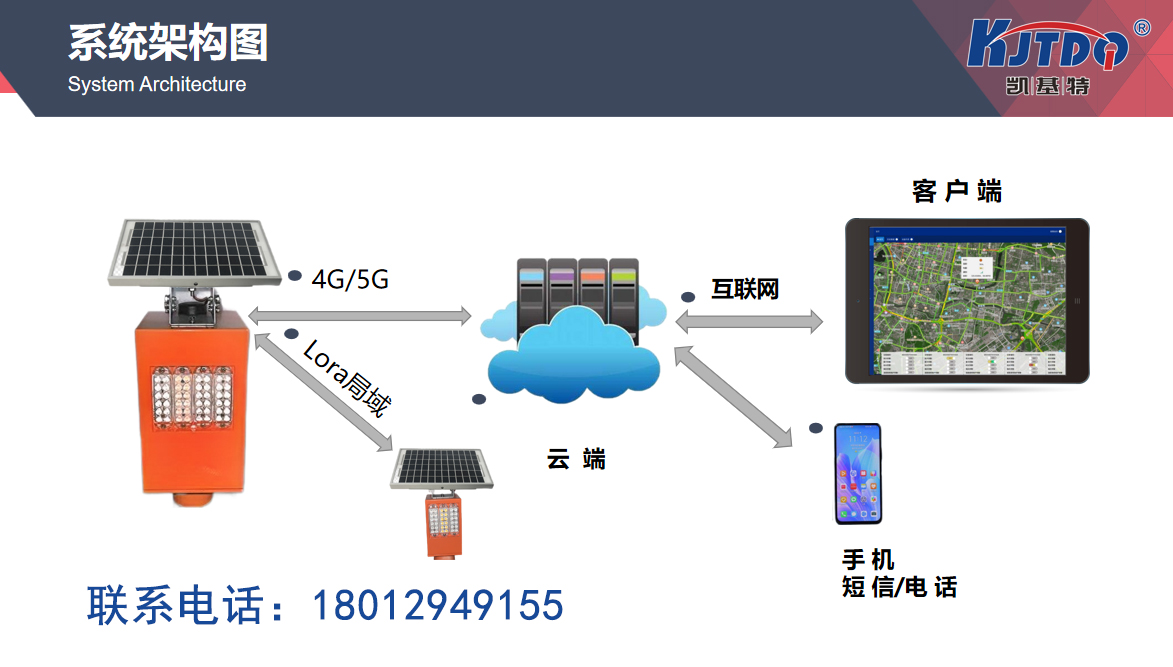
Highway intelligent warning devices are usually integrated with existing traffic management systems through data interfaces and platforms to achieve information sharing and collaborative work. The real-time data collected by sensors will be transmitted to the central traffic management system, including road conditions, traffic flow, weather conditions, etc. The traffic management center can use this data to optimize traffic signal control, adjust traffic flow, release real-time road condition information, and respond quickly to accidents. For example, when the system detects a traffic accident, it will automatically notify the traffic command center, which can issue detour prompts through intelligent warning devices and dispatch rescue resources for processing. This collaborative work can improve the efficiency of overall traffic management, ensuring road safety and smooth traffic flow.
3. What are the advantages of intelligent warning devices in handling traffic accidents?
Intelligent warning devices have multiple advantages in handling traffic accidents. Firstly, the system can detect accidents in real time through cameras and sensors, and quickly transmit accident information to the traffic management department, shortening the response time for accidents. Secondly, the system will analyze real-time data at the accident site, including vehicle speed, distance, collision point, etc., to help accident handling personnel understand the cause and scope of the accident, and thus develop more effective handling plans. In addition, intelligent warning devices can also issue accident alerts to other drivers through electronic signs and in vehicle terminals, reminding them to slow down or detour to avoid secondary accidents. Through these advantages, intelligent warning devices can greatly improve the efficiency of accident handling and reduce the impact of accidents on traffic.
4. What is the role of intelligent warning devices on highways in reducing traffic congestion?
Highway intelligent warning devices can reduce traffic congestion in various ways. Firstly, the system can monitor traffic flow and road conditions in real-time, and predict the trend of traffic flow changes through intelligent algorithms. If the system detects congestion on a certain section of road, it will automatically adjust traffic signals, issue speed limit information, or guide traffic flow to alleviate congestion. Secondly, the system can transmit real-time traffic information to the navigation system, helping drivers choose the best driving route and avoid congested areas. In addition, the system can also provide early warning of possible congestion points based on historical data and real-time monitoring, helping traffic management departments take preventive measures to reduce congestion.