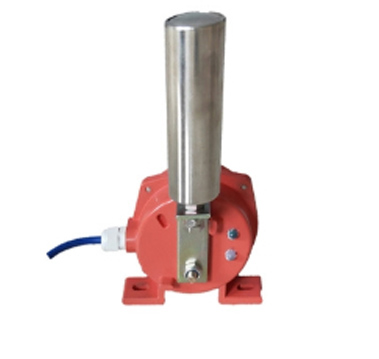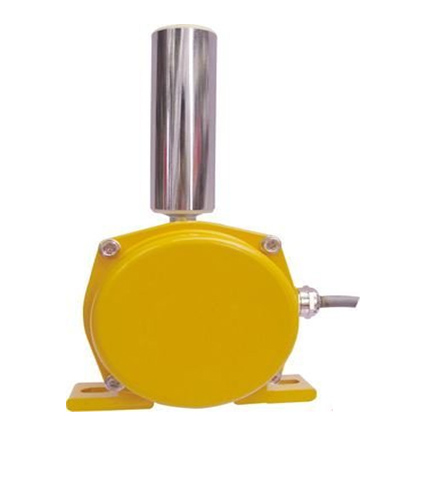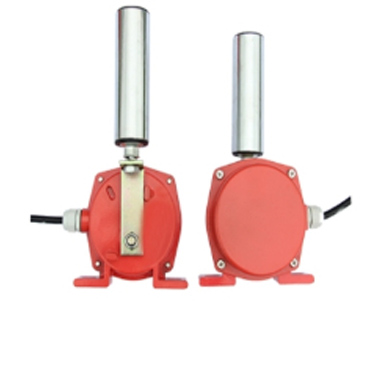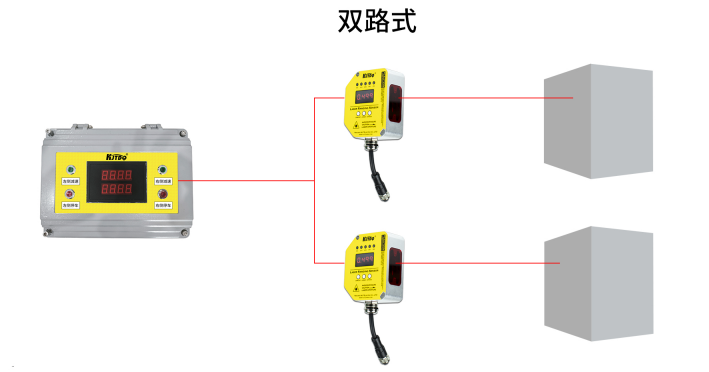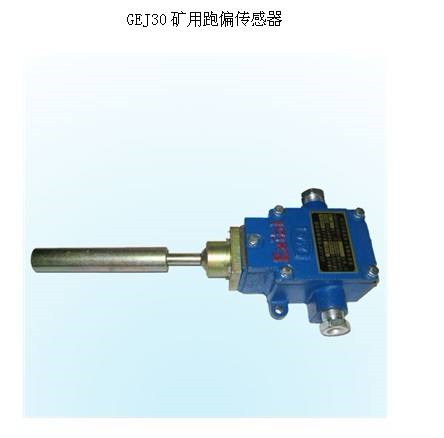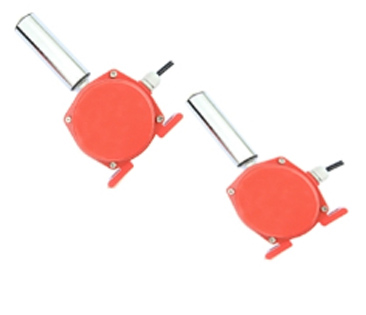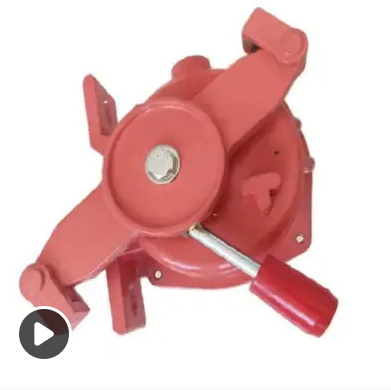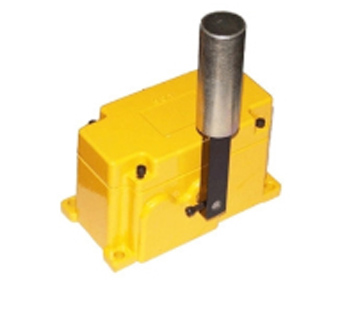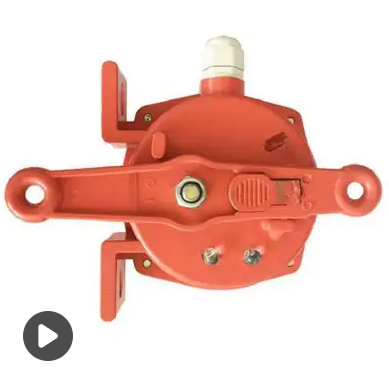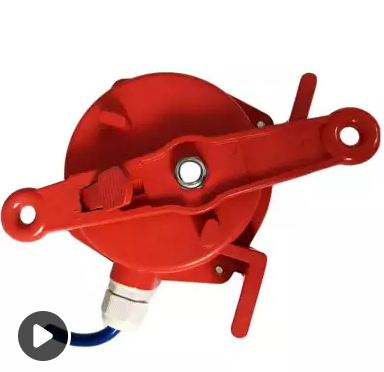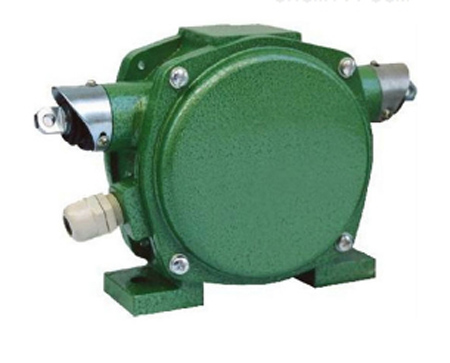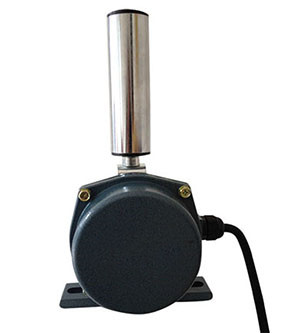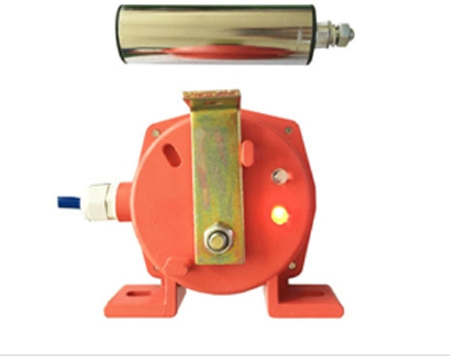
Product Overview:The YNTB-12-30 bidirectional deviation switch is a high-performance device designed specifically for detecting the deviation of belt conveyors. This switch can issue an alarm signal when the conveyor belt deviates to any side, initiate corrective measures, and ensure the safe operation of the conveyor system.
Main features:
Technical parameters:
working principle:When the belt conveyor deviates during operation, the edge of the conveyor belt will touch the trigger rod or sensor of the switch. The switch will trigger corresponding alarm signals based on the deviation angle:
Installation and Debugging:
Maintenance and upkeep:
Safety precautions:
Troubleshooting:
For more detailed information or technical support, please refer to the product manual or contact the supplier.
1. How to choose the appropriate installation position for the bidirectional deviation switch YNTB-12-30 to achieve optimal performance?
When selecting the installation location, it is necessary to ensure that the bidirectional deviation switch YNTB-12-30 can accurately detect the deviation of the conveyor belt. The ideal position is to install the switch on both sides of the belt conveyor, and it should be installed near the centerline of the conveyor belt to avoid affecting the detection effect due to improper installation position. Ensure that the switch can smoothly touch the edge of the belt to avoid false alarms caused by vibration or instability during operation.
2. What is the maintenance frequency of YNTB-12-30 bidirectional deviation switch and how to perform daily maintenance?
The YNTB-12-30 bidirectional deviation switch should undergo regular maintenance to ensure its long-term stable operation. It is recommended to check the operation of the switch once a month, clean the dust and foreign objects on the surface of the sensor to prevent affecting the detection accuracy. Perform functional testing every quarter to ensure that the switch can issue first and second level alarm signals normally. If the switch operates abnormally or is damaged, it should be repaired or replaced in a timely manner to ensure system safety.
3. Is the bidirectional deviation switch YNTB-12-30 applicable to all types of conveyor belts, or is it limited to certain specific types?
The YNTB-12-30 bidirectional deviation switch has a wide range of applicability and is suitable for most types of belt conveyors. However, when choosing to use, it is necessary to consider the operating conditions and environment of the conveyor belt, such as broadband, operating speed, and dust and humidity in the working environment. For conveying systems with special environments or requirements, it may be necessary to select or customize corresponding deviation switches according to specific situations. It is recommended to confirm with the supplier or technical support before selecting a product.