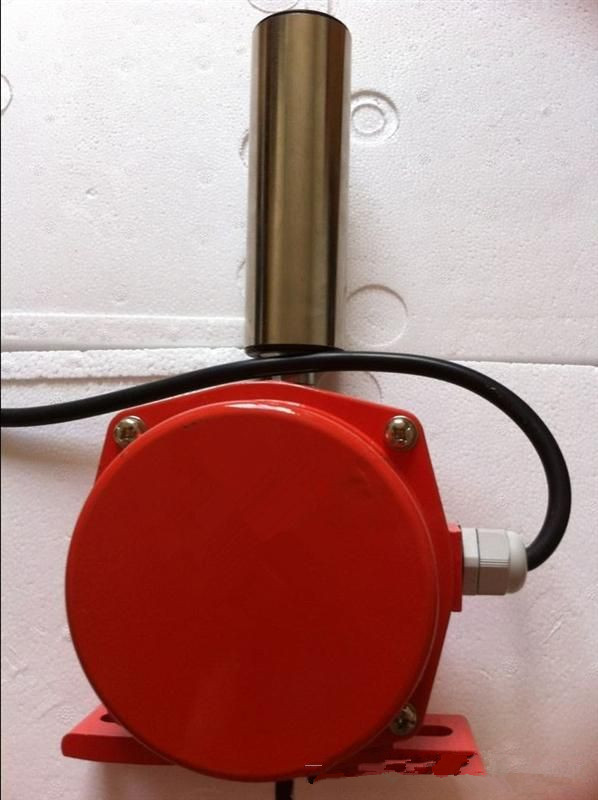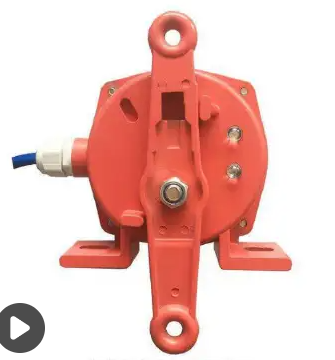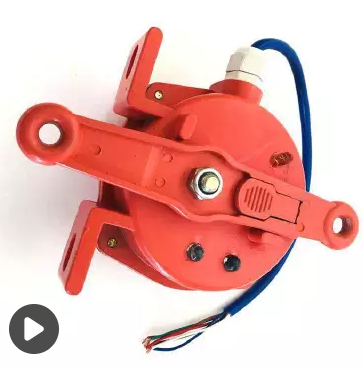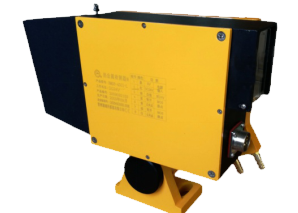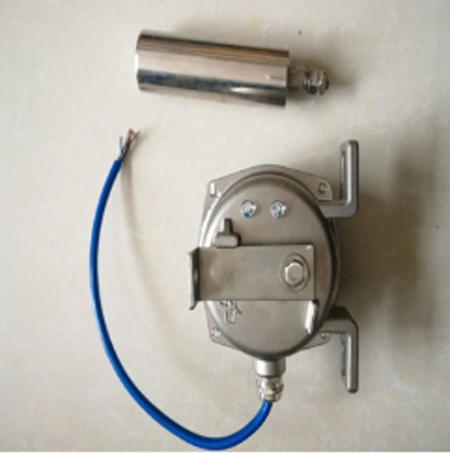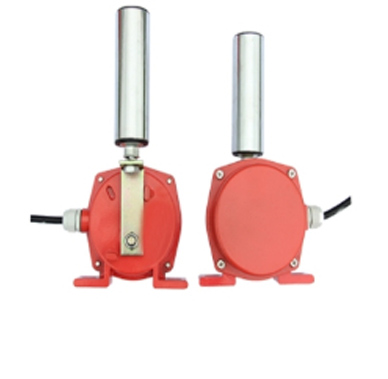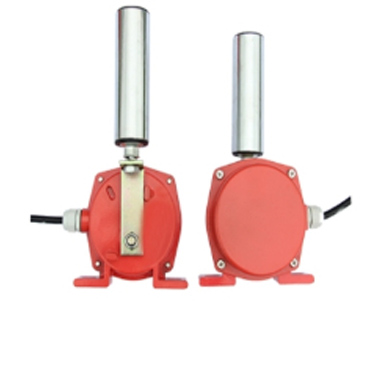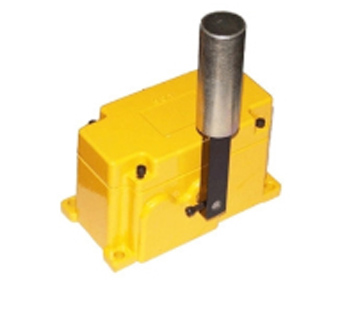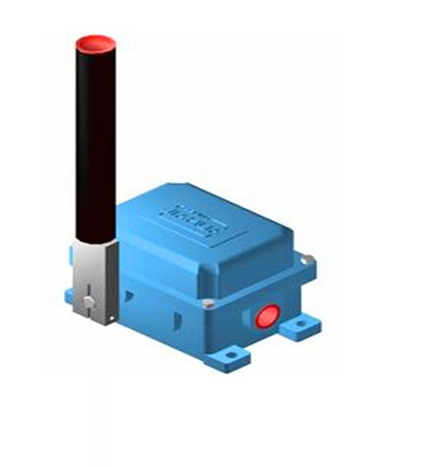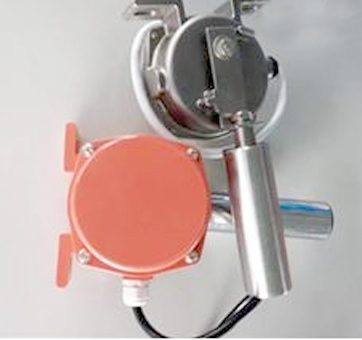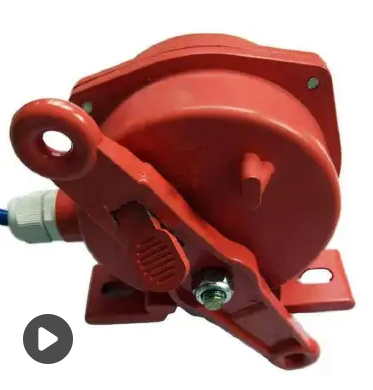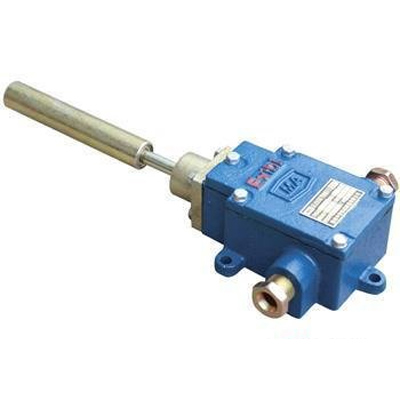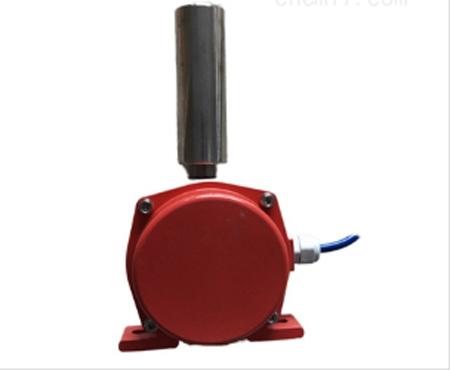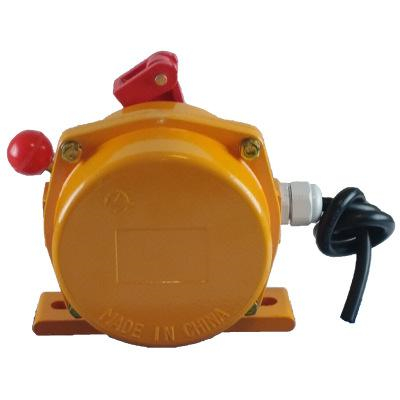
Product Overview:The AMT-K2/P belt deviation switch is a safety device used to monitor and protect the normal operation of belt conveyors. When the belt deviates due to various reasons, the equipment can promptly issue an alarm signal or trigger shutdown protection to prevent equipment damage and production accidents. This device is widely used in belt conveyor systems in industries such as coal mining, power, metallurgy, chemical engineering, and building materials.
Main features:
High precision detectionThe equipment adopts high-sensitivity sensors, which can quickly and accurately detect the deviation state of the belt and make corresponding treatments.
durableThe shell is made of high-quality materials, with excellent impact resistance and corrosion resistance, suitable for various complex industrial environments.
High protection levelHas good waterproof and dustproof capabilities, with a protection level of IP65, suitable for harsh indoor and outdoor environments.
Multiple output modesThe device supports multiple signal output modes, including normally open and normally closed contact signals, to adapt to different control system requirements.
Easy installation and maintenanceThe design structure is simple, easy to install and maintain, and can quickly adapt to various types of belt conveyor systems.
Technical parameters:
working principle:The AMT-K2/P belt deviation switch monitors the running status of the belt through a built-in high-precision sensor. When the belt deviates and exceeds the set detection angle, the sensor will trigger an internal switch, issuing an alarm signal or a shutdown command. The detection angle and sensitivity of the equipment can be adjusted according to actual needs to ensure accurate response under different working conditions.
Application scenarios:
Installation and maintenance:
Installation locationInstall the AMT-K2/P belt deviation switch at key positions on the conveyor, such as the head, tail, or middle section of the belt, to ensure timely detection of belt deviation.
Wiring debuggingFollow the instructions for correct wiring, check the connection of power and signal lines, conduct preliminary debugging, and ensure that the equipment can work properly.
Regular maintenanceRegularly inspect the appearance and internal circuits of the equipment to ensure no damage or looseness. Clean the surface of the equipment to prevent dust accumulation from affecting the detection effect.
functional testingRegularly conduct functional testing to ensure that the equipment can accurately trigger alarm or shutdown functions at the set offset angle. It is recommended to conduct a comprehensive inspection and testing every quarter.
Safety precautions:
Summary:The AMT-K2/P belt deviation switch is a reliable safety device for conveyor systems, with advantages such as high-precision detection, durability, and easy installation and maintenance. It can effectively prevent equipment damage and production accidents caused by belt deviation, ensure the safe and stable operation of the conveyor system, and is an indispensable and important device for belt conveyor systems in the industrial field.
1. Can the detection angle of the AMT-K2/P belt deviation switch be adjusted?
Yes, the detection angle of the AMT-K2/P belt deviation switch is adjustable. Users can adjust the device settings to change its detection angle according to the specific needs of the conveying system, to ensure accurate triggering of alarm or shutdown functions in different offset situations.
2. What industries is the AMT-K2/P belt deviation switch suitable for?
The AMT-K2/P belt deviation switch is widely used in industries such as coal mining, power, metallurgy, chemical engineering, and building materials. It is particularly suitable for various belt conveyor systems, which can prevent and reduce production accidents and equipment damage caused by belt deviation by monitoring the operating status of the belt.
3. How to perform daily maintenance on the AMT-K2/P belt deviation switch?
The daily maintenance of AMT-K2/P belt deviation switch includes regular inspection of the appearance and internal circuits of the equipment to ensure its normal operation; Clean the surface of the equipment to avoid dust and foreign objects affecting the detection accuracy; Regularly conduct functional testing to ensure that the equipment can accurately trigger alarm or shutdown functions at the set offset angle.