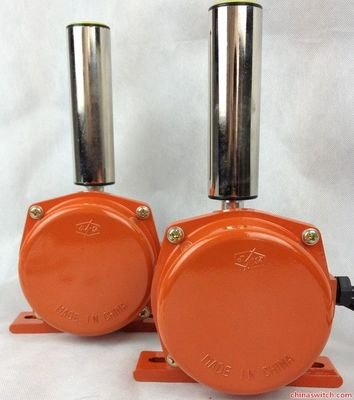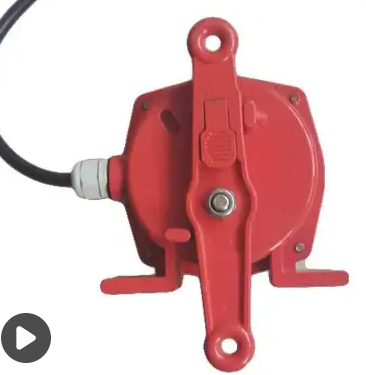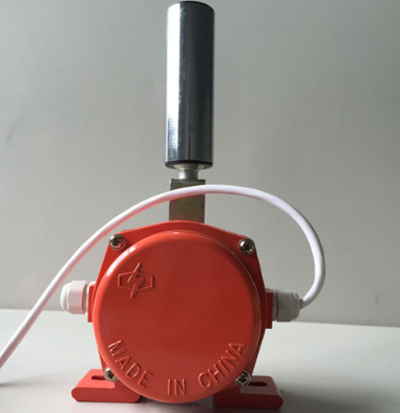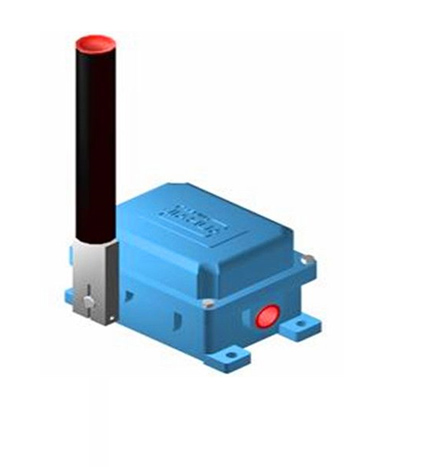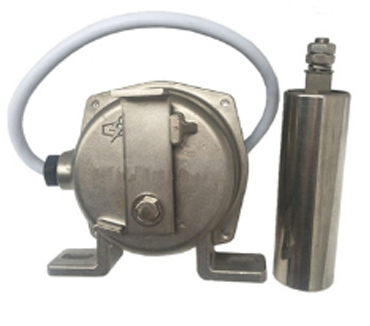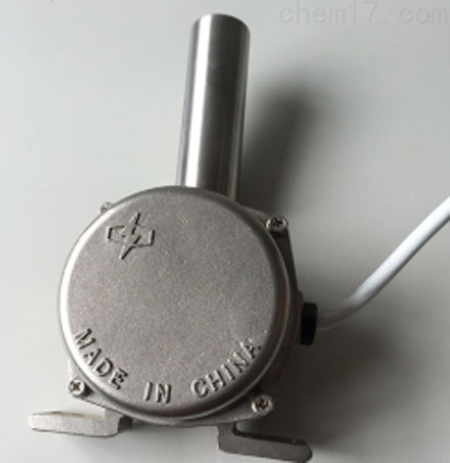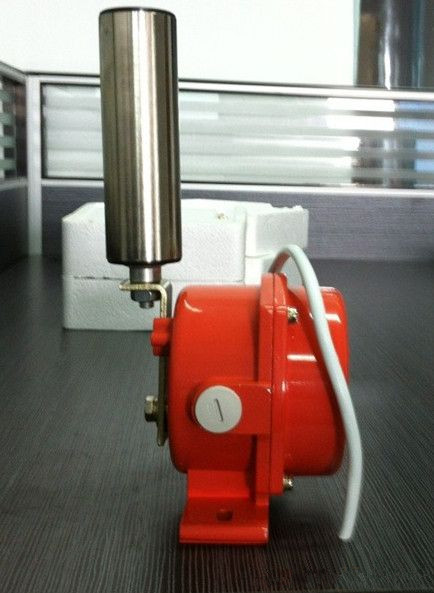
Product Overview:
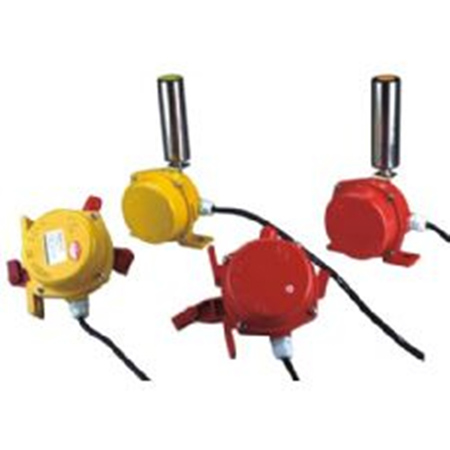
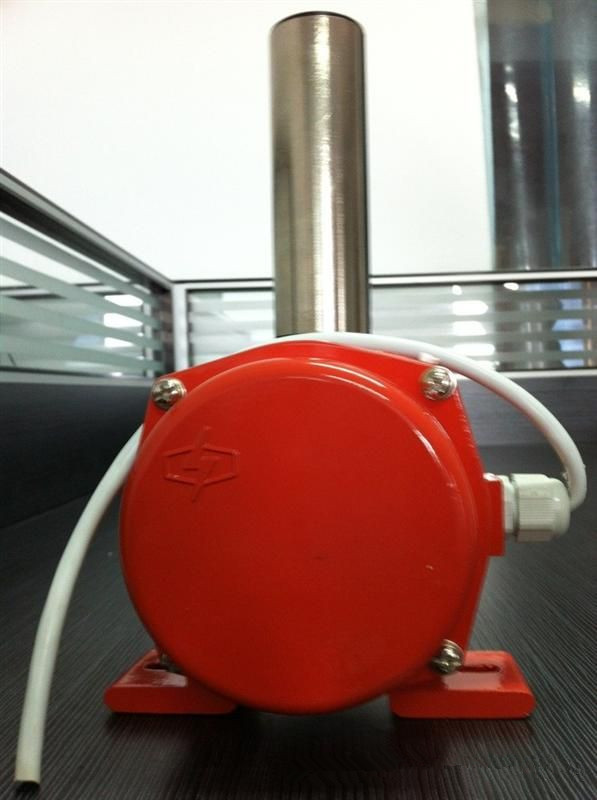
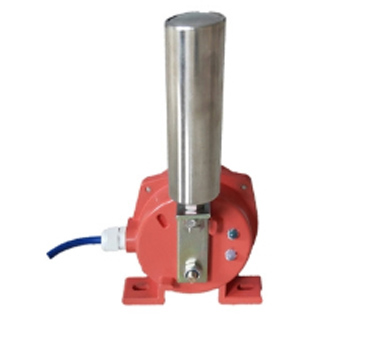
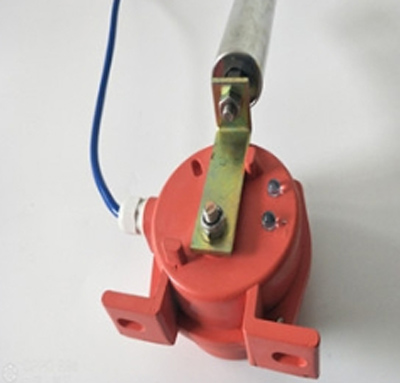
The deviation switch XLPP-J-20-45 is an efficient safety monitoring device designed specifically for conveyor belt systems. It can detect the deviation of the conveyor belt in real time, issue alarms in a timely manner, and automatically trigger shutdown operations to protect the equipment from damage and ensure production safety and stability.
Main functions:
Technical parameters:
Product features:
Application areas:
The deviation switch XLPP-J-20-45 is suitable for conveyor belt systems in industries such as coal mining, steel, chemical, power, and ports. It can effectively prevent equipment damage and production interruption caused by conveyor belt deviation, ensuring the safe and stable operation of the production line.
Precautions for use:
after-sale service:
The XLPP-J-20-45 deviation switch comes with a one-year quality guarantee. Under normal usage conditions, if the equipment malfunctions, please contact the after-sales service team in a timely manner, and we will provide professional technical support and repair services.
1. Is the installation of XLPP-J-20-45 deviation switch complicated?
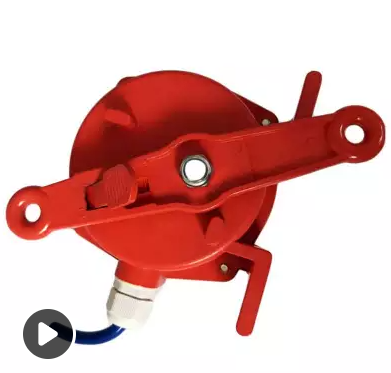
The installation of the XLPP-J-20-45 deviation switch is relatively simple, equipped with an adjustable bracket that supports multi angle installation. Users only need to follow the instructions to fix it in the appropriate position and adjust the distance between the detection arm and the conveyor belt to ensure accurate monitoring of the conveyor belt deviation.
2. At what low temperature can the XLPP-J-20-45 deviation switch function properly?
The XLPP-J-20-45 deviation switch can operate normally within the ambient temperature range of -30 ℃ to+75 ℃. Its high-strength plastic shell design provides excellent corrosion resistance and impact resistance, making it suitable for various harsh industrial environments.
3. How to ensure the long-term reliability of XLPP-J-20-45 deviation switch?
To ensure the long-term reliability of the XLPP-J-20-45 deviation switch, it is recommended to regularly check the working status of the equipment, especially when used in extreme environments. Keeping the equipment clean, avoiding strong impacts, and ensuring that it operates under its rated conditions can effectively extend its service life.