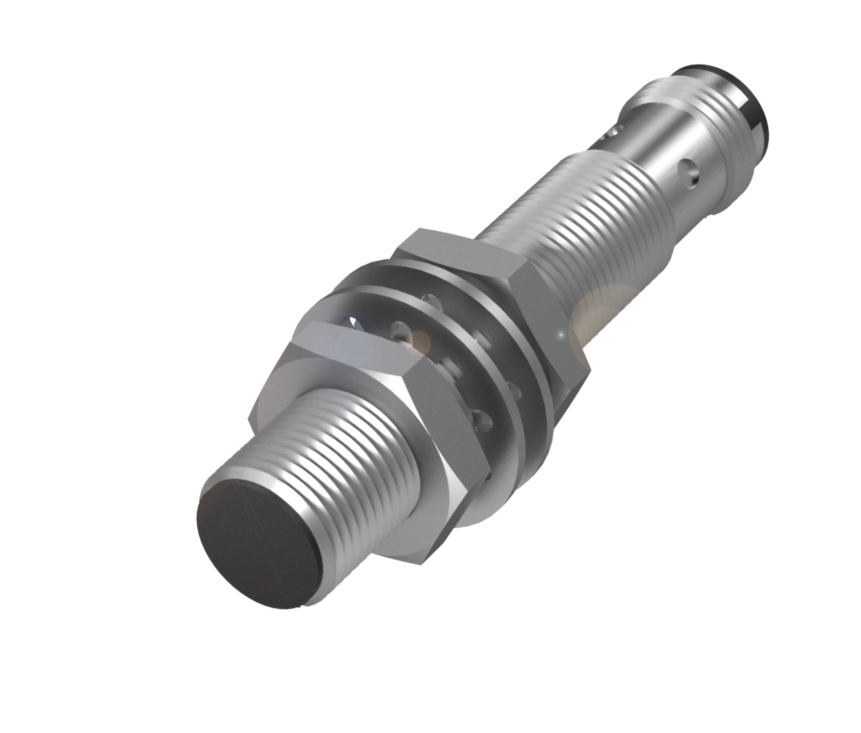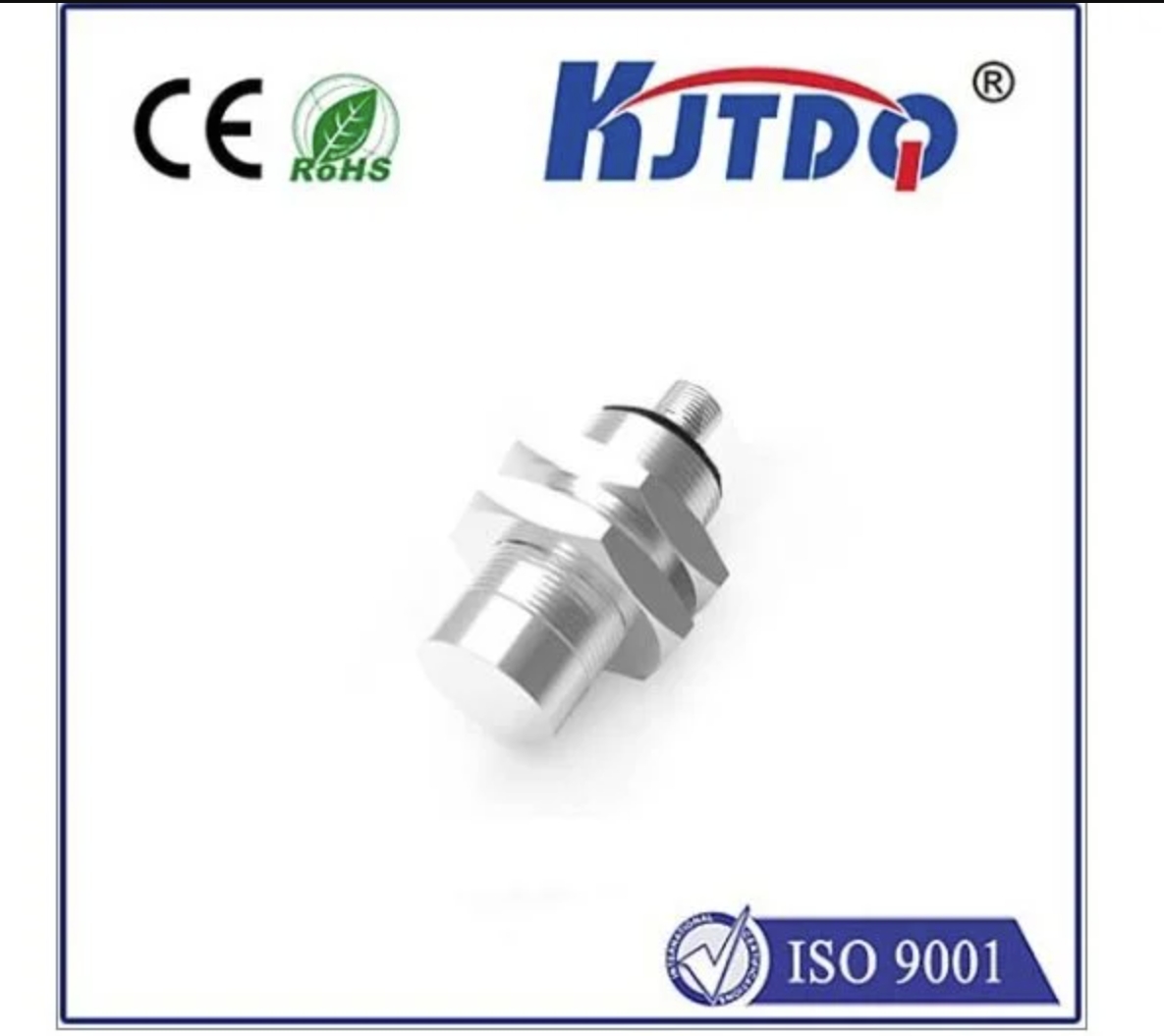
Hall proximity switch is a magnetic sensor designed using the principle of Hall effect, mainly used to detect the presence or position changes of magnetic materials. The following are the objects and application scenarios that Hall proximity switches can detect:
Detectable objects:
magnetic material:
- Hall proximity switches are highly sensitive for detecting magnetic materials such as iron, cobalt, nickel, and their alloys. When these materials approach or move away from the Hall sensor, the strength of the magnetic field will change, and the Hall proximity switch can detect this change.
Permanent magnet:
- Commonly used to detect the position and movement of permanent magnets. When the magnet approaches the Hall proximity switch, the generated magnetic field will trigger the switch action. This is very common in automation control systems, such as position detection, speed measurement, etc.
Motor rotor:
- In electric motors, Hall proximity switches are commonly used to detect changes in the magnetic field of the motor rotor, in order to determine the angle or speed of the rotor. This is particularly important for the control of brushless DC motors (BLDC).
Magnetic Encoder:
- In rotating equipment, Hall proximity switches can be used in conjunction with magnetic encoders to detect the angle or position of the rotating shaft, and are commonly used in high-precision position control systems.
Examples of application scenarios:
- Speed measurementHall proximity switches can be installed on the shaft of rotating machinery to measure the rotational speed by detecting the frequency of the magnet's rotation.
- Door and window switch detectionIn security systems, Hall proximity switches can be installed on doors and windows to detect their open and closed status.
- Automotive ABS systemHall proximity switches are used to detect the speed of the wheels and control the operation of the Anti lock Braking System (ABS).
- position controlIn automated production lines, it is used to detect the precise position of robotic arms or conveyor belts.
Advantages of Hall proximity switch:
- Non contact detectionNo physical contact is required, reducing wear and failure rates.
- high-precisionCapable of accurately detecting position and speed, suitable for control scenarios that require high precision.
- quick responseSuitable for detecting high-speed moving objects.
matters needing attention:
- The sensitivity of Hall proximity switches is related to the magnetic field strength, so it is necessary to ensure that the magnetic field is strong enough to trigger the switch action during installation.
- Attention should be paid to the operating temperature range and environmental effects of Hall proximity switches, such as magnetic field interference that may affect detection accuracy.
Summary:
Hall proximity switches are mainly used to detect magnetic materials and magnetic field changes, and are widely used in fields such as automation control, speed measurement, and position detection. Its non-contact detection method, fast response, and high precision make it an indispensable sensor in industrial and electronic devices.
Related Q&A FAQs:
1. What is the difference between Hall proximity switch and inductive proximity switch?
Users may want to understand the differences between these two proximity switches in terms of their working principles, detection objects, and application scenarios, in order to choose a more suitable sensor.
2. Can Hall proximity switches function properly in harsh environments?
Users may be concerned about whether Hall proximity switches can operate reliably in environments with high temperature, humidity, or strong magnetic interference, and whether there are special models suitable for these environments.
3. How to determine the installation distance of Hall proximity switches?
Users may want to know how to correctly install Hall proximity switches, especially how to determine the optimal distance between them and the detection object to ensure accurate detection and stable operation.