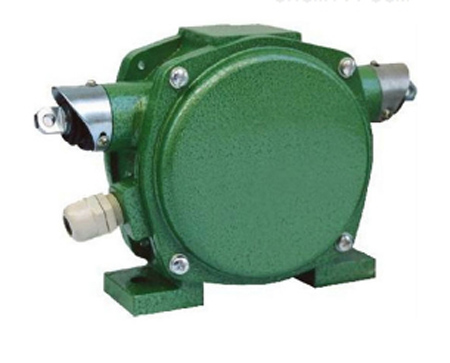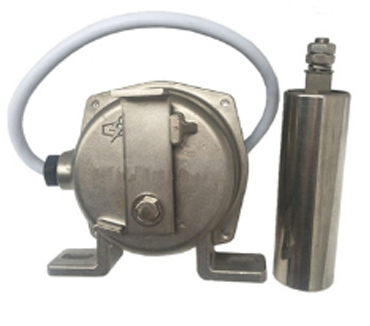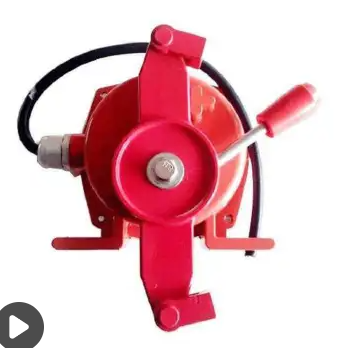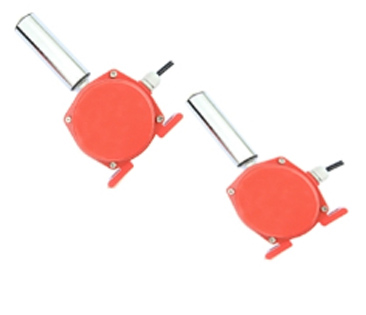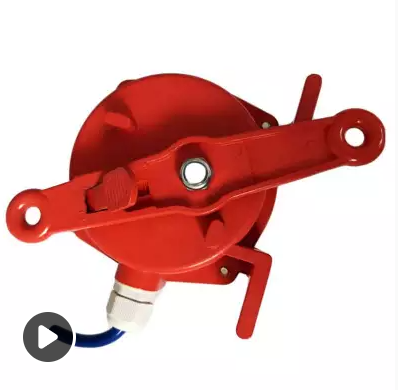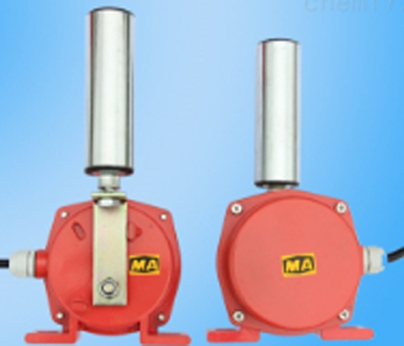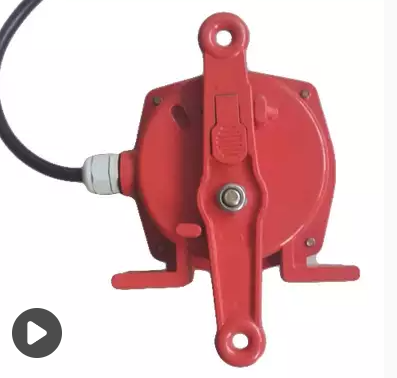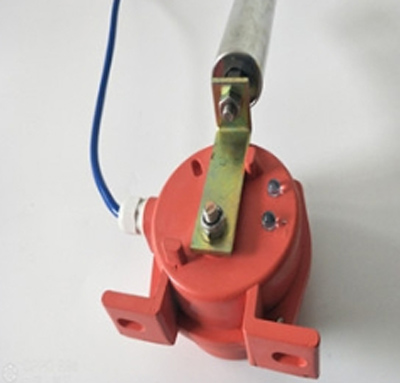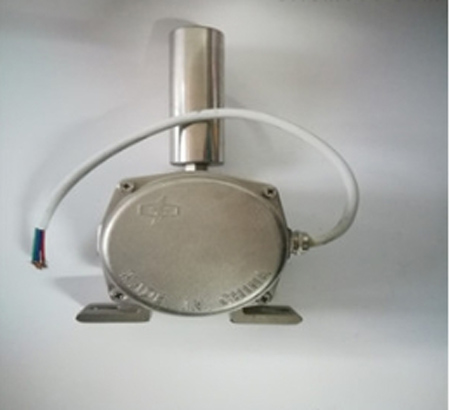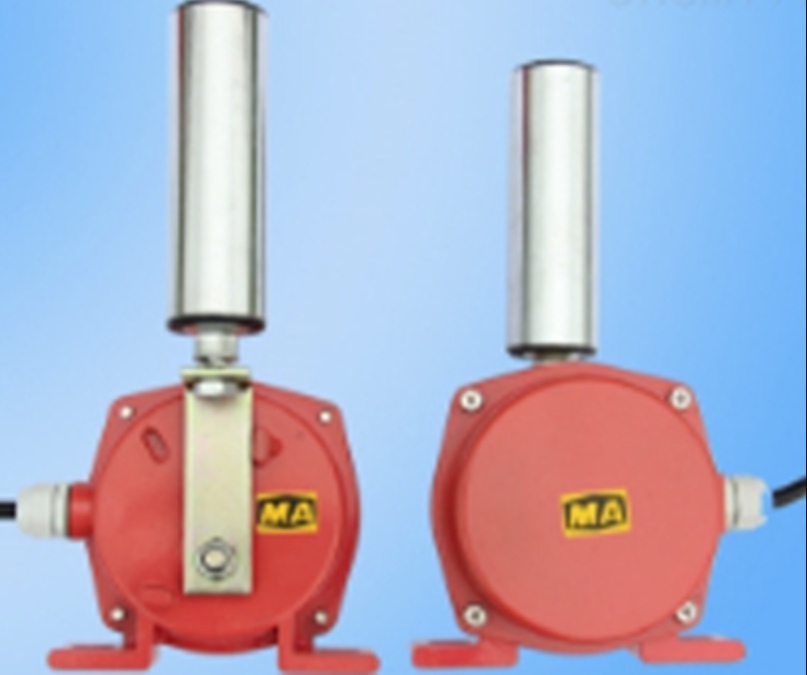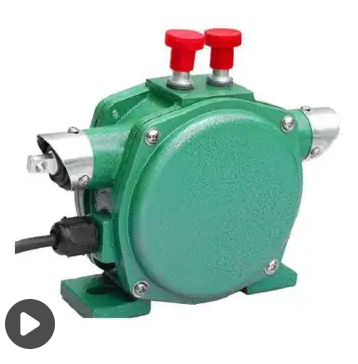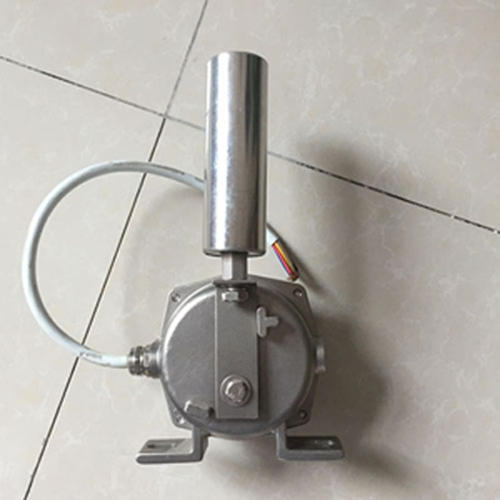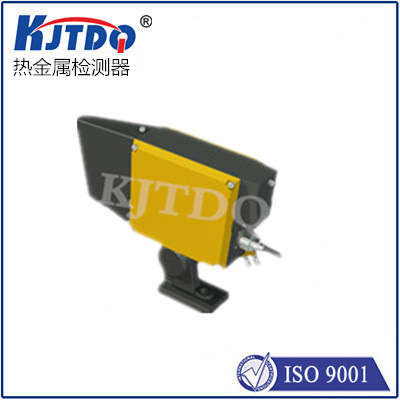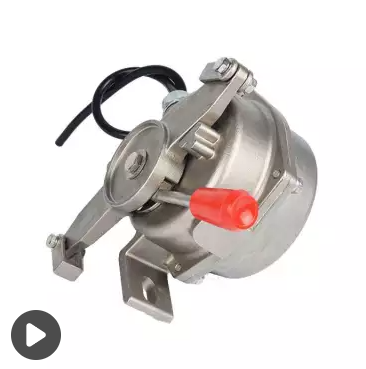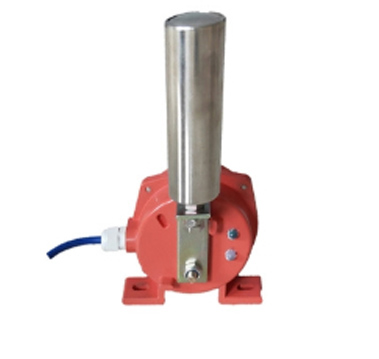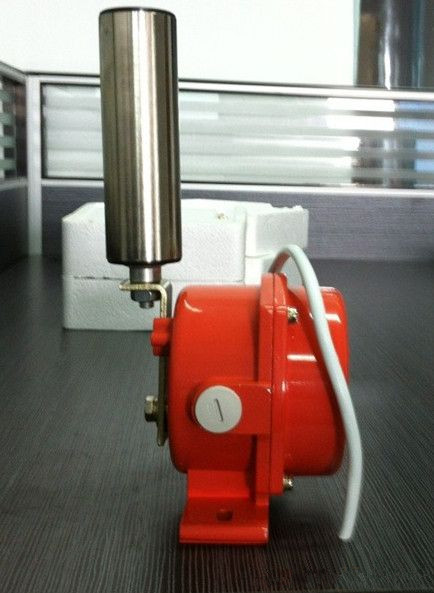
Product Overview:The GHP-250 dual open and dual closed contact anti-corrosion deviation switch is a high-performance deviation detection device designed specifically for harsh industrial environments. It can effectively detect the deviation of the belt conveyor and activate corresponding alarms or corrective measures based on the degree of deviation. This switch features a dual open and dual closed contact design, providing flexible control options and excellent corrosion resistance, making it suitable for use in various environments.
Main features:
Double open and double closed contact designThe switch is equipped with two sets of switch contacts, each set of contacts can be set to switch or closed state, providing more control options.
Corrosion resistance performanceMade of corrosion-resistant materials, suitable for corrosive environments such as acid, alkali, and salt, ensuring long-term stable operation.
High sensitivity detectionCan accurately detect the deviation of the conveyor belt and issue alarm signals in a timely manner.
Dual level alarmDivided into two levels of alerts based on the degree of deviation, providing effective warning and intervention measures.
durableDesigned to be sturdy and capable of withstanding work challenges in high-pressure, high-temperature, and other harsh industrial environments.
Technical parameters:
working principle:When the belt conveyor deviates during operation, the edge of the conveyor belt will touch the trigger rod or sensor of the switch. According to the deviation angle, the switch will trigger the following alarms:
Installation and Debugging:
Maintenance and upkeep:
Safety precautions:
Troubleshooting:
For more detailed information or technical support, please refer to the product manual or contact the supplier.
1. How to ensure the long-term stability of GHP-250 double open and double closed contact anti-corrosion runaway switch in highly corrosive environments?
The GHP-250 deviation switch is made of corrosion-resistant materials and can operate in highly corrosive environments. However, to ensure its long-term stability, it is recommended to regularly inspect and clean the switch to prevent the accumulation of corrosive substances. During installation, it is necessary to ensure good sealing performance of the switch and avoid exposure to extreme chemicals. In addition, depending on the usage environment, it may be necessary to consider choosing a version with a higher level of protection or conducting regular professional maintenance.
2. How to carry out daily maintenance and upkeep of GHP-250 double open and double closed contact anti-corrosion deviation switch?
The daily maintenance of GHP-250 deviation switch includes:
Regular inspection: Check the operation of the switch once a month to ensure there are no abnormalities.
Cleaning sensors: Regularly clean the switch surface and sensors to remove dust and foreign objects, and prevent affecting detection accuracy.
Functional testing: Conduct functional testing every quarter to ensure that the switch can issue alarm signals normally.
Check corrosion resistance: Regularly inspect the anti-corrosion status of the switch to ensure that the protective layer is not damaged.
3. What are the practical application scenarios of the dual open and dual closed contact design of GHP-250 deviation switch?
The dual open and dual closed contact design of GHP-250 provides flexible control options, suitable for application scenarios that require multi-level alarms and multiple control functions. Practical applications include:
Belt conveyor system: In large-scale conveyor systems, the dual contact design can simultaneously control alarm and correction devices.
Highly corrosive environments, such as fertilizers, metallurgy, mining, and other industrial environments, require anti-corrosion functions to ensure long-term operation of equipment.
Heavy industrial equipment: suitable for equipment under extreme conditions such as high pressure and high temperature, providing reliable deviation detection and control.