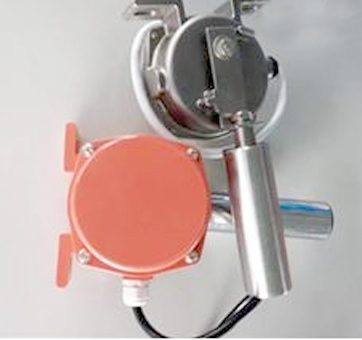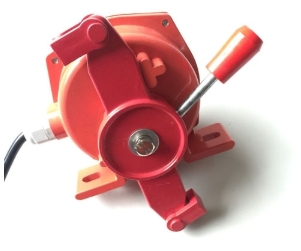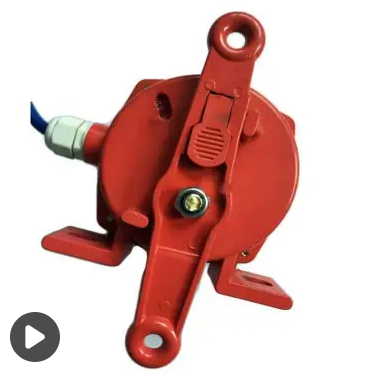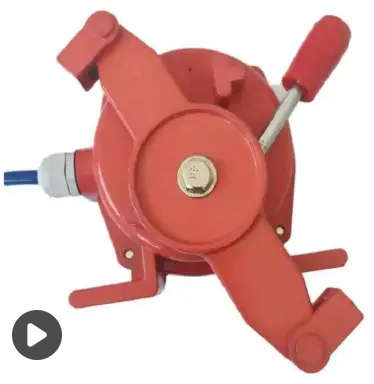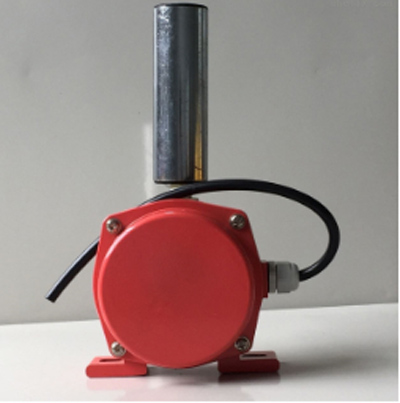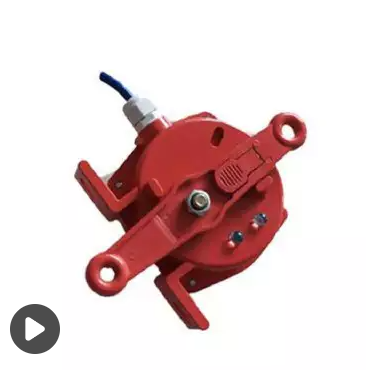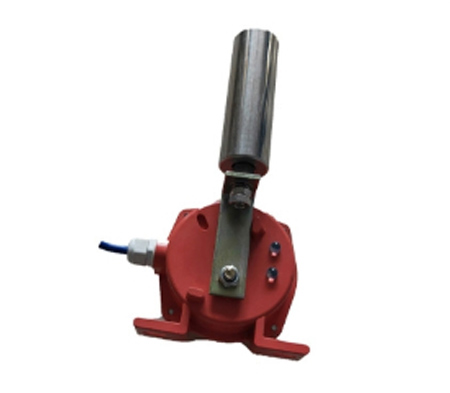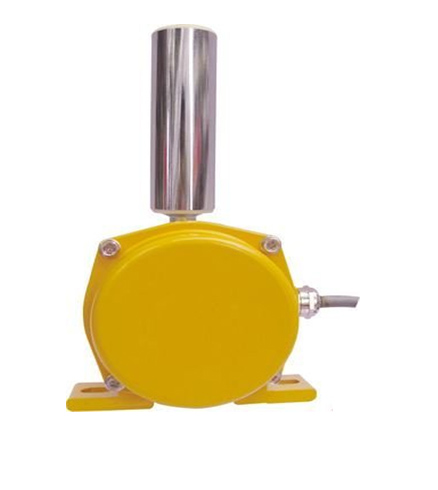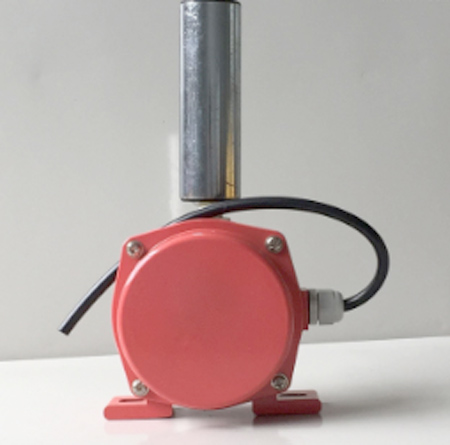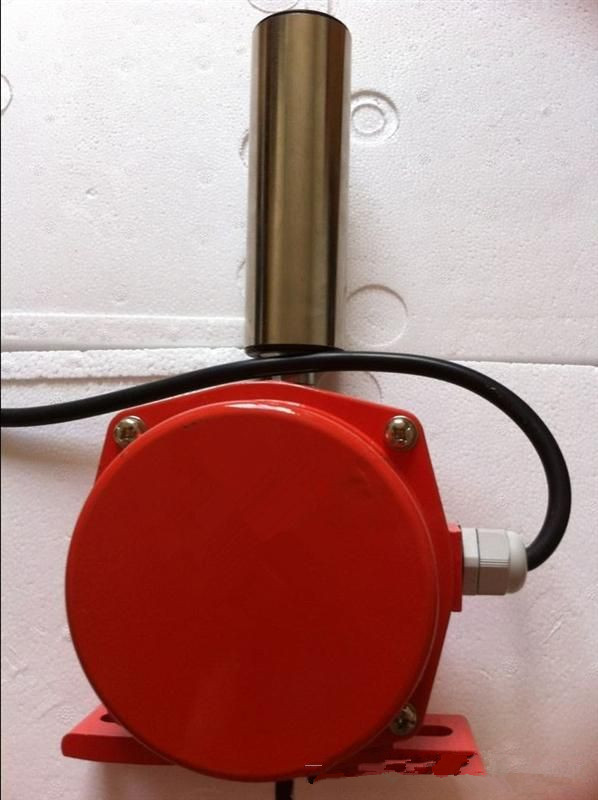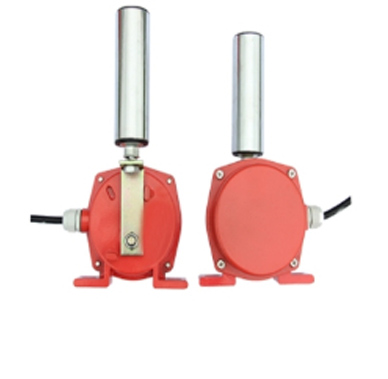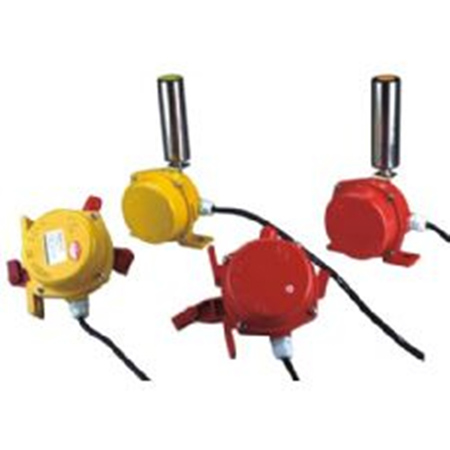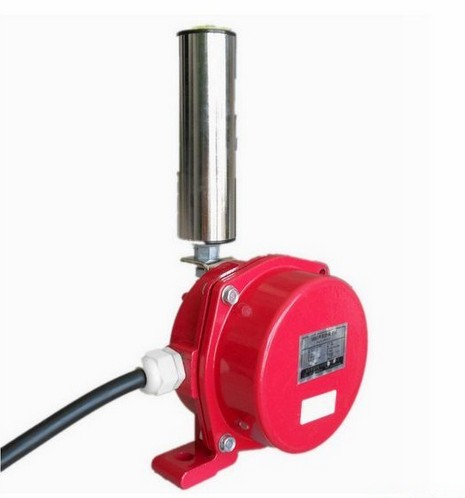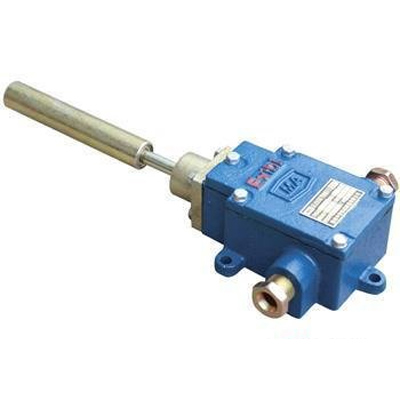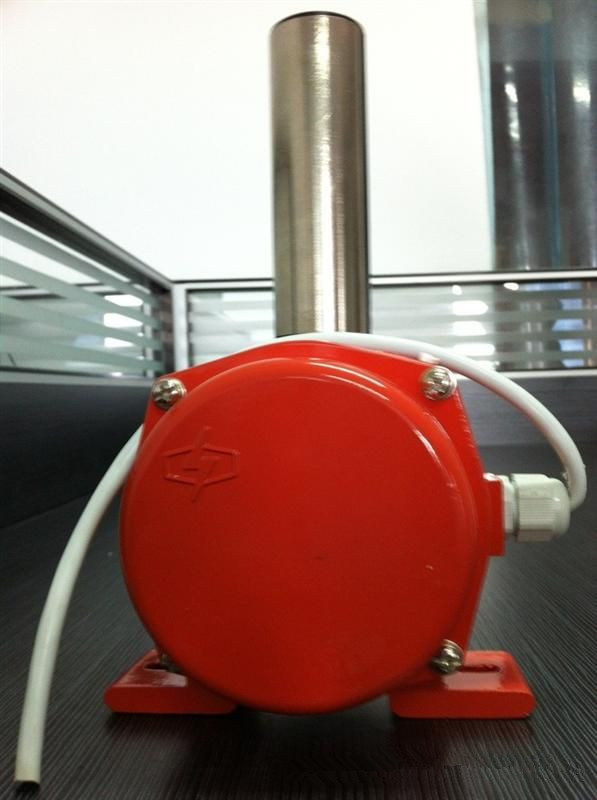
Product Overview:The ELAP-20-WSN crane arm limit deviation switch is a safety device designed specifically for cranes, used to monitor and control the deviation of the crane arm during operation. This switch combines the functions of a limit switch and a deviation switch, and can issue an alarm signal when the lifting arm exceeds the set range or deviates, to ensure the safety and normal operation of the equipment. ELAP-20-WSN is suitable for various crane systems, such as tower cranes, bridge cranes, and gantry cranes.
Main features:
Dual function of limit and deviationELAP-20-WSN not only monitors the deviation of the crane arm, but also has a limit function. When the crane arm reaches the set working range limit, it automatically sends out an alarm signal.
High sensitivity detectionThe device monitors the position and offset of the crane arm in real-time through precise sensors, ensuring that the equipment can detect problems early and issue alarms.
Durable designThe shell is made of high-strength alloy material, which has excellent dust-proof, waterproof, and corrosion-resistant properties, suitable for long-term use in various industrial environments.
extensive useSuitable for various types of crane systems, including tower cranes, bridge cranes, and gantry cranes, it can provide reliable protection under various working conditions.
Easy to installCompact design, supporting multiple installation methods, equipped with detailed installation and debugging guidelines for quick configuration and maintenance.
Technical parameters:
working principle:The ELAP-20-WSN crane arm limit deviation switch monitors the movement status of the crane arm in real time through built-in sensors. The device is set with a limit range, and when the boom approaches or exceeds the set working limit, the device will automatically issue a limit alarm. Meanwhile, if the crane arm deviates beyond the preset angle range, the device will trigger a deviation alarm. Through these alarm signals, operators can take timely measures to correct deviations or stop equipment, preventing equipment damage and accidents.
Application scenarios:
Installation and maintenance:
Installation location selectionInstall the ELAP-20-WSN switch at critical positions on the crane arm, especially in areas prone to displacement or approaching the limit. Ensure that the device can accurately monitor the movement status of the crane arm.
Wiring and DebuggingConnect the power supply according to the wiring diagram in the product manual and perform debugging. Simulate the movement of the crane arm, check if the limit and deviation functions are working properly, and adjust the limit range and deviation angle as needed.
Regular maintenanceRegularly inspect the casing, sensors, and connecting wires of the switch to ensure no damage or looseness. Clean the surface of the device to avoid dust or dirt affecting its performance, especially in high dust environments, and regular maintenance should be carried out.
Safety precautions:
Summary:The ELAP-20-WSN crane arm limit deviation switch provides effective protection for the safe operation of the crane system with its dual function, high sensitivity detection, and sturdy and durable design. It is particularly suitable for use in various crane applications, helping to timely detect and handle the offset and limit issues of the lifting arm, ensuring the normal operation and safe operation of the equipment.
1. How to calibrate the limit and deviation detection function of the ELAP-20-WSN crane arm limit and deviation switch?
The calibration of ELAP-20-WSN crane arm limit deviation switch usually includes two steps: limit calibration and deviation angle calibration. Firstly, according to the instruction manual, set the limit angle and adjust the position of the limit switch to ensure that the crane arm can accurately trigger the alarm when it reaches the limit position. Secondly, adjust the deviation detection angle setting to ensure that the device can detect any deviation of the crane arm. During the debugging process, the movement of the crane arm can be simulated to check if the alarm function is triggered normally. It is recommended to calibrate under actual operating conditions to ensure that the equipment performance meets the requirements.
2. What are the maintenance recommendations for ELAP-20-WSN in harsh environments?
Maintenance is particularly important when using the ELAP-20-WSN boom limit deviation switch in harsh environments. Regularly inspect the casing and internal components of the switch to ensure that there is no damage or corrosion. Especially in high dust or high humidity environments, the equipment surface should be cleaned regularly and the sealing should be checked to prevent dust and moisture from entering the interior. Regularly check the wiring and sensors to ensure a secure connection without looseness or corrosion. Depending on the environmental conditions, more frequent inspections and maintenance may be required to ensure the normal operation of the equipment and extend its service life.