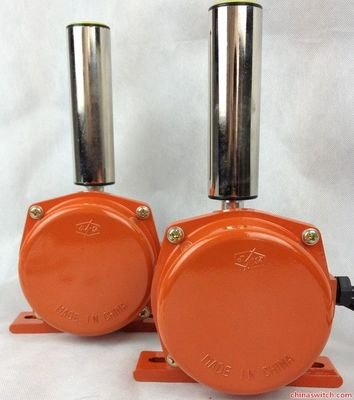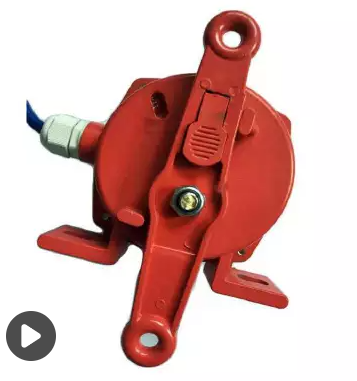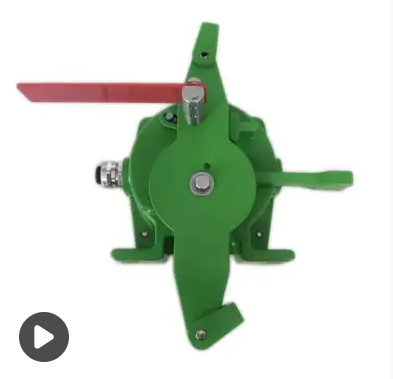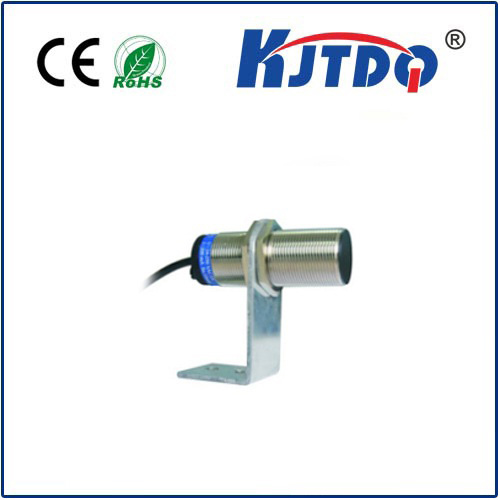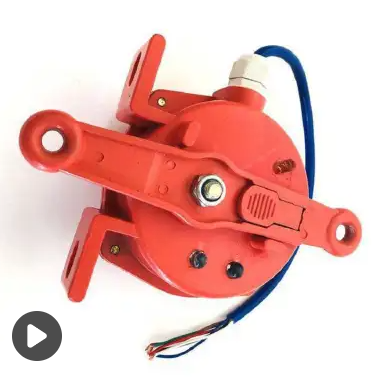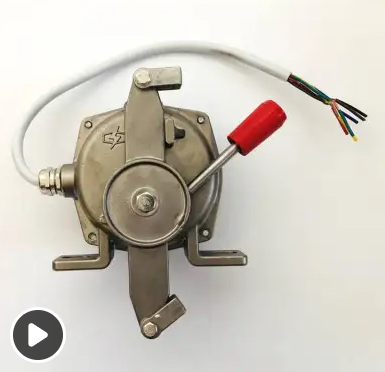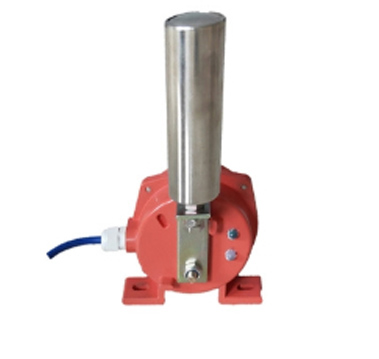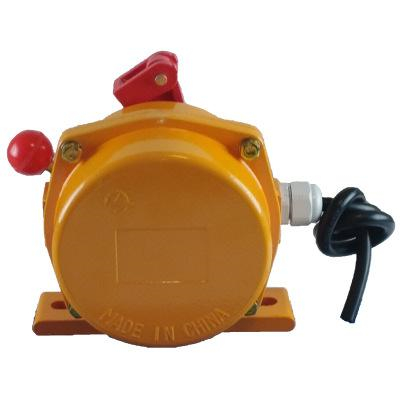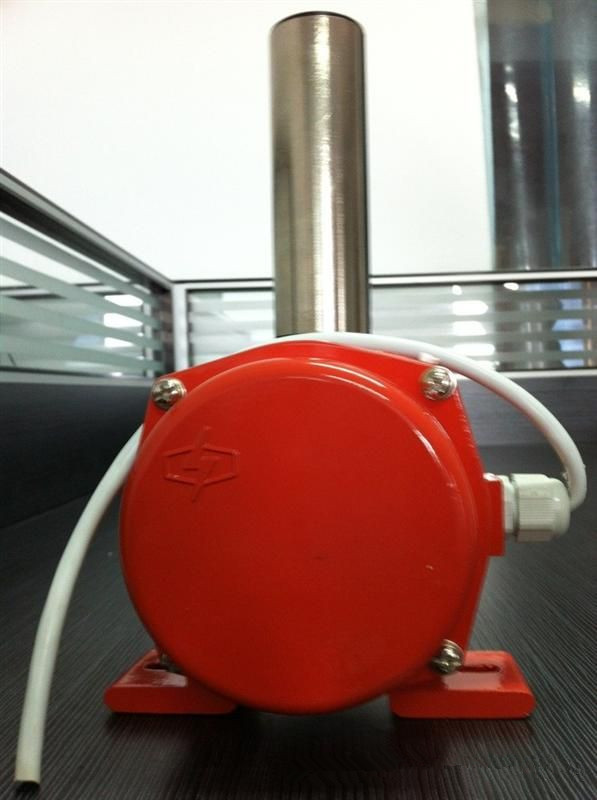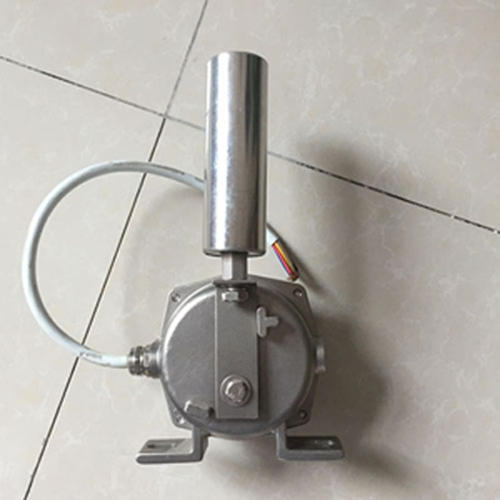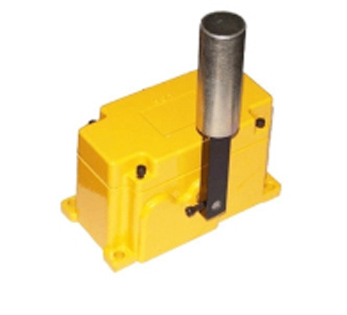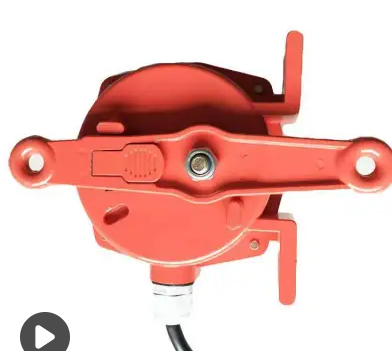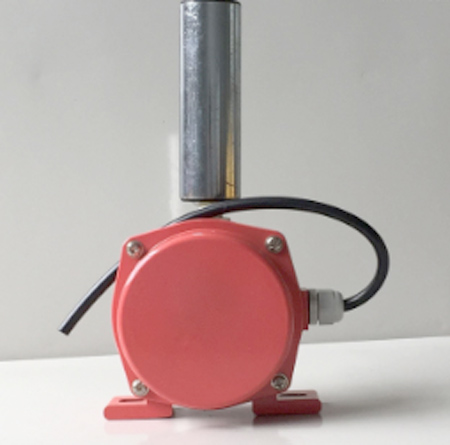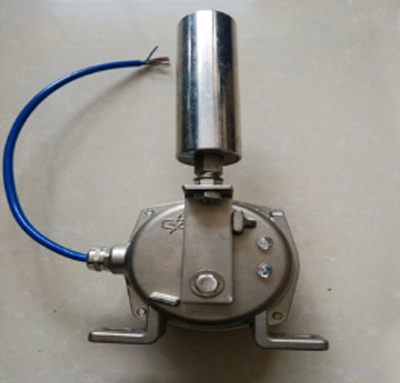
Product Overview:KPTH2-10 belt deviation switch is a protective device used to monitor and prevent belt conveyor deviation. It can promptly issue an alarm signal or trigger a shutdown operation when the belt deviates, to avoid equipment damage and production accidents. This switch has a two-level protection function and is widely used in belt conveyor systems in industries such as mining, metallurgy, power, chemical, and ports.
Main features:
Two level protection functionThe KPTH2-10 belt deviation switch is equipped with a two-stage detection mechanism, which can issue an alarm signal in the early stage of belt deviation. If the deviation continues or worsens, it will trigger shutdown protection, providing dual protection.
High sensitivity detectionHigh sensitivity sensors are used to ensure accurate detection of belt deviation and rapid response.
durableThe equipment is made of high-quality materials and has excellent impact resistance and corrosion resistance, suitable for various harsh industrial environments.
Easy to install and maintainThe design structure is simple, easy to install and maintain, suitable for various types of conveying systems.
Technical parameters:
working principle:The KPTH2-10 belt deviation switch monitors the running status of the belt through a built-in high-precision sensor. When the belt deviates and the deviation angle exceeds the preset value, the switch will first trigger an alarm signal. If the offset situation continues or worsens, the equipment will further trigger shutdown protection to prevent equipment damage and production accidents. The dual protection function of the device can effectively improve the security of the system.
Application scenarios:
Installation and maintenance:
Installation location selectionInstall the KPTH2-10 belt deviation switch at key positions where the belt is prone to deviation, such as the head, tail, or middle section, to ensure accurate detection of belt deviation.
Wiring and DebuggingConnect the wires correctly according to the instructions and perform preliminary debugging. Adjust the detection angle and sensitivity to ensure that the switch can trigger an alarm or shutdown function at the actual offset angle.
Regular inspection and maintenanceRegularly inspect the appearance and internal circuit of the switch to ensure its normal operation. Clean the surface of the sensor to avoid dust and foreign objects affecting the detection accuracy. It is recommended to conduct a comprehensive inspection every 6 months to ensure the long-term stability of the equipment.
Safety precautions:
Summary:The KPTH2-10 belt deviation switch provides reliable safety assurance for the belt conveyor system with its high sensitivity detection capability and dual protection function. It can effectively monitor the operating status of the belt, issue alarms or trigger shutdown functions in a timely manner, thereby preventing equipment damage and production accidents caused by belt deviation. It is an important device to ensure the safe and stable operation of the conveyor system.
1. How does the two-stage protection mechanism of KPTH2-10 belt deviation switch work?
The two-stage protection mechanism of KPTH2-10 belt deviation switch includes:
First level protection (alarm): When the belt experiences a slight initial deviation and the deviation angle exceeds the set value, the switch will trigger an alarm signal. This signal can be used to remind operators to check the status of the belt and make necessary adjustments.
Secondary protection (shutdown): If the offset situation persists or intensifies, the switch will further trigger shutdown protection, automatically stopping the operation of the conveyor to prevent equipment damage and more serious production accidents.
2. How does the KPTH2-10 belt deviation switch perform under extreme weather conditions?
The working temperature range of KPTH2-10 belt deviation switch is -20 ° C to+60 ° C, which has good environmental adaptability. Under extreme weather conditions, such as extremely cold or high temperature environments, equipment may be affected. To ensure its normal operation, it is recommended to take additional protective measures when used under extreme weather conditions, such as installing heaters or cooling devices, and regularly checking the equipment status to ensure its proper functioning.
3. How to adjust the detection sensitivity of KPTH2-10 belt deviation switch?
The detection sensitivity of KPTH2-10 belt deviation switch can be set through the adjustment mechanism on the equipment. The adjustment steps are as follows:
Power off operation: Before adjusting, ensure that the equipment is powered off to ensure safety.
Find the adjustment device: There is usually an adjustment screw or knob on the device used to set sensitivity.
Adjust: Rotate the adjustment device according to actual needs to set the appropriate sensitivity. A higher sensitivity will respond to slight offsets, while a lower sensitivity requires a larger offset to trigger.
Testing function: After adjustment, perform functional testing to ensure that the switch can accurately trigger the alarm or shutdown function at the set offset angle.
It is recommended to refer to the instruction manual during the adjustment process and conduct necessary tests in actual operation to ensure the normal operation of the equipment.