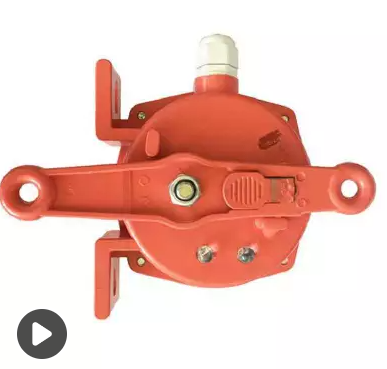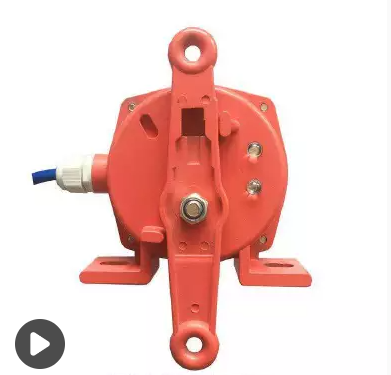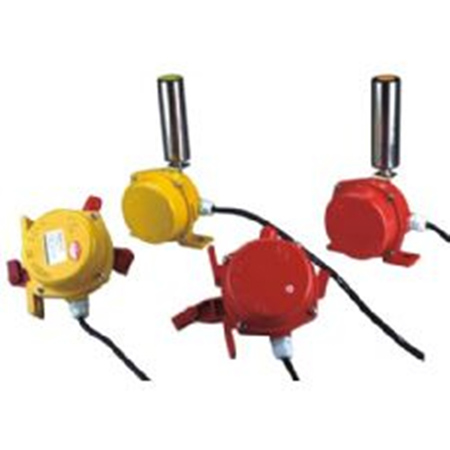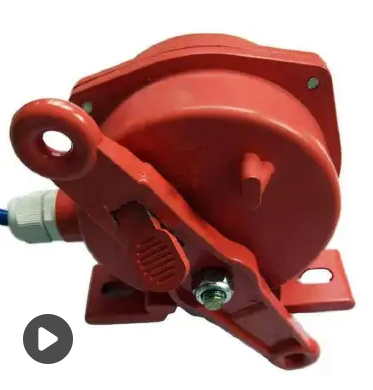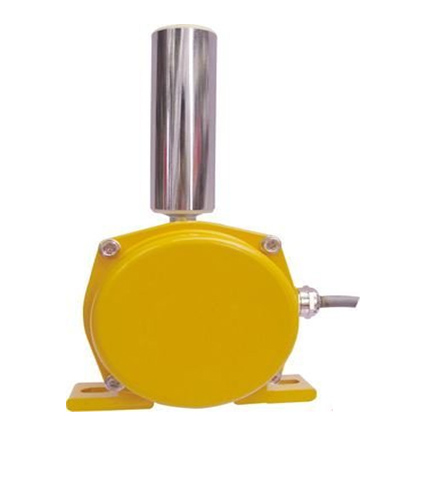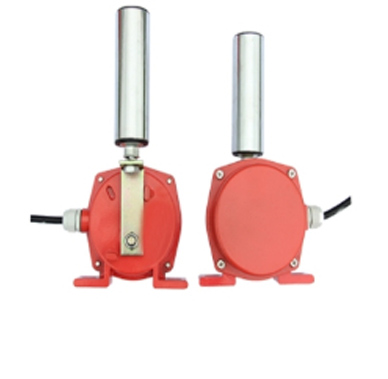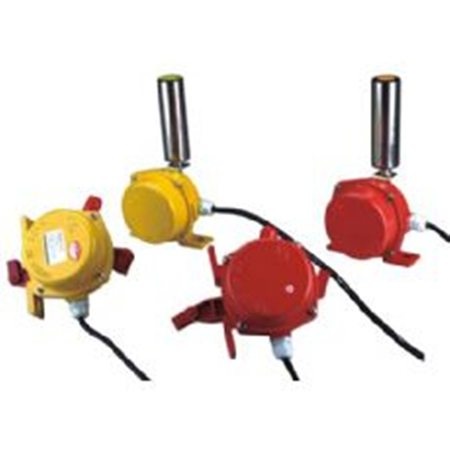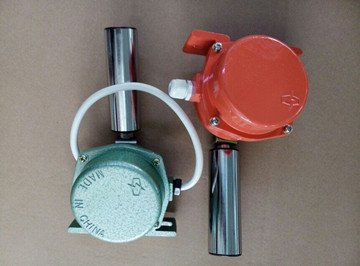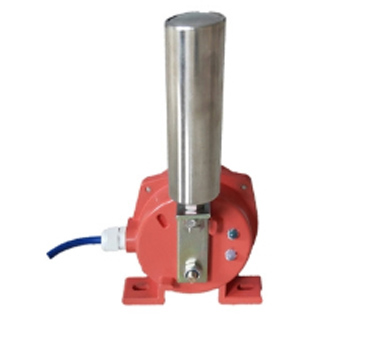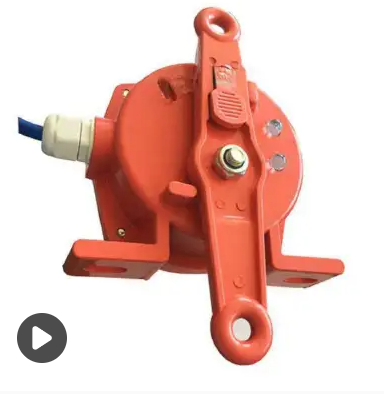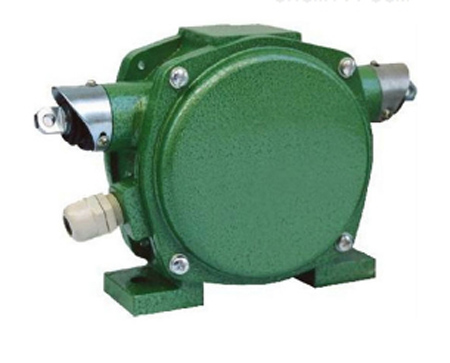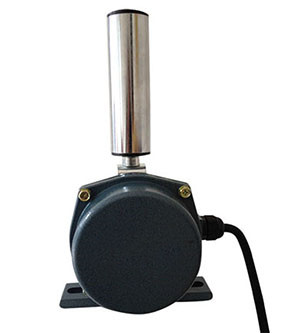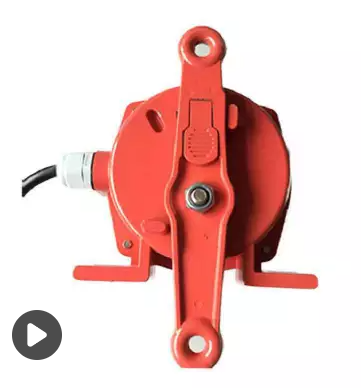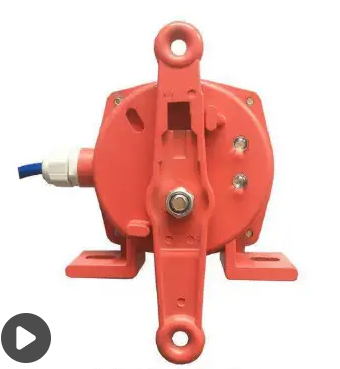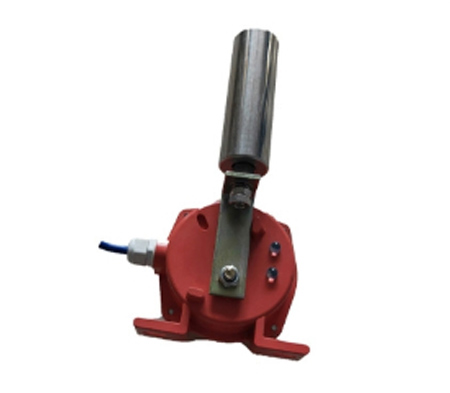
Product Overview:
JHFP-12-30 deviation switch is a safety protection device designed specifically for conveyor belt systems, used to monitor the deviation of the conveyor belt. It can detect the running status of the conveyor belt in real time. When the conveyor belt deviates, it can promptly issue an alarm signal or control the equipment to stop, ensuring the safe operation of the conveyor system and avoiding equipment damage and production stoppage.
Main functions:
Technical parameters:
Product features:
Application areas:
The JHFP-12-30 deviation switch is widely used in transportation systems in industries such as mining, steel, ports, power, and chemical. It can effectively prevent accidents caused by conveyor belt deviation, protect equipment safety, reduce downtime, and improve production efficiency.
Precautions for use:
after-sale service:
The JHFP-12-30 deviation switch comes with a one-year warranty period. If the device malfunctions under normal usage conditions, users can contact the after-sales team for technical support and replacement services to ensure the long-term stable operation of the system.
1. Is the detection angle of JHFP-12-30 deviation switch fixed?
The detection angle of JHFP-12-30 deviation switch is adjustable, ranging from 12 ° to 30 °. Users can adjust the detection angle according to the specific operating conditions and monitoring needs of the conveyor belt to ensure that the deviation situation can be accurately captured and improve the safety of the system.
2. Can JHFP-12-30 be used in harsh environments?
Yes, JHFP-12-30 has an IP67 protection level and is dustproof and waterproof. The casing is made of corrosion-resistant aluminum alloy material, which can operate stably for a long time in harsh environments such as mines, chemicals, and steel, and effectively resist the impact of external environments on the equipment.
3. Does JHFP-12-30 require regular maintenance?
JHFP-12-30 is designed to be sturdy and durable, with low daily maintenance requirements. But in order to ensure long-term stable operation of the equipment, it is recommended to regularly check its operating status, especially in harsh environments. Dust or dirt around the detection arm should be cleaned regularly to maintain detection sensitivity and normal operation of the equipment.