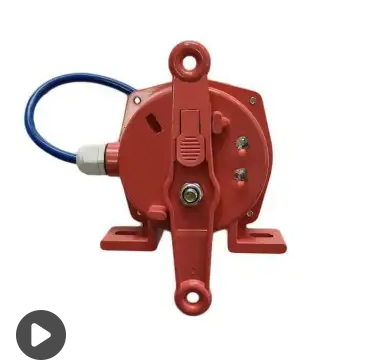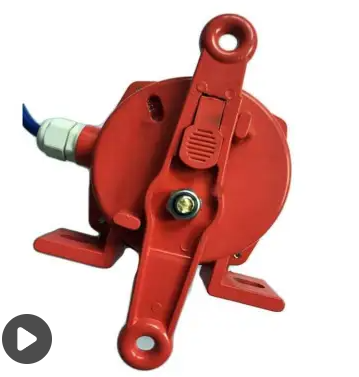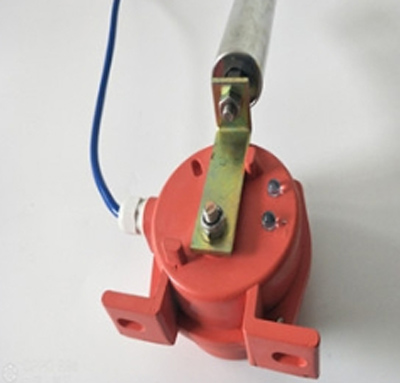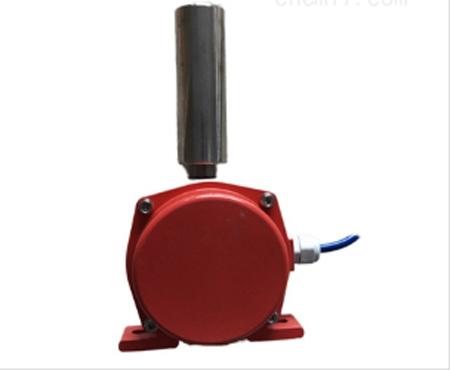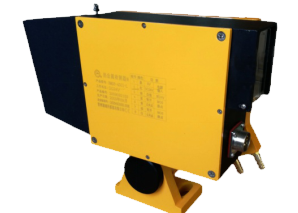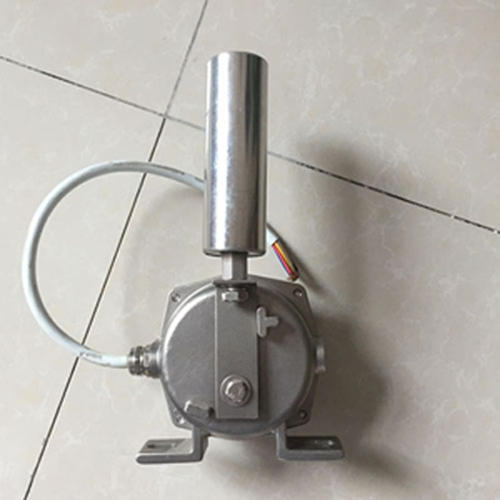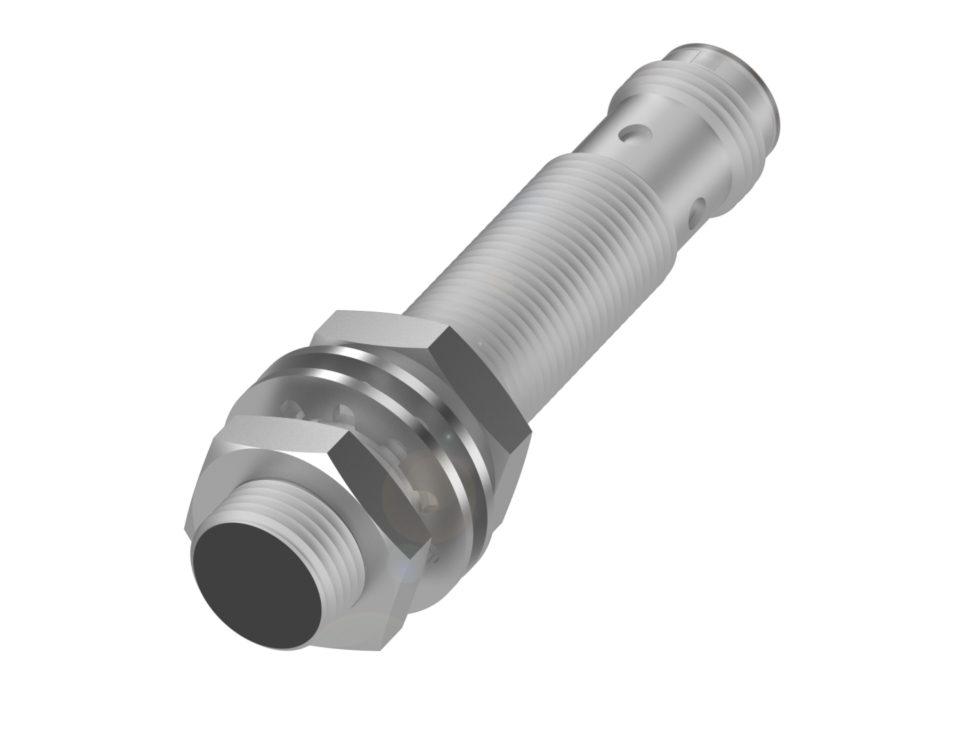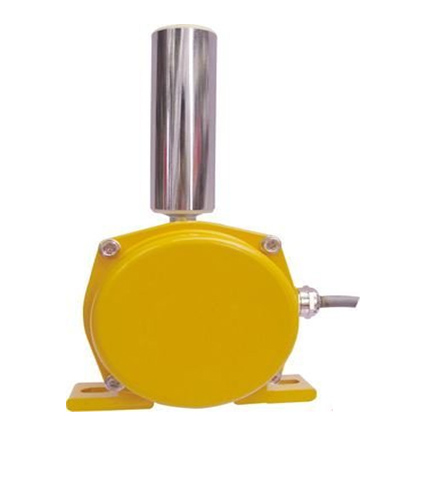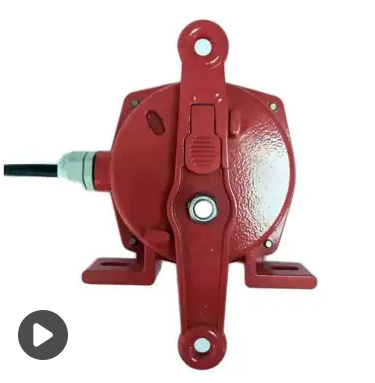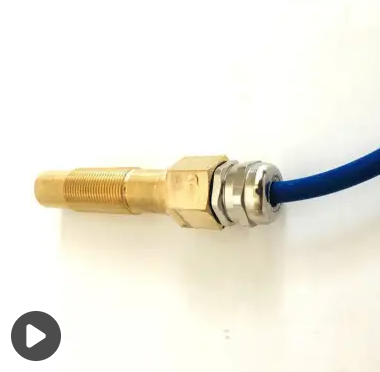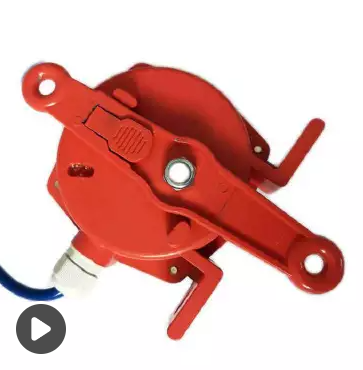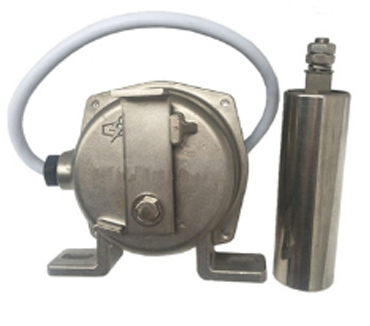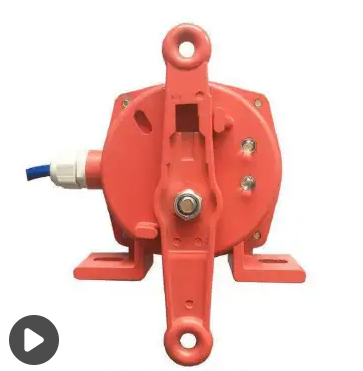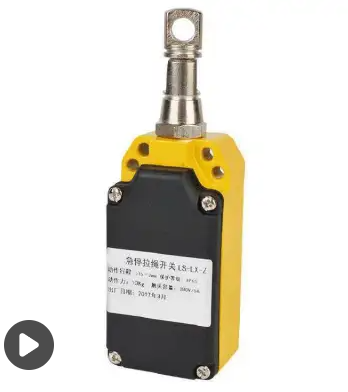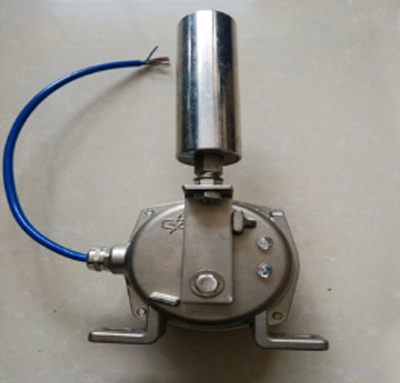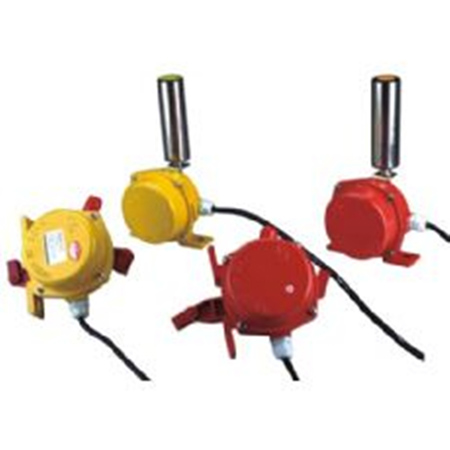
Product Overview:LS-E-Z deviation switch is a high-performance deviation detection device designed specifically for conveyor systems. It can accurately detect the deviation of the belt conveyor and issue alarm signals or initiate control measures to ensure the smooth operation of the conveying system. The LS-E-Z deviation switch has a durable structure and sensitive detection performance, suitable for various industrial environments.
Main features:
Accurate detectionHigh sensitivity sensors can accurately detect the offset of conveyor belts, providing stable performance even at high speeds and loads.
durableMade of high-strength materials, it can resist harsh industrial environments, including high temperatures, dust, and humidity.
Flexible installationReasonable design, easy installation, adjustable installation angle and position according to actual needs.
Dual level alarm functionProvide two-level alarm signals based on the degree of deviation:
Protection levelHas a good level of protection and is suitable for use in various industrial environments.
Technical parameters:
working principle:The LS-E-Z deviation switch uses its highly sensitive sensor to detect the deviation of the belt conveyor. When the conveyor belt deviates to the preset angle, the sensor will trigger a switch. Depending on the deviation angle, the switch will issue the following alarm:
Installation and Debugging:
Maintenance and upkeep:
Safety precautions:
Troubleshooting:
For more detailed information or technical support, please refer to the product manual or contact the supplier.
1. How to determine if the detection angle setting of LS-E-Z deviation switch is appropriate?
To determine whether the detection angle setting of the LS-E-Z deviation switch is appropriate, adjustments can be made based on the operating conditions and actual needs of the belt conveyor. Firstly, set the angle based on the width, running speed, and possible deviation range of the conveyor belt. Then, conduct on-site testing to simulate the deviation of the conveyor belt, observe the response of the switch, and confirm whether it can correctly trigger the alarm at the predetermined deviation angle. If necessary, the angle setting can be further adjusted to achieve the best results.
2. Is the LS-E-Z deviation switch suitable for high or low temperature environments?
The working temperature range of LS-E-Z deviation switch is usually between -20 ° C and+60 ° C, making it suitable for use in most common industrial environments. If the temperature of the usage environment exceeds this range, it may be necessary to choose a specialized model with a higher or lower operating temperature range. Please confirm the specific technical parameters of the switch to ensure that it can operate normally in the expected working environment.
3. How to install and debug LS-E-Z deviation switch to ensure its optimal performance?
The steps for installing and debugging the LS-E-Z deviation switch are as follows:
Installation position: Install the switch on the brackets on both sides of the belt conveyor to ensure that the sensor can accurately detect the offset of the conveyor belt. Avoid installing in locations affected by vibration or external forces.
Wiring: Follow the wiring diagram in the product manual to ensure the correct power supply voltage and check the firmness of the wiring.
Debugging: After installation, debug to simulate the deviation of the conveyor belt, check if the switch can issue an alarm signal at the correct deviation angle, and adjust the angle setting as needed.
4. What is the maintenance cycle for LS-E-Z deviation switch?
The maintenance cycle of LS-E-Z deviation switch is usually recommended to be checked once a month and adjusted according to the specific operating environment. Daily maintenance includes checking the operation of switches, cleaning sensors and enclosures, and conducting functional tests. If there is a large amount of dust or other pollutants in the operating environment, it may be necessary to increase maintenance frequency to maintain the optimal performance of the switch.
5. What should be done if the LS-E-Z deviation switch malfunctions?
If the LS-E-Z deviation switch malfunctions, the following steps should be taken to handle it:
Check the power supply: Ensure that the power supply is normal and check if there are any problems with the power circuit.
Check wiring: Confirm that the wiring is correct and secure, avoiding poor contact or short circuits.
Check the sensor: Clean the sensor and check for any foreign objects that may affect the detection accuracy.
Test function: Conduct functional testing to confirm that the switch can issue alarm signals normally. If the problem remains unresolved, it may be necessary to replace the faulty component or contact the supplier for technical support.