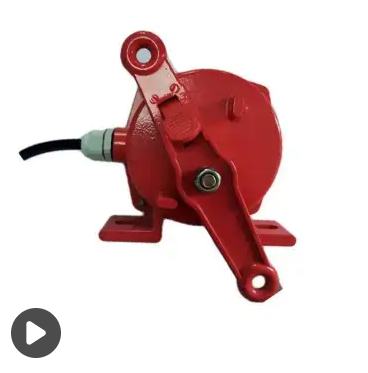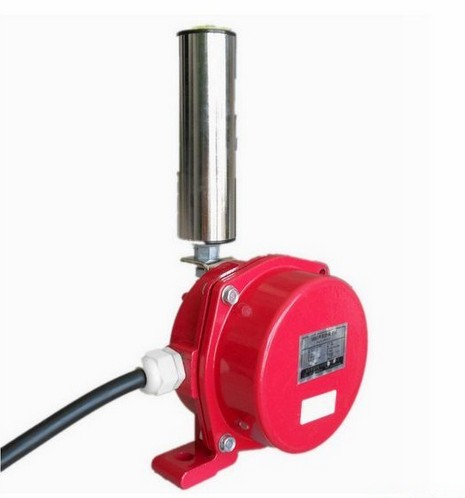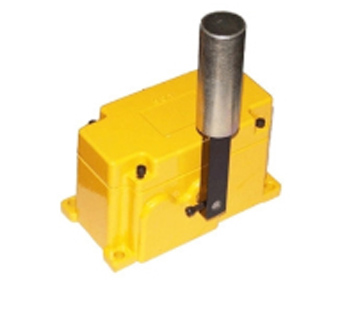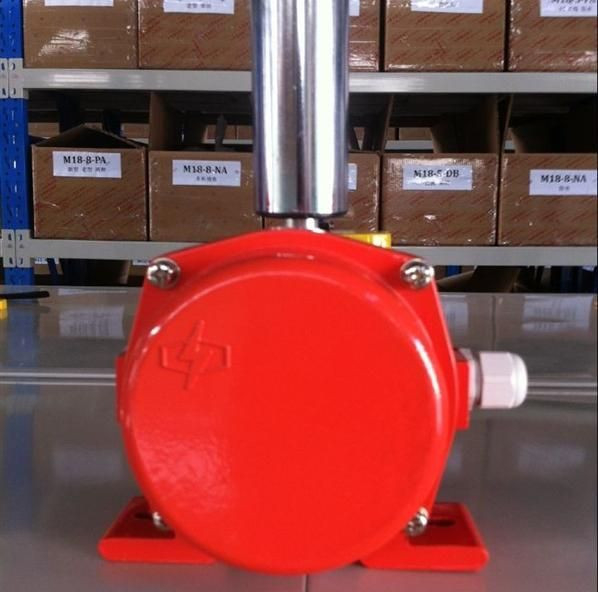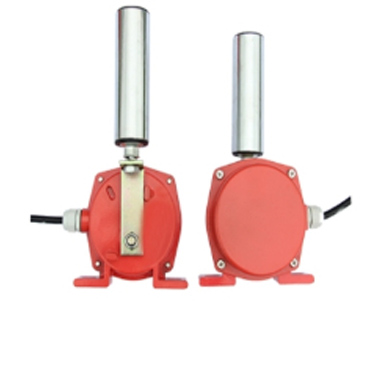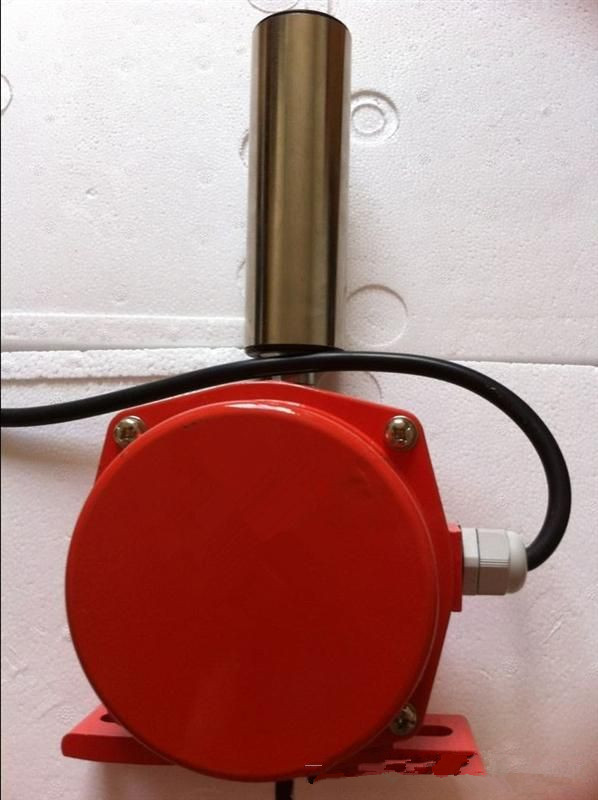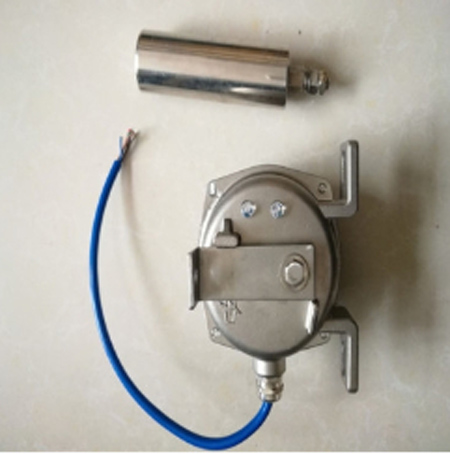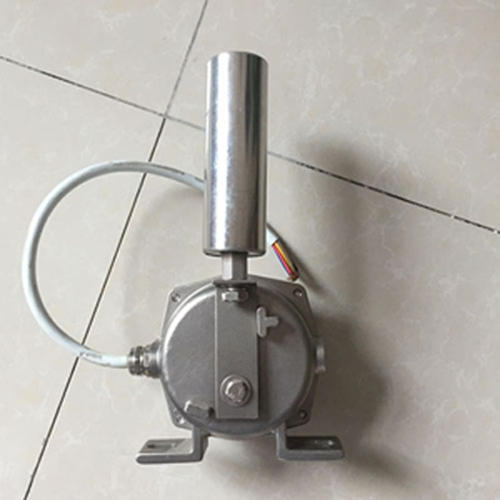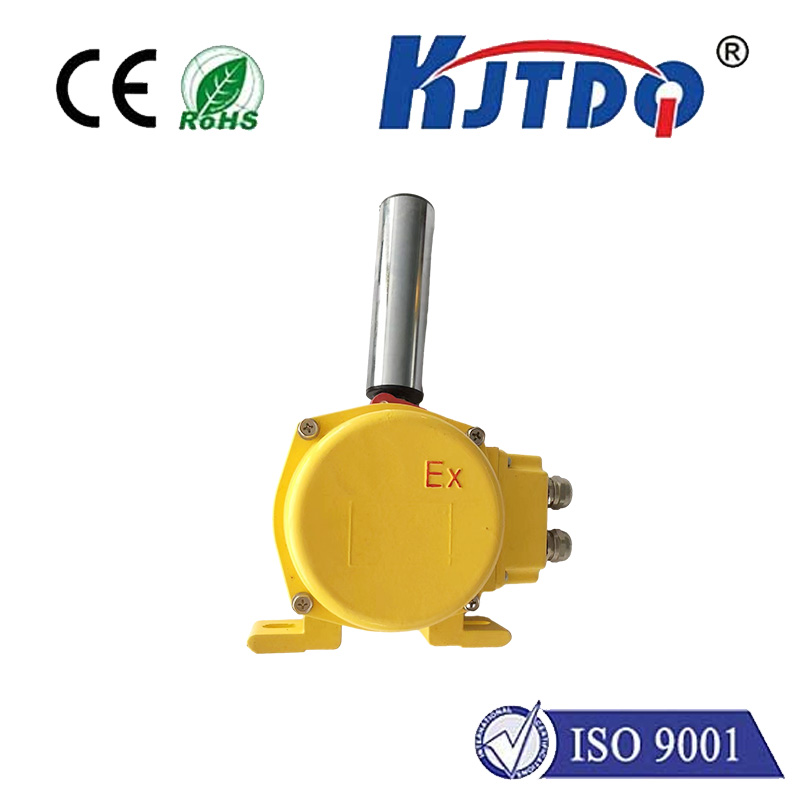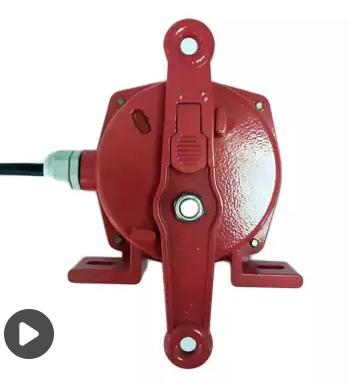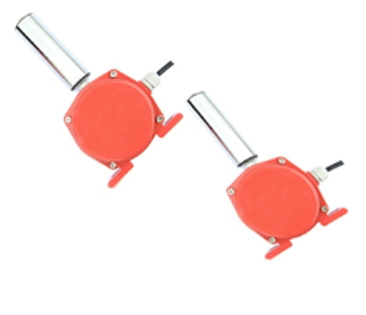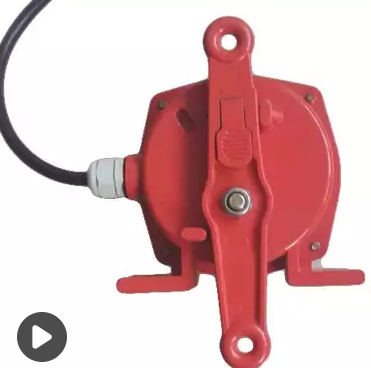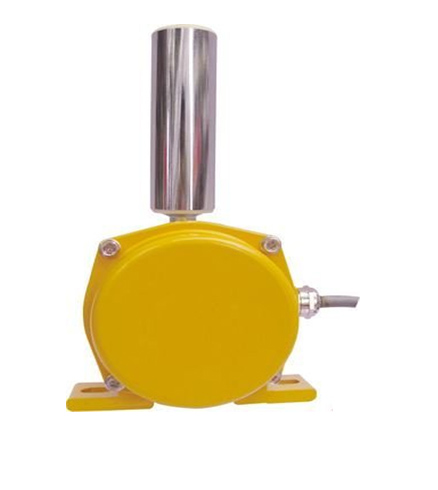
The deviation switch FPK-12-30 is a high-performance industrial safety device designed specifically for belt conveyor systems. Its main function is to detect the deviation of the conveyor belt and trigger an alarm or automatic shutdown in case of abnormalities, in order to prevent equipment damage and production accidents. This device is widely used in various industrial fields, such as mining, steel, electricity, and ports.
The deviation switch FPK-12-30 operates based on the principle of mechanical triggering. When the conveyor belt deviates, the edge of the conveyor belt will come into contact with the sensing rod or roller of the switch, causing the mechanical mechanism inside the switch to move and output a switch signal. This signal can be used for alarm or directly linked with the control system for shutdown processing.
The deviation switch FPK-12-30 is suitable for various belt conveyor systems, especially in industrial applications that require high stability of the conveyor belt during material transportation, such as coal mines, docks, metallurgical plants, and chemical plants.
The deviation switch FPK-12-30 is an important safety protection device in the belt conveyor system, and its high sensitivity and stability provide strong guarantees for the safe operation of industrial production.
1. In what environment is the deviation switch FPK-12-30 suitable for use?
The deviation switch FPK-12-30 is suitable for various industrial environments, especially in environments with high dust and large temperature changes. It has a protection level of IP54, which can prevent dust and water droplets from entering, and the working temperature range is -25 ℃ to+65 ℃, ensuring stable operation under extreme temperature conditions.
2. Can the FPK-12-30 deviation switch be compatible with existing conveyor control systems?
Yes, the deviation switch FPK-12-30 is designed with multiple signal output modes and is compatible with most conveyor control systems. It can output switch signals for alarm, shutdown and other operations without the need for large-scale modifications to existing systems.
3. How to determine if the deviation switch FPK-12-30 needs maintenance or replacement?
Regular inspection is the key to ensuring the normal operation of the deviation switch. If the switch action is found to be insensitive, the alarm frequency increases, or if the sensing rod or roller is found to be severely worn or loose during inspection, maintenance or replacement is recommended. In addition, regularly cleaning the dust and debris on the switch can also help extend its service life.