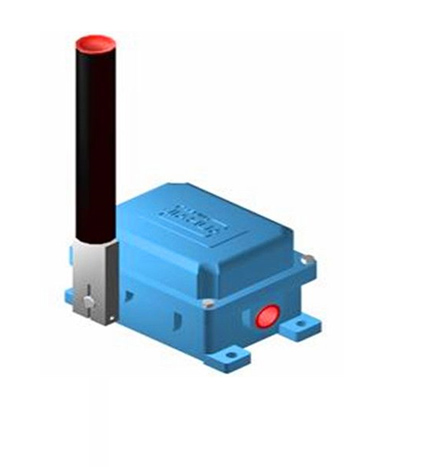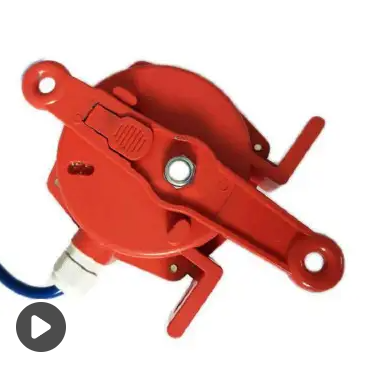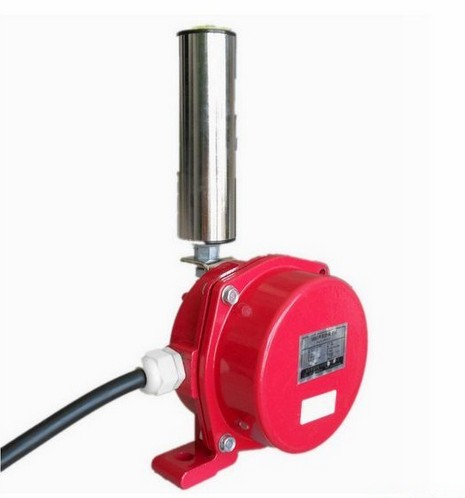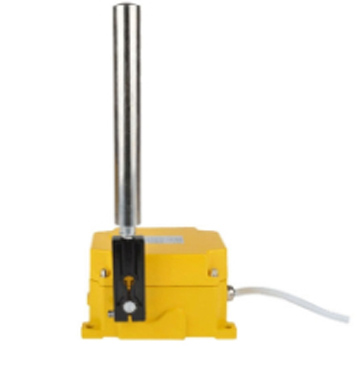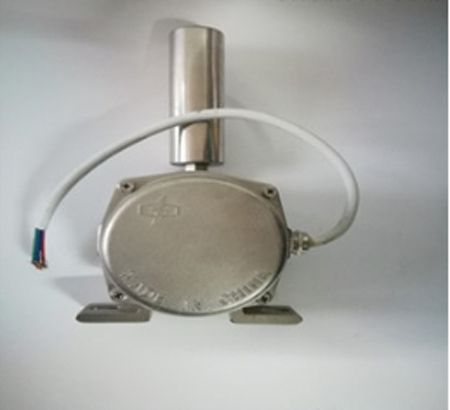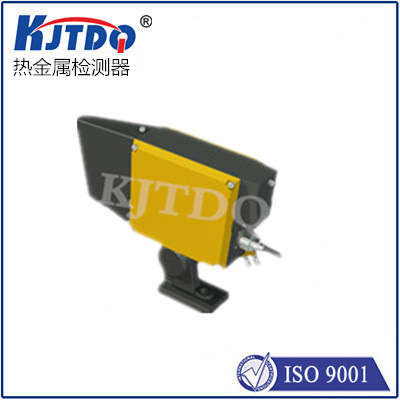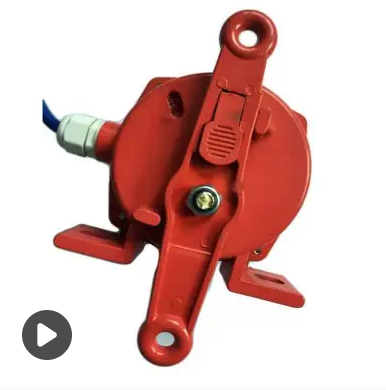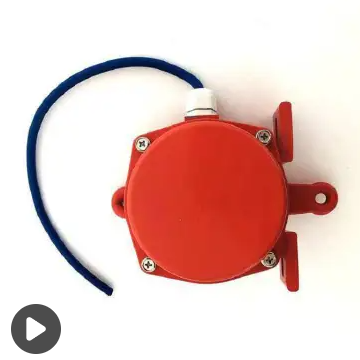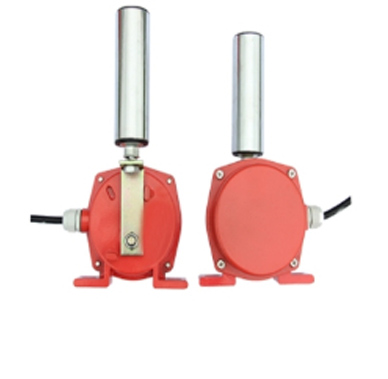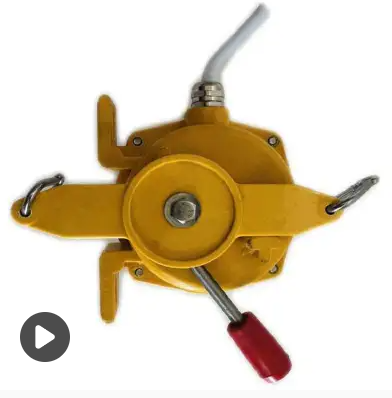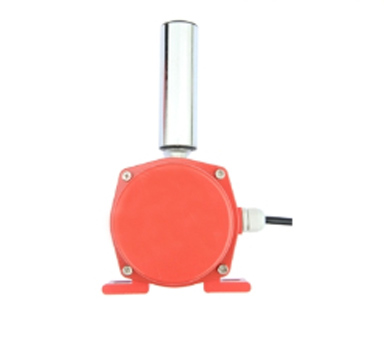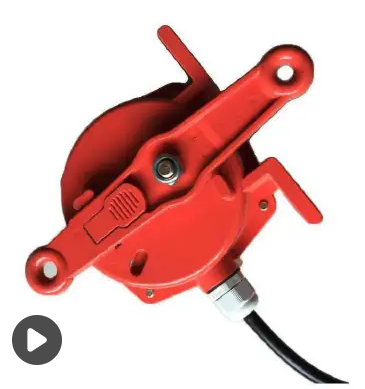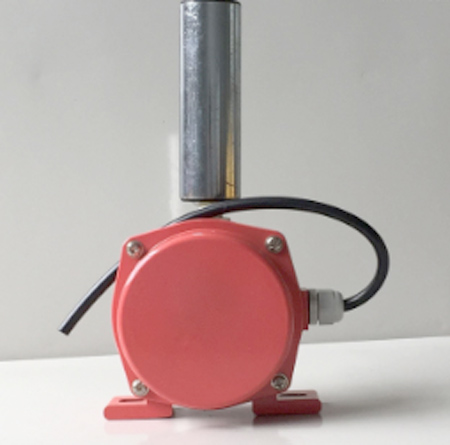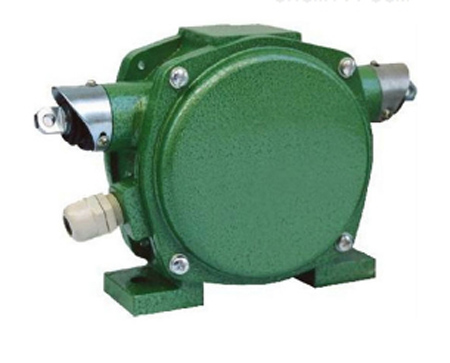
Product Overview:BL-NST1-12-30 dual contact two-stage deviation switch is a device designed specifically for detecting and controlling belt conveyor deviation. This switch has dual contact and two-level alarm functions, which can provide accurate deviation detection and activate corresponding alarms or control measures to ensure the smooth operation of the conveying system.
Main features:
Dual contact designEquipped with two independent sets of contacts, each set of contacts can be set to switch or closed state, providing flexible control options.
Two level alarm functionDivided into two levels of alarms based on the degree of deviation:
High sensitivity detectionCan accurately detect the deviation of the conveyor belt and issue timely alarm signals.
durableMade of high-strength materials and designed to withstand the challenges of harsh industrial environments.
Easy to installReasonable structural design, easy installation and maintenance.
Technical parameters:
working principle:BL-NST1-12-30 dual contact deviation switch During the operation of the belt conveyor, when the conveyor belt deviates to either side, the edge of the conveyor belt will touch the sensor or trigger rod of the switch. According to the deviation angle, the switch will trigger the following alarms:
Installation and Debugging:
Maintenance and upkeep:
Safety precautions:
Troubleshooting:
For more detailed information or technical support, please refer to the product manual or contact the supplier.
1. How to adjust the sensitivity of BL-NST1-12-30 dual contact two-stage deviation switch to adjust different conveyor belt operating conditions?
The sensitivity adjustment of BL-NST1-12-30 switch usually involves setting the detection angle. According to the adjustment guide in the product manual, the sensitivity setting screw or knob on the switch can be adjusted to change the detection angle. The appropriate detection angle should be set according to the running speed and deviation range of the conveyor belt to ensure that the switch can accurately detect the deviation situation. It is recommended to conduct on-site testing after installation to ensure that the settings meet actual needs.
2. Is the BL-NST1-12-30 switch suitable for all types of belt conveyors?
The BL-NST1-12-30 dual contact two-stage deviation switch is suitable for various types of belt conveyors, but when selecting and installing, the characteristics of the conveyor belt need to be considered, such as broadband, operating speed, and dust and humidity in the working environment. For special types of conveyors, adjustments or selection of other models may be necessary based on specific needs. It is recommended to confirm with the supplier or technical support before making a selection to ensure the suitability of the switch.
3. What are the daily maintenance contents of BL-NST1-12-30 dual contact deviation switch?
The daily maintenance of BL-NST1-12-30 deviation switch includes:
Regular inspection: Check the operation of the switch once a month to ensure its normal functioning.
Cleaning sensors: Regularly clean the switch surface and sensors to prevent dust and foreign objects from affecting detection accuracy.
Functional testing: Regularly conduct functional testing to ensure that the switch can accurately emit alarm signals.
Check the connection: Check the electrical connection to ensure that the wiring is secure and to avoid poor contact or short circuits.