Product Overview:
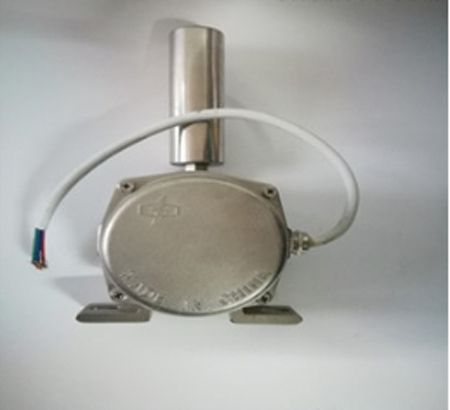
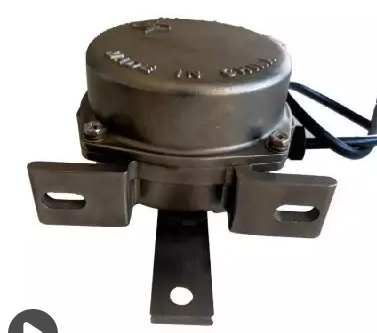
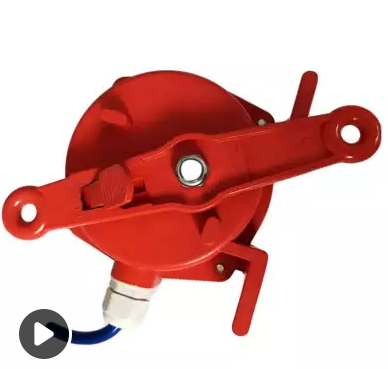
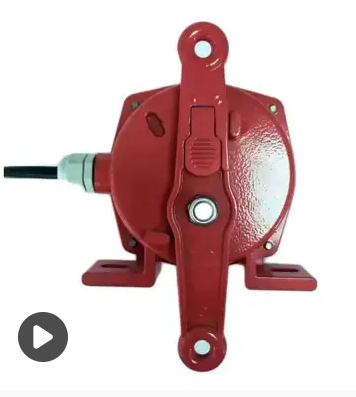
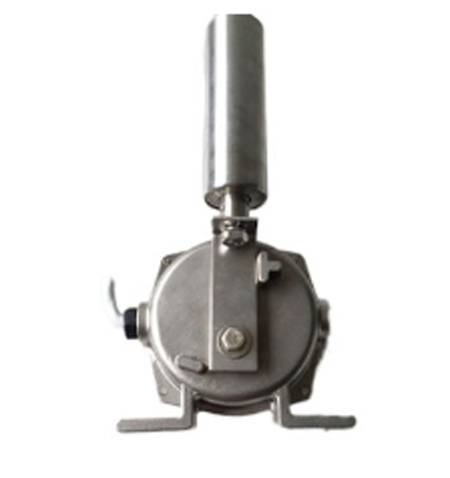
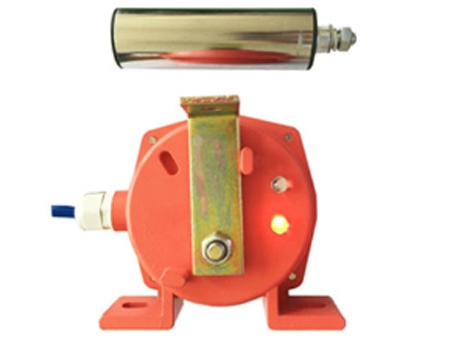
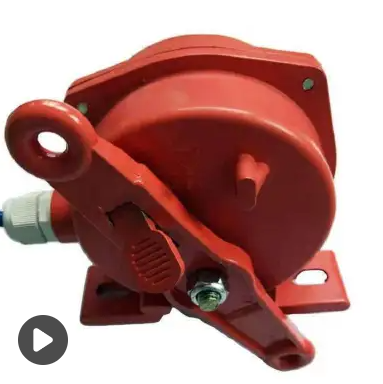
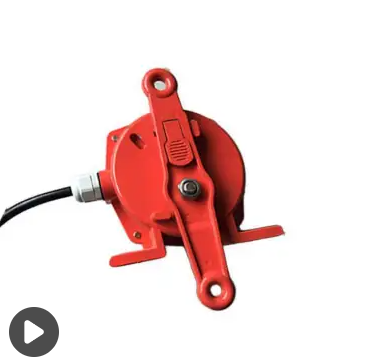
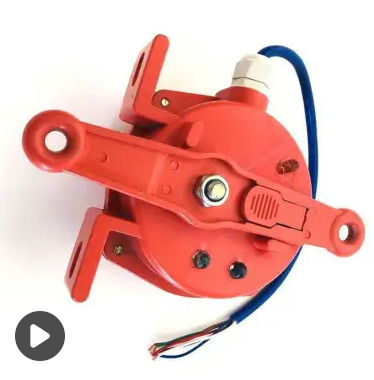
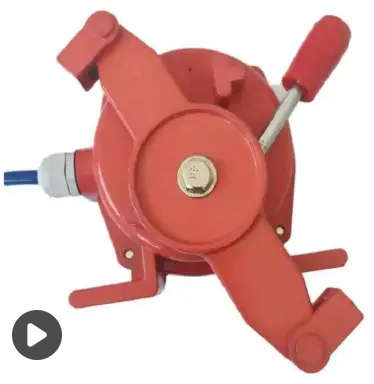
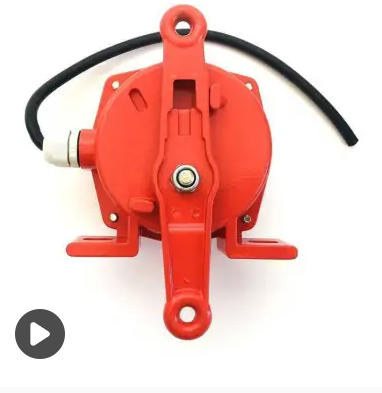
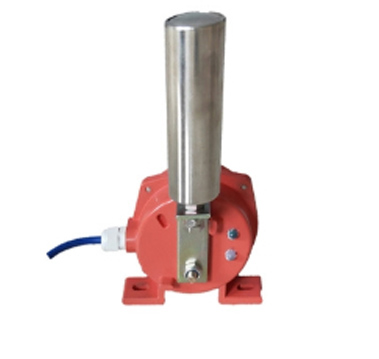
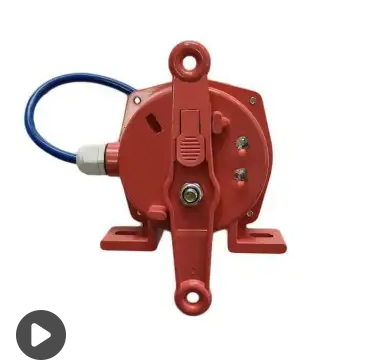
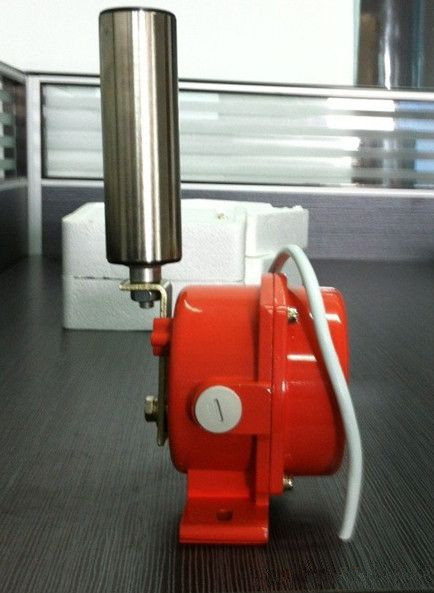
The deviation switch XT-CLB-A2 is a high-performance belt conveyor protection device designed specifically for detecting and alerting belt deviation. This switch has high sensitivity and stability, and can promptly issue an alarm or trigger the control system when the belt deviates, preventing equipment damage and production accidents, and improving the safety of the conveyor system.
Product features:
Technical parameters:
working principle:
The XT-CLB-A2 deviation switch is installed on both sides of the conveyor belt. When the belt deviates and touches the action rod of the switch, the micro switch inside the switch will trigger, issuing an alarm signal or executing control commands. The high sensitivity design of the switch can detect slight deviation of the belt, ensuring timely response in case of malfunction, preventing equipment damage and production interruption.
Installation and Debugging:
Application scenarios:
Maintenance and upkeep:
matters needing attention:
Conclusion:
The deviation switch XT-CLB-A2 is a highly sensitive and reliable belt conveyor protection device that effectively prevents equipment damage and production accidents by detecting and alarming belt deviation in a timely manner. Its sturdy and durable design, as well as widely applicable functions, make it widely used in industries such as mining, power, metallurgy, and logistics, making it an ideal choice for improving the safety of conveying systems.
1. How does the high sensitivity characteristic of the deviation switch XT-CLB-A2 work?
The high sensitivity of XT-CLB-A2 deviation switch enables it to detect small deviations of the belt in a timely manner. When the conveyor belt deviates slightly, the sensor of the switch will quickly respond, triggering the alarm system to prompt the operator to pay attention or take measures. This can intervene in the early stages of the problem, prevent further deterioration of the deviation situation, and avoid equipment damage or production interruption.
2. How to install and debug the deviation switch XT-CLB-A2?
When installing XT-CLB-A2, key positions where the belt is prone to deviation should be selected for installation, such as the middle of the conveyor belt or near the tensioning device. Ensure that the switch is securely fixed to prevent its position from being affected by vibration or external forces. During the debugging process, adjust the action angle of the switch (usually between 10 ° and 30 °) to ensure that it can trigger an alarm in a timely manner when the belt deviates. When wiring, it is necessary to strictly follow electrical specifications to ensure stable and reliable electrical connections.
3. What are the maintenance and upkeep suggestions for the deviation switch XT-CLB-A2?
To maintain the normal operation of XT-CLB-A2, it is recommended to regularly inspect the mechanical and electrical parts of the switch, especially the sensor and contact parts, to ensure their proper functioning. Keep the switch and its surrounding environment clean to prevent dust and debris from affecting the sensitivity of the switch. In addition, regular functional testing is conducted to simulate the belt deviation state, ensuring that the switch can respond and alarm in a timely manner. During maintenance, it is essential to perform it in a power-off state to ensure safe operation.