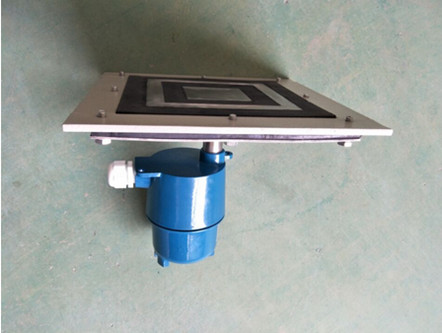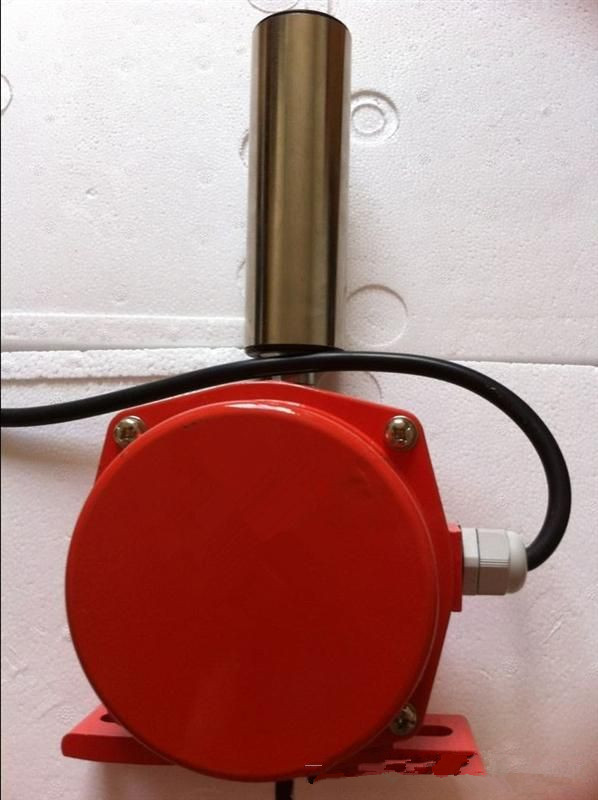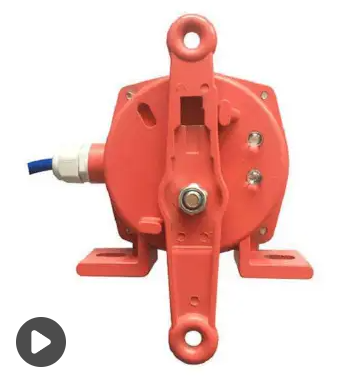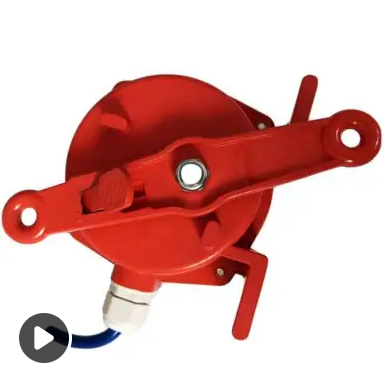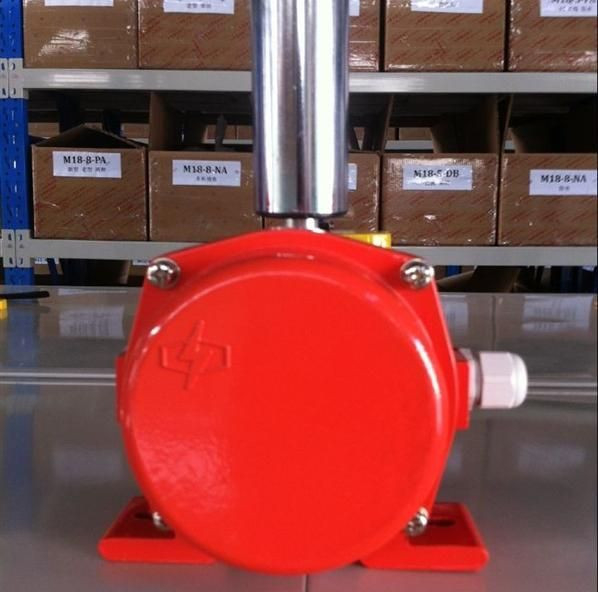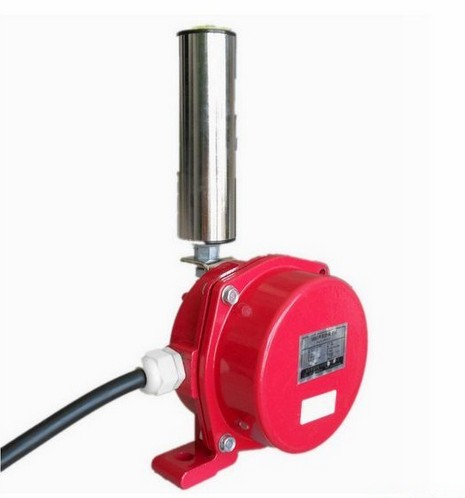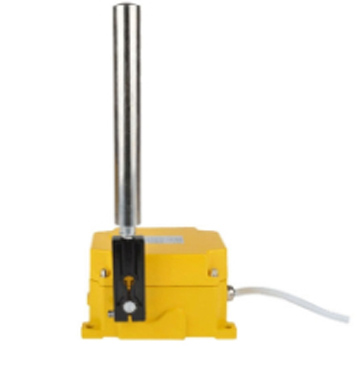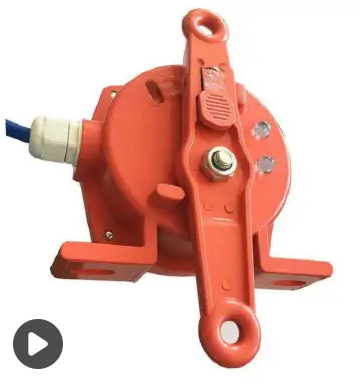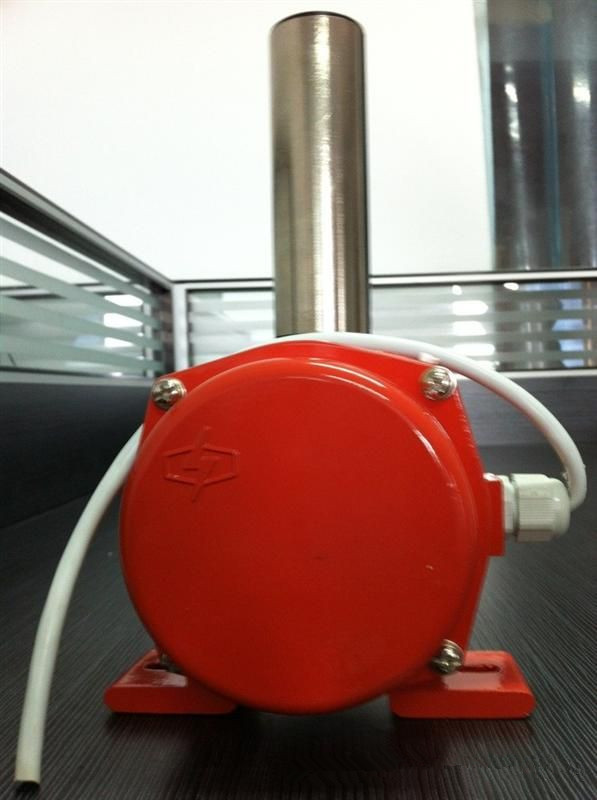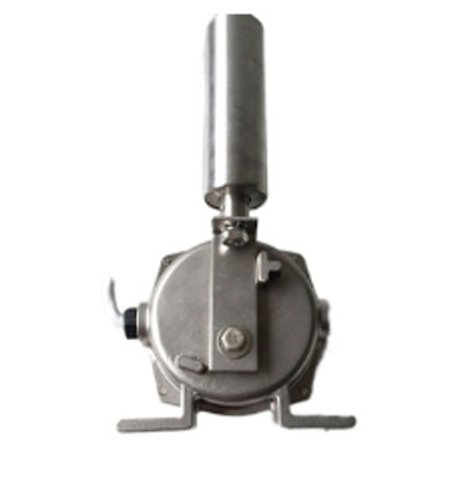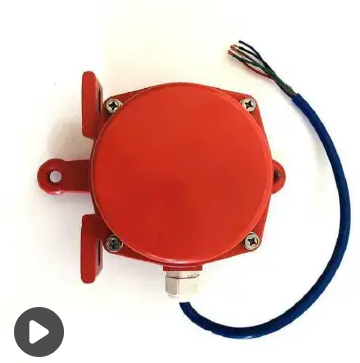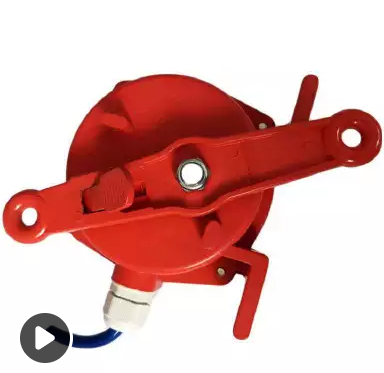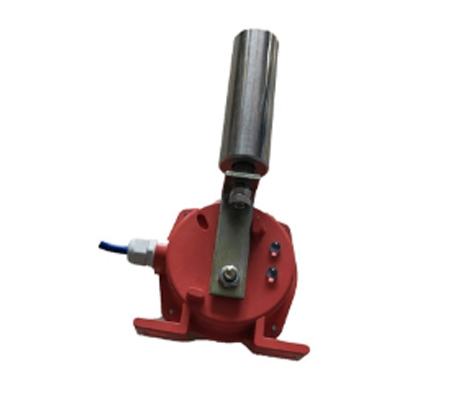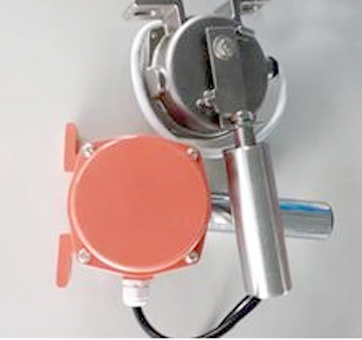
The deviation switch PY-PYZ is an important safety protection device widely used in various belt conveyor systems. Its main function is to monitor in real-time whether the belt runs off track. Once a deviation from the normal running trajectory is detected, an alarm signal or automatic shutdown will be immediately issued to prevent equipment damage and production accidents. The PY-PYZ model deviation switch has become the preferred product in the industry due to its high sensitivity, strong stability, and long service life.
The deviation switch PY-PYZ senses the displacement of the conveyor belt through detection wheels installed on both sides of the belt. When the belt deviates, it drives the detection wheel to deflect by an angle and triggers the internal electrical contacts of the switch to emit a signal. According to different degrees of deviation, PY-PYZ can be divided into two protection modes: mild deviation alarm and severe deviation shutdown, ensuring the safe operation of the system.
The deviation switch PY-PYZ is widely used in belt conveyor systems in industries such as mining, power, metallurgy, chemical, and ports. It is suitable for various conveyor belt equipment, such as flat belts, groove belts, etc., especially in long-distance and high load conveyor systems. Its reliable operating performance and efficient protection capability can significantly improve the safety and production efficiency of the system.
The deviation switch PY-PYZ, as an important safety protection device for belt conveyor systems, plays an indispensable role in preventing deviation accidents, protecting equipment and personal safety. Its high sensitivity and stable performance make it an ideal choice for conveying equipment in various industries.
1. What are the requirements for the installation position of the deviation switch PY-PYZ?
The deviation switch PY-PYZ should be installed near the drive drum in the return section of the belt conveyor, so that it can be detected in a timely manner when the belt deviates. The switch should be symmetrically installed on both sides of the conveyor belt, and the detection wheel should be kept at a certain distance from the edge of the belt, usually at 1/3 of the width of the belt, to ensure the accuracy of the detection.
2. How to adjust the detection sensitivity of the deviation switch PY-PYZ?
The detection sensitivity of PY-PYZ deviation switch can be achieved by adjusting the angle of the detection wheel. The specific operation includes adjusting the position of the detection wheel to make it respond moderately to the offset of the belt. If the detection wheel is close to the belt, the sensitivity is higher; If the distance is far, the sensitivity is low. It is recommended to test the adjustment effect by simulating the deviation situation after installation, to ensure that the switch can accurately reflect the deviation state.
3. What environments is the deviation switch PY-PYZ suitable for?
The deviation switch PY-PYZ adopts a high-strength aluminum alloy shell, which has good impact resistance and corrosion resistance, and the protection level reaches IP65. Therefore, it is suitable for harsh working conditions in various complex environments, including mining, power, metallurgy, chemical, and port industries. PY-PYZ can still maintain stable working performance in extreme high temperature, low temperature, humidity, and dust environments.