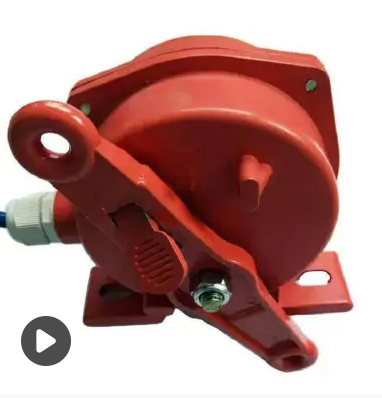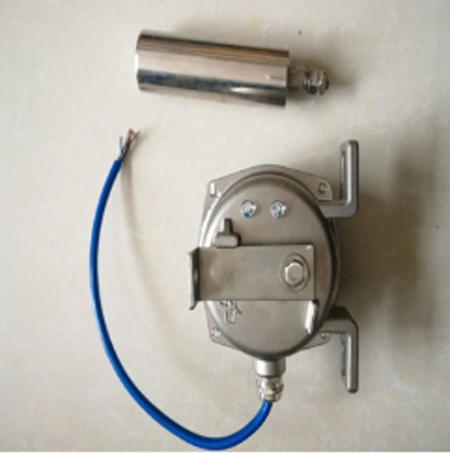
Product Overview:
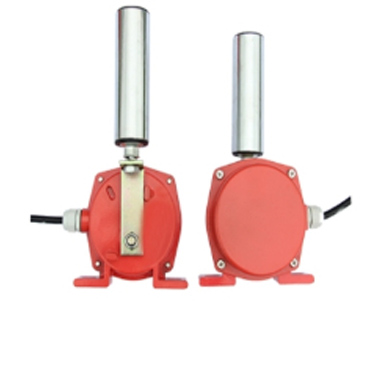
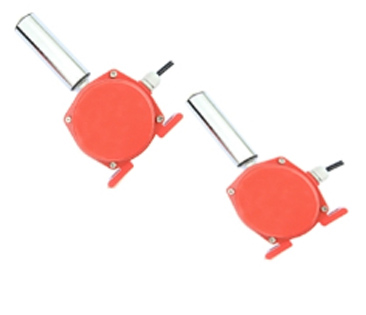
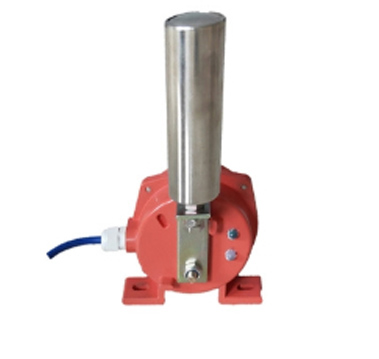
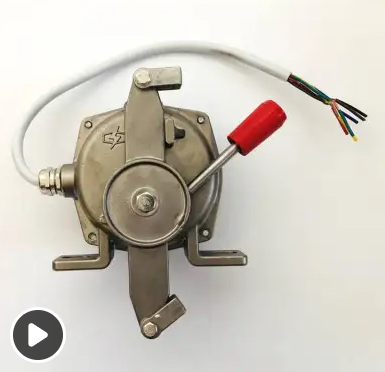
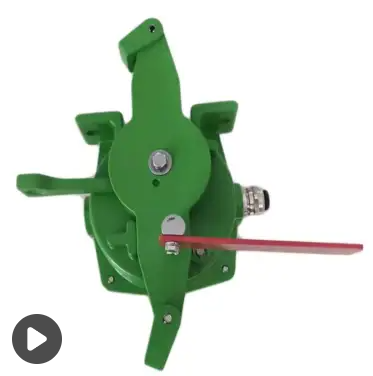
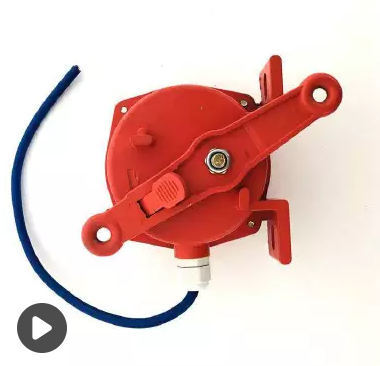
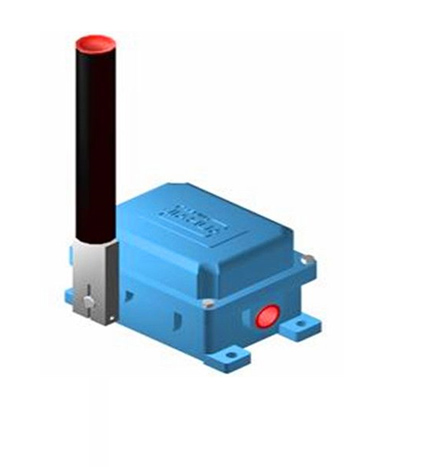
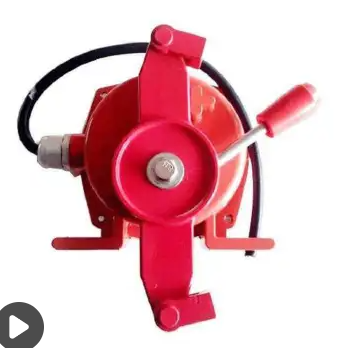
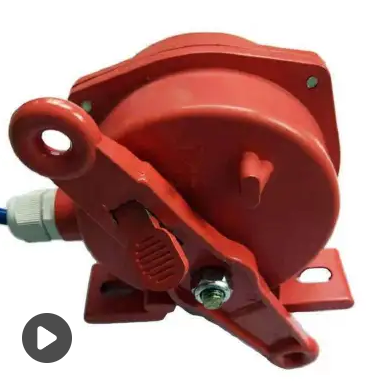
The ELAP-20Z deviation switch is a safety protection device designed specifically for belt conveyors, used to detect whether the conveyor belt has deviated. When the belt deviates from the normal track, the deviation switch will trigger an alarm or stop signal to avoid equipment damage and production accidents caused by deviation, ensuring the safe and stable operation of the conveyor system.
Product features:
- high sensitivityELAP-20Z adopts advanced detection technology, which can accurately monitor the deviation of the belt, respond quickly, and reduce potential accidents.
- Sturdy structureThe shell is made of high-strength and corrosion-resistant materials, which can adapt to harsh environments and ensure long-term stability.
- Convenient installationThe design is simple, easy to install, debug, and maintain, and can be completed without the need for professional tools.
- Wide temperature rangeCan work within a wide temperature range and is suitable for various industrial environments.
- Bidirectional detectionCan monitor the deviation of the belt towards the left and right sides, comprehensively ensuring the safety of the conveyor system.
Technical parameters:
- Model: ELAP-20Z
- Supply voltage: AC 220V/380V
- Output form: normally open, normally closed contacts
- Protection level: IP65
- Working temperature: -25 ° C to 80 ° C
- Action angle: 10 ° to 45 ° (adjustable)
- Contact capacity: AC 10A 250V
- Installation method: Horizontal installation
working principle:
The deviation switch ELAP-20Z is installed on both sides of the conveyor belt. When the belt deviates from the normal track and touches the switch, the action rod will move in the direction of the deviation, triggering the internal micro switch and sending a signal to alarm or stop the machine. This process can effectively prevent equipment wear, material leakage, or production accidents caused by belt deviation.
Installation and Debugging:
- Installation locationThe deviation switch should be installed at key positions of the belt conveyor, such as places where deviation is prone to occur (e.g. near the drive drum).
- Debugging methodAfter installation, adjust the operating angle of the switch according to the characteristics of the belt. Generally speaking, a slight deviation can trigger a switch alarm to avoid serious damage caused by significant deviation.
- Fixed methodUse appropriate fasteners to securely install the switch on the bracket, ensuring that its position is not affected by vibration or external forces during operation.
Application scenarios:
- Mining and coal industrySuitable for deviation detection in transportation systems such as ore and coal, ensuring production safety.
- Power industryUsed for monitoring the deviation of fuel conveyor belts in power plants to ensure the stability of the power supply system.
- Cement and building materials industryDuring the transportation of materials such as cement and sand, monitor the deviation of the belt to avoid equipment damage.
- Ports and logistics centersMonitor the deviation of the bulk cargo conveyor belt to prevent the scattering of goods and damage to the conveyor belt caused by deviation.
Maintenance and upkeep:
- Regular inspectionRegularly inspect the mechanical parts and electrical connections of the switch to ensure that all components are working properly.
- cleanKeep the area around the switch clean to avoid dust and debris affecting the sensitivity of the switch's operation.
- functional testingRegularly test the response of the switch by simulating the deviation state to ensure that it can alarm in a timely manner in actual situations.
matters needing attention:
- During installation and maintenance, avoid applying excessive external force or vibration to prevent damage to the internal structure of the switch.
- When debugging sensitivity, it should be set reasonably according to the specific characteristics of the belt system to avoid false alarms or insufficient sensitivity.
- Be sure to operate in a power-off state to ensure personal safety.
Conclusion:
The ELAP-20Z deviation switch is an efficient and reliable belt conveyor protection device. Its precise deviation detection and sturdy and durable design have made it widely used in various industries such as mining, power, and building materials. By timely warning and protective measures, ELAP-20Z greatly improves the operational safety and production efficiency of the conveying system.
Related Q&A FAQs:
1. What are the applicable environments for the deviation switch ELAP-20Z?
The ELAP-20Z deviation switch is suitable for various industrial environments, especially in industries such as mining, power, cement, and ports. Its sturdy casing and IP65 protection rating enable it to operate stably in harsh environments with high dust, high humidity, and large temperature differences, ensuring the safe operation of the belt conveyor system.
2. How to adjust the action angle of the deviation switch ELAP-20Z?
The action angle of the deviation switch ELAP-20Z can be adjusted according to the actual situation of the conveyor belt. Usually, the action angle range can be set by adjusting the adjustment screw on the switch, and the angle can be adjusted between 10 ° and 45 °. Ensure that the angle is set appropriately so that the switch can react quickly in case of slight deviation, avoiding damage caused by severe deviation.
3. What are the precautions for installing the deviation switch ELAP-20Z?
When installing the deviation switch ELAP-20Z, key positions where the conveyor belt is prone to deviation, such as near the drum, should be selected. Ensure that the switch is securely installed and avoid position movement due to vibration or external forces. In addition, the wiring should be strictly operated according to electrical specifications, and the sensitivity of the switch should be adjusted appropriately during the debugging process to ensure its reliability and effectiveness during operation.