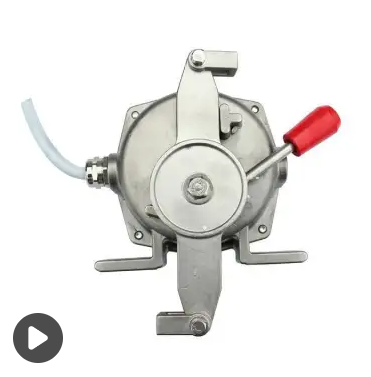
1. Product Overview
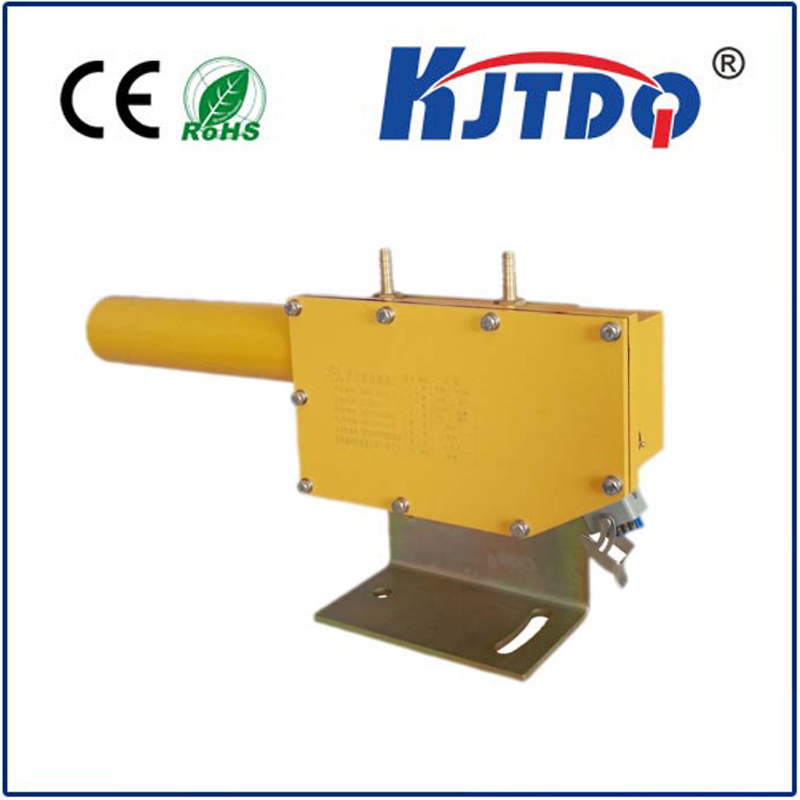
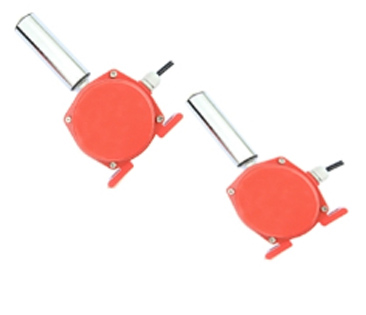
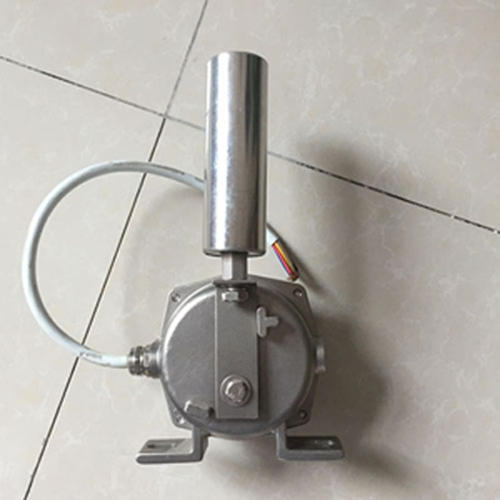
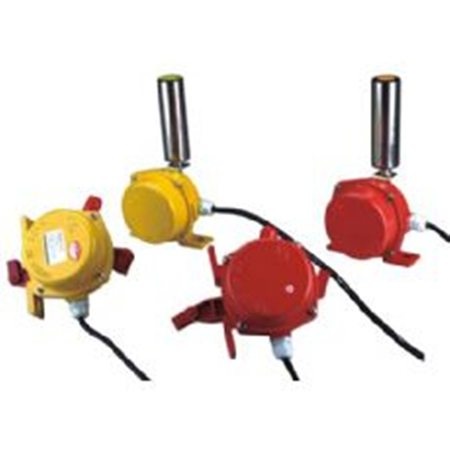
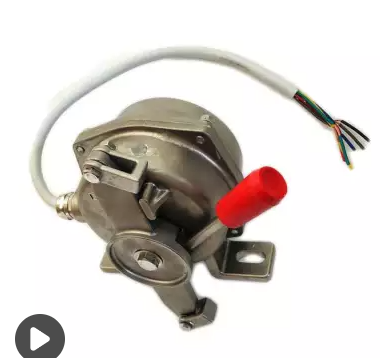
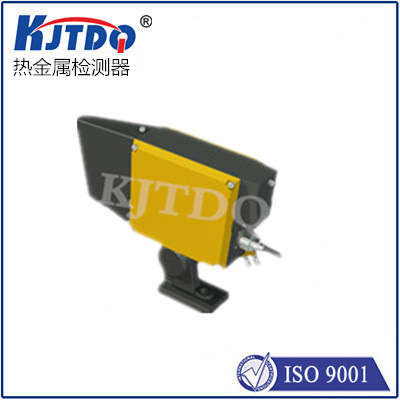
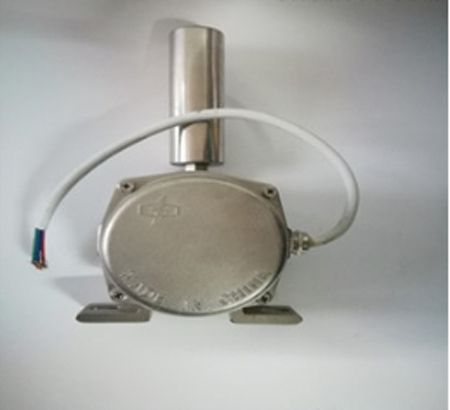
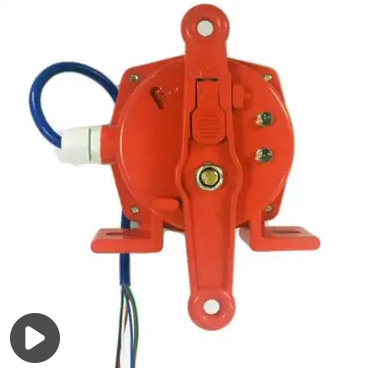
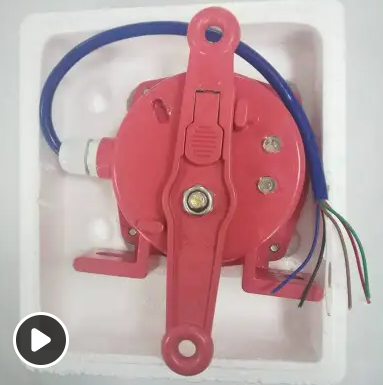
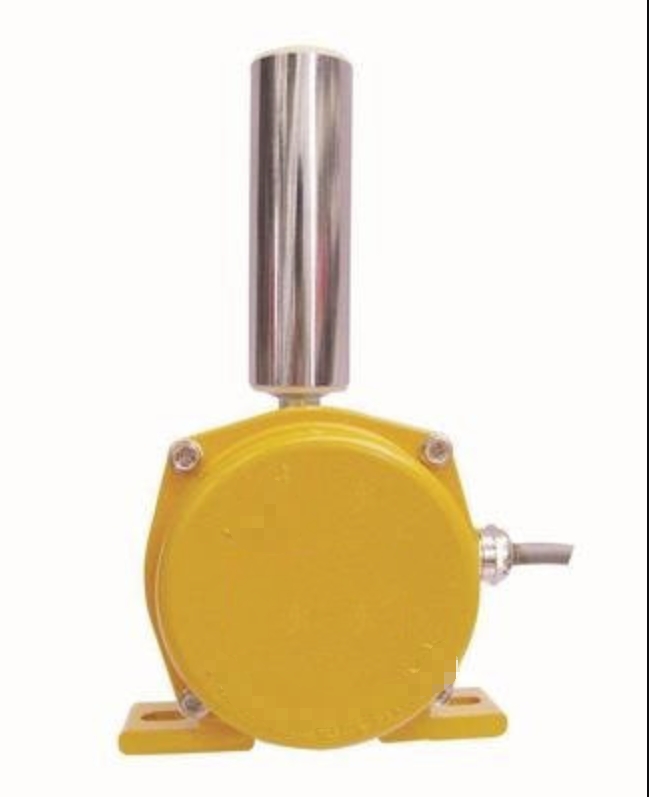
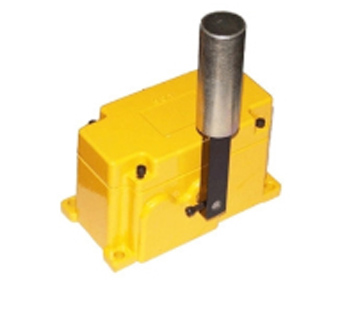
The non-magnetic stainless steel deviation switch PXA-A is a device specifically designed to monitor and correct conveyor belt deviation. This switch is made of non-magnetic stainless steel material, suitable for use in magnetic environments, and can avoid the impact of magnetic interference on equipment operation.
2. Main features
3. Technical parameters
4. Working principle
When the conveyor belt deviates, the sensor will detect the deviation and trigger the corresponding level based on the deviation angle:
5. Installation and commissioning
6. Maintenance and upkeep
7. Safety precautions
For more detailed information or technical support, please refer to the product manual or contact the supplier.
1. What are the main characteristics of the non-magnetic stainless steel deviation switch PXA-A?
The main features of the non-magnetic stainless steel deviation switch PXA-A include its non-magnetic design, which is suitable for magnetic environments and avoids magnetic interference; High sensitivity, able to accurately detect the deviation of the conveyor belt and issue timely alarm signals; Durable and sturdy, capable of long-term stable operation in harsh environments; Easy installation, simple design, and convenient installation and maintenance.
2. What are the technical parameters of PXA-A deviation switch?
The technical parameters of PXA-A deviation switch include working voltage of AC 220V/380V, working current of 5A, contact form of one open one closed (SPDT), adjustment angle of 10 ° (first level) and 30 ° (second level), ambient temperature range of -25 ° C to+70 ° C, and protection level of IP66.
3. How to install and maintain the non-magnetic stainless steel deviation switch PXA-A?
During installation, install the switch on the brackets on both sides of the conveyor belt to ensure that the sensor can accurately detect the offset of the conveyor belt. Connect the switch correctly to the control system according to the wiring diagram in the product manual. After installation, debug and simulate the deviation of the conveyor belt, check whether the switch can accurately send signals and trigger corresponding control measures. In terms of maintenance, this includes regularly checking the operation of the switch, cleaning the sensor surface to prevent dust and foreign objects from affecting detection accuracy, and conducting regular functional tests.